Ruby: Why This Red Gemstone Is Known as the King of Gemstones
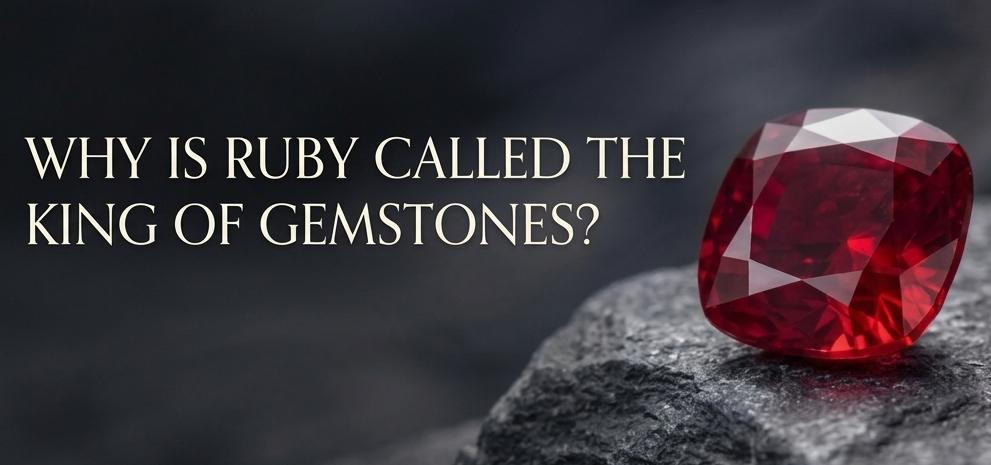
Ruby has a way of standing out. Its deep red colour, natural brilliance and long connection with royalty have made it one of the most admired gemstones in the world.
Known as Manik or Manikya in India, Ruby also holds a special place in Vedic astrology, where it is traditionally associated with the Sun (Surya). It is linked with qualities such as confidence, leadership, authority and vitality.
But what makes Ruby worthy of being called the “King of Gemstones”?
It is the combination of its colour, rarity, durability, history and astrological significance that has given Ruby this powerful reputation.
What Is Ruby?
Ruby is a precious variety of corundum, the same mineral family that includes Sapphire. Its red colour mainly comes from the presence of chromium.
Natural Rubies can range from pinkish red to vivid, deep red. Their value depends on several factors, including colour, clarity, cut, carat weight, origin and treatment.
With a Mohs hardness of 9, Ruby is also highly durable and well suited to jewellery such as rings and pendants.
If you are interested in understanding Ruby in greater detail, explore GemRishi's Ruby Stone (Manik) Meaning & Wearing Guide.
Why Is Ruby Called the King of Gemstones?
There is no single official reason behind the title. Instead, Ruby's royal reputation has developed through centuries of admiration and tradition.
1. Ruby Has a Royal History
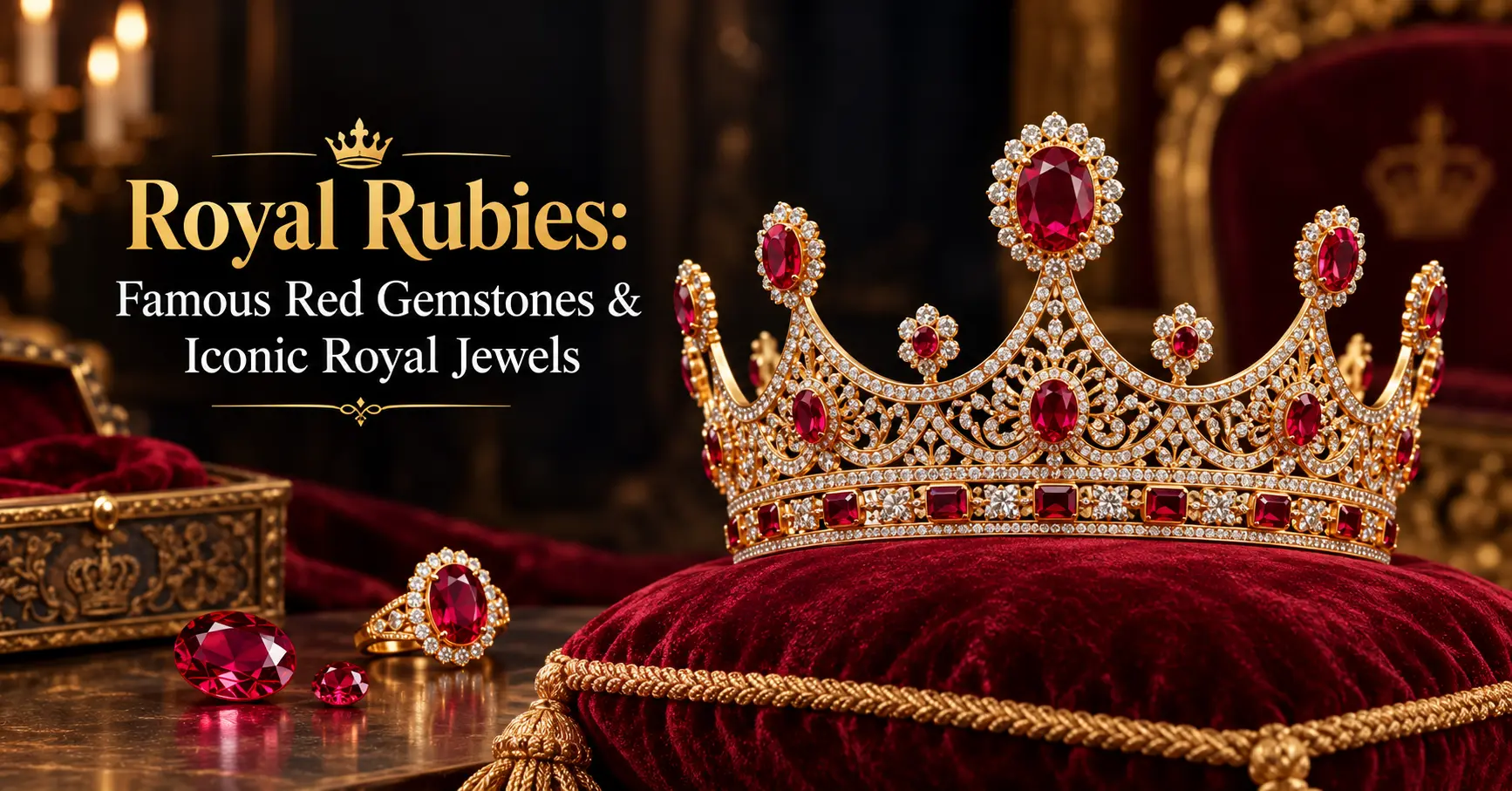
Ruby has been treasured for centuries and has often been associated with kings, rulers and wealth.
Its intense red colour made it visually distinctive, while its rarity made high-quality stones difficult to obtain. In many cultures, red gemstones were also connected with power, courage and protection.
Over time, these associations helped Ruby develop its image as a gemstone fit for royalty.
2. Its Red Colour Makes It Unique
Ruby's most recognisable feature is its red colour.
Red has traditionally represented passion, courage, strength, confidence and vitality. A fine Ruby brings these associations together with an intense natural colour that immediately attracts attention.
The finest stones can display a vivid and lively red appearance, making them especially desirable among gemstone collectors and jewellery buyers.
3. Fine Ruby Is Rare
Not every Ruby found in nature is a high-quality gemstone.
Fine Rubies with attractive colour, good transparency and desirable clarity can be quite rare. Origin can also influence a stone's reputation and market value.
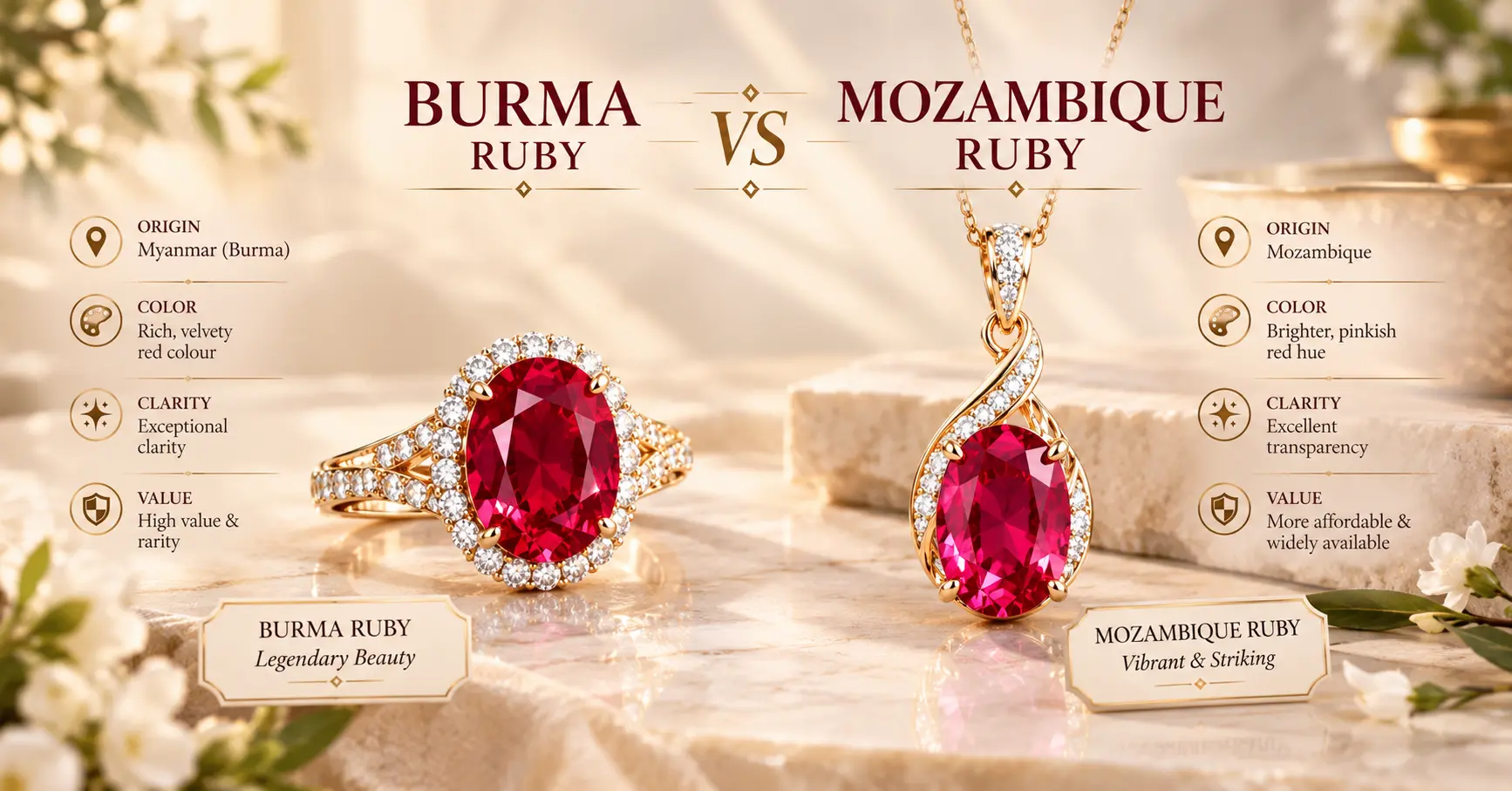
Burma (Myanmar) has historically been famous for exceptional Rubies, while Mozambique has become an important modern source of natural Rubies.
GemRishi's Mozambique Ruby vs Burma Ruby guide explains the differences in origin, colour, quality, treatment and value between these two important Ruby sources.
Ruby and the Sun in Vedic Astrology
Ruby's royal reputation becomes even more interesting in Vedic astrology.
Ruby is traditionally associated with Surya, the Sun. In Vedic astrology, the Sun represents qualities such as:
- Leadership
- Confidence
- Authority
- Recognition
- Vitality
- Individuality
- Self-expression
Because of this connection, Ruby is traditionally considered an important astrological gemstone.
However, Ruby is not automatically suitable for everyone. Traditional gemstone astrology considers the individual's birth chart, the position and strength of the Sun, ascendant and other planetary factors before recommending Manik.
For a detailed understanding, see GemRishi's Ruby Stone Meaning & Wearing Guide.
What Does Ruby Symbolise?
Ruby's meaning extends beyond astrology.
Because of its colour and history, Ruby is commonly associated with:
- Courage
- Passion
- Confidence
- Leadership
- Strength
- Vitality
- Love and commitment
This is one reason Ruby remains a popular choice for meaningful jewellery and special occasions.
GemRishi also includes Ruby among gemstones traditionally associated with confidence, courage, leadership and positive energy in its guide to gemstones associated with health, healing and positive energy.
What Makes a Ruby Valuable?
The phrase “King of Gemstones” does not mean every Ruby is expensive. Ruby quality can vary greatly.
Some of the main factors that influence value are:
Colour
Colour is one of the most important considerations. A vivid and attractive red is generally highly desirable.
Clarity
Natural Rubies commonly contain inclusions. What matters is how those inclusions affect the stone's appearance, transparency and durability.
Cut
A good cut can help the Ruby display its colour and brilliance effectively.
Carat Weight
Large, fine-quality Rubies are considerably rarer than smaller stones, which can make them much more valuable.
Origin
The origin of a Ruby can influence its desirability, especially when it comes from a historically recognised source.
Treatment
Some Rubies are treated to improve their appearance. Buyers should always ask about treatment before purchasing a valuable stone.
Natural Ruby vs Lab-Grown Ruby
Another important distinction is between natural and laboratory-grown Ruby.
Natural Ruby forms naturally within the Earth, while laboratory-grown Ruby is created under controlled conditions. Both are forms of corundum, but their origin and market positioning are different.
If you are specifically looking for a natural gemstone for traditional astrological use, understanding this difference becomes particularly important.
You can read GemRishi's detailed Lab-Grown Ruby vs Natural Ruby for Vedic Astrology before making a decision.
How to Choose a Ruby
If you are planning to buy Ruby, don't choose it based only on size or colour.
Look at:
- Natural or laboratory-grown origin
- Colour and transparency
- Clarity
- Cut and overall appearance
- Treatment status
- Carat weight
- Certification
- Seller credibility
For astrological purposes, suitability should also be considered separately from the gemstone's jewellery quality.
A beautiful Ruby is not necessarily the right astrological Ruby for every individual.
How to Wear Ruby Traditionally
For those wearing Ruby according to Vedic astrology, traditional recommendations generally include the ring finger, with gold commonly preferred as the setting metal.
Sunday is traditionally associated with the Sun, so it is commonly chosen for wearing Ruby.
However, exact recommendations can vary according to the individual's horoscope and astrological tradition.
For the complete traditional process, including finger, metal, day and weight, refer to GemRishi's Ruby Wearing Guide.
Why Ruby Still Deserves Its Crown
Ruby's title as the King of Gemstones comes from more than its striking red colour.
It has a remarkable combination of beauty, rarity, durability, history and symbolism. Its connection with royalty gives it a timeless appeal, while its association with the Sun gives it a unique position in Vedic astrology.
Whether you appreciate Ruby as a jewellery gemstone, a collector's stone or a traditional astrological gemstone, its appeal is difficult to overlook.
That is what makes Ruby special: it doesn't simply look royal—it has a history and symbolism that have allowed it to keep its crown for generations.
Have Questions Regarding This Gemstone?
Connect 1-on-1 with GemRishi’s certified Vedic gemologists on WhatsApp for personalized birth chart recommendations, lab certificate verification, or custom jewelry quotes.
Gemrishi
Gemrishi is a certified gemologist and Vedic astrology scholar at GemRishi with over 15 years experience in natural gemstone origin authentication.