Beyond the Big Three: Why High-Net-Worth Collectors Are Moving from Rubies to Rare Exotic Gems
Introduction: A New Chapter in Luxury Gemstone Collecting
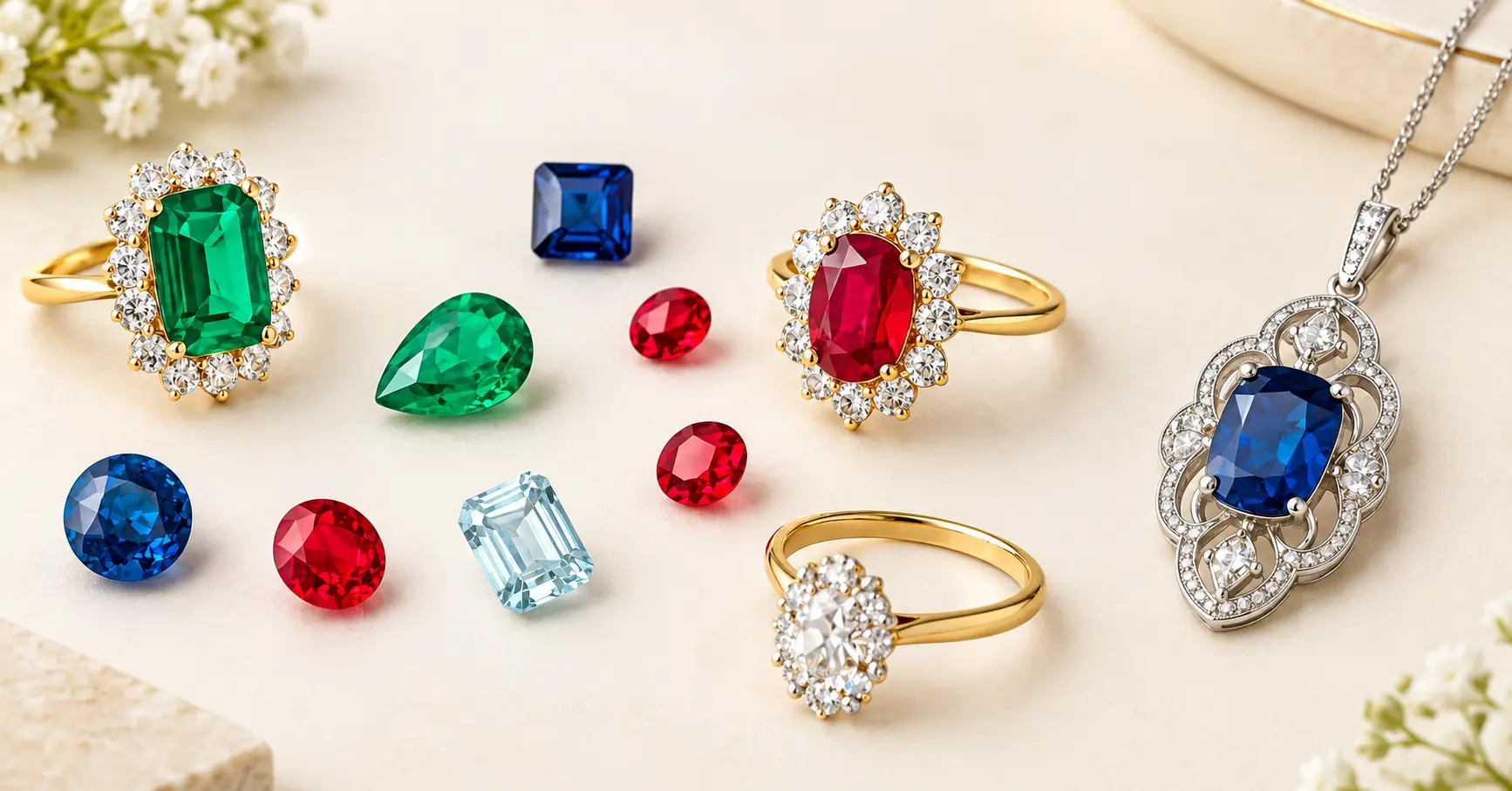
For generations, rubies, emeralds and sapphires have represented the pinnacle of coloured gemstone luxury. Known as the “Big Three,” these precious gemstones continue to attract collectors through their exceptional colours, historical significance and enduring appeal.
However, the world of luxury gemstone collecting extends far beyond these familiar names.
Today, collectors with a strong appreciation for rarity and individuality have compelling reasons to explore unusual coloured gemstones, including Paraiba Tourmaline, Alexandrite, Spinel and exceptional natural Tourmalines. These gems offer something different: extraordinary colour, fascinating optical effects and the opportunity to discover specimens that stand apart from conventional luxury jewellery.
This does not mean that rubies are losing their importance. Rather, the collector's perspective is expanding. For discerning buyers, the question is no longer simply which gemstone is the most famous, but which stone offers the right combination of beauty, rarity, provenance and personal significance.
At GemRishi, we believe understanding these differences is an essential first step towards choosing a gemstone with confidence.
1. Why Are Collectors Looking Beyond Rubies?
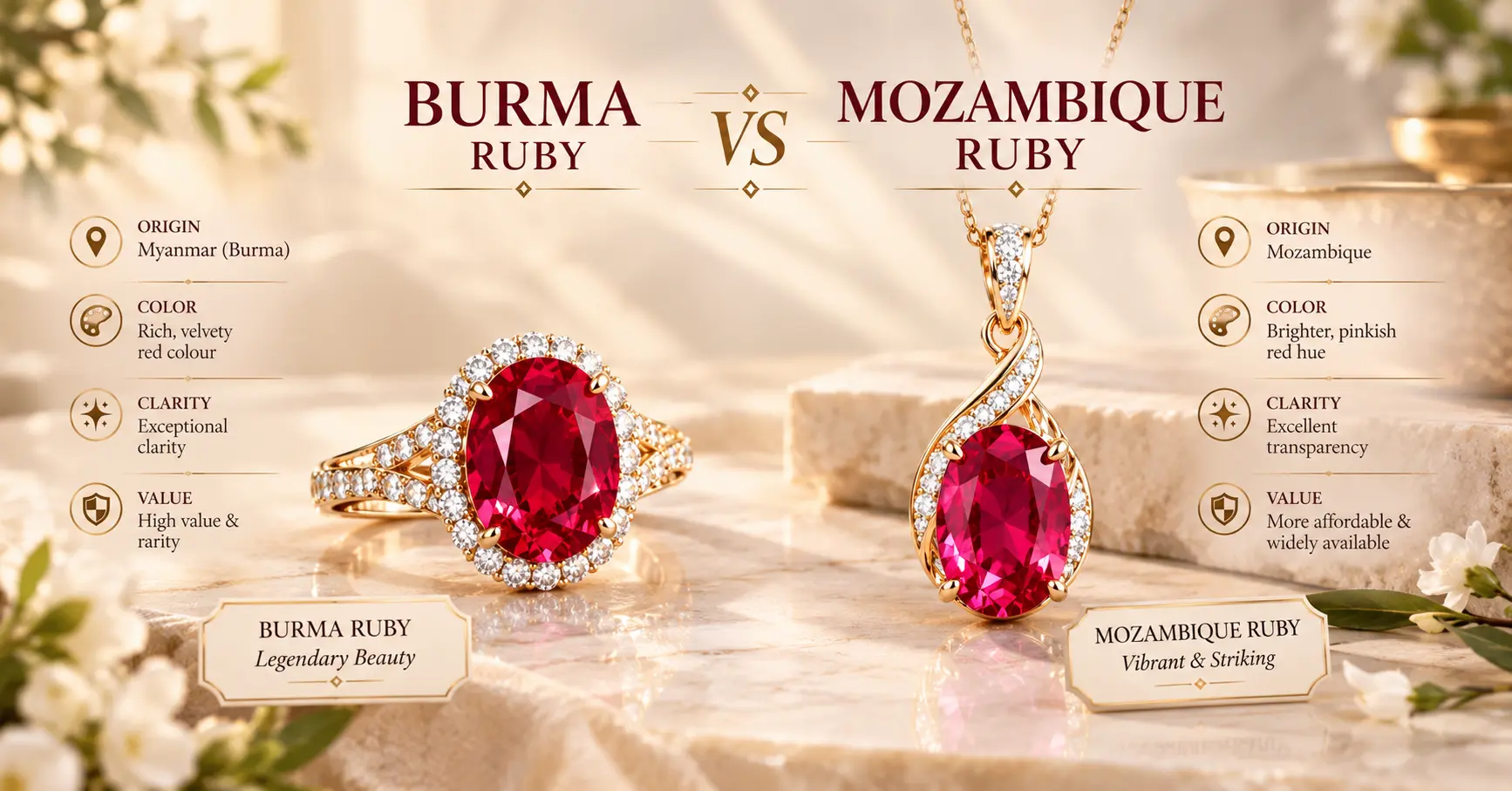
Ruby remains one of the most prestigious coloured gemstones. Exceptional Burmese rubies, particularly those with vivid red colour and no indications of heating, can command significant prices.
Yet collecting is also about discovery. Experienced buyers may already own rubies, emeralds and sapphires and want to explore gemstones with distinctive characteristics.
Three factors help explain this interest.
The Appeal of Rarity
Not every gemstone variety is equally scarce in exceptional quality. A gemstone may be commercially available, but specimens with remarkable colour, clarity, size and documented origin can be considerably harder to find.
Individuality and Exclusivity
Luxury buyers increasingly have opportunities to choose jewellery that reflects their personal taste rather than following traditional conventions. A vivid blue-green Paraiba Tourmaline or a colour-changing Alexandrite can make a collection feel distinctive.
The Desire for a Broader Collection
Collectors can diversify their interests by exploring different gemstone varieties, origins and colours. However, rarity does not automatically guarantee appreciation or resale demand.
For buyers comparing traditional and unusual stones, GemRishi's gemstone collection provides a starting point for exploring different gemstone categories.
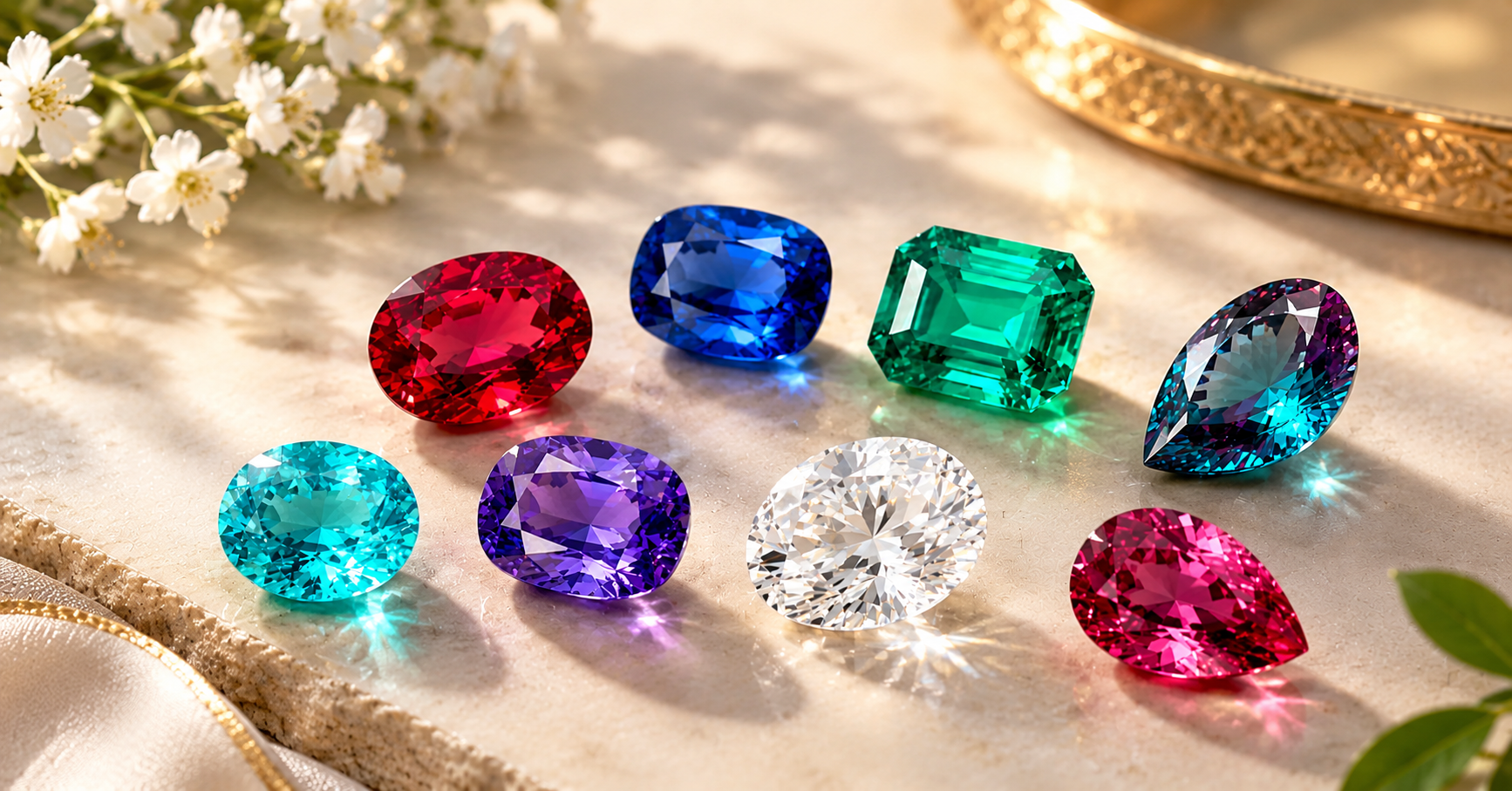
2. Four Rare Exotic Gemstones Attracting Attention
Paraiba Tourmaline: Extraordinary Neon Colour
Paraiba Tourmaline is admired for its striking electric blue, turquoise and blue-green colours. Its vivid appearance, particularly in copper-bearing material, makes exceptional examples highly desirable among coloured gemstone enthusiasts.
Fine Paraiba Tourmalines can be rare, especially when strong colour, attractive transparency and a well-proportioned cut come together.
For collectors, the appeal lies in the gemstone's unmistakable visual character. Unlike a classic red ruby, Paraiba Tourmaline offers a luminous colour that can become the centrepiece of contemporary fine jewellery.
Explore GemRishi's Paraiba Tourmaline guide to learn more about this distinctive gemstone.
Alexandrite: A Gemstone That Changes Colour
Alexandrite is famous for its remarkable colour-changing effect. Depending on the light source, a fine specimen may appear greenish or bluish-green in daylight and reddish or purplish under incandescent lighting.
This optical phenomenon makes Alexandrite particularly fascinating to collectors who value unusual natural characteristics.
Its rarity depends on several factors, including the strength of the colour change, overall colour quality, clarity, carat weight and documented origin. Fine larger specimens can be especially difficult to find.
For collectors, Alexandrite represents more than an unusual colour. It demonstrates how a natural gemstone can reveal a different personality under changing light.
Spinel: An Independent Luxury Gemstone
Spinel was historically mistaken for ruby in some famous jewels, but it is a distinct mineral with its own identity.
Natural Spinel occurs in attractive shades of red, pink, violet, purple and blue. Fine red and cobalt-blue specimens can be particularly appealing to serious collectors.
One of Spinel's advantages is its versatility. Its colour range suits both traditional jewellery designs and contemporary statement pieces.
As buyers become more familiar with gemstones beyond the traditional Big Three, Spinel deserves consideration for its natural beauty, colour variety and distinctive collecting appeal.
Rare Tourmalines: A World of Colour
Tourmaline is a mineral group rather than a single colour variety. It includes green, pink, blue, red and multicoloured stones.
Some varieties, such as exceptional Paraiba Tourmaline, attract considerable attention because of their unusual colour and relative scarcity. Watermelon Tourmaline, meanwhile, is admired for its naturally contrasting pink and green zones.
The quality of a Tourmaline depends on its individual characteristics. Colour saturation, transparency, cut, carat weight and treatment history all matter.
Explore GemRishi's gemstone selection to discover the broader world of natural coloured gemstones.
3. Rare Exotic Gems vs Rubies: What Makes the Difference?
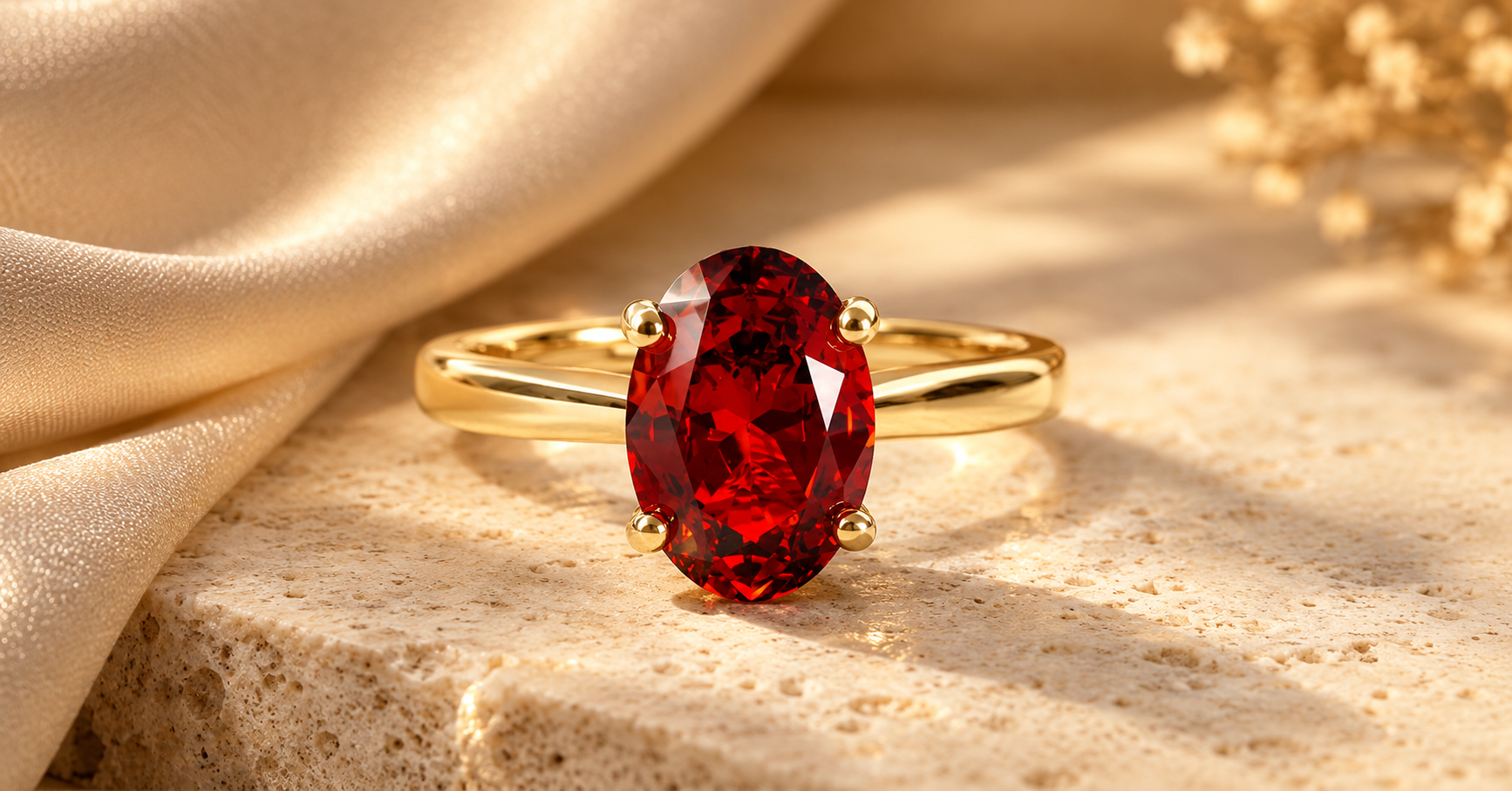
Rubies and exotic gemstones should not be compared on price alone. Each variety has its own qualities, market demand and collector appeal.
1. Colour: Rubies are prized for their rich red colour, while exotic gemstones offer a wide range of distinctive colours, including electric blue, turquoise, purple and colour-changing shades.
2. Recognition: Rubies enjoy worldwide recognition and a long history of luxury collecting. Exotic gemstones vary in popularity depending on their variety and quality.
3. Rarity: Exceptional-quality rubies are scarce. Similarly, rare exotic gemstones can be difficult to find when they possess outstanding colour, clarity and size.
4. Collector Appeal: Rubies represent heritage, tradition and classic luxury, whereas exotic gemstones attract collectors seeking individuality and unusual natural characteristics.
5. Value Factors: Ruby prices depend on colour, origin, treatment and carat weight. Exotic gemstone values also depend on rarity, colour quality, origin, treatment and market demand.
6. Resale Market: Rubies benefit from an established market, although resale depends on quality and demand. Exotic gemstones may appeal to specialised buyers and can have a more limited resale market.
The important distinction is that a rare gemstone is not automatically more valuable than a ruby.
An exceptional ruby may be more desirable than an ordinary exotic gem, while an outstanding Paraiba Tourmaline or Alexandrite may be more compelling than a commercially available ruby.
The right comparison begins with the quality of the individual stones.
4. What Determines the Value of a Rare Gemstone?
When purchasing a luxury gemstone, collectors should consider several important factors.
Colour: Colour is often one of the most influential characteristics. Its intensity, saturation, distribution and attractiveness can significantly affect desirability.
Clarity: Natural inclusions are common in coloured gemstones. Their impact depends on the gemstone variety, transparency and overall appearance.
Carat Weight: Larger stones of exceptional quality are generally harder to find. However, size alone does not determine value.
Origin: A documented geographic origin can influence collector interest, especially for gemstones associated with historically important deposits.
Treatment: Heat treatment, clarity enhancement, irradiation and other processes may affect appearance and value. Treatments vary by gemstone, so full disclosure is essential.
Certification: An independent gemological report can help establish identity and disclose relevant findings about treatment and, where possible, origin.
Before making a purchase, explore GemRishi's gemstone buying guide for practical guidance on evaluating gemstone quality.
5. Are Rare Exotic Gemstones a Good Investment?
Rare gemstones can interest collectors because they combine natural beauty, portability and the scarcity of exceptional specimens. Nevertheless, they should not be treated as guaranteed investments.
Unlike publicly traded assets, many coloured gemstones have limited transparent pricing and specialised resale markets. Selling a gemstone may take time, and the resale price can be lower than the original purchase price.
A responsible buying decision should consider:
- Independent certification and reliable documentation.
- Natural origin and any disclosed treatments.
- Quality relative to the asking price.
- Provenance and the credibility of the seller.
- Potential resale demand and transaction costs.
- Personal enjoyment beyond financial expectations.
Buyers should also understand the difference between a gemstone's retail price, insurance valuation and realistic resale value.
For collectors who want to understand traditional luxury stones alongside alternatives, GemRishi's Ruby collection and broader gemstone range offer useful starting points for further exploration.
6. How to Choose Rare Exotic Gemstones with Confidence
The best gemstone is not necessarily the rarest or most expensive. It is the one whose quality, appearance and documentation meet your expectations.
Start by identifying the gemstone variety that interests you. Compare several specimens under different lighting conditions, examine the cut and transparency, and ask about treatments.
For higher-value purchases, consider an independent report from a recognised gemological laboratory. Ensure that the report corresponds to the exact stone being offered.
If you are choosing a gemstone for jewellery, consider durability and the intended setting. Some gemstones require more careful handling than others.
If your interest is astrological, remember that traditional gemstone recommendations differ from gemological assessments. Seek qualified guidance for astrological suitability rather than assuming that rarity or price makes a gemstone appropriate for everyone.
At GemRishi, buyers can explore natural gemstone options and learn more about selecting a stone that matches their preferences and requirements.
Conclusion: The Future of Gemstone Collecting Goes Beyond Tradition
Rubies, emeralds and sapphires will continue to hold an important place in luxury gemstone collecting. Their history, recognisable beauty and exceptional specimens make them enduring favourites.
However, Paraiba Tourmaline, Alexandrite, Spinel and other unusual coloured gemstones offer a different dimension of collecting. They appeal to people who appreciate distinctive colours, natural rarity and the opportunity to discover something less conventional.
For serious collectors, the smartest approach is to look beyond a gemstone's name or price tag. Evaluate its quality, treatment, origin, certification and market demand before making a decision.
Whether you prefer the timeless beauty of ruby or the unusual character of an exotic gemstone, an informed choice begins with reliable information.
Discover your next gemstone with GemRishi. Explore our natural gemstone collection and gemstone jewellery to find a stone that reflects your taste, appreciation for craftsmanship and personal style.
Frequently Asked Questions (FAQs)
1. What are rare exotic gemstones?
Rare exotic gemstones are coloured gemstones valued for distinctive colours, unusual optical effects, limited availability in exceptional quality or other notable characteristics. Examples include Paraiba Tourmaline, Alexandrite and fine Spinel.
2. Why are collectors interested in gemstones beyond rubies?
Some collectors already own traditional precious gemstones and want to explore unusual colours, distinctive optical effects and less conventional varieties.
3. Is Paraiba Tourmaline rarer than ruby?
Exceptional Paraiba Tourmaline can be highly scarce, but rarity depends on quality and the specific material being compared. There is no universal ranking that makes every Paraiba Tourmaline rarer than every ruby.
4. What makes Alexandrite special?
Alexandrite is famous for its colour-changing effect under different lighting conditions. The strength and attractiveness of this change can influence its desirability.
5. Is Spinel a precious gemstone?
Spinel is a natural gemstone used in fine jewellery and collected in its own right. Exceptional red, pink and blue specimens can be particularly desirable.
6. Which factors affect exotic gemstone prices?
Colour, clarity, carat weight, cut, origin, treatment, certification and market demand all influence price.
7. Are rare gemstones better investments than rubies?
Not necessarily. Rare gemstones may have specialised resale markets, and neither exotic gems nor rubies guarantee appreciation. Research and independent evaluation are essential.
8. Why is gemstone certification important?
A gemological report can help establish a stone's identity and disclose relevant treatment findings. Some reports may also provide an opinion on geographic origin.
9. Are all natural gemstones untreated?
No. Natural gemstones may undergo treatments to improve their appearance. Buyers should ask for clear disclosure of any known treatment.
10. Can exotic gemstones be used in everyday jewellery?
Yes, depending on the gemstone, its durability, the setting and how it is worn. Some varieties need more protection and care than others.
11. How can I choose a genuine rare gemstone online?
Check the seller's reputation, detailed gemstone information, treatment disclosure, return policy and relevant independent certification. Request clear images and documentation before purchasing an expensive stone.
12. Where can I explore natural gemstones online?
You can explore GemRishi's gemstone collection to discover different gemstone varieties and begin comparing options for your collection.
Have Questions Regarding This Gemstone?
Connect 1-on-1 with GemRishi’s certified Vedic gemologists on WhatsApp for personalized birth chart recommendations, lab certificate verification, or custom jewelry quotes.
Gemrishi
Gemrishi is a certified gemologist and Vedic astrology scholar at GemRishi with over 15 years experience in natural gemstone origin authentication.