7 Gemstones Associated With Health, Healing & Positive Energy
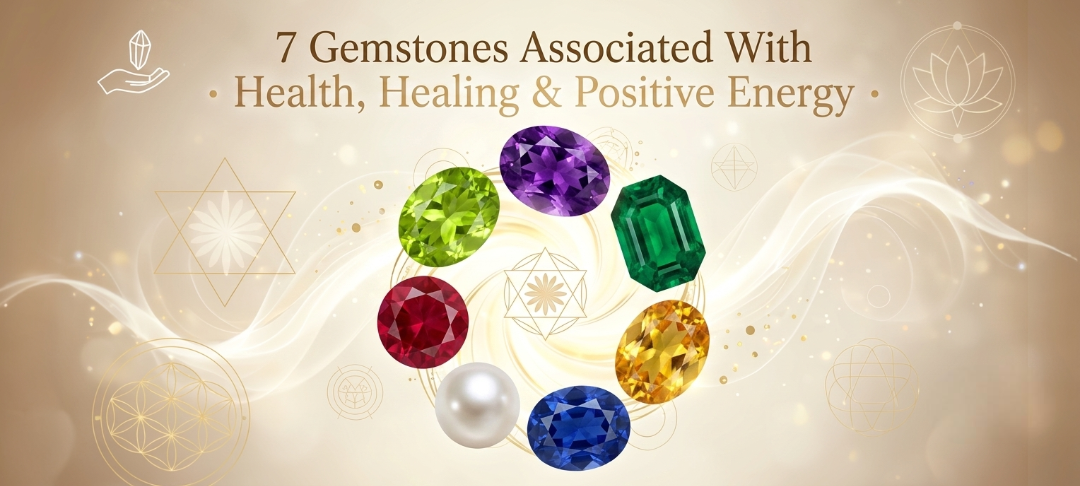
7 Gemstones Associated With Health, Healing & Positive Energy
Gemstones have fascinated people for centuries because of their beauty, symbolism, and association with astrology and spiritual traditions. Many cultures believe that certain gemstones can encourage positive energy, emotional balance, confidence, calmness, and overall well-being.
From peaceful Amethyst to vibrant Ruby, every gemstone has its own traditional significance and is associated with different qualities. While gemstones should not be considered a replacement for professional medical treatment, they can be incorporated into personal spiritual, cultural, or wellness practices.
In this guide, we explore 7 gemstones traditionally associated with health, healing, balance, and positive energy.
1. Amethyst – The Stone of Calm and Emotional Balance
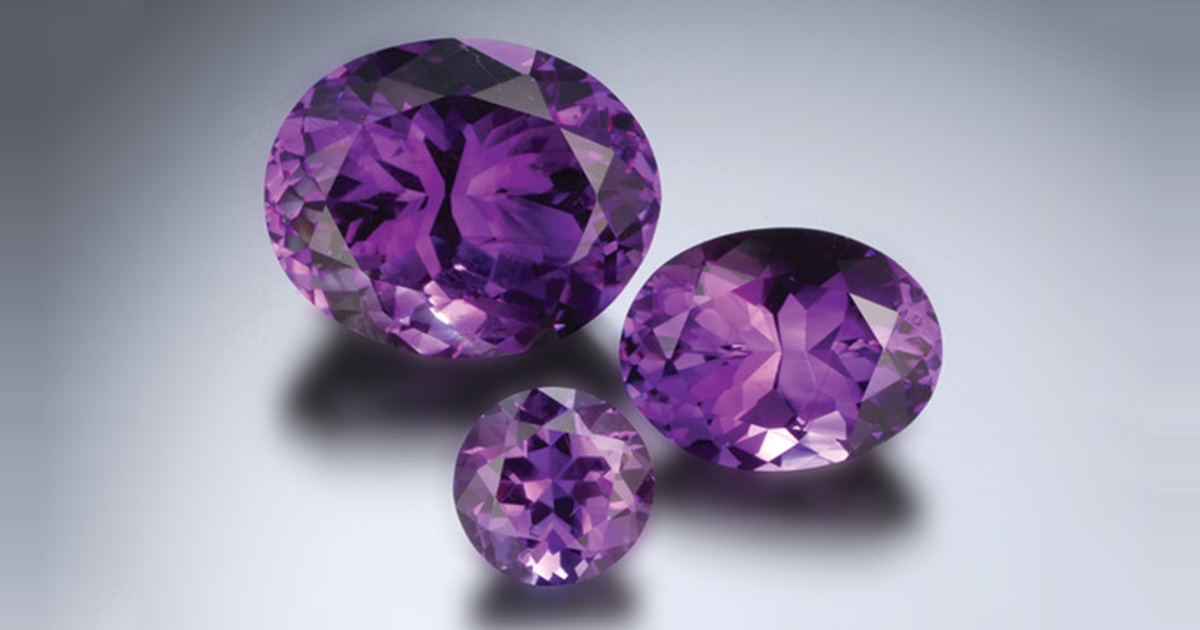
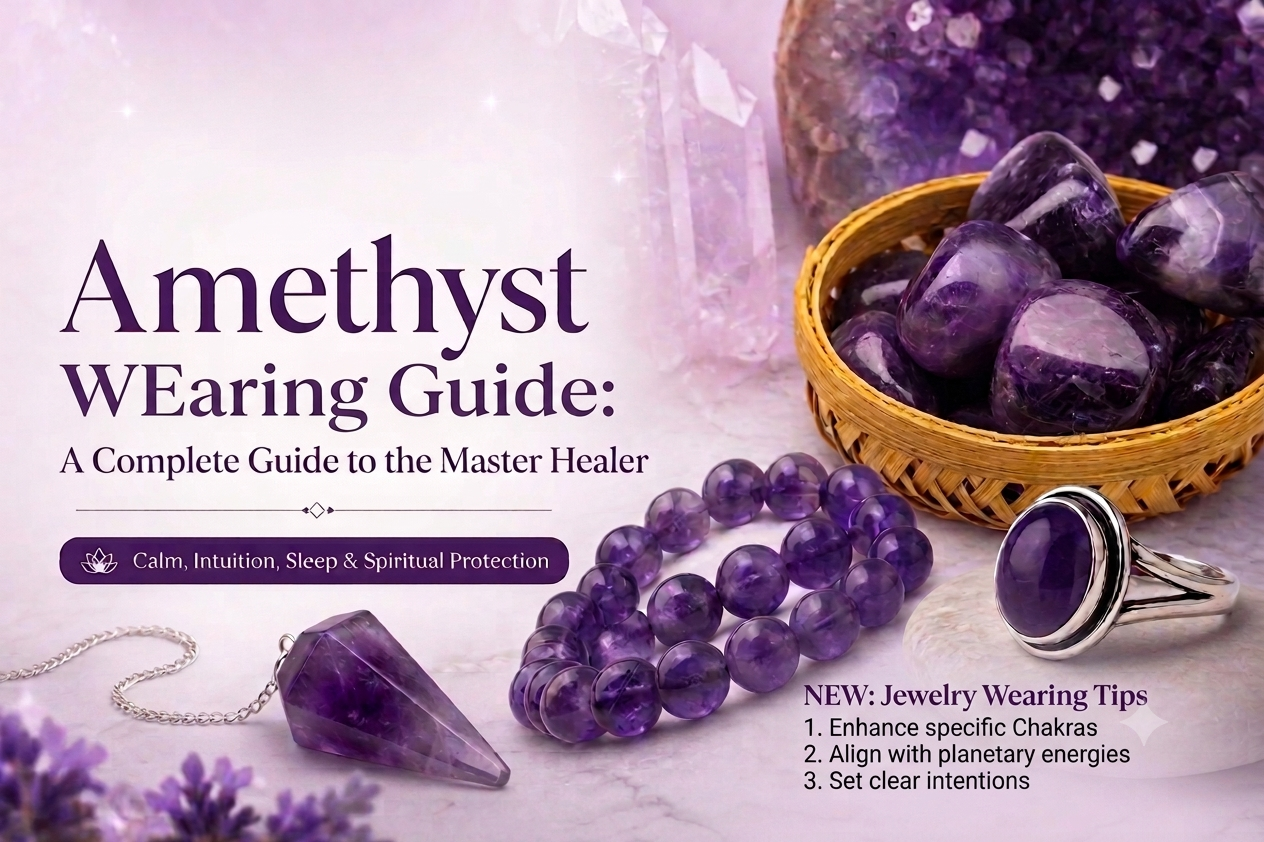
Amethyst is one of the most popular gemstones associated with peace, calmness, spirituality, and emotional balance. Its beautiful purple color has made it a favorite among gemstone lovers and jewelry enthusiasts.
Traditionally, Amethyst is believed to be associated with:
- Calmness and relaxation
- Emotional balance
- Mental clarity
- Positive thinking
- Spiritual awareness
- Protection from negative energy
Many people choose Amethyst jewelry or crystals as part of their meditation and wellness routines.
Learn more about Amethyst Stone and its traditional meaning, properties, and uses.
2. Emerald – The Gemstone of Harmony and Growth
Emerald is a precious green gemstone known for its vibrant color and timeless beauty. In Vedic astrology, Emerald is associated with Mercury, also known as Budh.
Traditionally, Emerald is associated with intellect, communication, wisdom, growth, and harmony. It is often considered a gemstone that supports mental clarity and confidence.
The traditional benefits associated with Emerald include:
- Better concentration
- Mental clarity
- Improved communication
- Confidence
- Intellectual growth
- Emotional harmony
Emerald is commonly worn in rings and pendants and is also highly valued in fine jewelry.
Explore the Emerald Gemstone to learn more about its meaning, benefits, and astrological significance.
3. Pearl – The Gemstone of Peace and Emotional Balance
Pearl, also known as Moti, is traditionally associated with the Moon in Vedic astrology. Its soft white appearance and natural luster have made it a symbol of purity, peace, calmness, and emotional stability.
Pearl is traditionally believed to be associated with:
- Inner peace
- Emotional stability
- Calmness
- Positive thinking
- Mental relaxation
- Confidence
Pearls can be worn as rings, necklaces, pendants, and earrings. In astrology, the suitability of Pearl is generally considered according to an individual's birth chart.
Read more about Pearl Moti and its traditional benefits and significance.
4. Citrine – The Stone of Positivity and Abundance
Citrine is a beautiful yellow-to-golden variety of quartz. Its bright appearance has made it popular among people who associate gemstones with happiness, positivity, confidence, and abundance.
Citrine is traditionally associated with:
- Positive energy
- Optimism
- Motivation
- Confidence
- Creativity
- Prosperity and abundance
Citrine is sometimes called the "Merchant's Stone" because of its traditional association with wealth and success.
Whether worn as jewelry or kept as a decorative crystal, Citrine is often chosen as a symbol of positivity and motivation.
Discover more about Citrine Stone and its traditional benefits, properties, and uses.
5. Ruby – The Gemstone of Vitality and Confidence
Ruby, also known as Manik, is a precious red gemstone belonging to the corundum mineral family. In Vedic astrology, Ruby is traditionally associated with the Sun.
Its vibrant red color is commonly connected with strength, courage, confidence, leadership, and vitality.
Ruby is traditionally associated with:
- Confidence
- Courage
- Leadership
- Motivation
- Self-expression
- Positive energy
Ruby is often worn in rings and pendants and is considered one of the most important gemstones in Vedic astrology.
Learn more about Ruby Stone and its traditional meaning, benefits, and astrological importance.
6. Blue Sapphire – The Gemstone of Focus and Discipline
Blue Sapphire, commonly known as Neelam, is one of the most famous gemstones in Vedic astrology. It is traditionally associated with Saturn or Shani.
Known for its deep blue color, Blue Sapphire is traditionally connected with discipline, focus, responsibility, determination, and transformation.
Traditional associations of Blue Sapphire include:
- Focus and concentration
- Discipline
- Determination
- Responsibility
- Protection
- Personal growth
Blue Sapphire is considered a powerful astrological gemstone, so traditional practitioners generally recommend checking its suitability before wearing it.
Read our guide to Blue Sapphire Neelam to learn more about its traditional benefits and wearing practices.
7. Peridot – The Gemstone of Renewal and Positive Energy
Peridot is a beautiful green gemstone traditionally associated with positivity, renewal, growth, and emotional balance. Its fresh green color makes it a popular choice for jewelry and gemstone collections.
Peridot is traditionally associated with:
- Positive energy
- Emotional balance
- Confidence
- Personal growth
- Renewal
- Protection from negative influences
Many people appreciate Peridot not only for its traditional symbolism but also for its attractive green color and natural brilliance.
Explore Peridot Stone to learn more about its meaning, benefits, properties, and traditional uses.
Comparison of 7 Gemstones Associated With Health and Positive Energy
GemstoneTraditional AssociationCommonly Associated WithAmethystCalmness and spiritualityPeace, relaxation, emotional balanceEmeraldMercury and intellectClarity, communication, growthPearlMoon and emotionsCalmness, peace, emotional stabilityCitrinePositivity and abundanceConfidence, motivation, prosperityRubySun and vitalityCourage, leadership, confidenceBlue SapphireSaturn and disciplineFocus, determination, transformationPeridotRenewal and positivityGrowth, confidence, emotional balance
How to Choose the Right Gemstone?
Choosing a gemstone depends on your purpose. If you are interested in gemstones for spiritual wellness or positive energy, you can select one based on its traditional symbolism and the qualities you want to encourage in your daily life.
For astrological purposes, however, gemstone selection is traditionally based on an individual's birth chart. Factors such as the date of birth, time of birth, place of birth, planetary positions, ascendant, and planetary strength may be considered.
Therefore, it is not advisable to choose an astrological gemstone simply because it is commonly associated with a particular health or wellness benefit.
How to Wear Gemstones?
Gemstones can be worn in different forms, including rings, pendants, bracelets, and other types of jewelry. The choice usually depends on personal preference and the purpose for which the gemstone is being worn.
In traditional Vedic astrology, specific recommendations may be given regarding:
- Gemstone selection
- Carat weight
- Metal
- Finger
- Day and time of wearing
- Cleansing or energizing rituals
These recommendations can differ from one gemstone to another.
If you are wearing a gemstone for astrological purposes, it is best to understand its traditional significance and suitability before making a choice.
Can Gemstones Cure Health Problems?
Gemstones have been associated with healing and wellness in various cultural and spiritual traditions for centuries. However, there is no reliable scientific evidence that wearing a gemstone can diagnose, prevent, or cure a medical condition.
Gemstones should therefore be considered a complementary spiritual or cultural practice rather than a substitute for medical care.
If you are experiencing a health problem, always consult a qualified healthcare professional and follow appropriate medical advice.
Final Thoughts
Amethyst, Emerald, Pearl, Citrine, Ruby, Blue Sapphire, and Peridot are among the gemstones traditionally associated with health, healing, emotional balance, confidence, and positive energy.
Each gemstone has its own unique appearance, symbolism, and astrological significance. Whether you are attracted to Amethyst for its calming symbolism, Citrine for its association with positivity, Ruby for confidence, or Peridot for renewal, learning about the gemstone before wearing it can help you make a more informed choice.
For those interested in Vedic astrology, gemstone selection should ideally be based on astrological suitability rather than general claims about health benefits.
Explore GemRishi to discover more about gemstones, their traditional benefits, astrological significance, properties, and wearing guidelines.
Frequently Asked Questions
1. Which gemstone is traditionally associated with positive energy?
Citrine, Amethyst, and Peridot are commonly associated with positivity and positive energy in various gemstone and spiritual traditions.
2. Which gemstone is associated with calmness?
Amethyst and Pearl are traditionally associated with calmness, peace, and emotional balance.
3. Which gemstone is associated with confidence?
Ruby is traditionally associated with confidence, courage, leadership, and vitality.
4. Which gemstone is associated with mental clarity?
Emerald is traditionally associated with intellect, communication, concentration, and mental clarity.
5. Is Blue Sapphire good for everyone?
In Vedic astrology, Blue Sapphire is traditionally considered a powerful gemstone and is not generally recommended solely on the basis of its popularity. Its suitability is traditionally assessed according to an individual's birth chart.
6. Can gemstones replace medical treatment?
No. Gemstones should not be used as a replacement for professional medical advice, diagnosis, or treatment. Their healing associations are based primarily on traditional, cultural, and spiritual beliefs.
7. How should I choose a gemstone?
You can choose a gemstone based on its traditional symbolism, personal preference, jewelry style, or astrological significance. If you are choosing one for Vedic astrology, traditional practices recommend considering your birth chart before wearing it.
Have Questions Regarding This Gemstone?
Connect 1-on-1 with GemRishi’s certified Vedic gemologists on WhatsApp for personalized birth chart recommendations, lab certificate verification, or custom jewelry quotes.
Gemrishi
Gemrishi is a certified gemologist and Vedic astrology scholar at GemRishi with over 15 years experience in natural gemstone origin authentication.