Royal Rubies: The Legendary Red Gemstones Behind the World's Most Iconic Jewels
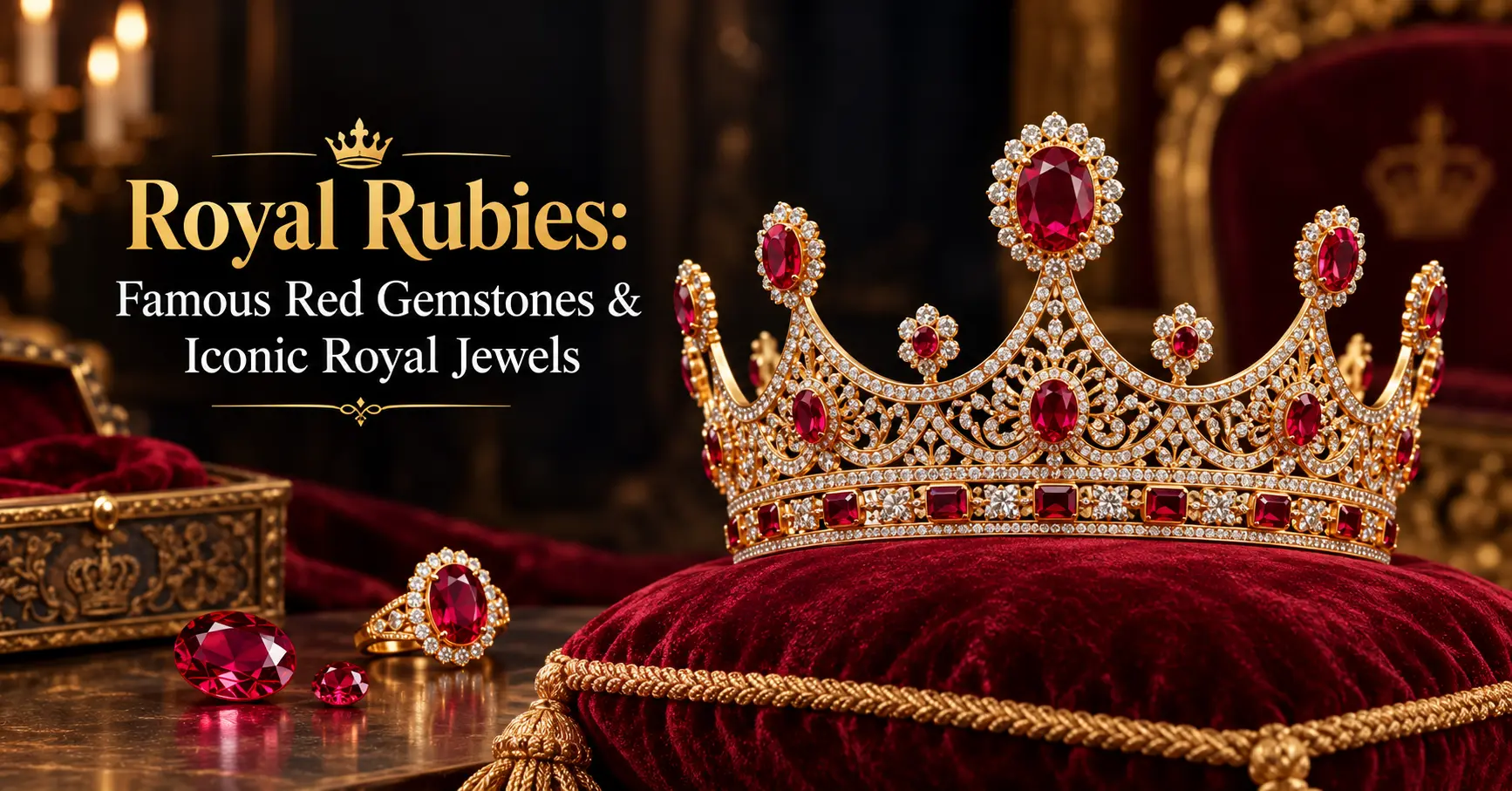
Introduction: The Red Gemstones That Captured Royal Attention
Few gemstones make a statement quite like a fine ruby. Its rich red colour can bring warmth, character and a sense of grandeur to a piece of jewellery, whether it appears in an elaborate royal crown, a historic necklace or a carefully designed ring. For centuries, red gemstones have attracted rulers, collectors and jewellery lovers, becoming part of stories about wealth, power, heritage and personal expression.
Rubies hold a particularly distinguished place in this history. Their association with royalty comes from their rarity, durability and striking colour, as well as the traditions that developed around them. Some famous royal jewels, however, contain red spinels rather than rubies, a distinction that became clear as gemological identification improved.
Understanding these remarkable stones means looking beyond their appearance. The stories behind them reveal how gemstones travelled between kingdoms, changed hands across generations and became enduring symbols of royal history.
1. Why Rubies Have Always Been Associated With Royalty
Ruby belongs to the corundum mineral family, which also includes sapphire. Its red colour comes primarily from chromium present in the mineral's structure. Depending on the stone, the colour can range from pinkish red to a deep, saturated red.
History says that fine rubies were highly prized possessions. Their strong colour made them visually distinctive, while the rarity of exceptional-quality stones increased their appeal among wealthy patrons and royal collectors. In several cultures, red gemstones were also associated with courage, vitality, authority and protection.
Ruby's durability helped strengthen its place in jewellery. With a hardness of 9 on the Mohs scale, it is suitable for many jewellery designs, including rings worn regularly, provided the stone is properly set and cared for.
The combination of colour, durability and scarcity explains why rubies have remained important in high-end jewellery. Their royal reputation is not simply a modern marketing idea; it reflects a long history of admiration for exceptional red gemstones.
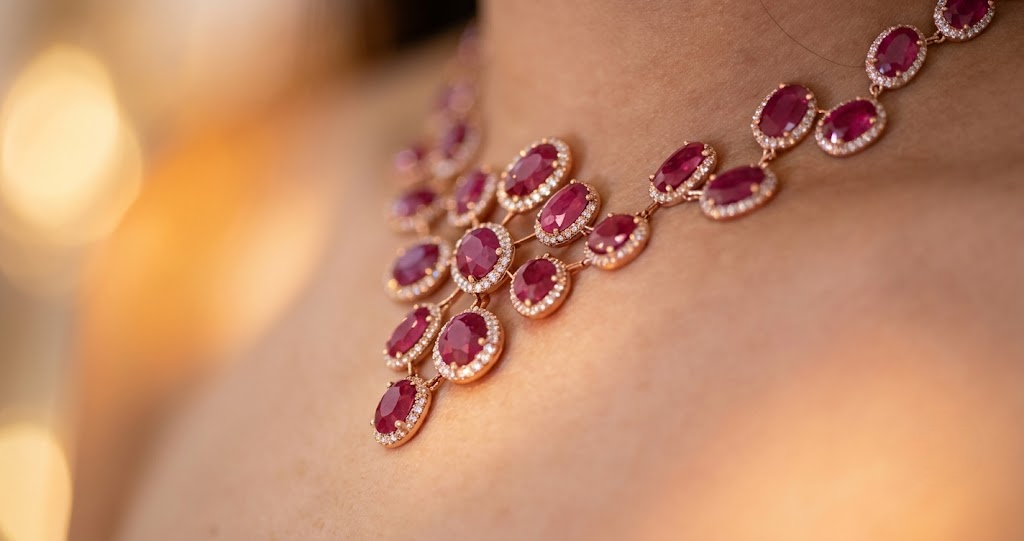
2. The Black Prince's Ruby: A Famous Gem in the British Crown Jewels
One of the best-known red gemstones in royal history is the Black Prince's Ruby, set in the Imperial State Crown of the United Kingdom.
Despite its celebrated name, this gemstone is not a ruby. It is a large red spinel, an entirely different mineral. Historical accounts associate the stone with Pedro of Castile, who is said to have given it to Edward of Woodstock, the Black Prince, in 1367. It subsequently became part of the English royal collection.
The stone is mounted on the front of the Imperial State Crown, above the Cullinan II diamond. Its irregular shape and prominent position make it one of the crown's most recognisable features.
The Black Prince's Ruby illustrates an important detail about historic royal jewellery: before modern gemological methods became available, red spinel was frequently mistaken for ruby. The distinction does not diminish the stone's historical significance. Instead, it adds another layer to its remarkable story.
3. The Timur Ruby: A Gemstone That Passed Through Empires
Another celebrated example is the Timur Ruby, a large polished red spinel now held in the British Royal Collection.
Weighing approximately 352.5 carats, the stone is named after Timur, the Central Asian ruler also known as Tamerlane. Its documented history includes associations with Mughal rulers, including Jahangir and Shah Jahan, before it passed through other royal collections.
The stone carries inscriptions naming several of its former owners, making it particularly interesting to historians. These inscriptions provide a tangible connection to the rulers and dynasties through which the gemstone travelled.
Like the Black Prince's Ruby, the Timur Ruby was long regarded as a ruby before its identity as spinel was established in the nineteenth century.
Together, these two famous stones demonstrate how the history of red royal gemstones is broader than the history of ruby alone. Their stories also show why accurate gemstone identification matters when examining historic jewellery.
4. Burmese Rubies: The Stones Behind a Legendary Reputation
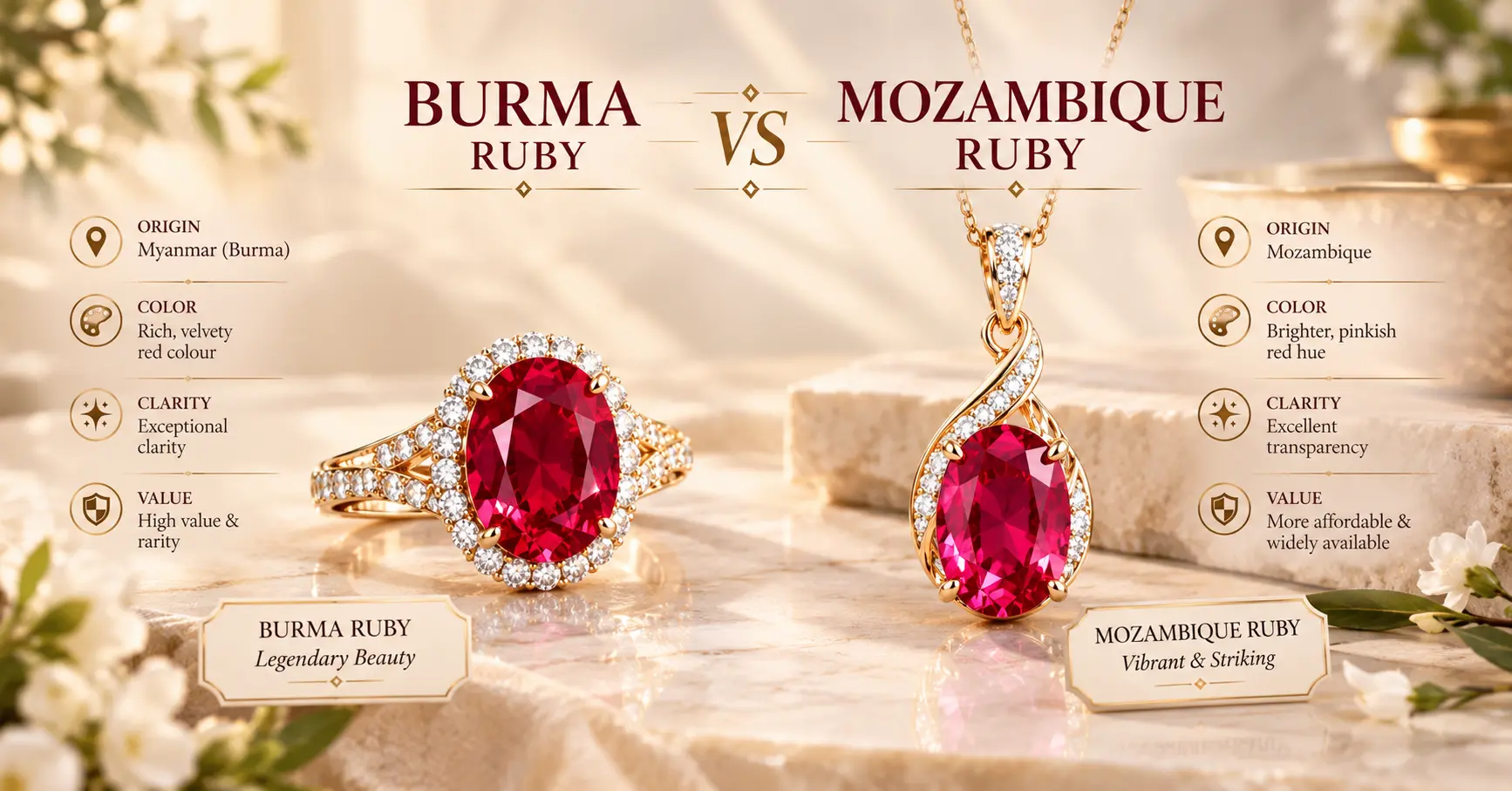
When discussing fine rubies, Myanmar, historically known as Burma, deserves particular attention. The Mogok region has been famous for producing rubies prized for their colour and quality.
Some rubies from this region display a vivid, saturated red appearance. The expression pigeon's blood is often used in the gemstone trade to describe a highly desirable red colour, although its precise application can vary among sellers and laboratories.
Burmese rubies became especially sought after among collectors and luxury jewellery houses because exceptional examples can combine attractive colour, good transparency and strong visual presence.
Origin alone, however, does not determine quality or value. Two rubies from the same region can differ considerably in colour, inclusions, treatment and overall appearance. A stone's origin should therefore be considered alongside its individual characteristics and any reliable gemological report.
For readers interested in how ruby origin affects gemstone selection, GemRishi's Ruby collection is a useful starting point for exploring available ruby gemstones.

5. Mozambique Rubies: A Modern Chapter in Ruby History
Myanmar is not the only important source of ruby. Mozambique has become a major source of commercially significant rubies, particularly following the development of deposits in the country's northern region.
Mozambican rubies can display rich red colours and are found in a wide range of qualities and sizes. Some fine examples are highly sought after by jewellery manufacturers and collectors.
The growing importance of Mozambique has broadened the market for natural rubies. Buyers can now encounter stones from different origins, each with its own geological background and range of characteristics.
It is worth remembering that a ruby from one country is not automatically superior to a ruby from another. Colour, clarity, carat weight, cut and treatment all influence a stone's desirability. Origin is one part of the assessment rather than a guarantee of quality.
Anyone comparing rubies should look beyond a country name or an attractive trade description and examine the actual gemstone.
6. How Rubies Become the Centrepiece of Iconic Jewellery
The appeal of a ruby depends partly on how it is incorporated into a design. In royal jewellery, a large red gemstone can serve as the focal point of a crown, pendant or ceremonial ornament. Smaller rubies may be arranged around diamonds or other coloured gemstones to create contrast and visual balance.
Ruby also works beautifully in contemporary jewellery. A simple gold setting can allow its colour to take centre stage, while a diamond halo can emphasise the red centre stone. Vintage-inspired designs often use elaborate metalwork to give ruby jewellery a sense of heritage.
For those who prefer a more understated look, a single ruby in a pendant or ring can offer colour without requiring an elaborate design.
The same gemstone can therefore communicate different styles depending on its cut, size, setting and surrounding materials. Royal jewellery may emphasise ceremony and historical importance, while modern pieces often focus on personal taste and everyday versatility.
Explore GemRishi's jewellery collection for examples of gemstone jewellery styles, including ruby rings.
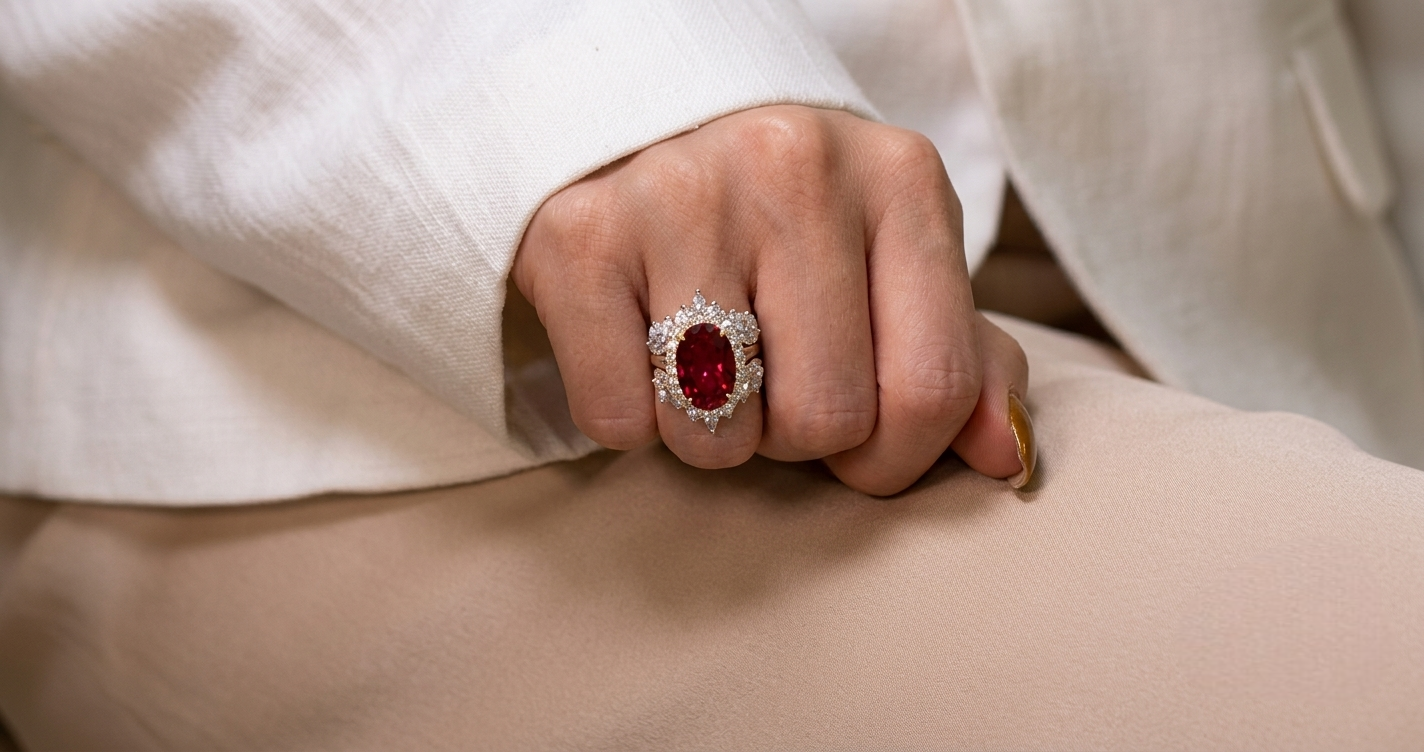
What Makes a Ruby Valuable?
The value of a ruby depends on several factors, and its colour is often one of the most important.
Colour: Fine rubies with vivid, attractive red colour are generally more desirable. Excessively dark or uneven colour may affect a stone's appeal.
Clarity: Natural rubies commonly contain inclusions. Their size, position and visibility influence the gemstone's transparency and appearance.
Cut: A well-executed cut helps display the ruby's colour and can improve its overall visual balance.
Carat weight: Large rubies of fine quality are rare, so exceptional stones can command significantly higher prices.
Origin and treatment: Geographic origin can influence market desirability. Heat treatment is also common in ruby enhancement, while other treatments may have different effects on value. Buyers should understand what treatments a stone has received and request appropriate disclosure.
Certification and independent gemological assessment can help buyers understand a ruby's identity and reported characteristics. A certificate should be reviewed carefully, particularly when a gemstone is being sold as untreated or from a specific origin.
For a broader understanding of gemstone quality, see GemRishi's gemstone buying guide.
8. Ruby in Indian Tradition: Manik and the Sun
Ruby is known as Manik or Manikya in India and has a significant place in traditional Vedic astrology. It is associated with Surya, the Sun, which is traditionally linked with authority, leadership, vitality and self-confidence.
These associations have contributed to ruby's popularity among people who value gemstones for both their appearance and their cultural or astrological meaning.
Traditional astrological practices may recommend ruby according to an individual's birth chart. Such recommendations belong to a belief system and should not be confused with scientifically established effects.
For jewellery buyers, ruby can be appreciated simply for its colour, durability and beauty. For those interested in its traditional significance, it is helpful to understand the difference between selecting a gemstone for personal style and choosing one according to astrological guidance.
GemRishi's Ruby Stone (Manik) Meaning and Wearing Guide offers further information about ruby's traditional associations and wearing customs.
9. How to Choose a Ruby Inspired by Royal Jewellery
A royal-inspired ruby does not need to be enormous or set in an elaborate crown-style design. The most important consideration is choosing a stone and setting that suit your preferences, budget and intended use.
Begin with the colour you find most appealing. Some buyers prefer a vivid red, while others like a slightly deeper or pinkish-red appearance. Examine the gemstone under suitable lighting and consider how it looks from different angles.
Next, review its cut, visible inclusions, carat weight and treatment information. If the ruby is intended for a ring, the setting should protect the stone while allowing its colour to remain visible. Gold settings, diamond accents and vintage-inspired designs can all complement ruby, depending on the overall look you want.
Finally, buy from a seller who provides clear product details, transparent treatment disclosures and appropriate certification information. These details are more useful than relying solely on descriptions such as royal ruby or rare red gemstone.
You can begin exploring options through GemRishi's ruby gemstone collection and compare individual stones according to their available specifications.
Conclusion: A Red Gemstone With a Lasting Legacy
Rubies continue to hold a special place in jewellery because their appeal combines natural beauty with a remarkable cultural history. From the celebrated ruby tradition of Myanmar to the modern importance of Mozambique, the story of this gemstone reflects centuries of admiration for exceptional red colour.
The Black Prince's Ruby and Timur Ruby add an intriguing dimension to that story. Although both are spinels rather than rubies, their place in royal collections demonstrates how red gemstones have captivated rulers across generations.
Today, ruby remains equally at home in traditional jewellery, contemporary designs and personal collections. Its value lies not only in its association with royalty, but also in the individuality of each stone.
For anyone drawn to the enduring appeal of red gemstones, a ruby offers an opportunity to appreciate colour, craftsmanship and history in a single piece of jewellery.
FAQs About Royal Rubies and Iconic Jewels
1. What are royal rubies?
Royal rubies are gemstones associated with royal jewellery, historic collections, and luxury ornaments.
2. Why have rubies been popular among royalty?
Their rich red colour, rarity, durability, and traditional symbolism have made them highly desirable.
3. What is the most famous ruby in the world?
The Black Prince's Ruby is one of the most famous, although it is actually a red spinel.
4. Is the Black Prince's Ruby a real ruby? No, it is a red spinel set in the United Kingdom's Imperial State Crown.
5. What is the Timur Ruby?
The Timur Ruby is a 352.5-carat red spinel known for its connections to historical rulers and Mughal royalty.
6. Where do the finest rubies come from?
Myanmar and Mozambique are important sources of high-quality natural rubies.
7. What is a pigeon's blood ruby?
It is a trade term describing a highly desirable, vivid red ruby colour.
8. What makes a ruby valuable?
Colour, clarity, cut, carat weight, origin, and treatment influence a ruby's value.
9. Are Burmese rubies better than Mozambican rubies?
Not always. Quality depends on each stone's individual characteristics and treatment.
10. How can you identify a natural ruby?
Gemological testing can help distinguish natural rubies from synthetic stones and identify treatments.
11. Are rubies treated to improve their appearance?
Yes, heat treatment is common, and treatments should be disclosed to buyers.
12. Which metal looks best with ruby jewellery?
Yellow gold, white gold, platinum, and rose gold can all complement rubies beautifully.
13. What does ruby symbolize in Indian tradition?
In Vedic astrology, ruby is associated with Surya, the Sun, and symbolically represents leadership and confidence.
14. Is ruby suitable for everyday jewellery?
Yes, ruby has a hardness of 9 on the Mohs scale, though proper care is still important.
15. How should ruby jewellery be cleaned?
Use lukewarm water, mild soap, and a soft brush when suitable for the gemstone and its treatment.
16. Where can I buy ruby gemstones online?
Explore the GemRishi Ruby Collection and review product details, certification, and treatment disclosures before purchasing.
Have Questions Regarding This Gemstone?
Connect 1-on-1 with GemRishi’s certified Vedic gemologists on WhatsApp for personalized birth chart recommendations, lab certificate verification, or custom jewelry quotes.
Gemrishi
Gemrishi is a certified gemologist and Vedic astrology scholar at GemRishi with over 15 years experience in natural gemstone origin authentication.