Diwali 2026 & Lakshmi Puja: Best Gemstones for Wealth, Prosperity & Good Fortune
Diwali is a celebration of light, devotion, family, and new beginnings. Homes welcome the glow of diyas and families prepare for Lakshmi Puja, many people also explore meaningful gifts and traditional purchases that reflect their hopes for the year ahead. Among these choices, gemstones hold a special place in Indian jewellery and Vedic astrological traditions.
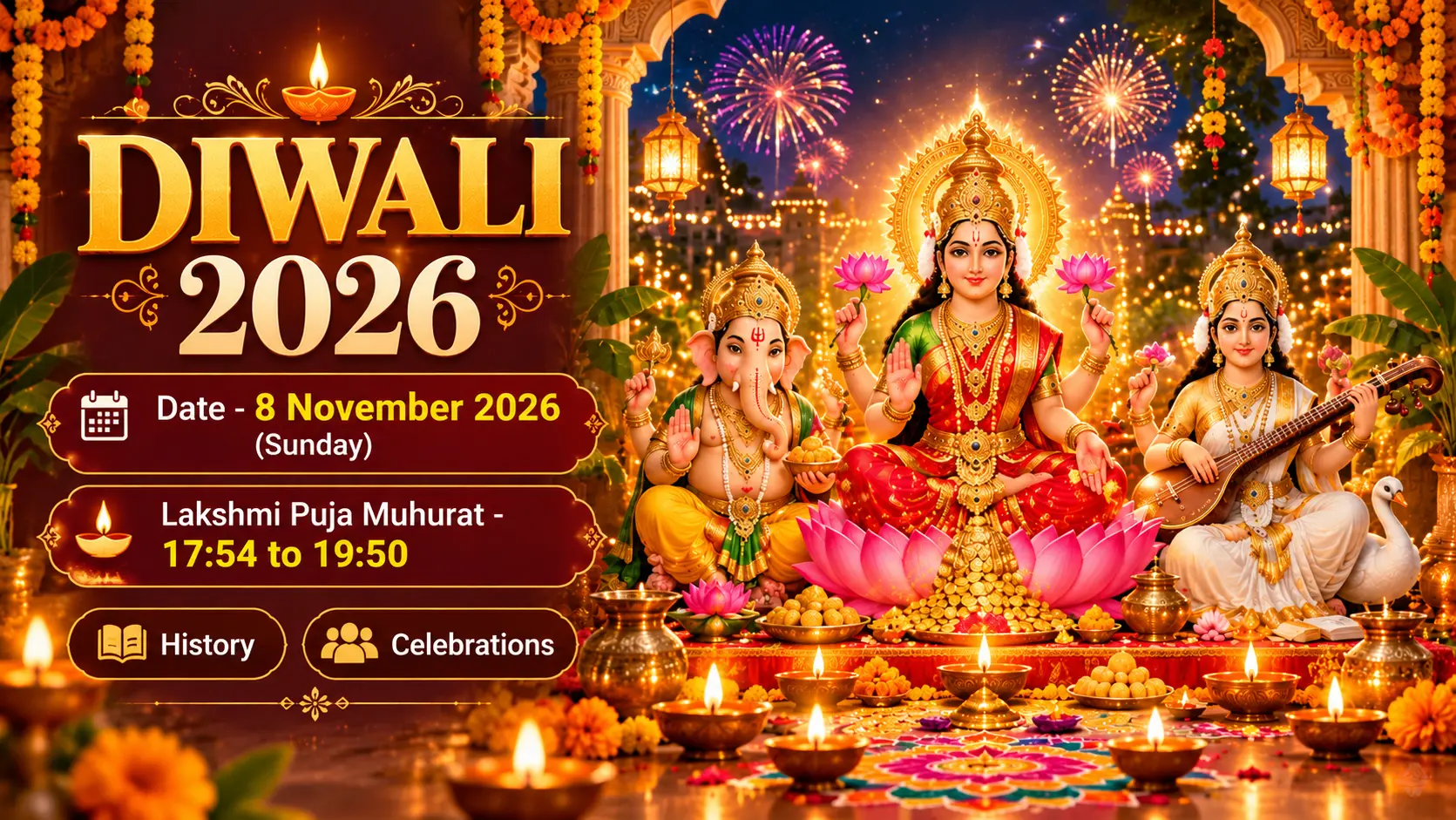
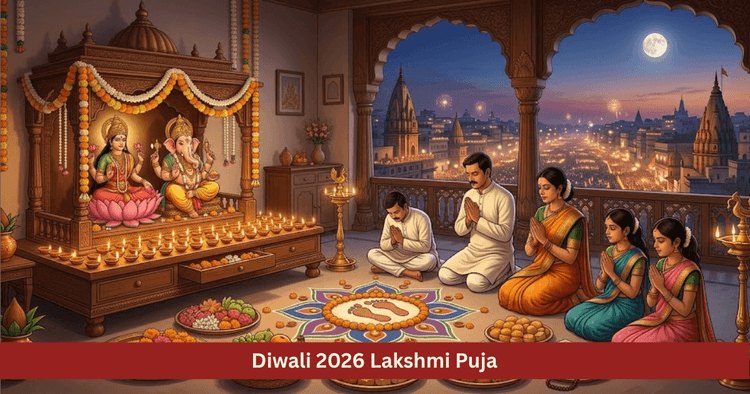
Diwali in 2026 falls on Sunday, November 8. For devotees, Lakshmi Puja is an opportunity to worship Goddess Lakshmi, traditionally associated with wealth and abundance, and Lord Ganesha, associated with wisdom and the removal of obstacles. Gemstones can complement this festive spirit through their beauty, cultural symbolism, and personal significance.
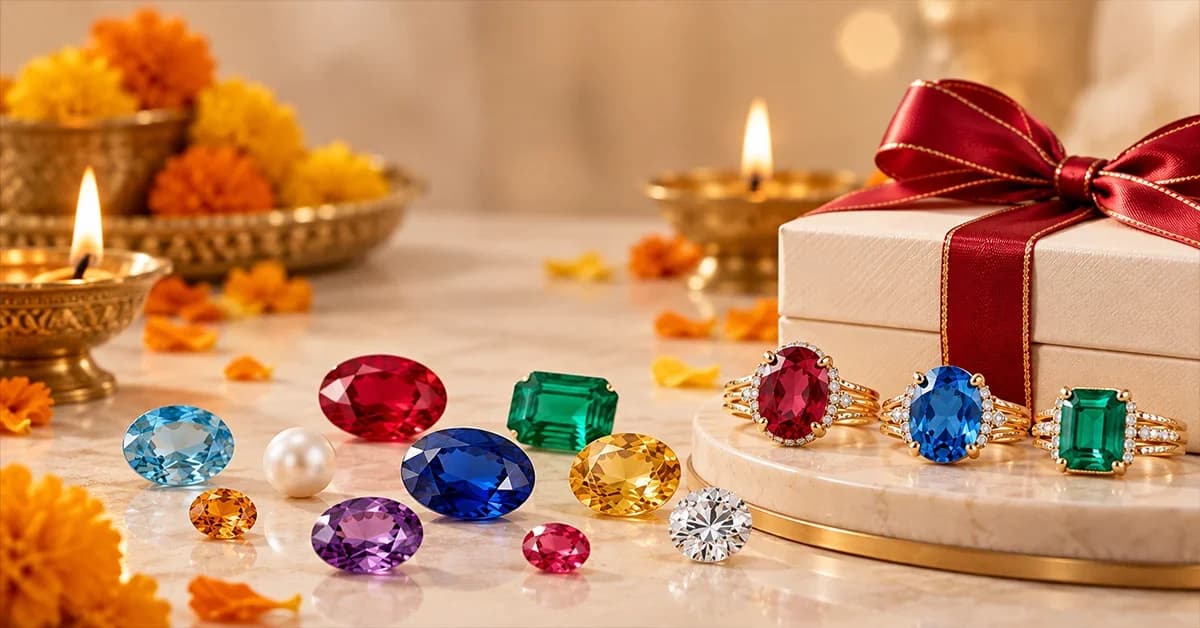
From Ruby and Emerald to Yellow Sapphire and Pearl, each gemstone offers a distinct colour, character, and traditional association. Understanding these differences can help you choose a meaningful Diwali gift or jewellery piece without confusing spiritual beliefs with guaranteed financial outcomes.
In this guide we are going to give a description about this amazing topic that you should know .
Diwali 2026 and Lakshmi Puja: Why Gemstones Matter
Diwali symbolizes hope, rebirth, and the triumph of light over darkness.In Hindu families this festival is celebrated for the Lakshmi Puja ritual which signifies thanksgiving, prosperity, and a new beginning.
People purchase jewelry or valuables during the period of festivities is another practice in some Indian communities. Apart from gold jewelry, gems provide other options to make purchases according to one's liking, fashioning them colorful and culturally significant.
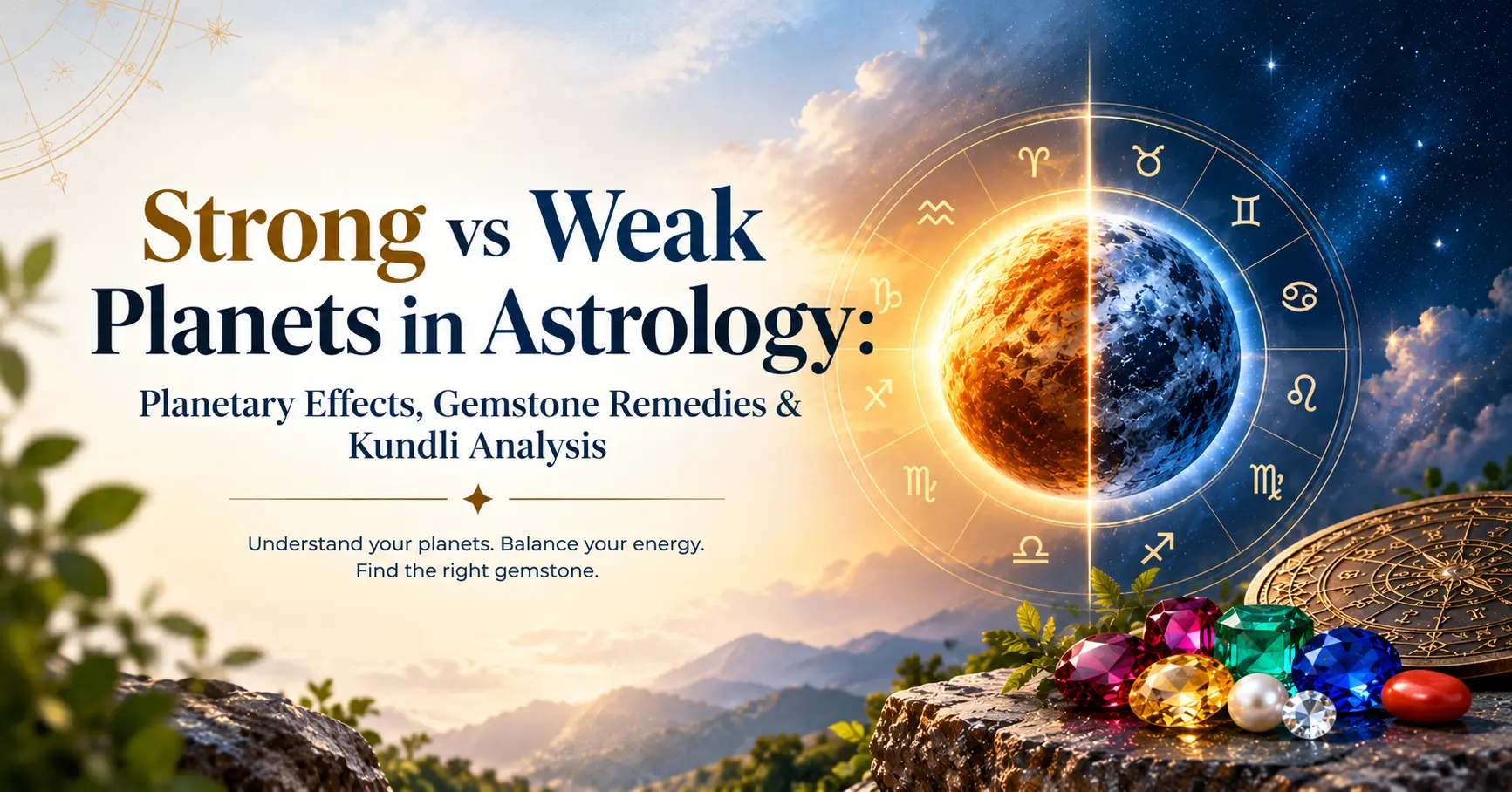
According to Vedic astrology, specific gemstones are traditionally assigned to the Navagraha – the nine planetary influences. The Sun is assigned ruby; Mercury – emerald; Jupiter – yellow sapphire; and Saturn – blue sapphire.
These associations come from astrological practices and are not scientifically proven in terms of attracting wealth and fortune from wearing gems. Therefore, the best choice should be made based on one's tastes, budget, and usage purpose.
1. Yellow Sapphire (Pukhraj): A Traditional Symbol of Wisdom and Prosperity
Yellow Sapphire(Pukhraj), is one of the most recognisable gemstones in Vedic astrology. Its golden-yellow colour makes it a natural choice for people who appreciate warm, traditional jewellery.
In Vedic astrological beliefs, Yellow Sapphire is associated with Jupiter, or Guru, which is traditionally connected with wisdom, knowledge, growth, and prosperity. Due to this reason, it is frequently considered by people who follow planetary gemstone practices.
From a jewellery perspective, Yellow Sapphire can look elegant in gold rings, pendants, and statement pieces. Its appearance ranges from pale yellow to richer golden shades, depending on the individual stone.
Explore the GemRishi Yellow Sapphire collection to learn more about Pukhraj.
2. Ruby (Manik): A Bold Gemstone for Festive Jewellery
The main characteristic of Ruby is that it has red color ranging from pink red to rich red color. It is the beautiful appearance of this precious stone that has made it a preferred gemstone for wearing in festive rings, pendants and jewellery items.
The Vedic astrology links Ruby with Sun and it symbolizes life, confidence, leadership, power, etc. Those who believe in astrology may use this information while choosing their gemstones.
Ruby can enhance the festive outfits. The red colored gemstone will match with maroon, cream, gold, ivory outfits and will give you a matching outfit for family get-togethers and night events.
Some of the important factors to keep in mind while choosing the rubies include color dispersion, clarity, inclusions, cut and treatments of the gemstones. Some rubies have been treated with heating while some have been enhanced further.
Explore GemRishi Ruby collection for available options.
3. Emerald (Panna): A Distinctive Green Gemstone
Panna, commonly known as Emerald, is valued for its green color and inclusions found naturally in it. The freshness of its color allows the use of it in both classic jewelry and contemporary ones.
According to Vedic astrology, Emerald belongs to the planet Mercury, also known as Budh, which symbolizes communication, wisdom, education, and critical thinking. For those who believe in these practices, it can be considered while choosing astrological gemstones.
While purchasing Diwali jewelry, Emerald should be worn with cream, pink, gold, and dark green attires. It also forms an ideal gift for a person who loves colorful stones.
It should be noted that natural Emerald is characterized by inclusions, and it usually requires some sort of enhancement of its clarity. Natural Emerald does not necessarily mean untreated and flawless one.
For more guidance, read GemRishi's guide to identifying an original Panna (Emerald).
4. Blue Sapphire (Neelam): A Gemstone with a Powerful Traditional Identity
Blue Sapphire or Neelam is known for its blue colors and connection with the planet Saturn known as Shani in Vedic astrology. According to the traditional beliefs, Saturn is connected to discipline, responsibility, perseverance, and karma. This is the main reason Blue Sapphire is admired a lot.
Since the Blue Sapphire is usually talked about in the context of astrology, it should be noted that one should not choose the gemstone just because it is known to be lucky or powerful. The traditional guidelines may depend on someone's horoscope.
The Blue Sapphire is known to be a hard gemstone that can be used for various jewelry pieces. The gemstone is characterized by its deep blue color and can be combined with silver, white gold, or yellow gold settings.
When shopping for the Blue Sapphire, one should pay attention to such parameters as the type of the gemstone, its color, clarity, weight, and treatment.
Discover the GemRishi Blue Sapphire collection to explore this gemstone.
5. Pearl (Moti): Understated Elegance for the Festive Season
Pearl gives you an option that is soft compared to bright-colored gemstones. The lustrous and subtle nature of the Pearl makes it ideal for use in pendants, earrings, necklaces, and even in traditional jewelry pieces.
The Pearl is linked with the Moon and signifies peace, stability, and sensitivity. These meanings are part of the astrological beliefs and not scientific effects.
Pearls come in different categories depending on whether they are cultured or natural. Cultured pearls are formed with the help of man whereas natural pearls are not intentionally seeded by man. However, they both qualify as true pearls but might differ in rarity, characteristics, and value.
When buying Pearls, it is wise to know whether the pearl is natural or cultured, inspect the luster and surface, and also ask if there have been any treatments done. Pearl care is very important since pearls are soft compared to other gemstones and they need proper care.
If you wish to give Pearl as a gift on Diwali, then Pearl is the ideal choice for someone who appreciates subtle and classic jewelry.
6. Red Coral (Moonga): A Traditional Choice with a Distinctive Colour
Red Coral stands apart from mineral gemstones because gem-quality coral is an organic material. Its warm red to reddish-orange appearance can bring character to rings, pendants, and traditional jewellery.
In Vedic astrology, Red Coral is associated with Mars, or Mangal, traditionally connected with courage, initiative, and energy. People who follow astrological practices may explore its symbolism when selecting a gemstone.
Its organic nature makes careful buying particularly important. Ask about the material's identity, any colour enhancement or other treatment, and the seller's documentation. Avoid assuming that every red stone sold as coral is genuine coral.
Red Coral may suit someone who enjoys traditional jewellery with a strong colour and cultural association.
Explore the GemRishi gemstone collection to discover more gemstone varieties.
How to Choose the Right Gemstone for Diwali 2026
Choosing a gemstone becomes easier when you begin with the purpose of your purchase. A gemstone selected for its appearance, a festive gift, or traditional astrological use may require different considerations.
For jewellery and gifting: Start with the recipient's favourite colours, preferred jewellery style, and budget. Consider how often the piece will be worn and whether the gemstone is suitable for that use.
For traditional astrological purposes: Some buyers consult a knowledgeable astrologer before choosing a planetary gemstone. Such guidance reflects a traditional belief system and should not replace practical purchasing checks.
For authenticity: Ask whether the stone is natural, laboratory-grown, or an imitation. Find out whether it has been heated, filled, dyed, or otherwise treated, as applicable.
For value: Compare similar gemstones by colour, clarity, cut, carat weight, treatment, and documentation. A higher price or a claim of rarity does not independently prove superior quality.
GemRishi's complete gemstone buying guide provides further guidance on choosing a gemstone.
Common Mistakes to Avoid When Buying Gemstones During Diwali
Festive shopping can be exciting, but a little preparation helps you make more confident decisions.
- Buying only because a gemstone is called lucky: Traditional symbolism may be meaningful, but the stone should still suit your needs and budget.
- Assuming natural means untreated: Natural gemstones can undergo heat treatment or other enhancements. Ask for disclosure.
- Relying on appearance alone: Glass and other materials can imitate gemstones. Visual inspection cannot reliably establish natural origin.
- Ignoring documentation: For a valuable purchase, request an appropriate independent gemological report and check that it matches the stone.
- Choosing the wrong stone for your budget: Compare the actual quality and disclosed characteristics instead of judging value by carat weight alone.
If you are comparing natural and laboratory-grown stones, read GemRishi's guide to natural vs. lab-grown gemstones.
Make Your Diwali Gift More Personal
A gemstone gift does not need to be selected around a promise of wealth or luck to feel meaningful. It can reflect a loved one's favourite colour, personal style, birthstone, or appreciation for traditional jewellery.
Ruby may appeal to someone who loves red, Emerald to someone drawn to green, and Pearl to someone who prefers understated elegance. Yellow Sapphire and Blue Sapphire offer other distinctive choices for people who appreciate their colour or traditional associations.
For more inspiration, explore GemRishi's custom gemstone jewellery guide for Diwali and Diwali jewellery trends for 2026.
Conclusion: Celebrate Diwali with Meaningful Gemstone Choices
Diwali and Lakshmi Puja bring families together around devotion, gratitude, and hopes for new beginnings. Gemstones can become part of these celebrations through their beauty, traditional symbolism, and role in meaningful gifts.
Yellow Sapphire, Ruby, Emerald, Blue Sapphire, Pearl, and Red Coral each offer distinctive characteristics. The right choice depends on your preferences, intended use, budget, and the quality of the individual gemstone—not on a guarantee of prosperity.
This Diwali 2026, make your purchase thoughtfully. Understand the gemstone, ask about treatments, review available documentation, and choose a piece you will value beyond the festive season.
Explore the GemRishi gemstone collection to discover gemstone varieties and find inspiration for a meaningful Diwali gift.
Frequently Asked Questions
1. When is Diwali 2026?
Diwali falls on Sunday, November 8, 2026. Lakshmi Puja timings vary by city, so check a reliable local Panchang before planning the ritual.
2. Which gemstones are traditionally associated with wealth and prosperity?
In Vedic astrological traditions, Yellow Sapphire is associated with Jupiter, which is linked with wisdom, growth, and prosperity. These are traditional beliefs, not guaranteed financial outcomes.
3. Which gemstone should I buy for Lakshmi Puja?
There is no single gemstone that everyone must buy for Lakshmi Puja. Choose according to your personal preferences, budget, and family traditions.
4. Is Yellow Sapphire considered auspicious for Diwali?
Some people consider Yellow Sapphire auspicious because of its traditional association with Jupiter. Its suitability for astrological use is interpreted differently across traditions.
5. Can I gift Ruby or Emerald during Diwali?
Yes. Ruby and Emerald can make meaningful jewellery gifts. Consider the recipient's style, preferred colour, and budget before purchasing.
6. Is Blue Sapphire suitable for everyone?
Blue Sapphire is not universally recommended for astrological use in traditional Vedic astrology. People who follow these practices often seek individual guidance before choosing it.
7. What is the difference between natural and lab-grown gemstones?
Natural gemstones form through geological processes, while laboratory-grown gemstones are created using controlled techniques. They can share many physical properties but differ in origin and market characteristics.
8. Are treated gems authentic?
A treated gem is genuine and natural since being treated and natural are two different things. Relevant treatments of gemstones must be communicated.
9. How do I confirm whether my gemstone is real?
Visual testing can help evaluate the look of a gemstone, but cannot prove the genuineness or the type of treatment, if any. If buying a gemstone that costs money, make sure you ask for a report issued by a reliable gemological lab.
10. What is the best gemstone for Diwali gift?
There is no best gemstone for gift. Ruby, Emerald, Pearl, Yellow Sapphire, or any other variety can be bought, depending upon your liking and budget.
11. Is it true that I can buy a gemstone only because of its astrological benefits?
No, not really. Apart from astrological benefits, you can get a gemstone for your jewellery collection or for any other reason.
12. Where can I buy gems for Diwali 2026?
Please visit GemRishi gemstones catalogue and check out details regarding each type of gemstone.
Have Questions Regarding This Gemstone?
Connect 1-on-1 with GemRishi’s certified Vedic gemologists on WhatsApp for personalized birth chart recommendations, lab certificate verification, or custom jewelry quotes.
Gemrishi
Gemrishi is a certified gemologist and Vedic astrology scholar at GemRishi with over 15 years experience in natural gemstone origin authentication.