Diwali Jewellery Trends 2026: How to Style Ruby, Emerald, Sapphire & Other Colourful Gemstones
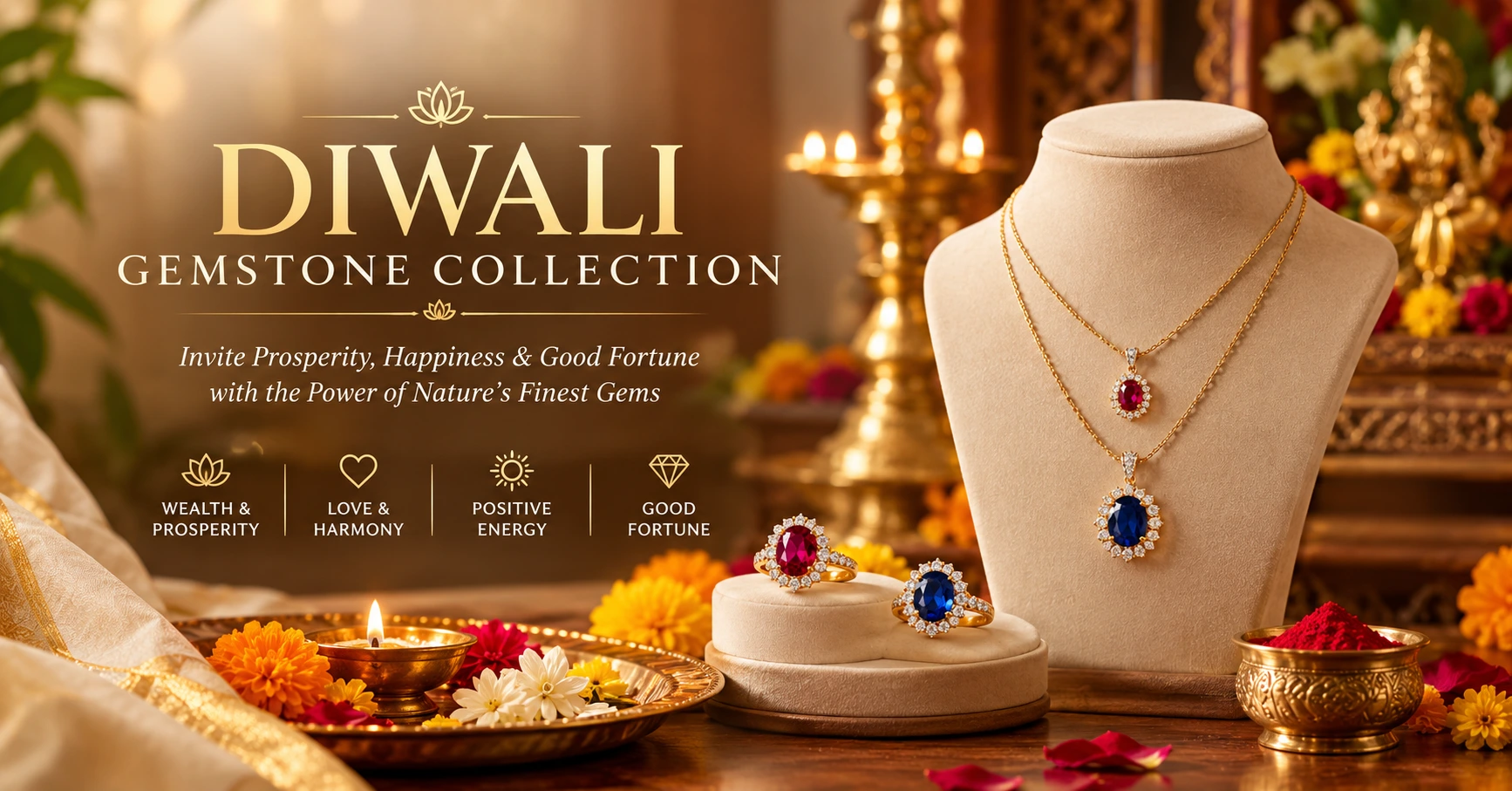
Diwali is a time when homes glow with diyas, families come together, and festive outfits bring colour and tradition into everyday celebrations. More than a festival of lights, Diwali represents the triumph of good over evil and light over darkness. For many Hindu families, it is also a time to worship Goddess Lakshmi and Lord Ganesha, exchange gifts and welcome new beginnings.
In 2026, Diwali falls on 8 November, making it the perfect occasion to plan festive outfits and jewellery that feel special without losing their personal touch. While gold continues to hold an important place in Indian celebrations, colourful gemstones offer another way to express festive style. Ruby brings a rich red accent, Emerald adds refreshing green, and Sapphire introduces depth through shades of blue.
The growing interest in expressive jewellery, statement rings and colourful gemstone designs also gives festive dressing more room for individuality. Rather than matching every accessory perfectly, you can create a memorable look by choosing one gemstone that complements your outfit.
For Diwali 2026, here is how to style Ruby, Emerald, Sapphire and other colourful gemstones for family gatherings, Lakshmi Puja, festive parties and meaningful gifting.
Why Coloured Gemstone Jewellery Belongs in Your Diwali Wardrobe
Diwali outfits often feature rich fabrics, embroidered details, metallic accents and vibrant colours. Gemstone jewellery works naturally with these elements because it introduces colour, texture and visual interest without requiring a heavily embellished outfit.
The appeal is not limited to traditional jewellery. A Ruby ring can complement a contemporary evening outfit just as easily as it can accompany a silk saree. Emerald earrings can bring colour to a simple kurta set, while a Sapphire pendant can add a refined detail to an Indo-Western ensemble.
For 2026, consider expressive pieces that reflect your personal style. Sculptural earrings, statement gemstone rings, delicate pendants and thoughtfully layered jewellery are all options worth exploring. The aim is to create a balanced look rather than wear every striking piece at once.
Explore the GemRishi gemstone collection for inspiration across different gemstone colours and styles.
1. Ruby Jewellery: A Rich Red Accent for Festive Outfits
Ruby, known as Manik in India, is an excellent choice for those who enjoy bold, warm colours. Its red appearance complements traditional festive shades such as maroon, wine, red, ivory and gold.
For a classic Diwali look, pair Ruby earrings with a red or deep maroon saree. If your outfit already includes heavy embroidery, a simple Ruby pendant or ring can add colour without competing with the fabric. For a contemporary celebration, a Ruby cocktail ring can become the main accessory against a neutral or black outfit.
Ruby also has a traditional association with the Sun, or Surya, in Vedic astrology. The Sun is symbolically connected with leadership, confidence and authority in this tradition. These are cultural and astrological interpretations rather than scientifically established effects.
When buying Ruby, pay attention to its colour, transparency, cut and any treatments. Natural rubies can vary considerably in quality and price, so ask about treatment disclosure and certification before making a purchase.
Discover more through the GemRishi Ruby collection.
2. Emerald Jewellery: Bring Fresh Green into Your Diwali Look
Emerald, traditionally known as Panna, offers a rich green colour that works beautifully with both warm and cool festive palettes. It can complement cream, beige, pink, gold, black and many shades of green.
If you are wearing an embroidered lehenga or a traditional silk saree, Emerald earrings can add a polished finish. For a simpler outfit, a green gemstone ring or pendant may be enough to create a distinctive focal point.
One of Emerald's advantages is its versatility. You do not need to wear an entirely green outfit to make the gemstone work. A small green accent can create contrast against neutral fabrics and bring out the details of your overall look.
In Vedic astrology, Emerald is traditionally associated with Mercury, known as Budh, and is symbolically linked with communication, intellect and learning. These associations belong to astrological tradition and should not be treated as guaranteed personal outcomes.
Emeralds commonly contain natural inclusions, so their clarity should be assessed with an understanding of the gemstone's characteristics. Ask the seller about treatments, origin claims where relevant, and the availability of a suitable gemological report.
Browse the GemRishi gemstone collection to explore Emerald and other green gemstone options.
3. Sapphire Jewellery: Elegant Blue for Evening Celebrations
Sapphire is a versatile option for people who prefer cooler colours or a more understated festive appearance. Blue Sapphire can complement navy, silver, ivory, white and certain jewel-toned outfits, creating a look that feels refined rather than overly decorative.
For an evening Diwali gathering, a Sapphire pendant can work well with a simple neckline. Blue gemstone earrings may also complement a navy or silver outfit, while a statement ring can add interest to a plain kurta or contemporary festive suit.
Blue Sapphire is traditionally associated with Saturn, or Shani, in Vedic astrology. However, jewellery styling and astrological selection are two different considerations. You can choose a Sapphire for its appearance without making an astrological claim about its effects.
When buying Sapphire, examine the colour, transparency, cut and treatment disclosure. Natural sapphires may be heat-treated, and treatment can affect how buyers compare stones. A trustworthy seller should explain what is known about the gemstone and provide relevant documentation.
Explore the GemRishi Blue Sapphire collection for more information about this gemstone.
4. Yellow Sapphire: A Golden Touch for Traditional Festive Wear
Yellow Sapphire, also called Pukhraj, offers yellow-to-golden shades that can complement many traditional Indian outfits. Its warm colour works particularly well with cream, mustard, brown, white and gold-toned fabrics.
A Yellow Sapphire ring can be a subtle addition to a festive outfit, while a pendant may suit someone who prefers jewellery that does not overpower an embroidered neckline. Yellow gemstones can also create an attractive contrast against deeper colours such as navy and maroon.
In Vedic astrology, Yellow Sapphire is traditionally associated with Jupiter, or Guru, and symbolises wisdom and knowledge in that tradition. These beliefs should be understood as cultural interpretations, not guarantees of prosperity or success.
Before buying, consider the stone's colour, clarity, cut, treatment status and documentation. Yellow Sapphire is part of the corundum mineral family, as are Ruby and other sapphires.
Visit the GemRishi Yellow Sapphire collection to explore this gemstone.
5. Citrine and Other Colourful Gemstones for a Modern Diwali
Ruby, Emerald and Sapphire are not the only choices for festive jewellery. Citrine, Amethyst, Opal, Turquoise and other coloured gemstones offer different shades and appearances for people who want something distinctive.
Citrine's yellow-to-orange tones can complement mustard, beige, cream and earthy festive outfits. Amethyst introduces purple, which can look striking against lavender, pink, silver or darker fabrics. Opal offers a different kind of visual interest through its characteristic play of colour, while Turquoise provides a noticeable blue-green accent.
These gemstones can work particularly well in contemporary jewellery, including pendants, small earrings, rings and mixed-colour designs. You can also choose a gemstone based on a person's favourite colour when shopping for a Diwali gift.
If you are interested in symbolic meanings, remember that associations differ across cultures and traditions. A gemstone's colour or popularity does not establish that it will bring a particular result.
For more options, explore the GemRishi gemstone collection, which includes a range of precious and semi-precious gemstones.
6. How to Match Gemstone Jewellery with Your Diwali Outfit
The easiest way to style colourful gemstones is to begin with the outfit rather than the jewellery box. Consider its colour, neckline, embroidery and overall level of detail before choosing accessories.
If your saree or lehenga already has heavy embellishment, one striking gemstone piece may be more effective than a complete matching set. Ruby earrings can add a rich accent to a simple outfit, while an Emerald ring can introduce colour without drawing attention away from detailed embroidery.
Neutral outfits give you more freedom to experiment. Ivory, beige, black and cream can provide a backdrop for vivid gemstone colours, allowing the jewellery to become the centre of attention.
Metal choice also changes the overall appearance. Yellow gold creates a warm, traditional effect, while silver and white gold can provide a cooler finish. The best pairing depends on the design, gemstone colour and your personal preference rather than a strict rule.
Think about comfort, too. Jewellery worn during a long family celebration or puja should feel secure and easy to manage. Choose earrings that are comfortable for extended wear, and check that rings and pendants are properly fastened.
7. Statement Rings, Sculptural Earrings and Personal Styling
Festive jewellery does not have to be elaborate to stand out. A well-chosen statement ring can bring attention to a simple outfit, while sculptural earrings can add shape and personality.
For Diwali 2026, consider choosing one distinctive piece instead of trying to make every accessory equally prominent. A Ruby ring, for example, can become the focal point of a neutral outfit. Emerald earrings can bring a fresh colour to traditional wear, while a Sapphire pendant can add a quieter finishing detail.
Layering can work as well, provided the pieces complement one another. A delicate chain with a gemstone pendant may sit comfortably alongside small earrings, whereas a large necklace might look better without additional statement jewellery.
The goal is not to follow every trend. It is to find a combination that suits your outfit, the occasion and how you prefer to wear jewellery.
You can explore the GemRishi jewellery collection for ring styles and gemstone jewellery inspiration.
8. Diwali Gemstone Gifts: Choose Something Personal
Diwali gifting is an opportunity to celebrate relationships and share thoughtful presents. Gemstone jewellery can make a meaningful gift when the design reflects the recipient's taste and lifestyle.
For someone who enjoys classic jewellery, Ruby or Emerald may be appealing choices. A person who prefers cooler colours might appreciate Sapphire, while Citrine or Amethyst can offer a different colour palette. A pendant or small ring may be suitable when you are unsure of the recipient's preferred jewellery style.
You can also consider birthstones or a gemstone in the recipient's favourite colour. If the gift is intended for astrological use, however, do not assume that a gemstone is suitable simply because it is popular or traditionally associated with a planet. Astrological recommendations may depend on individual beliefs and practices.
Before purchasing, confirm the gemstone's identity, ask about treatments, review any available certification and understand the seller's return policy. A thoughtful gift should be attractive and clearly represented.
Visit GemRishi to explore gemstone options and find inspiration for festive gifting.
9. What to Check Before Buying Gemstone Jewellery for Diwali
Festive shopping can be exciting, but it is worth taking a moment to understand what you are purchasing. The colour seen in an online photograph may not look exactly the same in person, and gemstones with similar appearances can differ in material, quality and treatment.
Ask whether the gemstone is natural, laboratory-grown or an imitation material. These categories are not interchangeable, and the seller should identify the product accurately.
Treatment disclosure matters as well. Some gemstones are routinely treated to improve their colour or clarity. Treatment does not automatically mean a stone is unsuitable, but buyers should understand what has been done and how it affects care and value.
Certification can provide additional information when the report comes from a suitable gemological laboratory. Check that the report corresponds to the stone you are buying and understand what it confirms. A certificate should not be treated as a guarantee of future financial appreciation.
Finally, consider the jewellery setting, workmanship, price and return policy. For rings in particular, ask whether the setting protects vulnerable edges and whether the piece is suitable for your intended frequency of wear.
For additional guidance, read the GemRishi gemstone buying guide.
Celebrate Diwali 2026 with Colour, Craftsmanship and Personal Style
Diwali's meaning goes beyond decoration. The festival brings together light, devotion, family and the hope of new beginnings. Jewellery can become part of those celebrations, whether it is worn for Lakshmi Puja, styled for a family gathering or gifted to someone special.
Ruby, Emerald, Sapphire, Yellow Sapphire, Citrine and other coloured gemstones each offer a different way to introduce colour into festive dressing. The right choice depends on the outfit, the occasion and your own preferences—not on the idea that one gemstone is fashionable or auspicious for everyone.
At GemRishi, exploring gemstone varieties and understanding their characteristics can help you make a more informed choice. Browse the GemRishi gemstone collection and discover jewellery inspiration for a Diwali look that feels personal, considered and memorable.
Frequently Asked Questions About Diwali Jewellery Trends 2026
1. What jewellery is trending for Diwali 2026?
Colourful gemstone jewellery, statement rings, sculptural earrings and designs that express personal style are useful directions to explore for the 2026 festive season. Choose pieces that complement your outfit rather than following every trend.
2. Which gemstones are suitable for Diwali jewellery?
Ruby, Emerald, Sapphire, Yellow Sapphire, Citrine, Amethyst, Opal and Turquoise can all be considered for festive jewellery. The best option depends on your preferred colour, design, budget and intended use.
3. Which gemstone looks best with a traditional saree?
Ruby can complement red and maroon sarees, Emerald can work beautifully with cream or pink, and Sapphire can pair well with navy or silver. These are styling suggestions rather than fixed rules.
4. Can I wear coloured gemstone jewellery for Lakshmi Puja?
Yes. You can choose gemstone jewellery according to your personal style and family customs. If your family follows specific religious or astrological practices, take those traditions into account.
5. Is Ruby a good choice for Diwali gifting?
Ruby can be a thoughtful gift for someone who enjoys red gemstones or classic jewellery. Consider the recipient's preferences, the design, the gemstone's quality and your budget before buying.
6. Is Emerald suitable for festive outfits?
Emerald's green colour can complement traditional and contemporary festive clothing. Emerald earrings, rings and pendants can all work well, depending on the outfit and the overall jewellery balance.
7. Can I wear Sapphire with gold jewellery?
Yes. Sapphire can be paired with yellow gold or white metals, depending on the look you prefer. Yellow gold offers a warmer contrast, while white gold and silver create a cooler appearance.
8. Are gemstones considered auspicious during Diwali?
Some gemstones carry traditional or astrological associations with planets, qualities or good fortune. These beliefs vary by tradition and should not be understood as guarantees of wealth, health or success.
9. How do I choose genuine gemstone jewellery?
Ask the seller to identify the gemstone accurately, disclose known treatments and provide relevant documentation. For valuable purchases, consider an independent gemological report and check that it corresponds to the stone.
10. Are natural and treated gemstones the same?
Natural describes a gemstone's origin, while treated describes whether it has undergone a process to alter its appearance or another property. A natural gemstone can be treated, so buyers should ask about both origin and treatment.
11. What should I consider when buying gemstone jewellery online?
Review the product details, gemstone identity, treatment disclosure, photographs, dimensions, metal information, certification where applicable and return policy. Compare similar products rather than choosing based on photographs alone.
12. Where can I explore gemstone jewellery for Diwali?
You can browse the GemRishi gemstone collection and jewellery collection to explore gemstone varieties and ring styles for festive wear and gifting.
Have Questions Regarding This Gemstone?
Connect 1-on-1 with GemRishi’s certified Vedic gemologists on WhatsApp for personalized birth chart recommendations, lab certificate verification, or custom jewelry quotes.
Gemrishi
Gemrishi is a certified gemologist and Vedic astrology scholar at GemRishi with over 15 years experience in natural gemstone origin authentication.