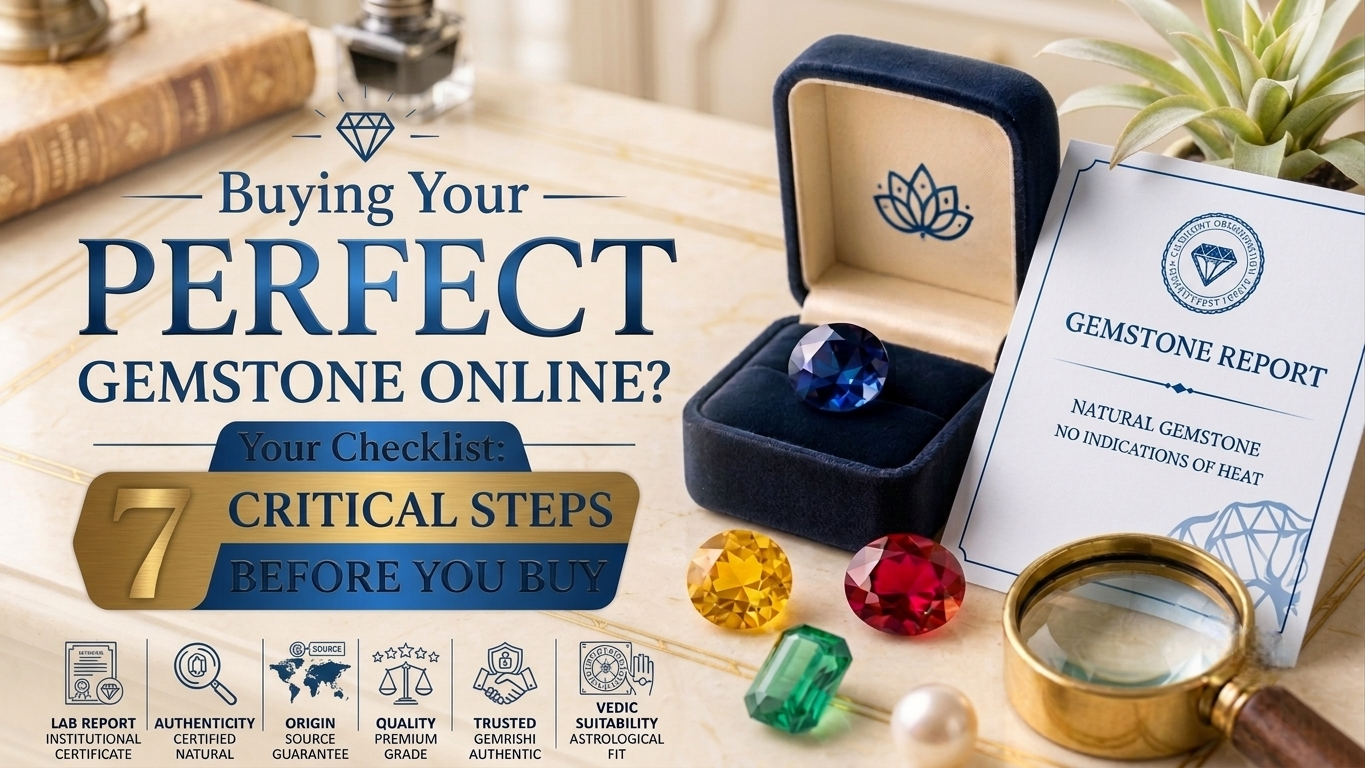
How to Choose the Right Gemstone for Yourself: A Complete Buying Guide
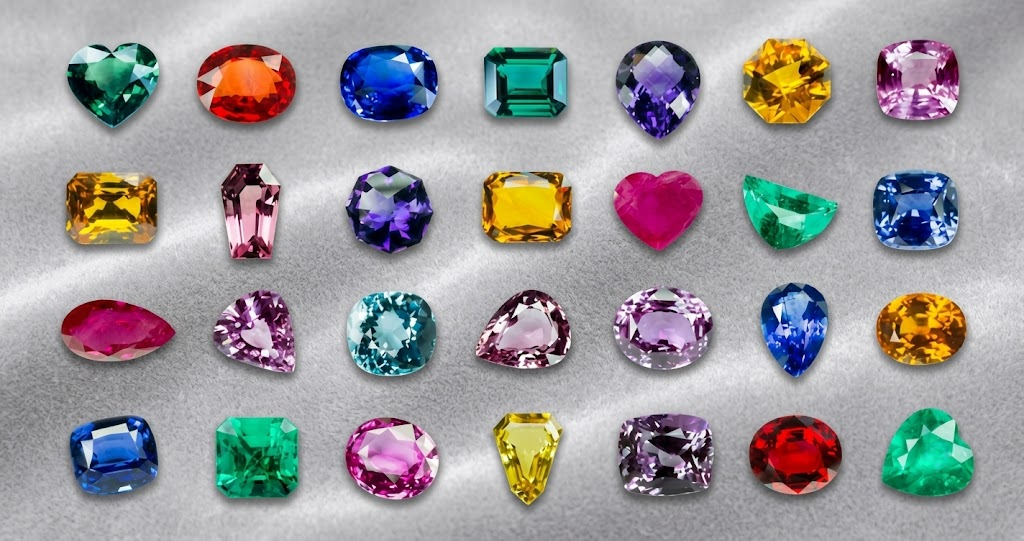
Choosing a gemstone is more than picking a beautiful colour.Gemstone are a impactful things in life.
A stone may look perfect in a picture but feel very different when you see it closely. And if you are buying a gemstone for astrology, there is even more to consider. The gemstone should be suitable for you rather than being selected simply because it is popular or expensive.
Then come questions about quality, origin, treatment, certification, weight and price.
Whether you are considering a Ruby, Emerald, Blue Sapphire, Yellow Sapphire, Opal, Red Coral, Pearl or another gemstone, knowing what to check before buying can help you make a much more confident decision.
This guide takes you through the important things to consider before choosing a gemstone for yourself.
1.Before looking at gemstone colours, prices or sizes, first ask yourself:
Why do I want this gemstone?
Your answer will influence almost every decision that follows.
If You Want a Gemstone for Astrology
Astrological gemstones are traditionally selected according to planetary associations in Vedic astrology.
For example:
- Ruby (Manik) – associated with the Sun
- Emerald (Panna) – associated with Mercury
- Yellow Sapphire (Pukhraj) – associated with Jupiter
- Blue Sapphire (Neelam) – associated with Saturn
- Red Coral (Moonga) – associated with Mars
- Pearl (Moti) – associated with the Moon
- Hessonite (Gomed) – associated with Rahu
- Cat's Eye (Lehsunia) – associated with Ketu
However, this does not mean that everyone should wear every gemstone associated with their zodiac sign.
Traditional Vedic astrology considers the individual's birth chart, planetary positions and other factors before recommending a gemstone.
If your main reason for buying is astrological, it is better to determine suitability first and then start shopping.
You can also explore the GemRishi Gemstone Buying Guide to understand the basics of selecting an astrological gemstone.
If You Want a Gemstone for Jewellery
The selection process is different when the main purpose is jewellery.
You can give greater importance to:
- Colour
- Cut
- Clarity
- Size
- Durability
- Design
- Personal preference
- Budget
For example, you may choose an Opal because you love its play of colour, or an Emerald because its green shade works beautifully with your jewellery collection.
There is no need to choose a gemstone solely because it is considered astrologically significant if astrology is not your reason for buying it.
2. Don't Choose a Gemstone Only Because of Your Zodiac Sign
This is one of the easiest mistakes to make.
You may find articles suggesting that a particular zodiac sign should wear a particular gemstone. These general recommendations can be useful for learning, but they should not automatically be treated as a personal astrological prescription.
In Vedic astrology, gemstone selection can involve factors such as:
- Ascendant or Lagna
- Planetary positions
- Strength of planets
- House ownership
- Benefic and challenging planetary influences
- The individual's complete birth chart
For this reason, a gemstone that is traditionally recommended for one person may not necessarily be appropriate for another person with the same Sun sign.
Your zodiac sign can be a starting point, but it shouldn't be the only deciding factor.
3. Decide Which Gemstone You Are Looking For
Once you understand your purpose, narrow your choices.
Some of the most commonly purchased astrological gemstones include:
GemstoneCommon NameTraditional Planetary AssociationRubyManikSunEmeraldPannaMercuryYellow SapphirePukhrajJupiterBlue SapphireNeelamSaturnRed CoralMoongaMarsPearlMotiMoonHessoniteGomedRahuCat's EyeLehsuniaKetu
There are also many gemstones that are popular mainly for their beauty and jewellery appeal, including:
- Opal
- Amethyst
- Citrine
- Garnet
- Turquoise
- Moonstone
- Aquamarine
- Tourmaline
- Lapis Lazuli
You can browse the GemRishi gemstone collection to explore different gemstone varieties.
The important thing is to know what you are buying and why you are buying it and would u folllow rituals associated with it.
4. Check Whether the Gemstone Is Natural or Synthetic
This is an important point, especially when you are purchasing a valuable gemstone.
A natural gemstone is formed naturally in the earth.
A synthetic gemstone is created in a laboratory and can have similar chemical and physical properties to its natural counterpart.
There are also treated gemstones, which have undergone processes intended to improve characteristics such as colour or clarity.
These differences can have a major effect on price.
Two gemstones may look almost identical but have very different values because one is natural and untreated while the other has been treated or laboratory-created.
Before purchasing, ask:
- Is the gemstone natural?
- Is it synthetic or laboratory-created?
- Has it been treated?
- What type of treatment has been used?
- Is the treatment disclosed on the certificate?
If you are specifically looking for a natural gemstone for astrological purposes, make sure the product description clearly states its origin and treatment status.
5. Never Ignore Certification
A gemstone certificate can give you important information about the stone you are purchasing.
Depending on the laboratory and type of report, it may include details such as:
- Gemstone variety
- Weight
- Measurements
- Colour
- Natural or synthetic status
- Treatment
- Origin, where determined
A certificate does not mean you should stop examining the gemstone itself, but it gives you an additional layer of information when comparing expensive stones.
Before paying a premium price, ask whether the gemstone comes with a recognised laboratory report.
You can explore GemRishi's Certified Gemstones when looking for certified gemstone options.
6. Look Carefully at Colour
Colours are the significant factor people notice when they see a gemstone, and for good reason.
A gemstone's colour can have a major effect on its overall appearance and quality.
For example, when selecting a Ruby, you may prefer a rich and attractive red. With an Emerald, the quality and appeal of the green colour become important. In a Blue Sapphire, buyers often pay close attention to the depth and appearance of the blue.
However, don't judge colour only from a digital ( website,app) photograph.
Photography, lighting and editing can change how a gemstone appears on a screen.
When possible, look at the stone under different lighting conditions and pay attention to:
- Colour intensity
- Saturation
- Evenness of colour
- Transparency
- Overall visual appeal
The gemstone should look attractive to you in real life, not just in a product photograph.
7. Understand Clarity and Inclusions
Clarity is another important factor, but it should be considered differently for different gemstones.
Many natural gemstones contain inclusions.
These are internal characteristics formed during the gemstone's growth. Some are expected in particular varieties, while others can significantly affect appearance or durability.
For this reason, simply saying "the clearer the gemstone, the better" is not always accurate.
Instead, look at whether the inclusions:
- Are visible without magnification
- Affect transparency
- Reduce brilliance
- Affect durability
- Are typical for that particular gemstone
For example, Emeralds commonly contain inclusions, so judging an Emerald using exactly the same expectations as a Diamond would not make sense.
8. Find Out Whether the Gemstone Has Been Treated
Treatment is a major consideration when comparing gemstones.
Different gemstones can undergo different treatments, including heating, filling, diffusion and other enhancement methods.
Treatment isn't something a buyer should automatically fear. The important part is knowing about it.
When comparing two gemstones, make sure you understand whether they are:
- Untreated
- Heated
- Filled
- Diffusion-treated
- Otherwise enhanced
An untreated gemstone may command a premium in some cases, but the value depends on the gemstone, quality and market demand.
If a seller describes a stone as "untreated" or "unheated", look for supporting documentation rather than relying solely on the product description.
9. Consider the Gemstone's Origin
Gemstone origin can be an important part of the buying process.
You may come across terms such as:
- Ceylon Sapphire
- Kashmir Sapphire
- Burmese Ruby
- Colombian Emerald
- Zambian Emerald
- Mozambique Ruby
Certain origins have become famous among collectors because of the qualities associated with gemstones from those regions.
But origin alone does not automatically make a gemstone better.
A gemstone's:
- Colour
- Clarity
- Treatment
- Cut
- Size
- Overall quality
still need to be considered.
So if a gemstone is being sold at a significant premium because of its origin, ask whether that origin has been established by a suitable laboratory report.
10. Choose the Right Weight
Bigger isn't always better.
The appropriate gemstone weight depends on what you intend to do with it.
For Jewellery
Consider:
- Ring or pendant design
- Finger size
- Overall proportions
- Personal preference
- Budget
For Astrology
Traditional astrological practices may recommend gemstone weight based on factors such as body weight and horoscope considerations.
However, don't blindly follow a fixed carat recommendation found online.
A larger gemstone can cost considerably more, and buying a larger stone does not automatically mean buying a better one.
Quality should remain part of the decision.
11. Keep Your Budget in Mind
Gemstones are available at many different price points.
A gemstone's price can be influenced by:
- Type
- Colour
- Clarity
- Carat weight
- Origin
- Treatment
- Certification
- Rarity
- Market demand
Before you begin shopping, decide how much you are comfortable spending.
Then compare gemstones within that range.
For example, instead of asking:
"What is the biggest Emerald I can buy for my money?"
a better question is:
"What is the best-quality Emerald I can reasonably buy within my budget?"
That small change in thinking can lead to much better purchasing decisions.
12. Think About Durability Before Choosing a Ring
A gemstone that works beautifully in earrings or a pendant may not be the best option for an everyday ring.
Rings receive more contact with hard surfaces and are exposed to knocks, scratches and everyday wear.
Before choosing a gemstone for daily wear, consider:
- Hardness
- Toughness
- Cleavage
- Sensitivity to chemicals
- Heat sensitivity
- Setting design
- Your lifestyle
If you work with your hands frequently or regularly participate in physical activities, gemstone durability becomes even more important.
13. Buy From a Seller That Provides Clear Information
A trustworthy gemstone seller should be able to answer basic questions about the stone.
Before purchasing, ask:
Is the gemstone natural?
Has it been treated?
What is its exact weight?
What is its claimed origin?
Does it come with a laboratory certificate?
Which laboratory issued the report?
What is the return policy?
Are the photographs of the actual gemstone?
If the answers are unclear, take your time before making the purchase.
GemRishi provides gemstone details, certification information and product-specific information to help customers make an informed choice.
You can also review the GemRishi return policy before placing an online order.
14. Compare Several Gemstones Before Buying
Don't feel pressured to purchase the first gemstone you find.
Suppose you're looking for a Blue Sapphire.
Instead of immediately choosing one, compare several stones based on:
FactorWhat You Should CheckColourDepth, saturation and overall appealClarityInclusions and transparencyTreatmentHeated, untreated or otherwise treatedOriginWhether the claim is documentedWeightCarat or ratti weightCutProportions and appearanceCertificateLaboratory and report detailsPriceWhether it matches the qualityReturn PolicyConditions for returning the stone
This gives you a much clearer picture of what you're actually paying for.
Your Complete Gemstone Buying Checklist
Before purchasing, run through this list:
✓ 1. Purpose
Do I want the gemstone for astrology, jewellery, gifting or another reason?
✓ 2. Suitability
If it is for astrology, have I checked whether it is appropriate for my birth chart?
✓ 3. Natural Status
Is the gemstone natural, synthetic or treated?
✓ 4. Treatment
Do I know whether the gemstone has undergone any treatment?
✓ 5. Certification
Does it come with a reliable laboratory report?
✓ 6. Colour
Is the colour attractive and suitable for the gemstone variety?
✓ 7. Clarity
Are the inclusions acceptable and appropriate for the gemstone?
✓ 8. Origin
Is the claimed origin supported by documentation?
✓ 9. Weight
Is the carat or ratti weight suitable for my purpose?
✓ 10. Durability
Can the gemstone handle the way I plan to wear it?
✓ 11. Price
Does the price make sense compared with the gemstone's quality?
✓ 12. Seller
Has the seller provided enough information about the stone?
✓ 13. Return Policy
Can I return the gemstone if it doesn't meet the stated conditions?
If you can answer these questions before purchasing, you'll have a much stronger basis for your decision.
How to Choose the Right Gemstone: A Simple Formula
If the entire buying process feels complicated, remember this:
Purpose → Suitability → Authenticity → Quality → Certification → Weight → Budget → Seller
Start with why you want the gemstone.
Then determine whether it is suitable for your intended purpose.
After that, verify what the gemstone actually is, examine its quality and treatment, check its certification, choose an appropriate weight and compare prices.
Finally, make sure you're buying from a seller with clear policies and product information.
Final Thoughts
The right gemstone isn't necessarily the biggest, rarest or most expensive stone you can find.
It is the gemstone that makes sense for your purpose, your preferences and your budget.
If you're buying for astrology, give suitability priority instead of selecting a stone simply because it is associated with your zodiac sign. If you're buying jewellery, focus more heavily on colour, quality, durability and how the stone looks to you.
Most importantly, don't rush the decision.
Ask questions. Compare gemstones. Check the certificate. Understand treatments. Read the return policy.
A few extra minutes of research can make a big difference when you're making a gemstone purchase.
Explore GemRishi to compare natural and certified gemstone options across different varieties and price ranges.
Frequently Asked Questions
Which gemstone is best for me?
There isn't one gemstone that is universally best for everyone. If you're buying for astrology, the choice is traditionally based on your individual birth chart. For jewellery, personal taste, colour, quality, durability and budget are more important.
How do I know if a gemstone is genuine?
A reliable laboratory report can help establish whether a gemstone is natural or synthetic and can provide other information about its characteristics and treatment.
Should I buy a natural or synthetic gemstone?
That depends on your purpose and budget. Natural gemstones are formed in nature, while synthetic gemstones are laboratory-created. Always make sure the seller clearly identifies what you are purchasing.
Is gemstone certification important?
Yes, especially when buying a higher-value gemstone. A laboratory report can provide useful information about the gemstone's identity, treatment and other characteristics.
Does a bigger gemstone have more benefits?
For astrological gemstones, traditional practices may consider weight important, but simply buying the biggest stone does not mean it is automatically the best choice. Suitability and quality should also be considered.
Can I choose a gemstone only according to my zodiac sign?
A zodiac sign can provide a general starting point, but traditional Vedic gemstone selection is more individual and may consider the complete birth chart.
What should I check before buying a gemstone online?
Check its natural or synthetic status, treatment, weight, certificate, claimed origin, product photographs, seller information, price and return policy.
Where can I buy certified gemstones online?
You can explore the GemRishi certified gemstone collection to compare certified gemstone options.
Have Questions Regarding This Gemstone?
Connect 1-on-1 with GemRishi’s certified Vedic gemologists on WhatsApp for personalized birth chart recommendations, lab certificate verification, or custom jewelry quotes.
Gemrishi
Gemrishi is a certified gemologist and Vedic astrology scholar at GemRishi with over 15 years experience in natural gemstone origin authentication.