Healing Crystal Bracelets vs. Untreated Precious Gemstones: Which Is Better for Daily Energy?
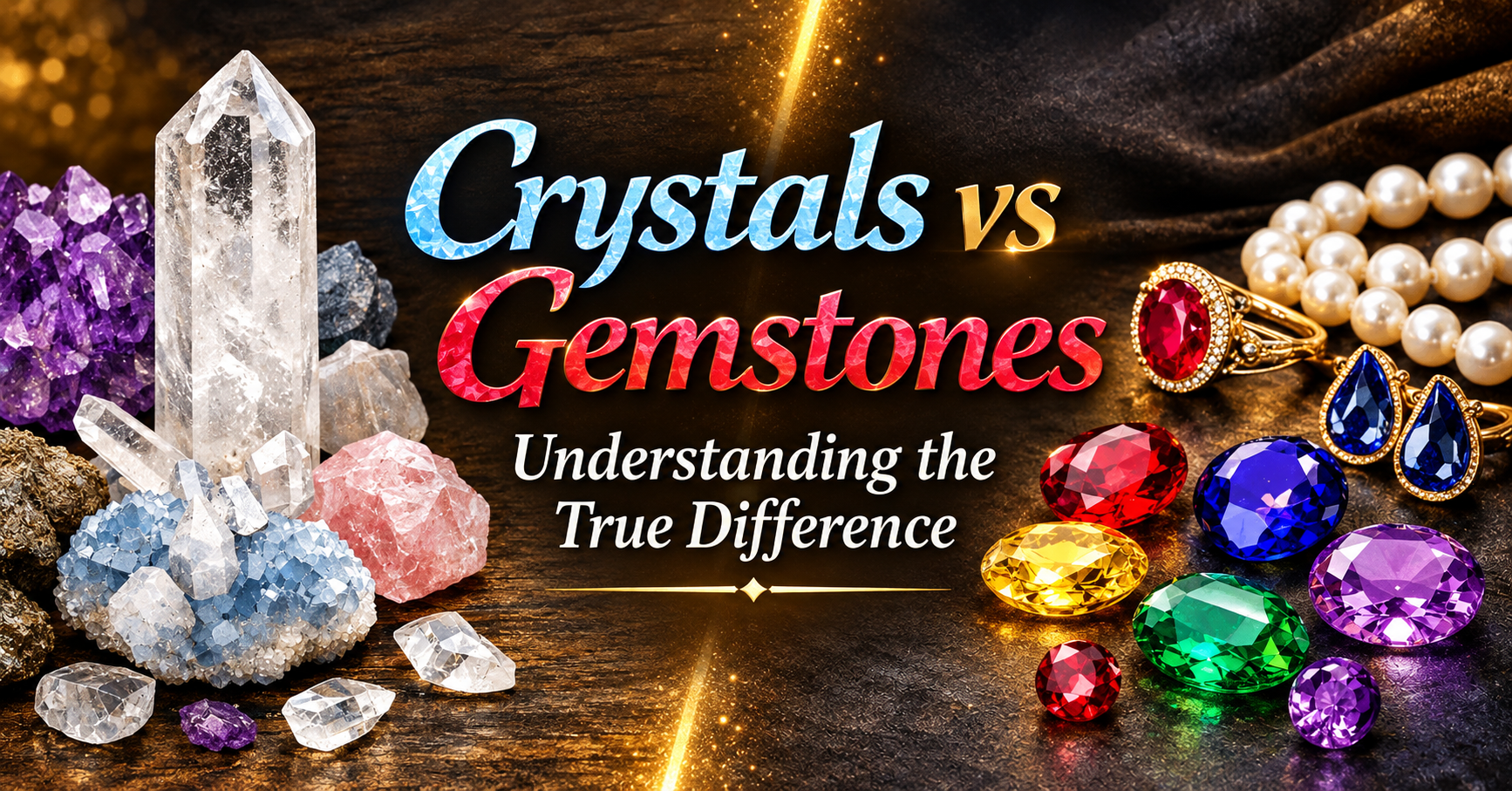
Natural gemstones have long held a special place in jewellery, cultural traditions, and spiritual practices. Today, many people wear crystal bracelets as part of their daily routine, while others prefer untreated precious gemstones such as ruby, emerald, blue sapphire, and yellow sapphire. Both options appeal to people who appreciate natural beauty and attach personal or traditional meaning to the stones they wear.
One thing is important to know that crystal bracelets and untreated precious gemstones are not necessarily the same thing. They can differ in gemological quality, intended use, durability, price, and the traditions associated with them.
If you are comparing healing crystal bracelets vs. untreated precious gemstones for daily energy, understanding these differences can help you make a more informed decision. Rather than assuming one category is universally better, it is worth considering what you want from your jewellery: an attractive everyday accessory, a stone with personal spiritual meaning, a gemstone selected according to Vedic astrological traditions, or a combination of these qualities.
At GemRishi, you can explore gemstone education and discover different gemstone varieties to help make a more informed purchasing decision.
What Are Healing Crystal Bracelets?
Healing crystal bracelets are jewellery pieces made from beads or polished pieces of minerals and gemstones.Craftsmen gives them proper shapes and contrasting looks so people commonly worn these crystal for appearance, symbolic meanings, and associations with mindfulness or spiritual practices.
Some popular crystal jewellery are amethyst, clear quartz, rose quartz, black tourmaline, and tiger's eye. Vedic Astrology and modern crystal practices connects these stones with calmness, clarity, love, protection, or confidence.
These associations are only spiritual or symbolic interpretations not established medical effects.
It is the traditional practice and human belief for spiritual practices. A bracelet may contain natural mineral beads, treated stones, synthetic materials, glass, or imitations. The word "crystal" alone does not establish that every bead is a natural, untreated gemstone.
Before purchasing a bracelet, examine its material description, bead quality, finishing, stringing, clasp, and seller disclosures. If the bracelet is marketed as containing natural gemstones, ask for information that supports that claim.
What Are Untreated Precious Gemstones?
Untreated precious gemstones are natural gemstones that have not undergone artificial enhancement to alter their appearance or improve particular qualities. In gemology, the word "untreated" means the absence of treatments such as heating, dyeing, irradiation, or filling, as applicable to the gemstone in question.
The traditional precious gemstone category includes ruby, sapphire, and emerald, along with diamond in many conventional classifications. These stones are valued for their beauty, rarity, durability, and suitability for jewellery, although their quality and market value can vary considerably.
Some examples include:
- Ruby (Manik): A red variety of the mineral corundum, prized for its colour and used in fine jewellery.
- Emerald (Panna): A green variety of beryl, often valued for its distinctive colour and natural inclusions.
- Blue Sapphire (Neelam): A blue variety of corundum, known for its durability and rich range of blue hues.
- Yellow Sapphire (Pukhraj): A yellow variety of corundum, appreciated for its colour and traditional associations with Jupiter in Vedic astrology.
Explore the GemRishi gemstone collection to learn about available gemstone varieties. You can also read the Morganite gemstone guide to understand how an individual gemstone has its own characteristics and care considerations.
Untreated does not automatically mean flawless, superior, or more valuable in every case. A natural gemstone may have visible inclusions, uneven colour, or other characteristics that influence its appearance and price. Treatment status is one part of a much broader quality assessment.
Healing Crystal Bracelets vs. Untreated Precious Gemstones: The Key Differences
The biggest difference is not simply how a stone looks or how it is worn. It is the combination of material, gemstone quality, intended purpose, and the meaning a person attaches to it.
1. Purpose and Everyday Experience
Crystal bracelets are often chosen for their relaxed, casual appearance and their associations with mindfulness or spiritual routines. Someone might wear a rose quartz bracelet as a personal reminder to practise self-compassion or choose amethyst because they appreciate its purple colour and traditional symbolism.
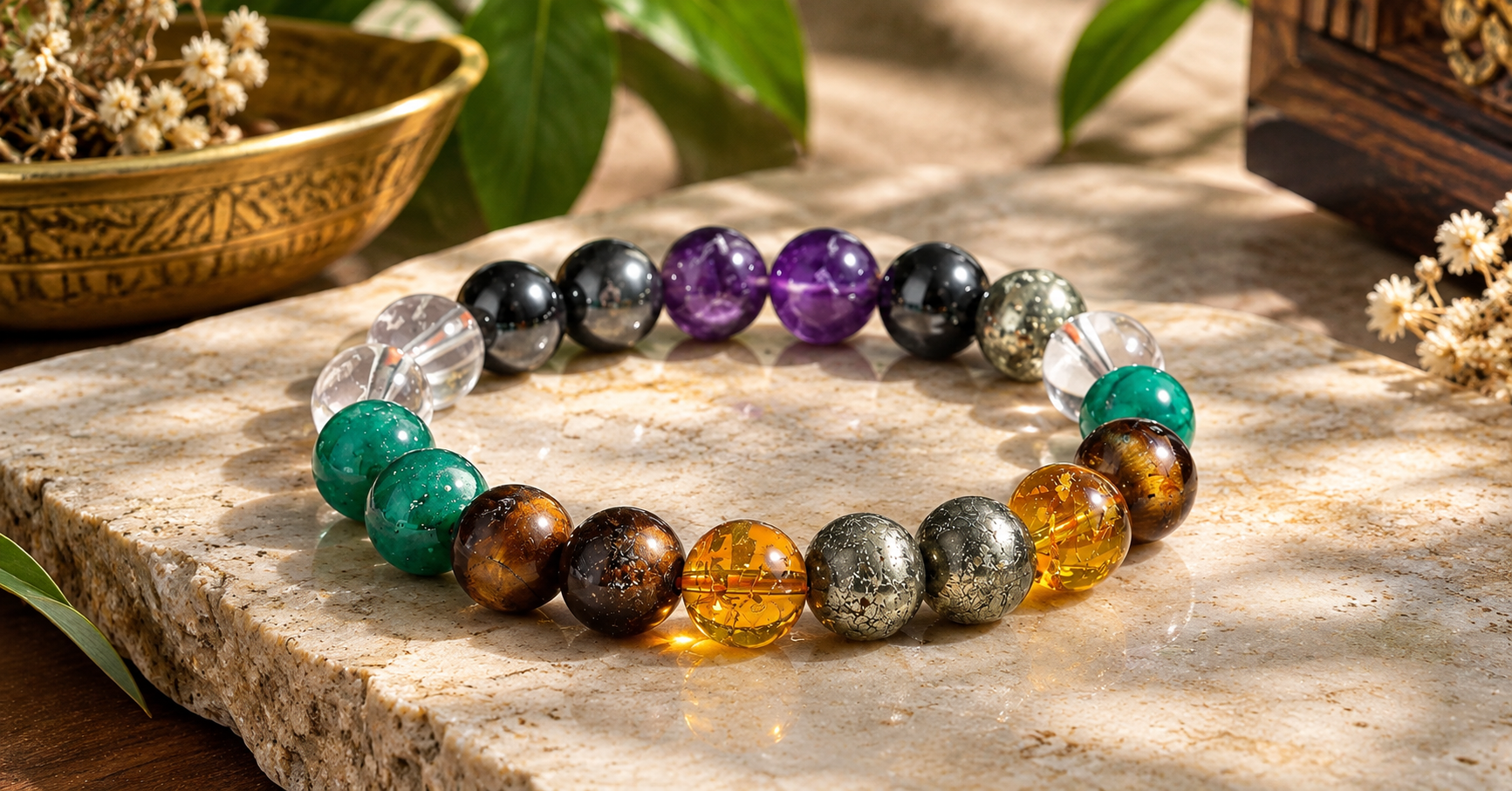
Untreated precious gemstones are often purchased for fine jewellery, collecting, or traditional astrological practices. A ruby ring, emerald pendant, or blue sapphire set in gold may have personal meaning while also representing a significant jewellery purchase.
Their value had been increased from craftsmanship, personal significance, cultural tradition, and the pleasure of wearing a stone you genuinely like.
2. Natural, Treated, Synthetic, and Imitation Materials
This distinction matters more than many buyers realise.
- Natural gemstone: Formed through natural geological processes. It may have undergone treatment after mining.
- Untreated gemstone: A natural gemstone with no known artificial enhancement. The exact meaning and disclosure should be confirmed for the particular stone.
- Treated gemstone: A gemstone that has undergone a process such as heating, dyeing, or filling to alter certain characteristics.
- Synthetic gemstone: A laboratory-created material with essentially the same chemical composition and crystal structure as its natural counterpart.
- Imitation gemstone: A material that resembles another gemstone without having the same gemological identity.
A crystal bracelet may contain natural stones, treated minerals, synthetic materials, or imitations. Likewise, a precious gemstone can be natural but treated.
For a deeper understanding of treatment terminology, read GemRishi's guide to unheated vs. untreated gemstones.
3. Durability and Suitability for Daily Wear
A bracelet worn every day faces friction, perspiration, accidental knocks, and contact with skincare products. Durability is therefore an important practical consideration.
Ruby and sapphire rank 9 on the Mohs hardness scale, making them well suited to many types of everyday jewellery when properly cut and set. Emerald is softer in practical use and often contains inclusions or fractures that require additional care.
Amethyst and rose quartz rank 7 on the Mohs hardness scale. They can be suitable for regular wear, although their settings, bead quality, stringing, and exposure to impacts also affect longevity.
Remember that hardness measures resistance to scratching, not resistance to breaking. Even a hard gemstone can chip under an impact.
For daily wear, inspect the bracelet's elastic cord or clasp, check that the beads have no obvious damage, and remove jewellery before strenuous activity or tasks involving chemicals. Rings and pendants should also be assessed according to the stone's durability and setting.
Can Crystal Bracelets or Precious Gemstones Improve Daily Energy?
The phrase "daily energy" can mean different things to different people. Some use it to describe motivation and concentration, while others mean spiritual balance, emotional reassurance, or a sense of connection with a personal belief system.
Understanding that distinction helps you choose more thoughtfully.
Crystal Bracelets and Spiritual Symbolism
In contemporary crystal practices, different stones are commonly assigned symbolic meanings. These interpretations vary across traditions and practitioners.
- Amethyst: Often associated with calmness, reflection, and spiritual awareness.
- Rose Quartz: Commonly associated with love, compassion, and emotional openness.
- Clear Quartz: Often described in crystal traditions as a symbol of clarity or intention.
- Tiger's Eye: Commonly associated with confidence, courage, and groundedness.
- Black Tourmaline: Often associated with protection and grounding in contemporary spiritual practices.
These meanings can make a bracelet personally significant. For example, someone who wears rose quartz may use it as a reminder to approach relationships with patience, while another person might use an amethyst bracelet as a cue to pause and reflect.
However, these are symbolic associations, not demonstrated effects of the minerals themselves. There is no reliable scientific evidence that wearing these stones produces a special energy field or consistently improves mood, concentration, or health.
Untreated Precious Gemstones and Traditional Beliefs
Precious gemstones also have cultural and spiritual significance, particularly in Vedic astrology.
In traditional practice and Vedic Science, ruby is associated with the Sun, emerald with Mercury, yellow sapphire with Jupiter, and blue sapphire with Saturn. Some practitioners recommend particular gemstones based on their interpretation of a person's birth chart.
People who follow these traditions may prefer natural, untreated gemstones because treatment status matters to them. However, the belief that a gemstone influences planetary effects or produces specific life outcomes is not scientifically established .
It is also important to separate astrological suitability from gemological quality. A gemstone certificate can provide information about a stone's identity and detectable treatments; it cannot scientifically establish astrological benefits.
If you are considering a gemstone for traditional astrological purposes, read the GemRishi guide to choosing the right gemstone before making a decision.
Which Is Better for Daily Wear: A Crystal Bracelet or a Precious Gemstone?
The answer depends on what you want from your jewellery.
Choose a Crystal Bracelet If You Prefer:
- A casual accessory that pairs easily with everyday clothing.
- Beaded designs that are simple to put on and remove.
- A stone with personal or spiritual symbolism.
- A relatively straightforward way to explore different colours and minerals.
- A piece of jewellery that serves as a personal reminder of an intention or habit.
Before buying, verify the materials used. Do not assume that a bracelet described as a healing crystal bracelet contains untreated natural stones.
Choose an Untreated Precious Gemstone If You Prefer:
- Fine jewellery featuring ruby, emerald, sapphire, or another precious stone.
- A natural gemstone whose treatment status is important to you.
- A stone selected for collecting, jewellery design, or traditional astrological use.
- Professional information about authenticity, quality, and treatment.
- A gemstone chosen according to specific colour, clarity, cut, and durability requirements.
Untreated precious gemstones can cost substantially more than many crystal bracelets, particularly when they are rare or of exceptional quality. Nevertheless, prices vary widely, and neither category is automatically the better value.
If you are exploring fine gemstone jewellery, browse the GemRishi jewellery collection for inspiration.
How to Choose the Right Gemstone for Your Needs
Rather than choosing solely according to a promised benefit, begin with your intended use and then evaluate the stone itself.
Consider the Gemstone's Colour and Quality
Colour is often the first characteristic that attracts a buyer, but it should not be the only consideration. Transparency, inclusions, cutting, polish, and overall appearance all affect how a gemstone looks.
For precious stones, value can also depend on rarity, carat weight, treatment status, and origin when reliably established.
Check Authenticity and Treatment Disclosure
If a seller describes a gemstone as natural and untreated, ask how that claim is supported. For a valuable stone, consider an independent report from a reputable gemological laboratory.
A certificate should be checked for the issuing laboratory, report number, gemstone identification, and treatment findings. Certification is especially useful when the difference between treated and untreated material affects the price.
You can browse the GemRishi gemstone collection to compare different gemstone varieties and review the available product information.
Think About Your Budget
Crystal bracelets and precious gemstones occupy a broad range of price points. The cost of a bracelet depends on its materials, bead quality, craftsmanship, and design. Precious gemstone prices depend on several additional factors, including colour, clarity, cut, weight, treatment, and rarity.
Set a budget before shopping and compare items of similar quality rather than assuming that a higher price guarantees a better purchase.
Consider the Reason for Wearing the Stone
If you want a piece of jewellery that reminds you to slow down, focus, or approach the day with a particular intention, a crystal bracelet may suit you.
If you appreciate the craftsmanship and enduring appeal of fine gemstone jewellery, an untreated ruby, emerald, or sapphire may be a better match.
If your interest is astrological, distinguish traditional recommendations from scientifically verified facts and investigate the gemstone's authenticity independently.
For example, explore the characteristics of natural ruby (Manik), blue sapphire (Neelam), and yellow sapphire (Pukhraj) before deciding which type best matches your interests.
Can You Wear Crystal Bracelets and Precious Gemstones Together?
Yes. From a jewellery perspective, you can combine a crystal bracelet with a precious gemstone ring, pendant, or other accessory if the designs work well together and the pieces are comfortable to wear.
For example, a neutral-toned bracelet can complement a ruby ring, while a purple amethyst bracelet can create an attractive contrast with yellow gold jewellery.
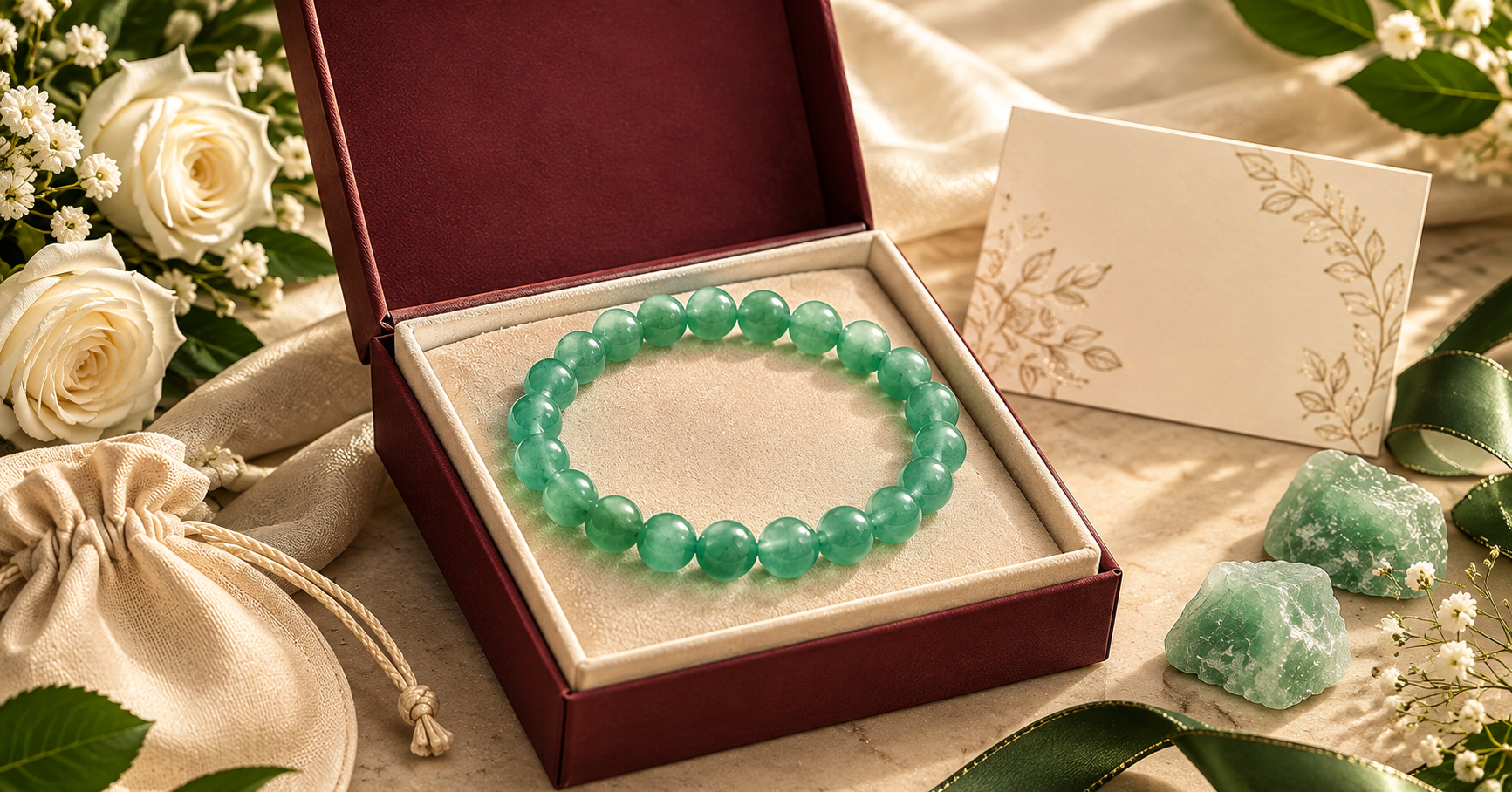
There is no general gemological rule that prohibits wearing different gemstone varieties together. However, if you are following a particular astrological tradition, recommendations about combining stones may differ. You can follow those customs as a personal or cultural preference without treating them as scientifically established requirements.
When combining jewellery, consider practical issues such as scratches between beads, metal edges, loose settings, and the possibility of delicate stones being damaged by harder materials.
Caring for Crystal Bracelets and Untreated Gemstones
Daily care helps preserve the appearance of both types of jewellery.
For crystal bracelets, use a soft cloth to remove surface dirt and perspiration. Avoid soaking elastic bracelets or exposing them to harsh cleaning products, as these may weaken the cord or affect certain beads.
For precious gemstones, cleaning methods should suit the individual stone and any treatments it may have received. Mild soap, lukewarm water, and a soft brush are suitable for many durable gemstones, but emeralds and stones with fractures or clarity-enhancing fillers may require extra caution. When uncertain, ask a qualified jeweller before cleaning.
Store jewellery separately to reduce scratches, keep it away from harsh chemicals, and inspect clasps, cords, and settings regularly.
For additional information on gemstone characteristics, visit the GemRishi Morganite guide, which explains the distinctive properties and considerations associated with this gemstone.
Conclusion: Which Is the Better Choice for Daily Energy?
Healing crystal bracelets and untreated precious gemstones offer different experiences. Crystal bracelets appeal to people who enjoy casual jewellery and the personal symbolism attached to particular minerals. Untreated precious gemstones appeal to buyers who value natural characteristics, fine jewellery, rarity, collecting, or traditional astrological associations.
Neither option has been scientifically shown to generate special energy or guarantee improvements in everyday life. Your choice can still be meaningful when it reflects your style, cultural traditions, personal intentions, and appreciation of gemstones.
Before purchasing, check the material, authenticity, treatment disclosure, durability, and price. If you are considering a valuable untreated gemstone, independent gemological documentation can help you make a more informed decision.
Explore GemRishi to learn about natural gemstones, compare individual varieties, and find jewellery that fits your preferences. The best choice is one you understand, trust, and enjoy wearing.
Frequently Asked Questions
1. Are healing crystal bracelets better than precious gemstones?
Neither is universally better. Crystal bracelets are often chosen for casual wear and spiritual symbolism, while precious gemstones may appeal to people interested in fine jewellery, collecting, or traditional astrology.
2. Do healing crystal bracelets increase daily energy?
There is no reliable scientific evidence that crystal bracelets increase a person's energy through a special mineral field. Some people find the symbolism or daily ritual personally meaningful.
3. What is the difference between natural and untreated gemstones?
Natural gemstones form through geological processes but may receive treatments after mining. Untreated gemstones have not undergone known artificial enhancement. These are separate characteristics.
4. Are all crystal bracelets made from natural stones?
No. Depending on the product, bracelets may contain natural minerals, treated stones, synthetic materials, glass, or imitations. Check the seller's material disclosures before purchasing.
5. Which crystal bracelet is traditionally associated with calmness?
Amethyst is commonly associated with calmness and reflection in contemporary crystal practices. This is a spiritual interpretation, not a scientifically established effect.
6. Are untreated precious gemstones more valuable?
Sometimes. An untreated gemstone with excellent colour, clarity, size, and rarity may command a premium. However, untreated status alone does not determine value.
7. Can I wear a crystal bracelet every day?
Generally, yes, if its materials and construction are suitable for regular wear. Check the stringing, clasp, bead condition, and care instructions, and remove it during activities that could cause damage.
8. Can I wear a crystal bracelet with a ruby or sapphire ring?
Yes. You can combine them for personal style. If you follow specific astrological traditions, you may wish to consult a knowledgeable practitioner about the traditional rules you prefer to observe.
9. How can I verify an untreated gemstone?
For valuable stones, seek a report from a reputable gemological laboratory that identifies the gemstone and states its treatment findings. Visual inspection alone cannot reliably establish untreated status.
10. Are synthetic gemstones fake?
Synthetic gemstones are laboratory-created materials that have essentially the same chemical composition and crystal structure as their natural counterparts. They are not the same as imitations, but they should be disclosed accurately.
11. Are crystal bracelets suitable for astrological purposes?
Some people use crystal bracelets as spiritual accessories, while traditional Vedic astrology often focuses on specific gemstones and individual birth-chart interpretations. Practices vary, and astrological effects are not scientifically established.
12. Where can I buy natural precious gemstones online?
You can explore the GemRishi gemstone collection and review the available product information, authenticity details, and certification options before making a purchase.
Have Questions Regarding This Gemstone?
Connect 1-on-1 with GemRishi’s certified Vedic gemologists on WhatsApp for personalized birth chart recommendations, lab certificate verification, or custom jewelry quotes.
Gemrishi
Gemrishi is a certified gemologist and Vedic astrology scholar at GemRishi with over 15 years experience in natural gemstone origin authentication.