Vedic Pran Pratishtha for Gemstones: Rituals, Mantras & Astrological Significance
Introduction
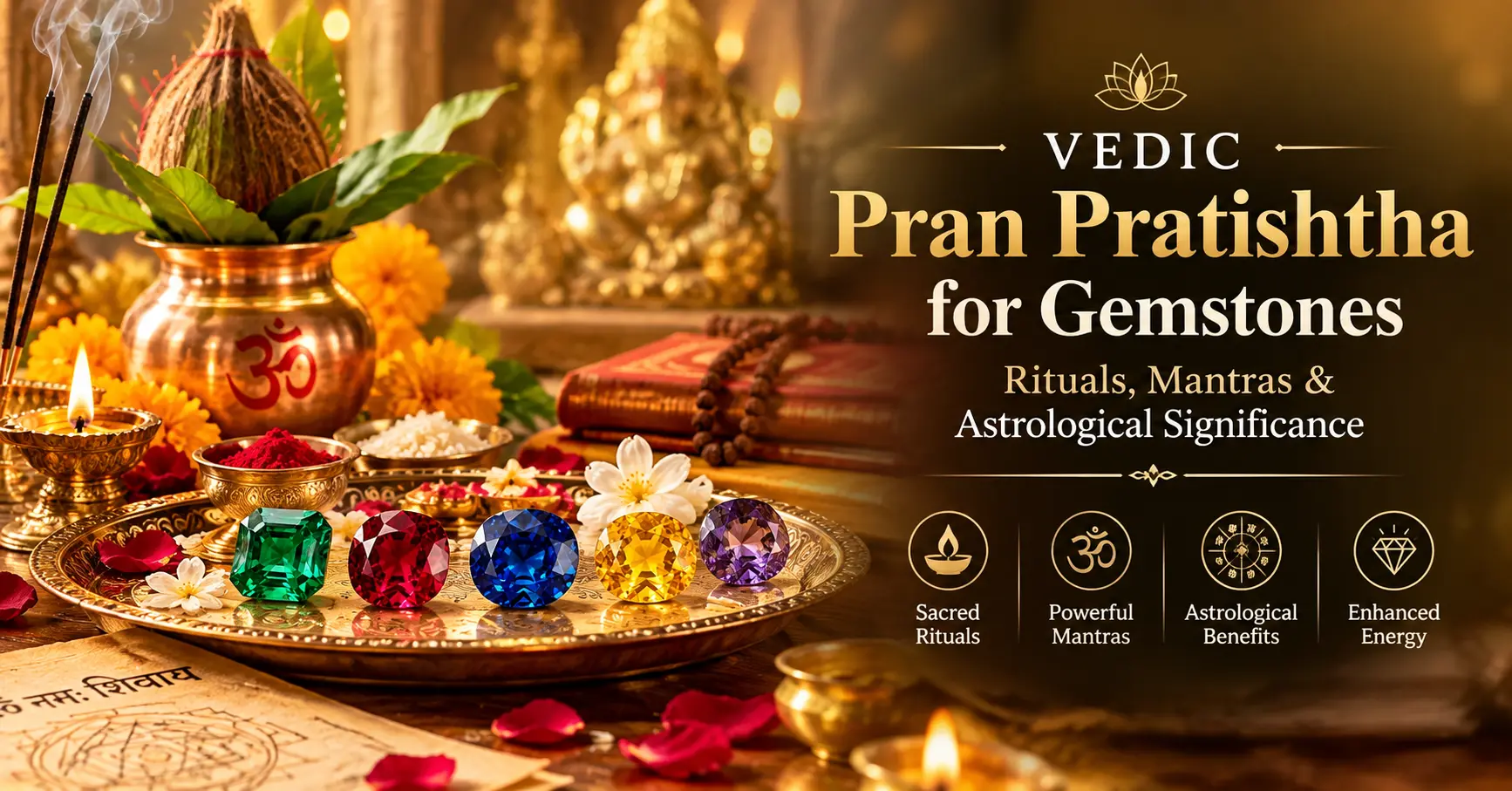
Buying a gemstone is often only the beginning of the journey for people who follow Vedic astrology. Before wearing a stone such as Neelam, Panna, Pukhraj, or Moonga, many people perform a traditional ritual to prepare it for personal use. This practice is commonly described as gemstone purification, energization, or Pran Pratishtha.
For some, it is an important part of their faith. For others, it is a way to begin wearing a gemstone with a clear mind and a meaningful intention.
But what does Pran Pratishtha actually mean? Is it the same as cleansing a gemstone? Which mantras are traditionally recited, and does every gemstone require the same ritual?
Let's explore the meaning, customary steps, mantras, and practical precautions so you can understand the process without confusion.
What Is Pran Pratishtha in Vedic Tradition?
Pran Pratishtha is a Sanskrit term associated with the ritual invocation of divine presence into a consecrated image or sacred object. It is especially known in Hindu temple traditions, where it forms part of a formal consecration ceremony.
In gemstone astrology, the term is also used by some practitioners to describe a ritual performed before wearing an astrological gemstone. The process may involve prayer, purification, mantra chanting, and a personal intention.
However, a formal temple Pran Pratishtha and a simple gemstone-wearing ritual are not necessarily the same ceremony. The procedures can differ according to religious tradition, family customs, and the guidance of a priest or astrologer.
For many practitioners, the purpose is devotional: to begin wearing the gemstone with faith, discipline, and a sense of spiritual connection.
Why Are Gemstone Energization Rituals Performed?
In Vedic astrology, certain gemstones are traditionally associated with particular planets. Practitioners may recommend them based on a person's birth chart and astrological beliefs.
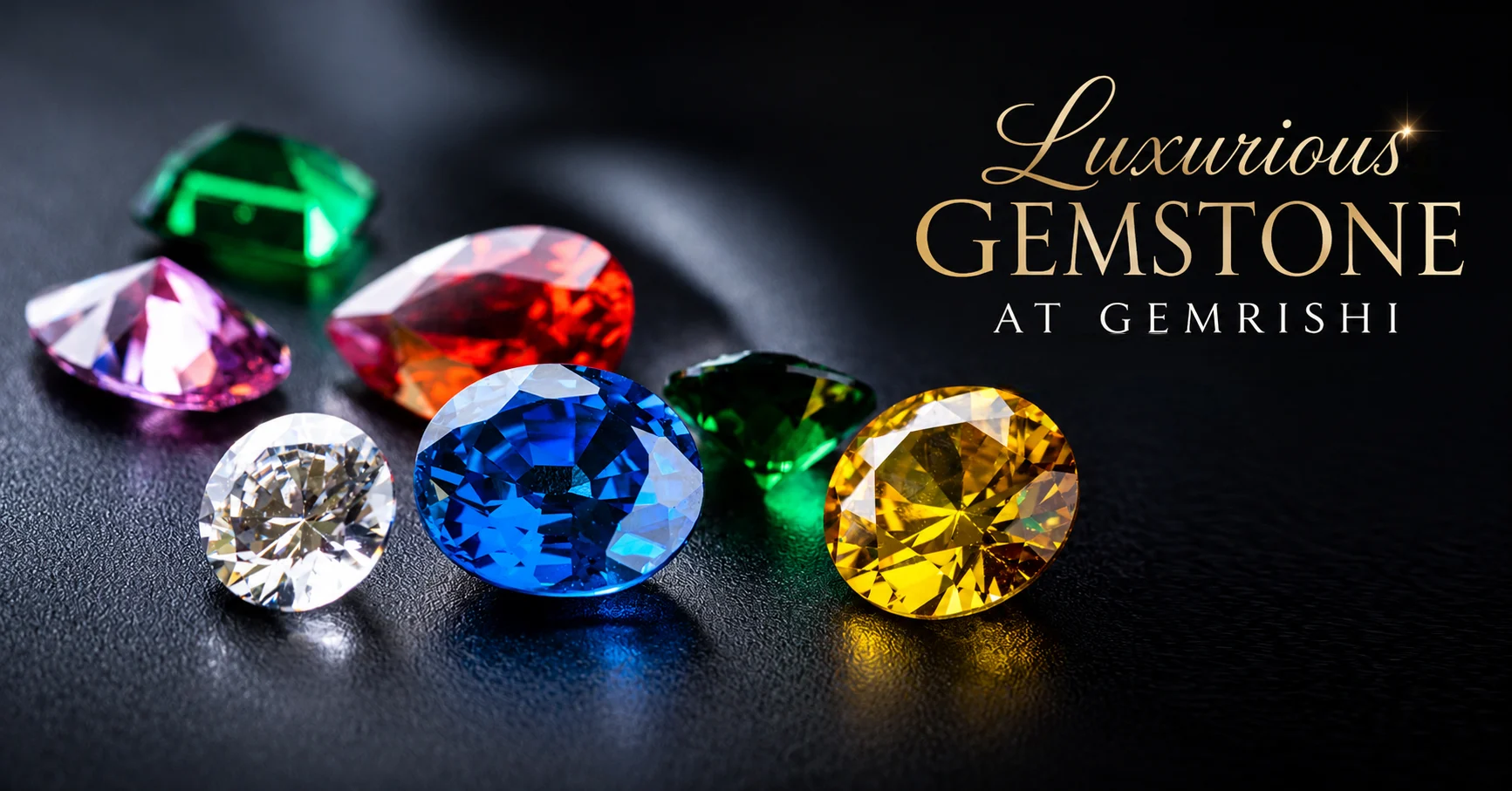
For example, Blue Sapphire (Neelam) is associated with Saturn, Emerald (Panna) with Mercury, and Yellow Sapphire (Pukhraj) with Jupiter.
Some traditions recommend performing a ritual before wearing these stones. Common elements include:
- Purification: Cleaning the gemstone or jewellery before the ceremony.
- Prayer: Offering a prayer to a chosen deity or planetary representation.
- Mantra chanting: Reciting a traditional mantra associated with the relevant planet.
- Sankalpa: Setting a sincere intention or making a devotional resolve.
- Dharana: Wearing the gemstone after completing the chosen ritual.
These practices are religious and cultural traditions. There is no established scientific evidence that gemstone energization changes planetary influences or guarantees improvements in wealth, health, relationships, or career.
Which Gemstones Are Traditionally Associated With Planets?
Before choosing a mantra, it helps to understand the traditional planetary associations.
Blue Sapphire (Neelam) — Saturn (Shani)
Neelam is traditionally associated with Saturn, often linked in Vedic astrology with discipline, responsibility, patience, and karma. Some practitioners recommend it only after assessing an individual's birth chart.
Yellow Sapphire (Pukhraj) — Jupiter (Guru)
Pukhraj is traditionally associated with Jupiter, which represents wisdom, learning, guidance, and spiritual development in Vedic astrology.
Emerald (Panna) — Mercury (Budh)
Panna is associated with Mercury and traditionally linked with communication, learning, reasoning, and business-related skills.
Ruby (Manik) — Sun (Surya)
Ruby is traditionally associated with the Sun, symbolising authority, vitality, confidence, and leadership.
Pearl (Moti) — Moon (Chandra)
Pearl is associated with the Moon and traditionally represents emotional balance, calmness, and sensitivity.
Red Coral (Moonga) — Mars (Mangal)
Red Coral is traditionally connected with Mars, symbolising courage, initiative, and determination.
These associations belong to astrological tradition rather than scientifically established gemstone effects. To learn more about choosing a stone, read GemRishi's complete gemstone buying guide.
How to Perform a Simple Traditional Gemstone Ritual
There is no single ritual followed by every Hindu tradition or astrologer. If you wish to perform a simple personal ceremony, the following steps offer a general framework rather than a universal religious prescription.
Step 1: Choose a Clean and Peaceful Space
Select a quiet place where you can pray without interruption. You may use your regular prayer area or a clean surface covered with a fresh cloth.
Keep the gemstone or ring ready, along with any simple offerings you wish to use. A complicated arrangement is not necessary for a personal prayer.
Step 2: Clean the Gemstone Carefully
Clean the ring or pendant according to the care instructions for its gemstone, setting, and any known treatment.
A soft cloth and suitable cleaning method may be sufficient. Some traditions use clean water or Gangajal during their ritual, but not every gemstone or jewellery setting should be soaked.
Pearls, opals, emeralds, porous materials, treated stones, and certain jewellery settings can be sensitive to liquids, chemicals, or prolonged soaking. Avoid assuming that milk, honey, or Panchamrit is safe for every gemstone.
Step 3: Offer a Prayer
Place the jewellery in front of your chosen deity or in your prayer area. You may light a diya or incense if that is part of your usual practice and it can be done safely.
Take a moment to settle your thoughts. You can express gratitude, offer a prayer, or reflect on the values you want to bring into your life.
Step 4: Chant the Relevant Mantra
If your tradition includes planetary mantra chanting, use the mantra recommended by your priest or astrologer.
Some practitioners recite a mantra 11 or 108 times. These counts are customary in certain devotional practices, not scientifically proven requirements for a gemstone.
Step 5: Set Your Intention
A short personal prayer or sankalpa may help you approach the ritual with sincerity. Keep the intention realistic and meaningful, such as cultivating patience, making thoughtful decisions, or maintaining discipline.
Step 6: Wear the Gemstone if Appropriate
Once the ritual is complete, you may wear the gemstone if you have chosen to follow the astrological practice. The recommended day, finger, metal, and method vary between traditions.
If you are wearing the stone for astrological reasons, seek personalised guidance rather than treating general online instructions as universal rules.
Common Mantras Used in Gemstone Traditions
Different lineages may use different mantras, pronunciations, and procedures. The following are commonly used examples associated with planetary worship in Vedic traditions.
For Blue Sapphire (Neelam) — Saturn
“ॐ शं शनैश्चराय नमः”
Om Sham Shanaishcharaya Namah
For Yellow Sapphire (Pukhraj) — Jupiter
“ॐ बृं बृहस्पतये नमः”
Om Brim Brihaspataye Namah
For Emerald (Panna) — Mercury
“ॐ बुं बुधाय नमः”
Om Bum Budhaya Namah
For Ruby (Manik) — Sun
“ॐ घृणिः सूर्याय नमः”
Om Ghrini Suryaya Namah
For Pearl (Moti) — Moon
“ॐ सोम सोमाय नमः”
Om Som Somaya Namah
For Red Coral (Moonga) — Mars
“ॐ क्रां क्रीं क्रौं सः भौमाय नमः”
Om Kraam Kreem Kraum Sah Bhaumaya Namah
These are examples, not a requirement to recite every mantra. If you follow a specific tradition, confirm the wording and pronunciation with a knowledgeable teacher. You can also explore GemRishi's guides to Blue Sapphire and Shani Mahadasha and Yellow Sapphire wearing practices.
Does Every Gemstone Need the Same Pran Pratishtha?
No. Ritual practices vary, and there is no universal requirement that every gemstone must undergo the same ceremony.
Some people perform a brief prayer before wearing jewellery. Others consult a priest or astrologer for a more detailed ritual. Temple consecration follows its own religious procedures and should not be confused with a simple home ceremony.
The gemstone itself also matters when it comes to physical care. For example, an emerald may need gentler handling than a sapphire, while pearls require different care from corundum gemstones.
The practical lesson is simple: follow the spiritual tradition you trust, but use safe jewellery-care methods and reliable information when handling the stone.
What Should You Check Before Buying an Astrological Gemstone?
A ritual cannot verify whether a gemstone is natural, synthetic, treated, or correctly identified. These are separate questions that should be addressed before purchase.
Ask for treatment disclosure. Natural gemstones may be heated or treated to improve their appearance. Treatments should be disclosed clearly.
Review the laboratory report. A report from a reputable gemological laboratory can help identify the material and disclose detectable treatments. Geographic origin may require specialised testing.
Compare quality and price. Colour, clarity, cut, carat weight, treatment, and origin evidence can all influence the price.
Check the seller's terms. Read the return policy and confirm that the product description matches the documentation.
Avoid pressure-based claims. Be cautious of anyone promising guaranteed wealth, immediate success, or protection from every difficulty after a ritual or gemstone purchase.
For further reading, visit GemRishi or browse its gemstone collection.
8. Final Thoughts: Faith, Intention, and Informed Choice
Pran Pratishtha and gemstone energization hold meaning for people who follow particular Vedic and Hindu traditions. For them, the ritual can provide a thoughtful beginning to wearing a gemstone, combining prayer, mantra, and personal intention.
At the same time, it is helpful to distinguish devotional practice from verifiable gemstone facts. A ritual does not establish a stone's authenticity, and no mantra or gemstone can be guaranteed to change someone's future.
If you choose to wear an astrological gemstone, approach the process with respect for your tradition, sensible expectations, and attention to quality. Choose a gemstone you can verify, care for it properly, and let your spiritual practice remain a source of personal meaning rather than pressure.
Frequently Asked Questions
1. What is Pran Pratishtha for gemstones?
In some astrological traditions, it refers to a devotional ritual performed before wearing a gemstone. It may include prayer, purification, mantra chanting, and setting an intention. Practices vary.
2. Is Pran Pratishtha compulsory before wearing a gemstone?
There is no universal requirement. Some people follow a ritual for religious reasons, while others wear gemstones as jewellery without performing one.
3. What is the difference between gemstone purification and Pran Pratishtha?
Purification generally refers to cleaning or ritually cleansing the stone. Pran Pratishtha has a broader religious meaning involving consecration. Some gemstone practices use these terms differently.
4. Which mantra should I chant before wearing Neelam?
A commonly used Saturn mantra is “Om Sham Shanaishcharaya Namah.” If you follow Vedic astrology, consult a knowledgeable practitioner about the appropriate practice for your tradition.
5. How many times should I chant a gemstone mantra?
Some traditions recommend 108 repetitions, while others use different counts. There is no scientifically established number required to energize a gemstone.
6. Which day is best for gemstone energization?
Traditional recommendations vary by gemstone and planetary association. Some practitioners select a weekday and auspicious time according to the birth chart, while others follow their family or religious customs.
7. Can I perform the ritual at home?
A simple personal prayer and mantra ritual can be performed at home if it aligns with your beliefs. Formal temple consecration is a different practice with its own procedures.
8. Should I use milk or Panchamrit to purify my gemstone?
Some traditions use these substances, but they are not safe for every stone or setting. Follow the jewellery's care instructions; avoid soaking delicate, treated, or porous gemstones without professional advice.
9. Does gemstone energization make a stone more powerful?
That is a belief held in some spiritual and astrological traditions. There is no reliable scientific evidence that a ritual increases a gemstone's physical or astrological power.
10. Should I consult an astrologer before wearing an astrological gemstone?
If you intend to wear a gemstone specifically for Vedic astrological reasons, a qualified practitioner can explain the recommendations within that tradition. This is a matter of belief, not a scientifically validated treatment.
11. Does Pran Pratishtha prove that a gemstone is genuine?
No. Authenticity requires appropriate gemological examination and documentation. A ritual cannot determine whether a stone is natural, synthetic, or treated.
12. Can I wear a gemstone without performing any mantra?
Yes. Gemstones can be worn as jewellery without a religious ritual. If you choose to follow a particular spiritual tradition, you can seek guidance on its customary practices.
Have Questions Regarding This Gemstone?
Connect 1-on-1 with GemRishi’s certified Vedic gemologists on WhatsApp for personalized birth chart recommendations, lab certificate verification, or custom jewelry quotes.
Gemrishi
Gemrishi is a certified gemologist and Vedic astrology scholar at GemRishi with over 15 years experience in natural gemstone origin authentication.