Topaz vs Citrine: Which November Birthstone Is Right for You?
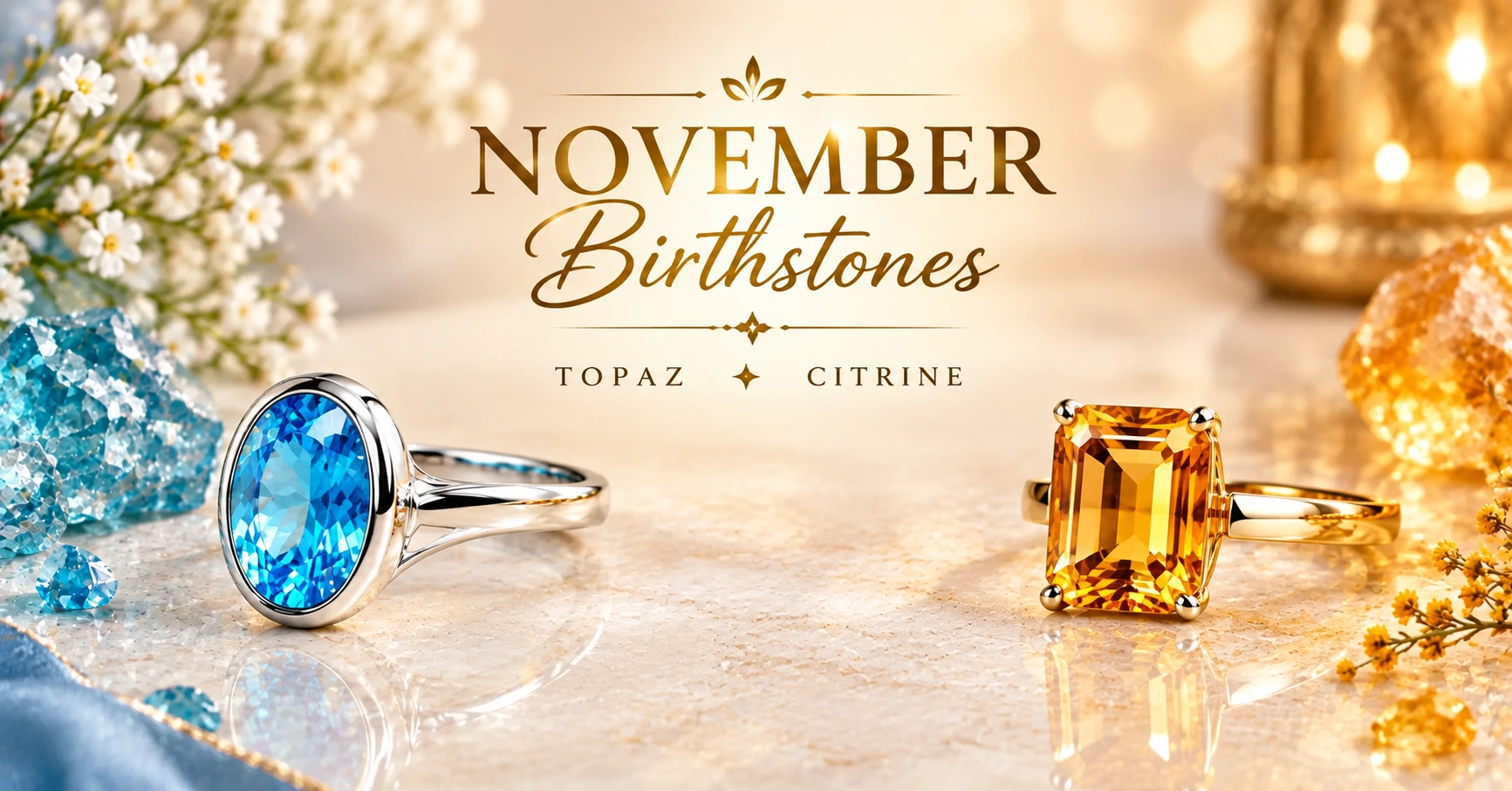
November is a special month for gemstone lovers because it is associated with two beautiful birthstones: Topaz and Citrine. Both are admired for their warm golden shades, but they offer different colours, physical properties, jewellery styles, and traditional symbolism.Topaz is available in several colours, including blue, pink, and yellow, Citrine is known for its sunny yellow-to-orange hues.
Choosing between Topaz and Citrine is not simple as that about deciding which gemstone looks better. It is also about understanding durability, colour preferences, jewellery requirements, budget, and the meaning traditionally associated with each stone. Whether you are searching for a November birthstone ring, a meaningful birthday gift, or a gemstone to add to your jewellery collection, knowing the difference can help you make a confident choice.
In this guide, we compare Topaz and Citrine in detail, from their colours and hardness to their symbolism, prices, care requirements, and suitability for different jewellery designs.
What Are the November Birthstones?
Topaz and Citrine gemstones are considered as November birthstones. Both gemstones can display attractive golden colours, but they are different minerals with distinct characteristics.
Topaz is a mineral made of aluminium and fluorine-containing silicate. Its natural colour range includes colourless, yellow, blue, pink, and other shades. Blue Topaz and golden Topaz are particularly popular in jewellery.
Citrine is a yellow-to-orange variety of quartz. Its warm colour makes it a favourite for gemstone rings, pendants, earrings, and other jewellery pieces. Much of the Citrine sold in the jewellery market is heat-treated Amethyst or other quartz, so buyers should ask about the gemstone's treatment and origin when these details matter to them.
Both gemstones have a long history of use in decorative jewellery and are associated with positive symbolism in various traditions. However, their physical properties, colour ranges, and purchasing considerations differ.
Topaz vs Citrine: Key Differences
The most important difference between Topaz and Citrine is their mineral composition, hardness, colour range, and durability.
Topaz belongs to the Topaz mineral group and has a Mohs hardness of 8. Citrine belongs to the quartz family and has a Mohs hardness of 7. Both gemstones have a glass-like lustre, but Topaz is more resistant to scratching under comparable conditions.
Topaz is available in blue, yellow, pink, colourless, and other shades, whereas Citrine is known primarily for its pale yellow, honey-gold, and orange-brown colours.
In traditional symbolism, Topaz is associated with love, strength, and good fortune, while Citrine is linked with joy, optimism, and abundance. These associations are rooted in cultural and spiritual traditions rather than scientifically established effects.
Neither gemstone is automatically the better choice for everyone. The right option depends on your personal style, jewellery preferences, intended use, and budget.
Topaz vs Citrine: Colour, Appearance and Beauty
Colour is often the first thing people notice when comparing these November birthstones. Although yellow Topaz and Citrine can look similar at first glance, each gemstone has its own visual appeal.
Topaz: More Than Just Golden Yellow
Topaz is known for its broad colour range. Yellow Topaz offers a warm golden appearance, while Imperial Topaz is admired for its rich orange, peach, and pinkish-orange shades. Blue Topaz provides a cooler alternative for people who prefer a refreshing colour rather than a traditional golden gemstone.
Blue Topaz available in jewellery is commonly produced by treating colourless Topaz through irradiation and heating. This does not automatically make it an inferior gemstone; disclosure of treatment is simply an important part of informed buying.
For readers interested in its varieties and traditional symbolism, explore the GemRishi Topaz gemstone guide.
Citrine: The Warm Glow of Golden Quartz
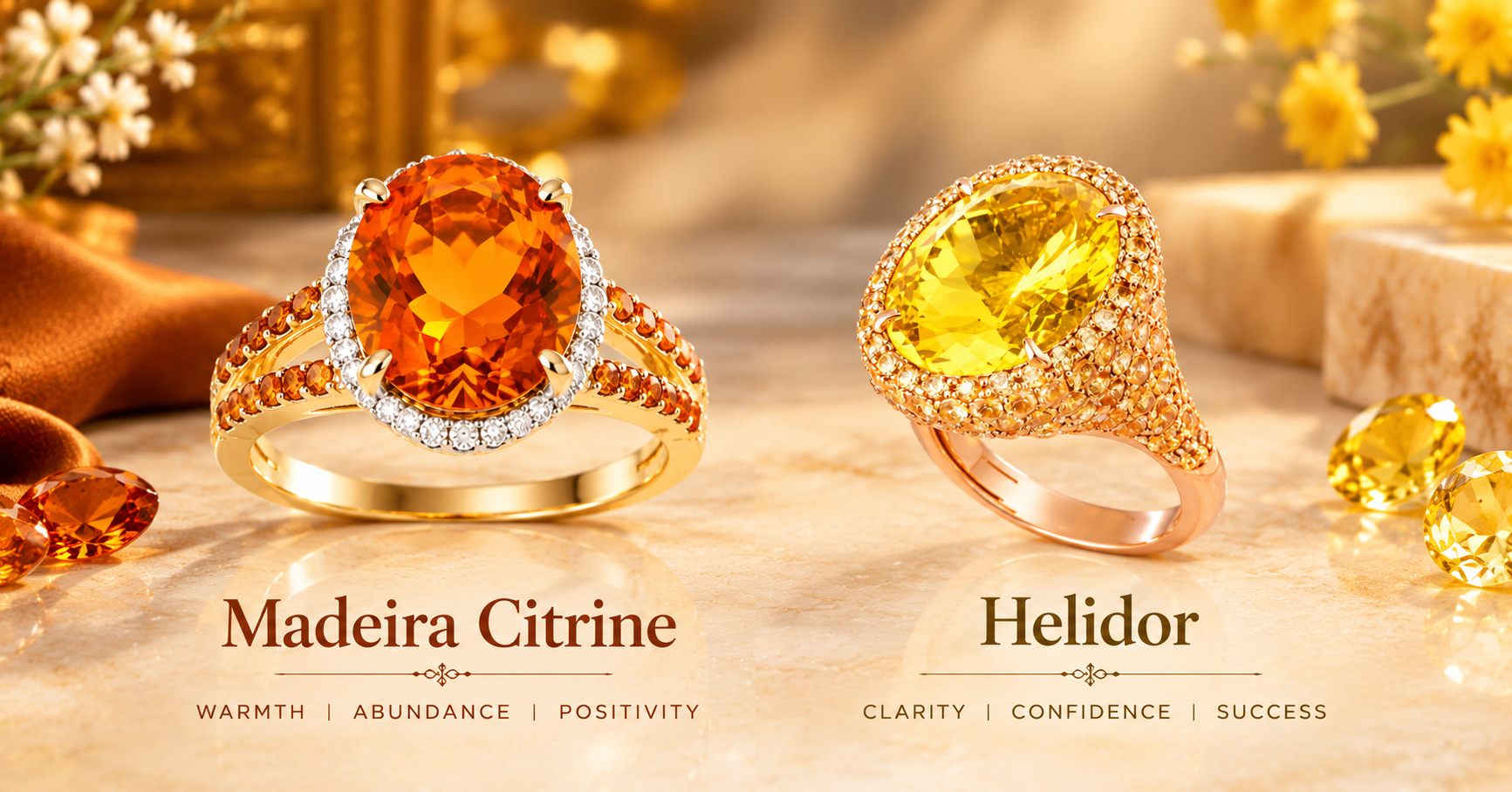
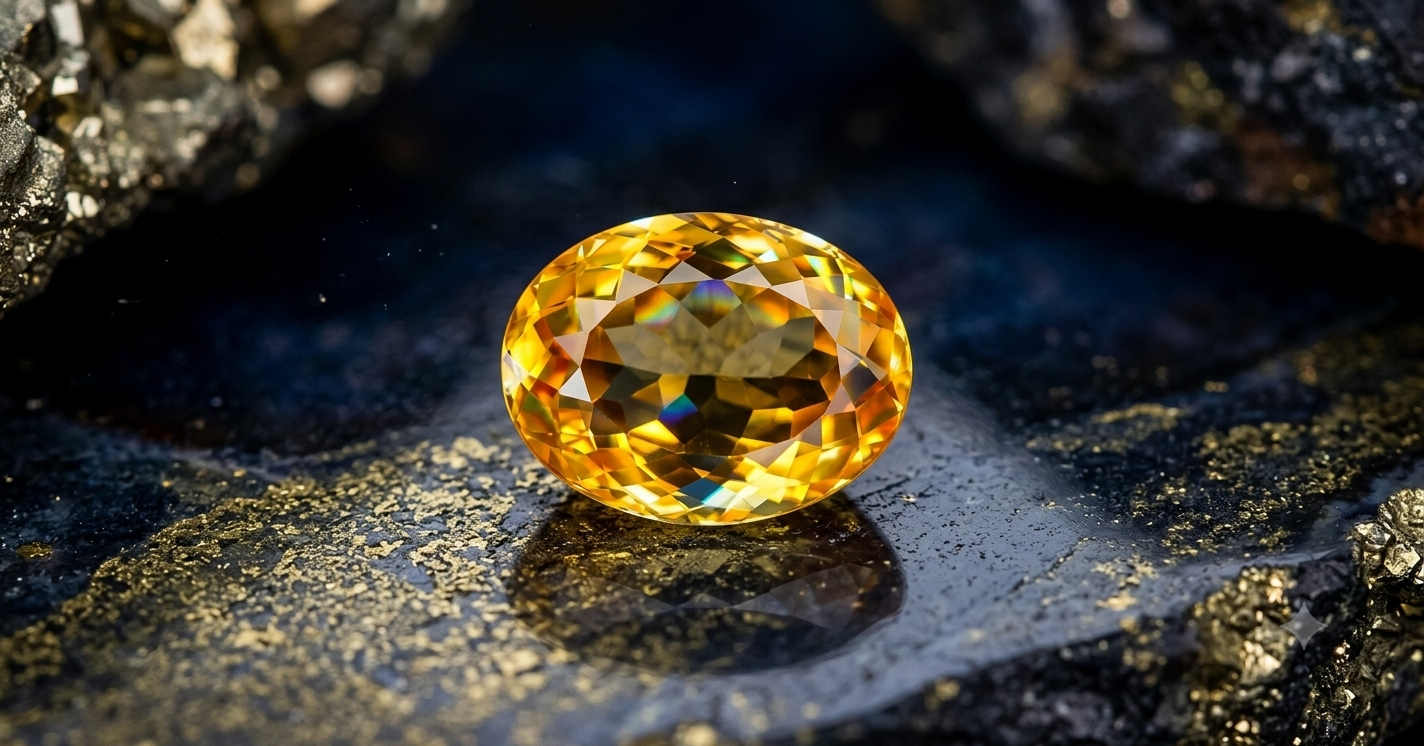
Citrine appeals to people who love the appearance of sunlight captured in a gemstone. Its colours range from pale lemon yellow to honey gold and deep orange-brown. The warmer shades work particularly well with yellow gold, rose gold, and neutral-toned outfits.
Citrine belongs to the quartz family, and much of the Citrine available in the market is produced by heat-treating Amethyst. Natural Citrine also exists, but it is relatively uncommon. Buyers should ask whether their gemstone is natural in colour or treated.
Citrine is a particularly attractive option for shoppers who want a golden gemstone for a birthday gift or a versatile jewellery collection. You can also read the GemRishi Citrine stone benefits and traditional meaning guide.
Which November Birthstone Is More Durable?
Durability is one of the most important factors when choosing a gemstone, especially if you plan to wear it in a ring.
Topaz has a Mohs hardness of 8, while Citrine measures 7. This means Topaz is more resistant to scratching under comparable conditions. However, hardness is not the same as toughness, which describes resistance to breaking or chipping.
Topaz has pronounced cleavage, meaning it can split along a particular internal plane if it receives a sufficiently hard impact. Citrine has good toughness and no cleavage, although it can still chip or fracture.
This distinction matters when choosing jewellery for regular use.
For everyday rings, Citrine can be a practical option because of its good toughness, particularly when set protectively. Both gemstones are suitable for pendants and earrings when handled and set properly. For statement rings, either stone can work, but Topaz deserves extra protection from hard knocks.
Neither stone is indestructible. A well-designed setting, careful handling, and regular inspection are important for both. These durability differences are described in GIA's November birthstone information.
Topaz vs Citrine: Meaning and Traditional Symbolism
Birthstones are often chosen for personal reasons, not just appearance. Many people enjoy wearing a gemstone that represents their birth month or carries a meaning they find significant.
What Does Topaz Symbolise?
Topaz is traditionally associated with love, strength, clarity, and good fortune. Across different historical and cultural traditions, it has been valued as a decorative gemstone with symbolic connections to positive qualities.
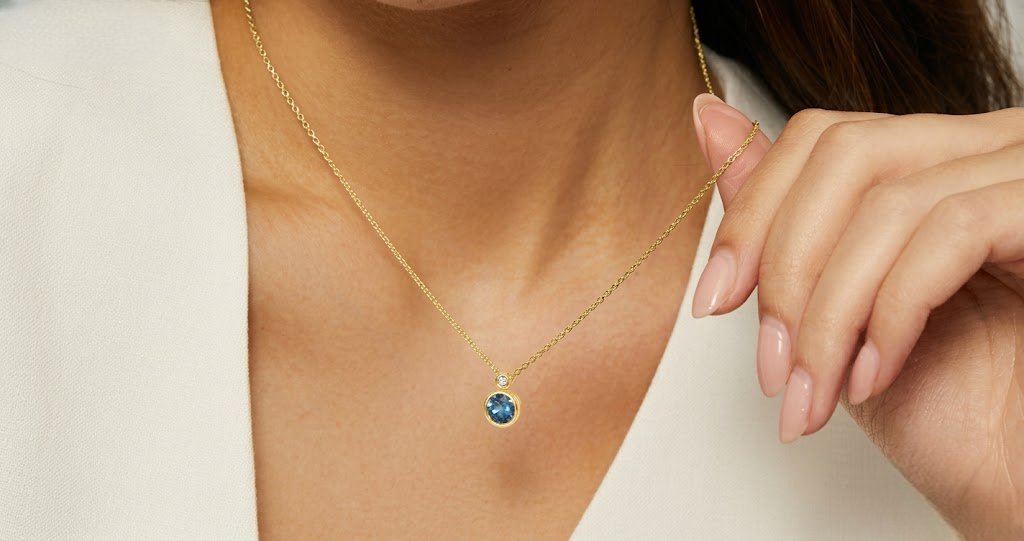
Its wide range of colours also makes it easy to select a variety that reflects personal taste. Golden Topaz may appeal to someone who loves warm colours, while Blue Topaz can suit someone who prefers cooler shades.
These meanings are traditional associations rather than scientifically established effects.
What Does Citrine Symbolise?
Citrine is commonly associated with joy, optimism, confidence, and abundance in crystal traditions. Its bright golden appearance has helped establish its reputation as a gemstone representing warmth and positivity.
Some crystal enthusiasts also call Citrine the “Merchant's Stone” because of its traditional association with prosperity. This is a cultural and spiritual belief, not evidence that wearing Citrine causes financial success.
For anyone choosing a November birthstone as a personal reminder of optimism or as a thoughtful gift, Citrine can carry a meaningful message without requiring the recipient to follow a particular belief system.
Topaz vs Citrine: Which November Birthstone Is More Affordable?
The price of Topaz and Citrine depends on several factors, including colour, clarity, cut, carat weight, treatment, origin, and certification. Neither gemstone has a single fixed price.
Citrine is generally an accessible choice for people looking for attractive yellow-to-orange gemstone jewellery. Its availability in a range of sizes makes it suitable for everything from delicate pendants to larger cocktail rings.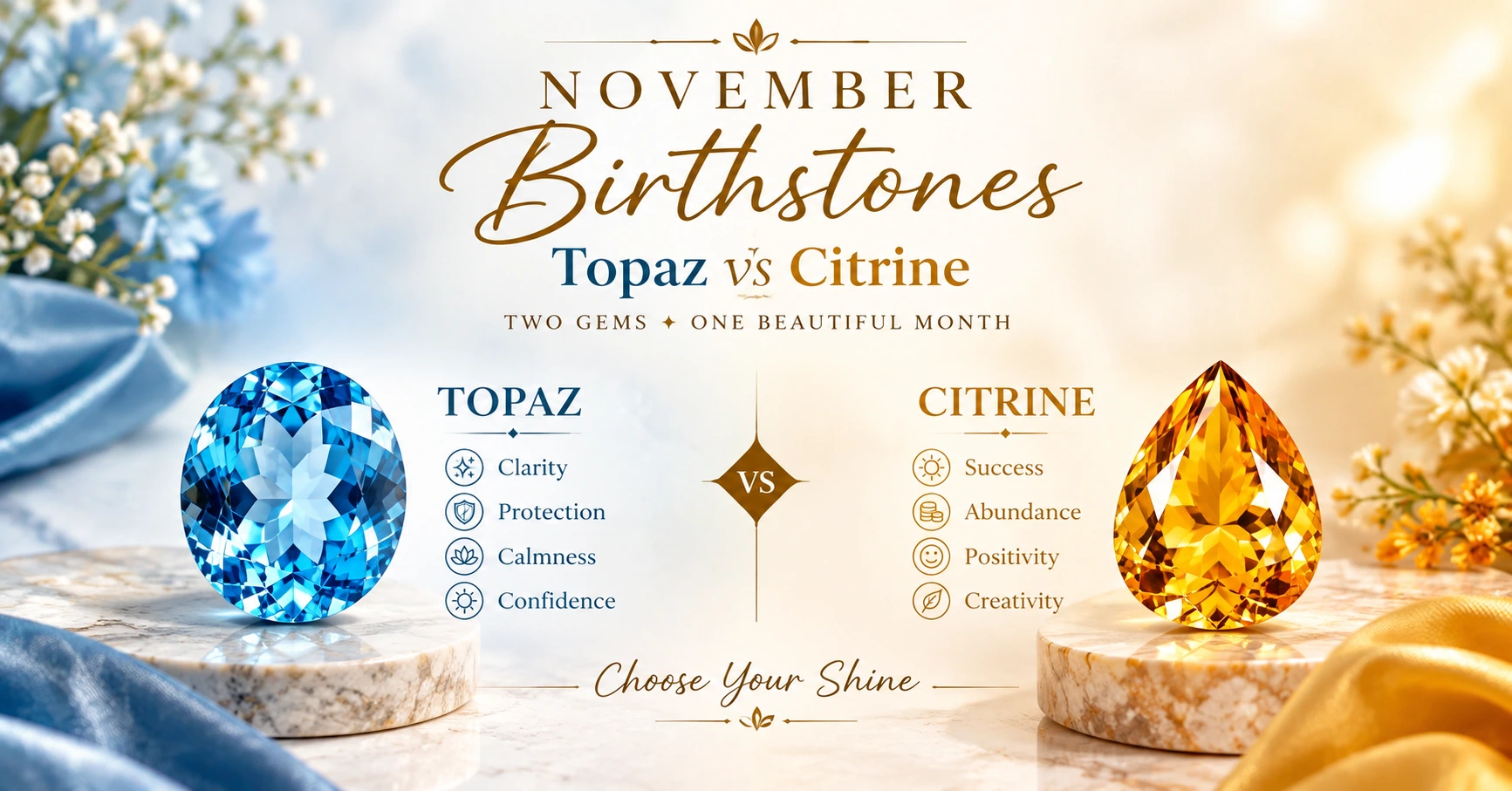
Topaz prices vary considerably. Common Blue Topaz and some yellow varieties can be relatively affordable, while fine-quality Imperial Topaz can command substantially higher prices because of its colour and relative rarity.
When comparing two gemstones, avoid assuming that Topaz is always more expensive than Citrine. The specific variety and quality matter more than the name alone.
Before buying either stone, compare the disclosed treatment, colour, clarity, cut, weight, and documentation. GemRishi's complete gemstone buying guide offers additional guidance on evaluating gemstone quality and authenticity.
Topaz vs Citrine: Which Jewellery Should You Choose?
Your jewellery style can help determine which November birthstone is right for you.
Topaz Rings
Golden Topaz creates a classic warm look, while Blue Topaz offers a brighter, cooler contrast. For rings, choose a protective setting and avoid exposing the stone to hard impacts.
Citrine Pendants
A golden Citrine pendant can add colour to everyday outfits without appearing overly elaborate. Solitaire and halo designs are popular styling choices.
Gemstone Earrings
Both stones can work beautifully in studs and drop earrings. Blue Topaz suits cool colour palettes, while Citrine complements warmer tones.
If you are exploring other gemstone styles, the GemRishi gemstone collection is a useful starting point. You can also learn how metal choice affects the appearance and practical suitability of gemstone jewellery in the GemRishi guide to choosing the right metal.
How to Care for Topaz and Citrine
Proper care helps preserve a gemstone's appearance over time.
For both stones, warm water, mild soap, and a soft brush are generally suitable for routine cleaning. Rinse carefully and dry with a soft cloth.
Keep these precautions in mind:
- Avoid hard impacts, particularly with Topaz, because its cleavage can make it vulnerable to splitting.
- Avoid steam cleaning both gemstones, as high heat or sudden temperature changes may cause damage.
- Do not use harsh chemicals or abrasive cleaning products.
- Store each gemstone separately to reduce scratches from contact with other jewellery.
- Ask a qualified jeweller before using ultrasonic cleaning, especially if the stone has been treated or the setting contains other delicate materials.
These simple steps can help keep your November birthstone jewellery looking beautiful. For additional guidance, refer to GIA's gemstone information.
Final Verdict: Topaz or Citrine?
Topaz and Citrine are both recognised November birthstones, but they appeal to different preferences.
Choose Topaz if you want a gemstone with a wider colour range, higher scratch resistance, and the option of striking blue or rare Imperial shades. Choose Citrine if you love warm golden colours, prefer the appearance of yellow quartz, or want a gemstone with good toughness for a variety of jewellery designs.
For most buyers, the best November birthstone is the one that suits their personal style, intended use, and budget. Pay attention to treatment disclosure, quality, and setting design rather than choosing solely on colour or traditional symbolism.
Whether you select the brilliant appeal of Topaz or the sunny warmth of Citrine, both offer a beautiful way to celebrate a November birthday.
Frequently Asked Questions About November Birthstones
1. What are the two birthstones for November?
The two November birthstones are Topaz and Citrine. Topaz is available in several colours, including blue, yellow, and pink, while Citrine is known for its yellow-to-orange shades.
2. Is Topaz or Citrine the official November birthstone?
Both are recognised November birthstones. Topaz is the traditional birthstone, while Citrine is also widely recognised as a November birthstone. You can explore both in the GemRishi gemstone collection.
3. Is Topaz better than Citrine?
Neither is universally better. Topaz is harder and comes in more colours, while Citrine has good toughness and is popular for its warm golden appearance. Your intended jewellery use should guide your decision.
4. Is Citrine more affordable than Topaz?
Citrine is often affordable, but prices depend on quality and size. Common Topaz varieties can also be inexpensive, whereas fine Imperial Topaz can be much more valuable.
5. Can I wear Citrine every day?
Yes, Citrine can be suitable for everyday jewellery. Its Mohs hardness of 7 and good toughness make it reasonably durable, although protective settings and sensible care are recommended.
6. Can I wear Topaz every day?
Yes, but Topaz needs careful handling because it can split along its cleavage plane after a hard impact. A protective setting and routine inspection are especially important for rings.
7. Is natural Citrine better than heat-treated Citrine?
Natural and heat-treated Citrine can both be genuine Citrine. The distinction concerns how the colour developed. Natural colour may matter to some collectors, while other buyers prioritise appearance, quality, and price. Always ask for treatment disclosure.
8. Is Blue Topaz a November birthstone?
Yes. Blue Topaz is a colour variety of Topaz, one of November's birthstones. Much of the Blue Topaz used in jewellery is treated to achieve its colour.
9. What is the meaning of Citrine for November birthdays?
Citrine is traditionally associated with optimism, joy, abundance, and prosperity. These associations come from cultural and crystal traditions and are not scientifically proven effects.
10. What does Topaz symbolise?
Topaz is traditionally associated with love, strength, and good fortune. Its symbolism can vary across cultures and historical traditions.
11. Can Topaz and Citrine be worn together?
Yes. Wearing Topaz and Citrine together is a style choice, and their golden shades can complement each other beautifully. You can combine golden Topaz with Citrine or create contrast with Blue Topaz.
12. How can I tell the difference between Topaz and Citrine?
Colour alone is not a reliable way to identify them because yellow Topaz and Citrine can look similar. They are different minerals, and a qualified gemologist can distinguish them using appropriate gemological tests. Ask the seller for clear identification and treatment details before purchasing.
13. Which November birthstone is best for a birthday gift?
Both are excellent choices. Topaz suits someone who appreciates a wider range of gemstone colours, while Citrine is ideal for someone who loves warm yellow and orange tones. Consider their jewellery preferences and budget before choosing.
14. Where can I buy November birthstone gemstones online?
You can begin exploring gemstone options through the GemRishi gemstone collection. Before purchasing, check the stone's identity, treatment disclosure, quality details, and any available certification.
Have Questions Regarding This Gemstone?
Connect 1-on-1 with GemRishi’s certified Vedic gemologists on WhatsApp for personalized birth chart recommendations, lab certificate verification, or custom jewelry quotes.
Gemrishi
Gemrishi is a certified gemologist and Vedic astrology scholar at GemRishi with over 15 years experience in natural gemstone origin authentication.