Topaz Gemstone: Benefits, Types, Colors, Meaning & Astrological Significance
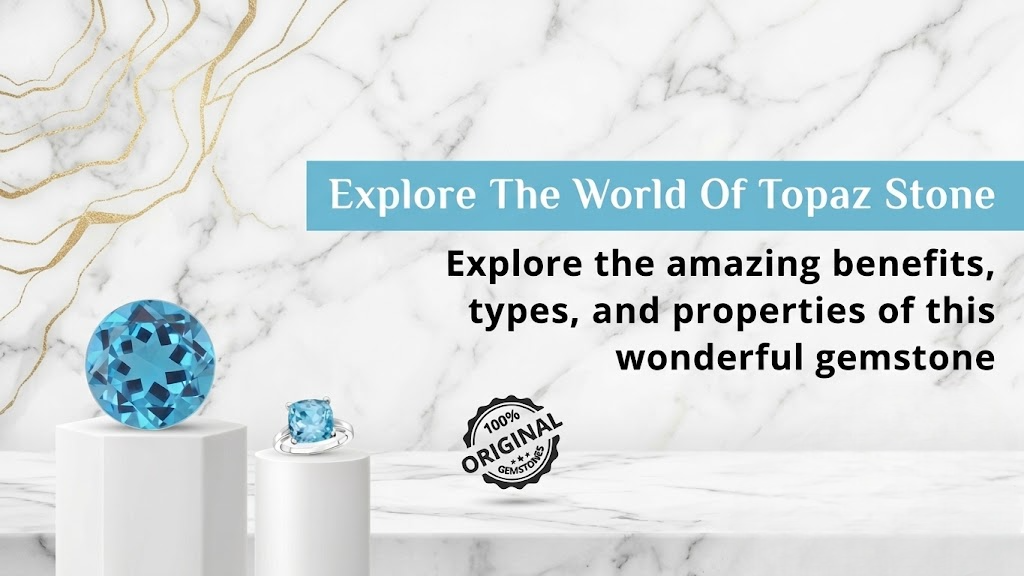
Topaz is one of those gemstones that can catch your attention without trying too hard. Its clean brilliance, attractive colours, and natural transparency make it popular in jewellery, while its long history of symbolism has given it a special place in different gemstone traditions.
From warm golden and yellow shades to refreshing blue, pink, white, and rare imperial tones, Topaz offers something for almost every taste. It is also a durable gemstone, making it suitable for rings, pendants, earrings, and other jewellery pieces.
For people interested in astrology, Topaz is sometimes discussed as a gemstone connected with planetary influences or as a substitute stone in traditional practices. However, gemstone astrology varies between traditions, so it is important to distinguish traditional beliefs from established gemological facts.
In this guide, we explore Topaz stone benefits, types, colours, meaning, astrological significance, and important buying considerations.
What Is Topaz?
Topaz is a naturally occurring gemstone. It is made up of mineral composed primarily of aluminium and fluorine-rich silicate. It forms in a range of geological environments and can occur naturally in several colours.
Pure Topaz is generally colourless. Its beautiful colours can result from trace elements, natural radiation, structural characteristics, or treatments.
Topaz is also known for its relatively high hardness. With a Mohs hardness of 8, it is harder than quartz and can be suitable for jewellery when handled properly.
If you are exploring gemstones for jewellery or astrology, GemRishi's complete gemstone buying guide explains why factors such as natural status, treatment, certification, quality, weight, and purpose matter when choosing a gemstone.
Types of Topaz
One of the most interesting things about Topaz is its variety of colours. While all varieties belong to the Topaz mineral species, their appearance and market value can differ considerably.
1. Blue Topaz
Blue Topaz is one of the most recognisable varieties available today. Its cool blue appearance gives it a clean and elegant look.
Natural blue Topaz is relatively uncommon, and much of the blue Topaz used in jewellery is produced by treating colourless Topaz.
Blue Topaz is especially popular in rings, earrings, pendants, and bracelets.
2. Imperial Topaz
Imperial Topaz is among the most prized varieties of Topaz. It is traditionally associated with attractive golden, orange, peach, and reddish-orange colours.
Fine examples with strong colour and good transparency can be highly desirable among collectors and gemstone enthusiasts.
The term "Imperial" should not automatically be treated as a guarantee of exceptional quality, however. Colour, clarity, cut, size, treatment, and origin all influence a gemstone's value.
3. Yellow or Golden Topaz
Yellow and golden Topaz have a warm appearance that makes them particularly attractive in traditional jewellery.
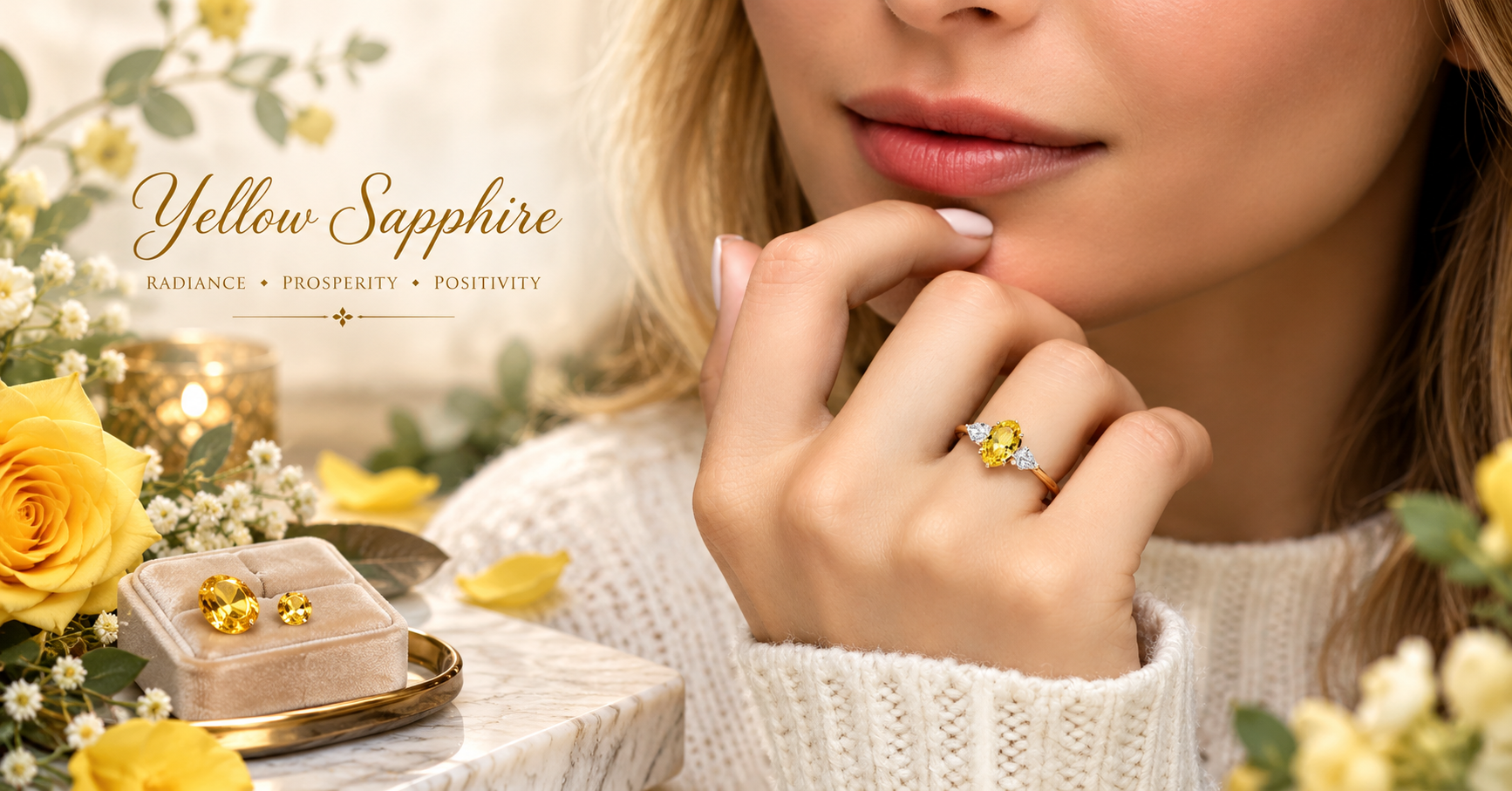
Because of its colour, Yellow Topaz is sometimes confused with other yellow gemstones such as Citrine or Yellow Sapphire.
This distinction is important. Yellow Topaz and Yellow Sapphire are different gemstones, even though both can appear yellow.
GemRishi's guide to identifying Yellow Sapphire discusses Yellow Topaz as one of the materials that may be confused with Pukhraj.
4. White or Colourless Topaz
Colourless Topaz is naturally transparent and can have a bright, glass-like appearance.
It is sometimes used as an affordable alternative to more expensive colourless gemstones in jewellery.
Its neutral appearance also makes it easy to pair with different metals and coloured gemstones.
5. Pink and Red Topaz
Pink Topaz can display delicate pastel pink through stronger pink tones. Natural pink Topaz is uncommon, and colour enhancement may be involved in some stones available in the market.
Red Topaz is particularly rare and highly valued when the colour is naturally occurring and attractive.
6. Mystic and Treated Topaz
Some Topaz varieties receive surface treatments that create unusual rainbow or multicoloured effects. These stones are often sold under trade names such as Mystic Topaz.
They can be beautiful jewellery stones, but buyers should understand that their appearance results from treatment rather than natural colour.
This is why asking about treatment is important before purchasing any gemstone.
GemRishi's guide on natural vs. heated gemstones explains why treatment status deserves attention, particularly when gemstones are being considered for traditional astrological purposes.
Topaz Stone Benefits
Topaz has been associated with different symbolic and traditional benefits throughout history. These should be understood as traditional beliefs rather than scientifically established effects.
1. Traditionally Associated With Clarity
Topaz is often symbolically connected with clarity, confidence, and a focused outlook.
People who enjoy crystal and gemstone traditions may choose Topaz as a reminder to stay clear-headed and purposeful.
2. Associated With Confidence and Expression
Some traditional interpretations connect Topaz with communication, self-expression, and personal confidence.
For this reason, it may appeal to people who want a gemstone carrying symbolism related to expressing their thoughts and ideas.
3. Traditionally Linked With Abundance
Golden and yellow varieties of Topaz have historically been associated with warmth, prosperity, abundance, and positive energy in some traditions.
These associations are symbolic and should not be interpreted as a guarantee of financial success.
4. A Popular Jewellery Gemstone
One of the most practical benefits of Topaz is simply its beauty and versatility.
Its range of colours means that it can complement both traditional and contemporary jewellery designs.
Blue Topaz can create a cool, modern appearance, while golden or Imperial Topaz offers a warmer and more luxurious look.
5. Suitable for Different Jewellery Styles
Topaz can be fashioned into many cuts, including oval, round, pear, cushion, emerald, and other shapes.
Its transparency also allows skilled cutting to bring out attractive brilliance.
Topaz and Vedic Astrology
Topaz requires some clarification when discussed in Vedic astrology.
Unlike the traditional Navratna gemstones, Topaz does not have one universally accepted planetary association across all Vedic astrology traditions.
Yellow Topaz is sometimes discussed as a substitute or alternative for Yellow Sapphire (Pukhraj), which is traditionally associated with Jupiter. However, a substitute gemstone should not automatically be considered identical to the primary gemstone.
GemRishi's Yellow Sapphire resources similarly distinguish Yellow Topaz and Citrine from natural Yellow Sapphire.
If you are considering Topaz specifically for astrology, it is better to look at the complete birth chart and the purpose for which the gemstone is being recommended rather than choosing it solely because of colour or zodiac sign.
How to Choose a Good Topaz
Whether you're buying Topaz for jewellery or traditional gemstone practices, consider the following:
Natural status: Find out whether the gemstone is natural, synthetic, or treated.
Colour: Choose a colour that is attractive, even, and appropriate for the variety.
Clarity: Look for good transparency and avoid severe fractures or damage.
Cut: A well-proportioned cut can significantly improve brilliance.
Carat weight: A larger gemstone is not automatically a better gemstone.
Treatment: Ask whether the colour has been enhanced through treatment.
Certification: For valuable gemstones, a reliable laboratory report can provide useful information about identity and treatment.
GemRishi recommends considering natural status, treatment, certification, colour, clarity, origin, weight, durability, price, and seller transparency before purchasing a gemstone.
You can also explore the GemRishi gemstone collection to learn more about natural and certified gemstone options.
Natural Topaz vs Treated Topaz
Treatment is common in the gemstone industry and does not necessarily mean that a gemstone is fake.
For example, much of the blue Topaz available in jewellery is produced by treating naturally colourless Topaz.
The important point is disclosure.
A buyer should know what gemstone they are purchasing and whether it has been treated. This becomes especially important when the stone is being purchased for traditional astrological purposes, where some practitioners prefer natural stones with minimal or no treatment.
How to Care for Topaz
Topaz is reasonably hard but should still be handled carefully because of its cleavage.
Keep these simple care tips in mind:
- Avoid strong impacts and sudden knocks.
- Remove Topaz jewellery during strenuous activities.
- Store it separately from harder gemstones such as diamonds and sapphires.
- Use mild soapy water and a soft cloth for routine cleaning.
- Avoid exposing treated Topaz to unnecessary heat or harsh chemicals.
- Have valuable jewellery professionally checked from time to time.
Frequently Asked Questions About Topaz
1. Is Topaz a real gemstone?
Yes. Topaz is a naturally occurring mineral and a recognised gemstone. It occurs in several natural colours, including colourless, yellow, golden, and some pink and reddish varieties.
2. What are the main types of Topaz?
Common varieties include Blue Topaz, Imperial Topaz, Yellow or Golden Topaz, Colourless Topaz, Pink Topaz, and treated varieties such as Mystic Topaz.
3. What is Topaz traditionally believed to represent?
Depending on the tradition, Topaz may be associated with clarity, confidence, abundance, positivity, and self-expression. These are traditional symbolic associations rather than scientifically proven effects.
4. Is Yellow Topaz the same as Yellow Sapphire?
No. Yellow Topaz and Yellow Sapphire are completely different gemstones. Yellow Sapphire belongs to the corundum family, while Topaz is a separate mineral species.
5. Can Topaz be worn for astrology?
Topaz is sometimes considered in traditional astrological practices, particularly as an alternative or substitute in certain contexts. However, there is no single universal astrological rule for Topaz. Personal astrological suitability should be considered before wearing it as a planetary gemstone.
6. Is Blue Topaz naturally blue?
Most commercially available Blue Topaz is produced by treating naturally colourless Topaz. Therefore, buyers should ask about treatment if natural colour is important to them.
7. How can I check whether a Topaz is genuine?
Visual inspection alone cannot reliably establish a gemstone's identity or treatment history. For a valuable stone, a professional gemological examination and a reliable laboratory certificate are better ways to verify its characteristics.
Final Thoughts
Topaz is much more than a single-colour gemstone. From icy Blue Topaz and elegant Colourless Topaz to warm Golden Topaz and rare Imperial Topaz, its diversity is one of the reasons it remains popular among jewellery lovers and gemstone enthusiasts.
Its beauty, reasonable hardness, range of colours, and long history of symbolism make it an interesting gemstone to explore.
If your interest is jewellery, focus on colour, clarity, cut, durability, treatment, and personal style. If your interest is astrology, remember that traditional gemstone recommendations are generally more personalised than simply choosing a stone based on its colour or zodiac sign.
Most importantly, understand exactly what you are buying. A natural gemstone, a treated gemstone, and a synthetic or imitation material can look similar but are not the same. Checking certification and treatment information can help you make a more informed purchase.
For more guidance on choosing authentic gemstones, explore the GemRishi gemstone buying guide and browse the GemRishi gemstone collection.
Have Questions Regarding This Gemstone?
Connect 1-on-1 with GemRishi’s certified Vedic gemologists on WhatsApp for personalized birth chart recommendations, lab certificate verification, or custom jewelry quotes.
Gemrishi
Gemrishi is a certified gemologist and Vedic astrology scholar at GemRishi with over 15 years experience in natural gemstone origin authentication.