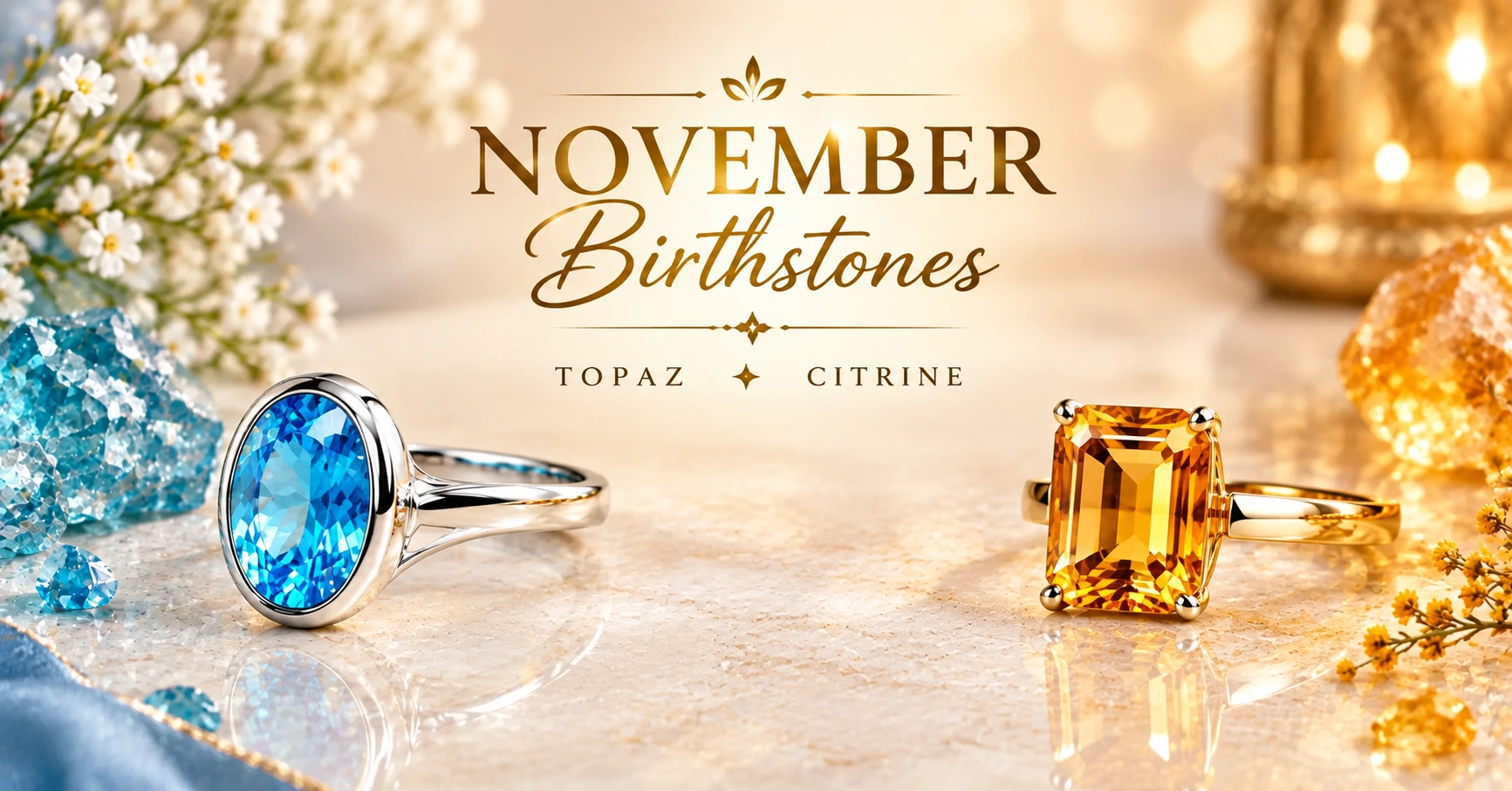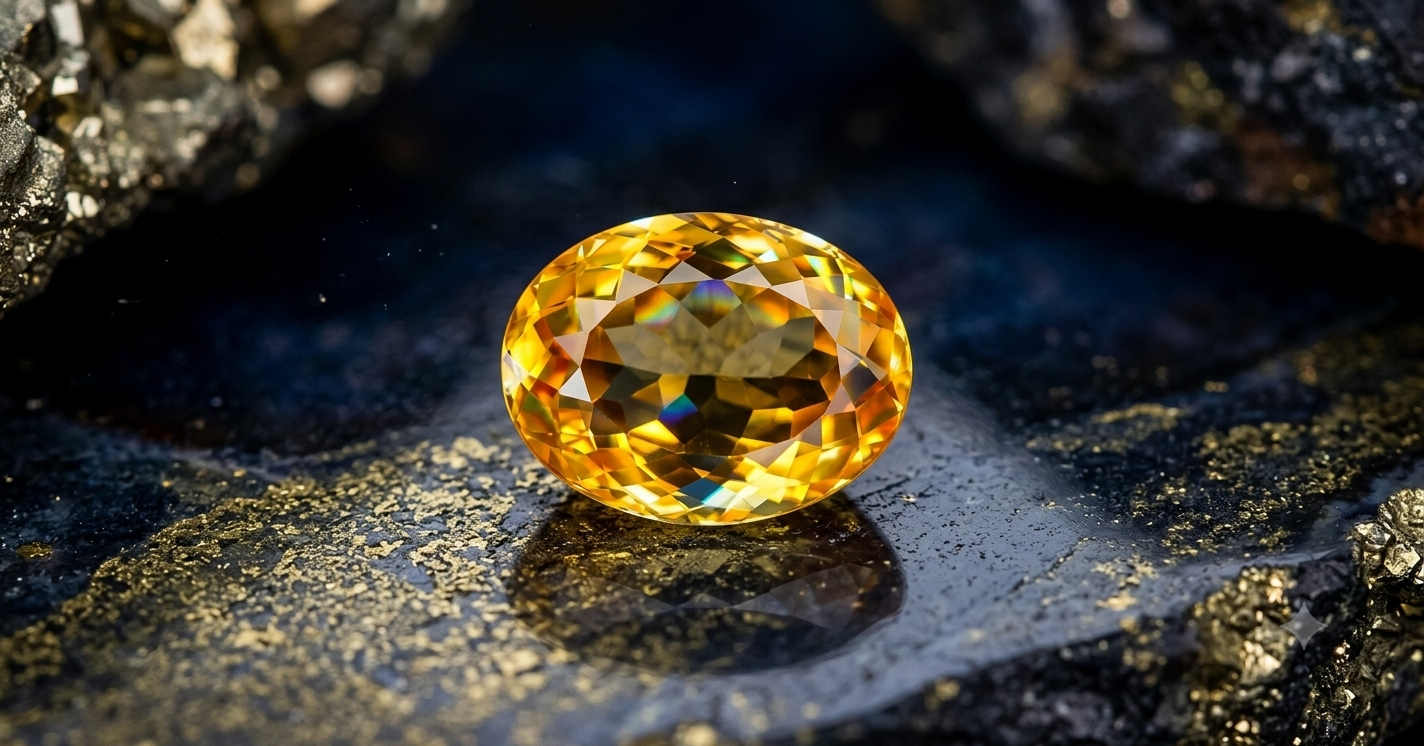
Why Madeira Citrine and Golden Heliodor Are Stealing the High-Jewelry Spotlight
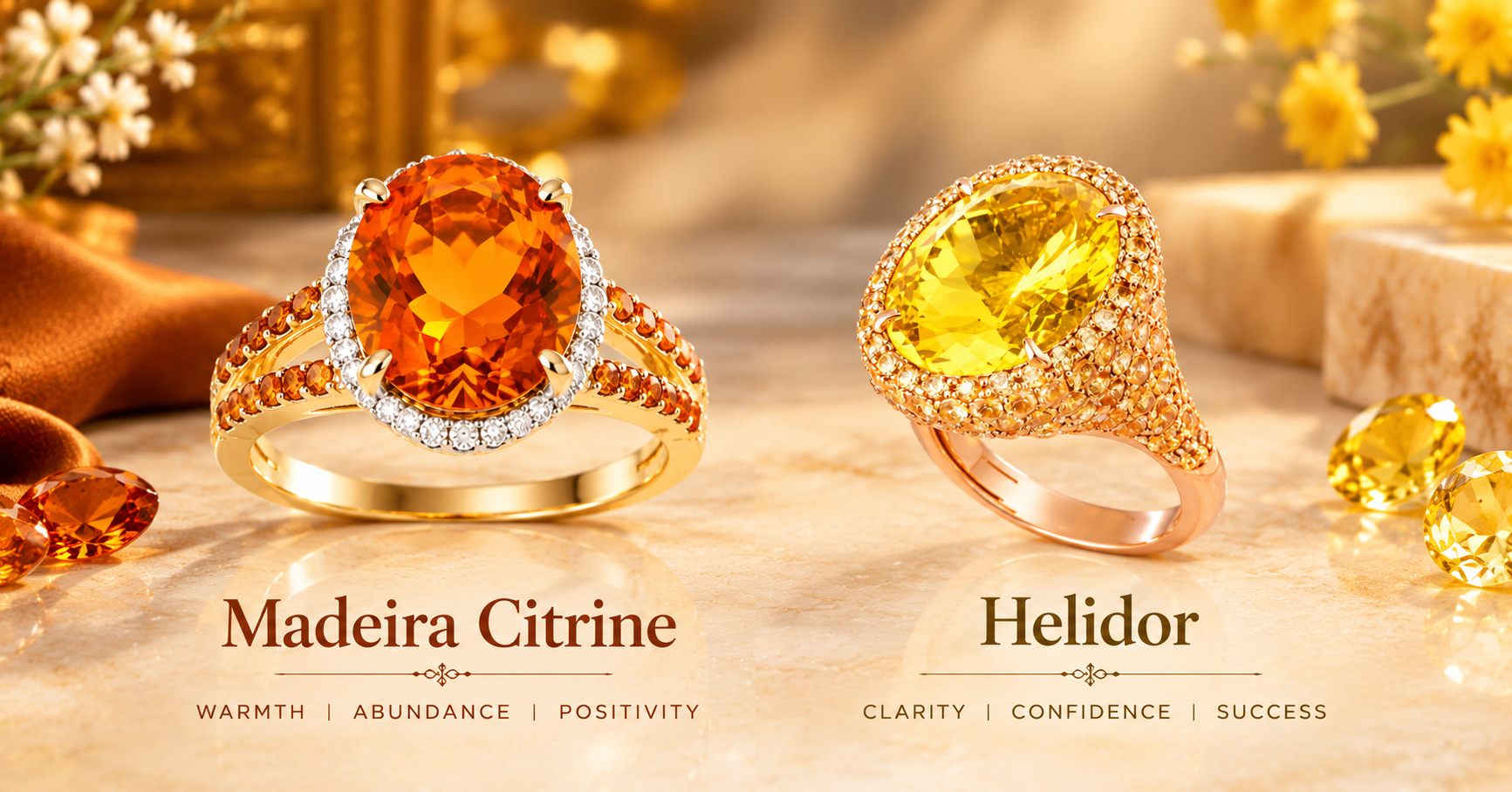
Whenever we talk about luxury jewellery warm golden colours comes in our mind. They bring richness to a design, complement precious metals beautifully. Yellow colour have a good brillliance and suits in personality.They makes bold statement jewellery. Among the coloured gemstones that offer these qualities are Madeira citrine and Golden heliodor.
Madeira citrine is admired for its deep orange to reddish-orange colour, often with a warm, amber-like appearance. Golden heliodor offers a different character, with shades ranging from clear yellow to rich golden yellow and sometimes a subtle greenish tone. These gemstones create distinctive and a different looks and give jewellery designers more ways to explore colour.Apart from their briiliance designers with special and creative cuts made these gemstone more popular.
For designers and gemstone enthusiasts, the two stones offer an opportunity to explore colour, craftsmanship, and individuality. Understanding what makes each one special helps explain their place in contemporary high-jewellery design.
Let's quickly go through this guide and explore the detailed analysis of these stones.
What Makes Madeira Citrine So Special?
Madeira citrine is a dominant yellow coloured form of citrine. It is known for its deep orange, reddish-orange, and brownish-orange looks. The name is termed to its warm colour of Madeira wine. It is a descriptive trade name rather than a separate mineral species.
Citrine is a variety of quartz, with the chemical composition SiO₂. Its yellow-to-orange colour is associated with trace iron in its crystal structure. Most of the citrine sold commercially is produced by heat-treating amethyst. For this reason, buyers should check whether a stone's colour is natural or treated rather than assuming that a deep orange shade indicates natural origin.
A Rich Colour That Works Beautifully in Fine Jewellery
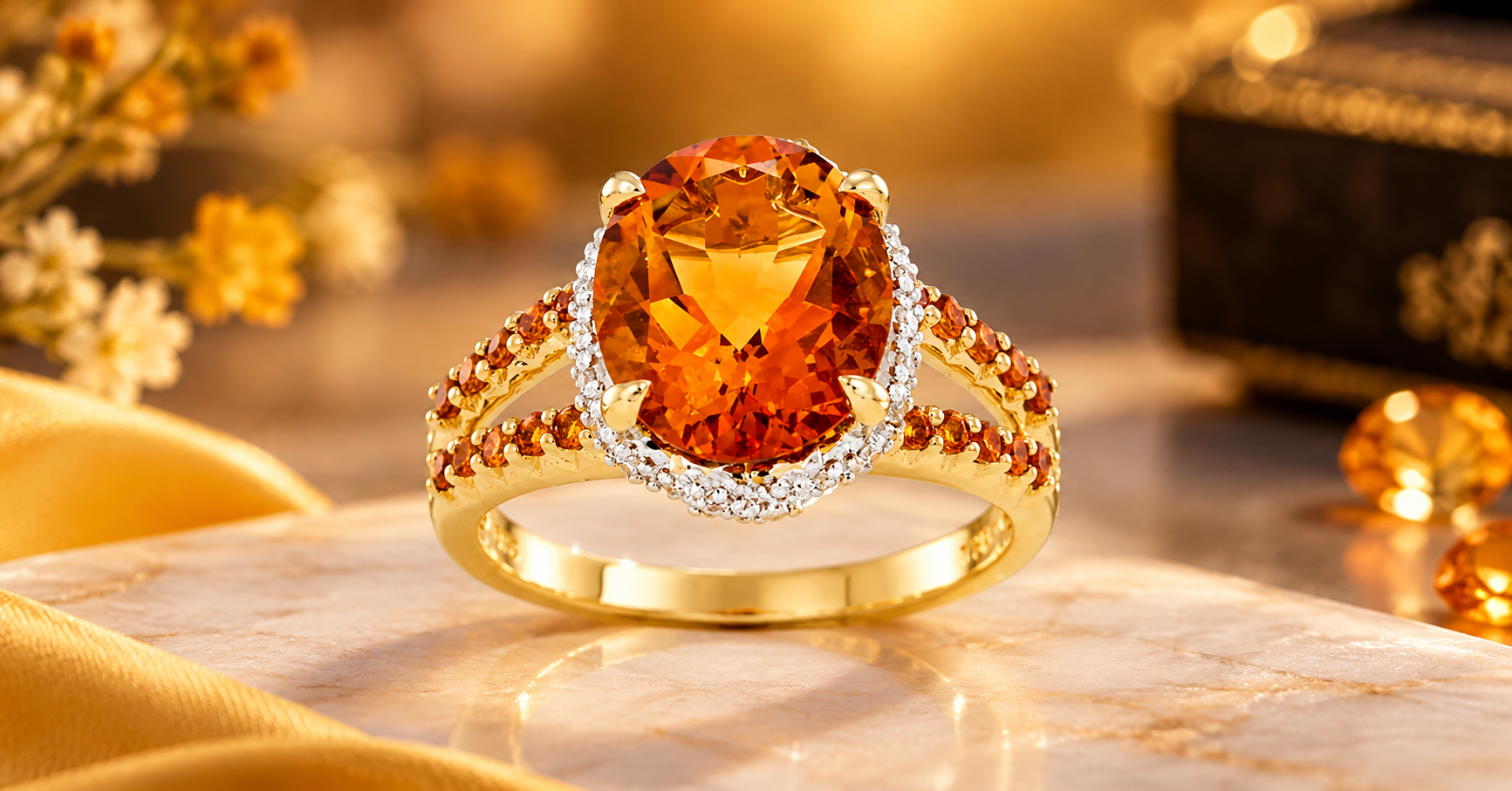
The appeal of Madeira citrine lies in its depth of colour. Pale citrine gives jewellery a light, sunny appearance, while deeper orange and reddish-orange varieties create a more dramatic effect.
In high-jewellery designs, this colour can complement yellow gold, rose gold, and contrasting white metals. A carefully cut Madeira citrine can become the focal point of a cocktail ring, pendant, or pair of statement earrings.
Its warm colour also pairs well with diamonds. Small, colourless diamonds can provide contrast around the centre stone, while a simpler gold setting allows the citrine to remain the main attraction.
Why Cut and Clarity Matter
Citrine has a Mohs hardness of 7. It is suitable for many types of jewellery when properly set and cared for. It is often available in larger sizes, which gives designers room to experiment with elongated cuts, unusual silhouettes, and substantial centre stones.
For a high-quality piece, look for attractive colour, good transparency, and a cut that distributes colour evenly across the stone. Visible inclusions and uneven colour zoning may affect its appearance, although the importance of these characteristics depends on the design and the individual gemstone.
Explore the GemRishi gemstone collection to discover more coloured gemstones for jewellery inspiration.
Golden Heliodor: The Understated Beauty of Golden Beryl
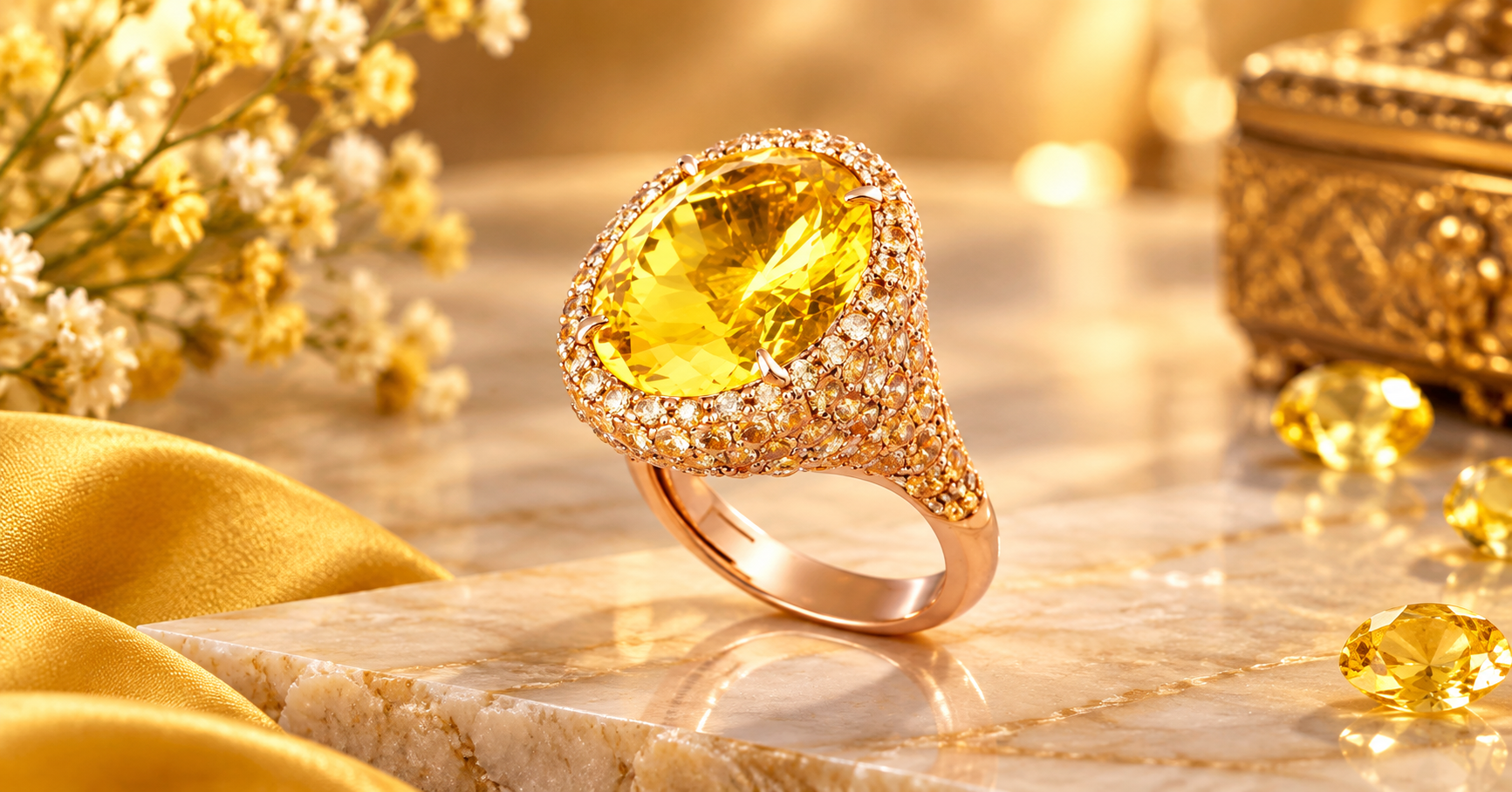
Golden heliodor is a variety of beryl. It is known for its clear yellow to golden-yellow colour and lusturous brilliance. Its subtle brilliance makes it an appealing choice for fine jewellery, especially for those who appreciate gemstones with natural colour and understated elegance. Unlike Madeira citrine, which displays rich orange to reddish-orange tones, heliodor is typically recognised for its lighter, sunny hues. Its colour is mainly associated with trace amounts of iron within the crystal structure. Heliodor belongs to the same mineral family as emerald, aquamarine, and morganite, although each variety differs in colour and appearance. With a Mohs hardness of 7.5 to 8, it is suitable for many types of jewellery when properly set and cared for. Its transparency and natural lustre allow it to perform beautifully in a range of cuts. These qualities make golden heliodor an interesting choice for designers seeking an alternative to more familiar yellow gemstones.
Why is Helidor A Different Stone?
One of heliodor's most appealing qualities is its balance of colour and transparency. A well-cut stone can look bright and lively without the strong orange tones associated with Madeira citrine.
Its colour range makes it versatile. Pale yellow heliodor can suit delicate jewellery, while deeper golden stones work well in larger rings, pendants, and bespoke designs. The stone can look particularly striking in yellow gold, where the metal reinforces its warm colour, or in white gold and platinum, where the contrast makes the gemstone stand out.
Heliodor is also less familiar to many jewellery buyers than emerald or aquamarine. That relative lack of recognition gives designers an opportunity to use a less conventional centre stone and create a piece that feels personal.
Its market value depends on factors such as colour, clarity, cut, size, treatment, and origin where reliably established.
Why These Gemstones Work in High-Jewellery Design
High jewellery is not simply about choosing an expensive gemstone. The overall effect depends on how the stone, setting, proportions, and craftsmanship work together.
1. Colour Becomes the Centre of the Design
Madeira citrine can introduce a strong orange focal point, particularly in a large oval or cushion cut. Golden heliodor offers a lighter golden presence that works well in clean, balanced designs.
Both can be used as centre stones without requiring elaborate settings. Their individual colours provide much of the visual interest.
2. They Offer Room for Creative Cuts
Traditional oval, pear, cushion, and emerald cuts remain useful choices, but bespoke jewellery allows designers to explore unusual proportions and arrangements.
A long, rectangular heliodor can emphasise its clean yellow colour, while a cushion-cut Madeira citrine can showcase its rich orange tones. The final result depends on the rough material, colour distribution, and cutter's decisions.
3. They Pair Naturally With Precious Metals
Yellow gold reinforces the warmth of both stones. Rose gold creates a softer, coordinated palette, while white gold and platinum introduce a cooler contrast.
For a more detailed approach to gemstone jewellery, explore the GemRishi gemstone collection and discover how different gemstone colours can influence a design.
4. They Suit Both Statement and Minimalist Jewellery
A large, well-cut gemstone can anchor a statement ring or pendant. Smaller stones can also be used in delicate earrings, understated rings, or contemporary designs.
Madeira citrine tends to make a stronger visual statement through its deeper colour. Golden heliodor can create a lighter, more restrained effect. Neither requires a particular jewellery style to look appealing.
How to Choose the Right Stone
Before buying either gemstone, consider how you intend to wear it and what matters most to you.
Choose Madeira citrine if you prefer:
- Deep orange or reddish-orange colour.
- A warm centre stone for a statement ring or pendant.
- A gemstone that complements yellow or rose gold.
- The appearance of rich, saturated colour.
Choose golden heliodor if you prefer:
- Clear yellow or golden-yellow tones.
- A less familiar alternative to more widely recognised gemstones.
- A gemstone from the beryl family.
- A versatile stone for bespoke jewellery designs.
These are style-based recommendations rather than rules. The quality of an individual gemstone matters more than its name alone.
What to Check Before Buying
When shopping for either stone, examine the colour in natural or neutral lighting, check for visible inclusions, and look at the symmetry and finish of the cut. Ask for clear information about treatments and natural origin.
This is particularly important with Madeira citrine because much commercial citrine is heat-treated amethyst. A deep orange colour is not proof that a citrine formed naturally in that shade.
For heliodor, ask whether the seller can confirm the gemstone's identity and disclose any known treatment. A gemological report may be worthwhile for a valuable purchase.
You can begin exploring gemstones through the GemRishi homepage and its gemstone collection.
Caring for Madeira Citrine and Golden Heliodor
Both stones are suitable for jewellery, but reasonable care helps preserve their appearance.
- Clean gently: Use lukewarm water, mild soap, and a soft brush.
- Avoid sudden temperature changes: Citrine can fracture under thermal shock.
- Protect against hard knocks: Both gemstones can chip or fracture if struck, even though they have relatively good hardness.
- Store separately: Keep jewellery away from harder gemstones and pieces that may scratch or damage it.
- Check settings regularly: Prongs and mounts should be inspected, especially on rings worn frequently.
For citrine, gentle cleaning with warm, soapy water is a recommended method, and sudden temperature changes should be avoided. For heliodor, gentle cleaning is also a sensible everyday approach.
Final Thoughts & Conclusion
Madeira citrine stands out for its rich orange and reddish-orange tones, while golden heliodor offers the clear yellow character of the beryl family.
Their appeal is not simply about following a trend. Both give designers room to explore gemstone colour, creative cuts, precious-metal combinations, and individual expression.
For buyers, the best choice comes down to personal taste, the quality of the stone, reliable treatment information, and the design in which it will be set. With careful selection and thoughtful craftsmanship, either gemstone can become a distinctive part of a jewellery collection.
Frequently Asked Questions
1. What is Madeira citrine?
Madeira citrine is a trade name for richly coloured citrine, usually with deep orange or reddish-orange tones. Citrine is a variety of quartz.
2. Is Madeira citrine a natural gemstone?
Citrine occurs naturally, but much of the commercial material is heat-treated amethyst. Buyers should confirm treatment details rather than assume the colour is natural.
3. What is golden heliodor?
Golden heliodor is a yellow variety of beryl, a mineral family that also includes emerald, aquamarine, and morganite.
4. Is heliodor harder than citrine?
Yes. Heliodor measures 7.5–8 on the Mohs scale, while citrine measures 7.
5. Which gemstone is better for rings?
Both can be used in rings. A protective setting and sensible care are important, particularly for rings exposed to frequent knocks.
6. Does Madeira citrine cost more than heliodor?
Not necessarily. Prices depend on colour, clarity, cut, size, treatment, origin, and market demand. Neither gemstone has a fixed price advantage.
7. Can golden heliodor be worn with yellow gold?
Yes. Yellow gold can complement heliodor's golden colour, while white metals can provide contrast.
8. How can I verify the identity of either gemstone?
Purchase from a seller who provides accurate treatment disclosures and, when appropriate, an independent gemological identification report. Appearance alone is not enough to establish identity or origin.
Have Questions Regarding This Gemstone?
Connect 1-on-1 with GemRishi’s certified Vedic gemologists on WhatsApp for personalized birth chart recommendations, lab certificate verification, or custom jewelry quotes.
Gemrishi
Gemrishi is a certified gemologist and Vedic astrology scholar at GemRishi with over 15 years experience in natural gemstone origin authentication.