Choosing the Right Metal for Your Gemstone: Gold, Silver, or Panchdhatu?
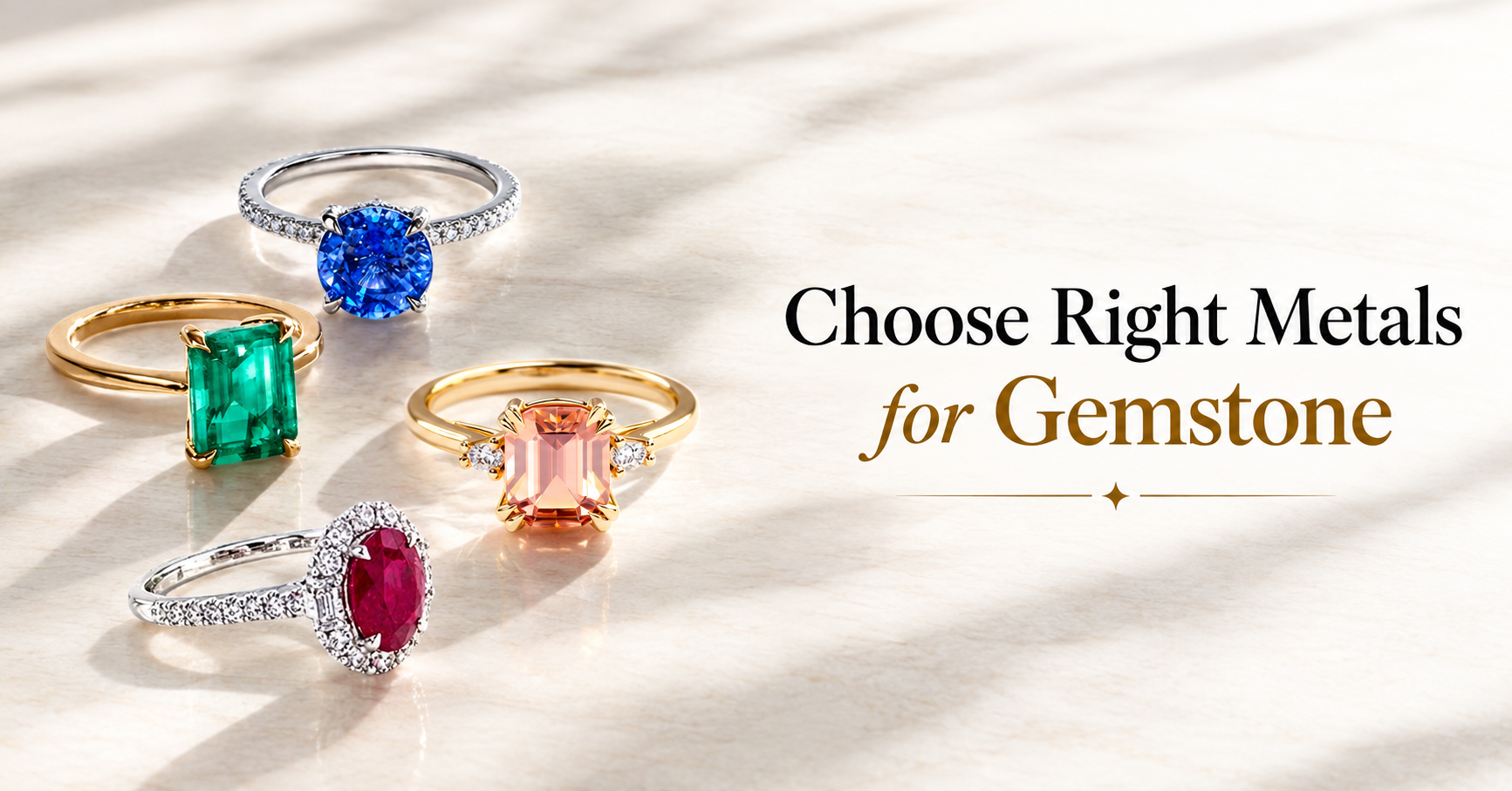
A gemstone is more than a beautiful addition to your jewellery collection. In traditional Vedic astrology, the metal used to set a gemstone is also considered an important part of the wearing process. While some gemstones are traditionally associated with gold, others are commonly linked with silver or specific metal combinations.
But how do you choose the right metal for your gemstone? Should you wear Yellow Sapphire in gold, Emerald in gold or silver, or Pearl in silver? The answer depends on the gemstone, traditional astrological guidance, personal preference, and practical considerations.
In this guide, we explore how to choose the right metal for your gemstone so you can make a more informed decision when shopping for gemstone jewellery.
Why Does Metal Matter When Wearing a Gemstone?
Metal influences a gemstone's appearance, durability, comfort, and overall jewellery design. In Vedic astrological traditions, metals are also associated with different planetary energies, and certain gemstone-metal combinations are commonly recommended.
For example, Yellow Sapphire is traditionally worn in gold, while Pearl is often associated with silver. These associations vary across traditions and should not be treated as universal rules.
From a practical perspective, the right setting should hold your gemstone securely, suit your lifestyle, and complement the stone's colour. If you are choosing a gemstone for astrological reasons, consider consulting a knowledgeable practitioner before making your final decision.
Explore the Gemrishi gemstone collection to discover gemstone options and learn more before choosing your jewellery.
1. Gold: A Traditional Choice for Many Gemstones
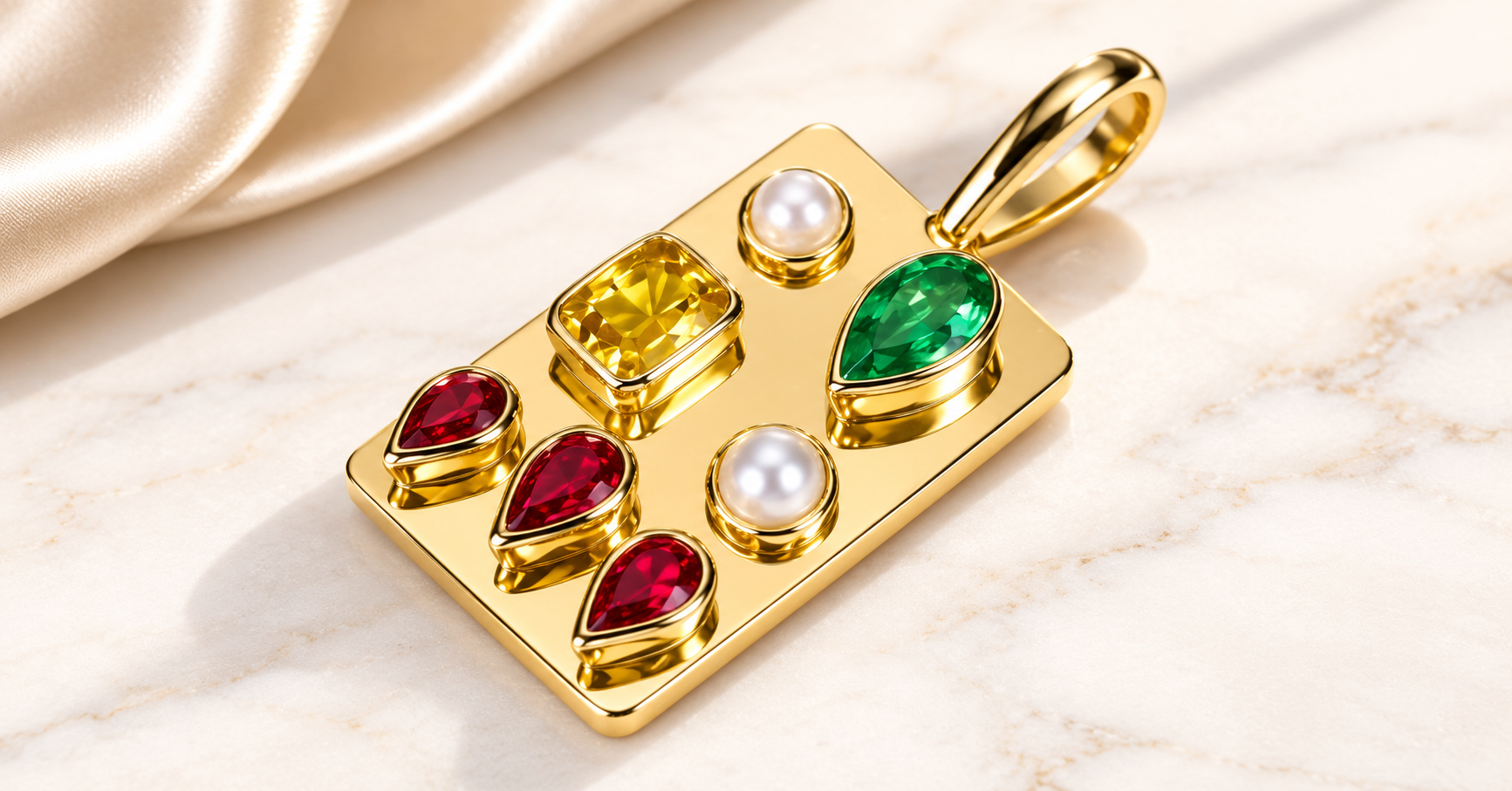
Gold is a popular metal for gemstone rings and pendants because of its rich appearance, lasting appeal, and versatility. In Vedic astrology, it is traditionally associated with the Sun and Jupiter.
Which gemstones are commonly worn in gold?
- Yellow Sapphire (Pukhraj): Traditionally associated with Jupiter and commonly set in gold.
- Ruby (Manik): Often recommended in gold or other suitable settings in traditional astrological practice.
- Red Coral (Moonga): Frequently associated with gold or copper, depending on the tradition followed.
- Emerald (Panna): Gold is used in some traditions, although silver and other settings may also be recommended.
Why choose gold?
Gold offers a warm contrast to stones such as Yellow Sapphire and Ruby. It is also available in different purities and colours, including yellow, white, and rose gold.
Keep in mind that gold purity affects hardness and durability. A jeweller can help you select a suitable alloy and setting for everyday wear.
If you are exploring traditional planetary gemstones, start with the Gemrishi website and review the gemstone options available before deciding.
2. Silver: A Classic Choice for Certain Gemstones
Silver is valued for its cool-toned appearance and is commonly used in rings, pendants, and other gemstone jewellery. In traditional astrology, silver is often associated with the Moon.
Which gemstones are commonly worn in silver?
- Pearl (Moti): Traditionally associated with silver.
- Moonstone: Often set in silver for its soft, luminous appearance.
- White gemstones: Silver can complement many light-coloured stones, depending on the design and the gemstone's durability.
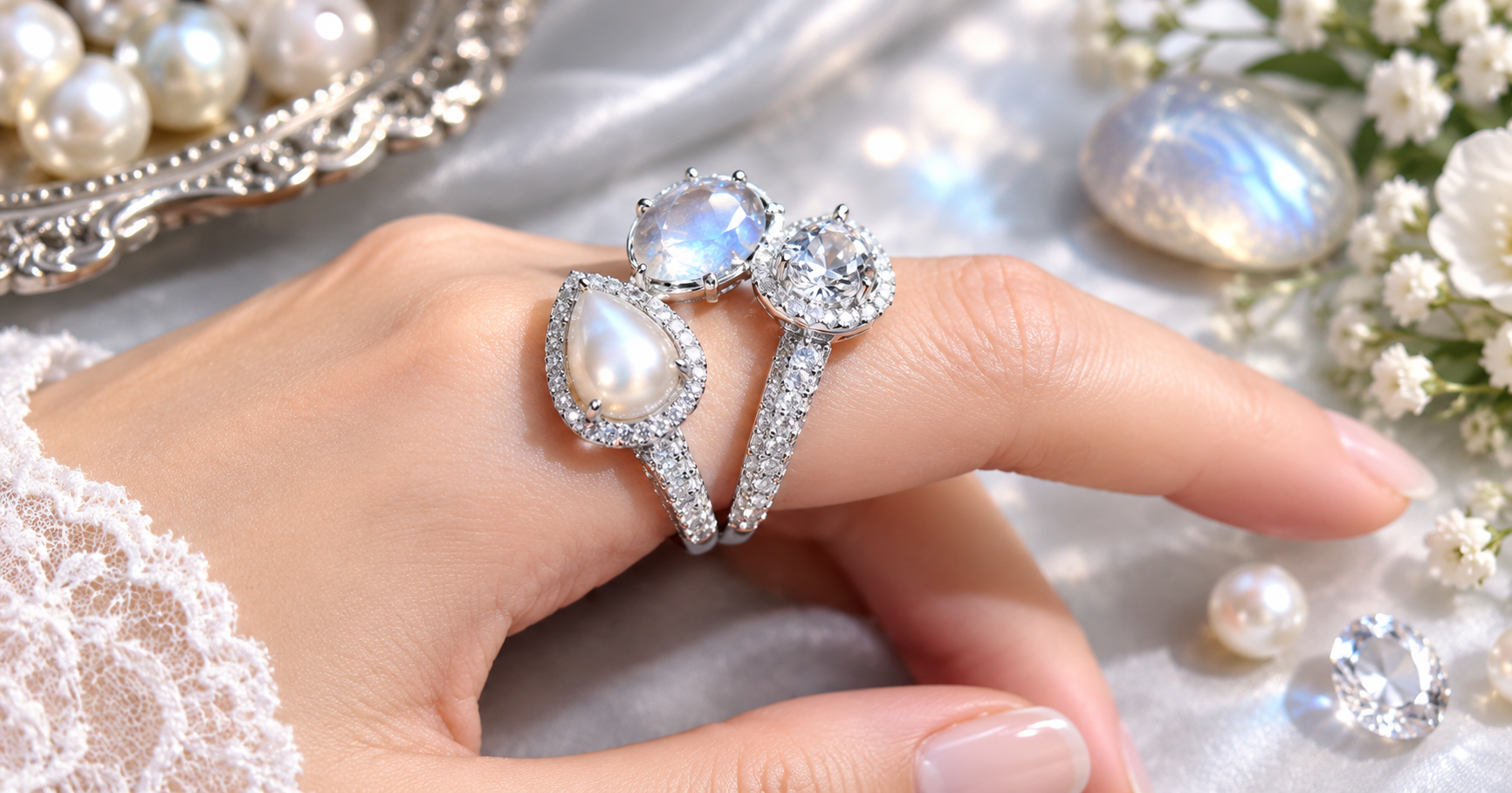
Some traditions also recommend silver for other gemstones, so it is best not to assume that every stone has only one suitable metal.
Why choose silver?
Silver can create an elegant contrast with white, pale, and colourful gemstones. It is often more affordable than gold, making it a practical option for many jewellery buyers.
However, silver can tarnish over time and may require regular cleaning. The setting should also be designed to protect the gemstone from scratches, impact, and accidental loosening.
Browse the Gemrishi gemstone collection to explore stones that may suit your preferred jewellery style.
3. Copper: A Traditional Option for Specific Gemstones
Copper has a long history in jewellery and traditional practices. Some Vedic astrology traditions associate it with the Sun or Mars, which is why it may be recommended for certain planetary gemstones.
Red Coral is one gemstone sometimes set in copper or gold. However, the recommended metal can vary by practitioner and tradition.
Copper has a distinctive reddish tone, but it can oxidise and leave a greenish mark on the skin for some people. If you choose copper jewellery, consider skin sensitivity, maintenance, and the quality of the setting.
For an astrological gemstone, confirm the recommended metal with a qualified practitioner rather than choosing copper based only on general online advice.
4. Panchdhatu: A Traditional Five-Metal Alloy
Panchdhatu, meaning “five metals,” is used in some Indian religious, spiritual, and jewellery traditions. Its exact composition can vary, so the term does not always refer to one standardised alloy.
Some practitioners recommend Panchdhatu for particular gemstones or when a traditional multi-metal setting is preferred. However, it is not universally required for gemstone jewellery, and its suitability depends on the stone, setting quality, and individual tradition.
Before purchasing a Panchdhatu ring, ask the seller about its composition, finish, and suitability for regular wear. If you have metal allergies, check the alloy ingredients carefully.
5. How to Choose the Right Metal for Your Gemstone
Choosing a metal becomes easier when you consider both traditional recommendations and practical needs.
Step 1: Identify the gemstone
Begin by confirming which gemstone you want to wear. Ruby, Emerald, Yellow Sapphire, Pearl, Red Coral, and Blue Sapphire have different physical properties and traditional associations.
You can explore the Gemrishi gemstone collection to begin comparing available stones.
Step 2: Understand the traditional recommendation
If you are selecting a gemstone for astrological reasons, the recommended metal may depend on the tradition or practitioner you follow. General guides can provide a starting point, but they cannot replace personalised advice.
Step 3: Consider the gemstone's durability
Some gemstones are more vulnerable to scratches, chips, heat, or chemical exposure than others. A secure setting and appropriate care matter more than simply choosing a particular metal.
Ask your jeweller whether the gemstone and setting are suitable for everyday use.
Step 4: Choose a metal that suits your lifestyle
If you plan to wear the ring daily, prioritise comfort, durability, and ease of maintenance. Consider your work, activities, skin sensitivity, and how often you can clean the jewellery.
Step 5: Check gemstone authenticity and quality
Before buying, ask whether the gemstone is natural or laboratory-grown, whether it has been treated, and whether a reliable gemological report is available. Treatments and origin can affect value, so clear product information is important.
Visit Gemrishi to explore gemstone options and make your selection carefully.
6. Common Mistakes to Avoid When Selecting a Gemstone Metal
Choosing a metal solely because it is popular can lead to disappointment. Avoid these common mistakes:
- Following a universal rule: Traditional recommendations may vary between astrological schools and practitioners.
- Ignoring comfort: A metal that irritates your skin is not a good everyday choice.
- Overlooking the setting: The gemstone should be held securely, with a design appropriate for its shape and durability.
- Assuming the metal guarantees results: Astrological benefits are matters of belief and are not scientifically established.
- Skipping authenticity checks: Ask for clear details about the gemstone, treatments, and any available laboratory report.
The best choice balances your personal goals, traditional preferences, jewellery design, and practical needs.
Conclusion: Find the Metal That Fits Your Gemstone
Gold, silver, copper, and Panchdhatu all have roles in different jewellery and astrological traditions. Gold is commonly associated with Yellow Sapphire and Ruby, while silver is traditionally linked with Pearl. Copper and Panchdhatu may be recommended in particular circumstances, depending on the tradition followed.
There is no single metal that is best for every gemstone or every wearer. Consider the gemstone's properties, the security of its setting, your comfort, and any astrological guidance you choose to follow.
Explore the Gemrishi website and gemstone collection to discover options for your jewellery needs. Choose thoughtfully, verify gemstone quality, and select a setting you will feel comfortable wearing.
Frequently Asked Questions
1. Which metal is best for wearing gemstones?
There is no single best metal for every gemstone. Gold, silver, copper, and Panchdhatu are used in different traditions. The right choice depends on the gemstone, setting, personal preference, and any traditional guidance you follow.
2. Can I wear a gemstone in silver instead of gold?
It depends on the gemstone and the reason you are wearing it. Silver is traditionally associated with Pearl, while some other gemstones may be recommended in different metals across traditions. Check the specific recommendation before choosing.
3. Which metal is traditionally recommended for Yellow Sapphire?
Yellow Sapphire, also known as Pukhraj, is commonly associated with gold in Vedic astrology. The gemstone's quality and the setting's durability should also be considered.
4. Can I wear Pearl in gold?
Pearl is traditionally associated with silver in many astrological practices. However, gold can also be used for Pearl jewellery as a design choice. If you are following astrological guidance, confirm the recommended metal with your practitioner.
5. Which metal is commonly used for Emerald?
Emerald, or Panna, is set in different metals depending on jewellery design and astrological tradition. Gold and silver are both used, so there is no universal rule that applies to every wearer.
6. Is Panchdhatu suitable for all gemstones?
Not necessarily. Panchdhatu is used in some traditions, but its composition varies and it is not mandatory for every gemstone. Check the alloy composition and make sure the setting is suitable for the stone.
7. Can I wear a gemstone in a metal I already own?
Often, yes, provided the setting is secure and the metal is suitable for your skin and the jewellery's intended use. If you are following a particular astrological recommendation, check whether the existing metal matches that guidance.
8. Does the metal change a gemstone's astrological effects?
Traditional astrology assigns significance to certain metal-gemstone combinations, but these effects have not been scientifically established. Metal choice should not be treated as a guarantee of personal, financial, or health outcomes.
9. Is gold better than silver for gemstone rings?
Neither is universally better. Gold offers a warm appearance and is often durable when appropriately alloyed. Silver is usually more affordable but can tarnish. The right choice depends on your budget, design, lifestyle, and gemstone.
10. How can I check whether a gemstone is authentic?
Ask for transparent details about whether the stone is natural or laboratory-grown and whether it has undergone treatments. A report from a reputable gemological laboratory can help verify relevant characteristics.
11. Can metal allergies affect my gemstone jewellery choice?
Yes. Some people react to particular metals or alloys, including nickel in certain jewellery. Check the metal composition and consult a qualified healthcare professional if you experience persistent irritation.
12. Where can I explore gemstones before choosing a metal?
You can visit Gemrishi to explore gemstone options. Compare product details, ask about authenticity and treatments, and choose a setting that suits your needs and preferences.
Have Questions Regarding This Gemstone?
Connect 1-on-1 with GemRishi’s certified Vedic gemologists on WhatsApp for personalized birth chart recommendations, lab certificate verification, or custom jewelry quotes.
Gemrishi
Gemrishi is a certified gemologist and Vedic astrology scholar at GemRishi with over 15 years experience in natural gemstone origin authentication.