Not Every Blue Sapphire Is the Same Blue: A Guide to Sapphire Color
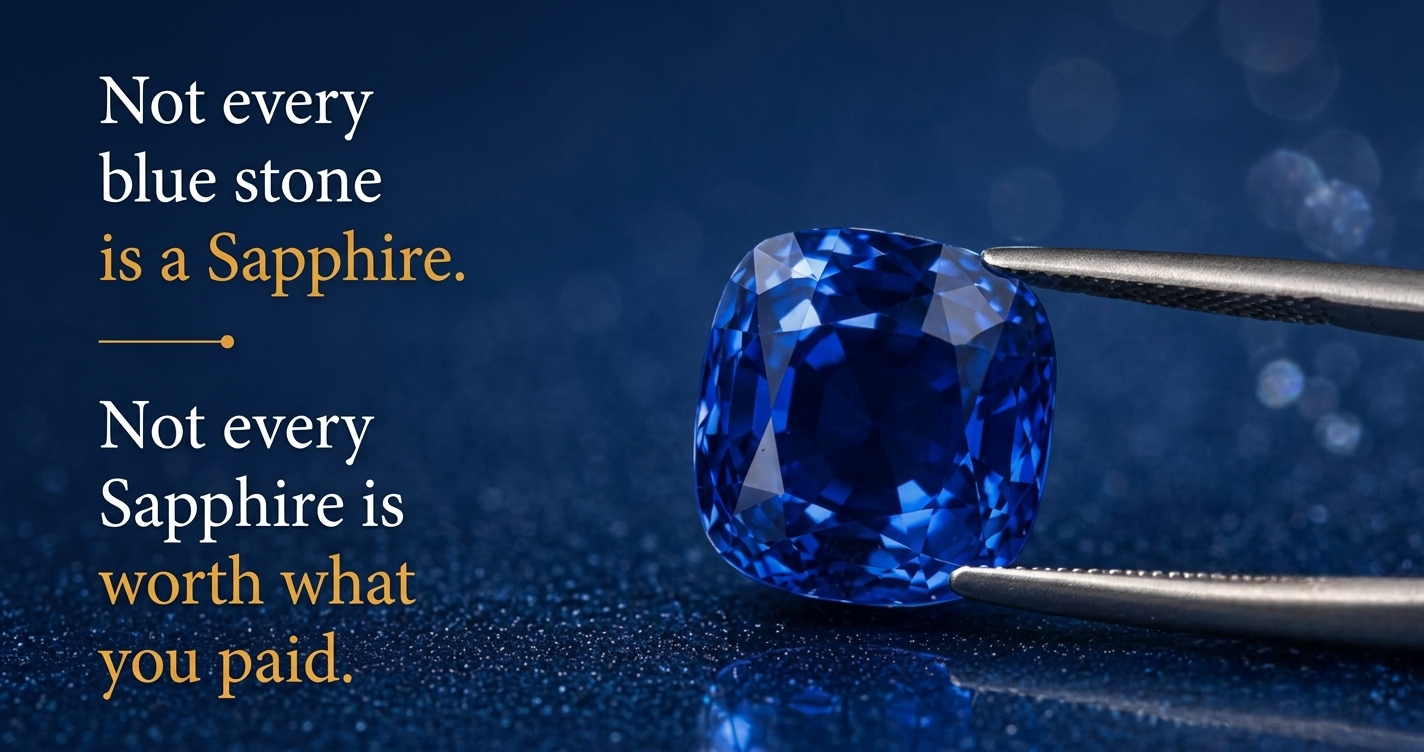
Sapphire is a precious gemstone made of the mineral corundum, famously known for its deep blue color, though it can occur in nearly any color except red, which is a ruby. It is one of the hardest known natural substances, measuring 9 on the Mohs hardness scale. Because of its excellent durability and beautiful appearance, sapphire is highly prized for jewelry and is also used in applications such as scratch-resistant watch crystals.
When most people hear the words Blue Sapphire, they imagine a deep, rich blue gemstone with a royal appearance. But there is something many people don't realize—not every Blue Sapphire has the same shade of blue.
Some sapphires have a soft cornflower-blue appearance, while others display an intense royal blue. Some may have violet, grayish, or slightly greenish undertones. These differences can influence the gemstone's appearance, rarity, and market value.
So, what actually makes one Blue Sapphire look different from another? Let's explore the fascinating world of sapphire color and understand what you should look for when choosing one.
If you want to explore gemstones beyond sapphire, you can browse the GemRishi Gemstone Collection to discover a variety of natural gemstone options.
What Gives Blue Sapphire Its Blue Color?
Blue Sapphire belongs to the corundum family of gemstones. Pure corundum is colorless, but trace elements introduced during its formation can give it different colors.
In Blue Sapphire, iron and titanium are primarily responsible for the blue coloration. Differences in the concentration and interaction of these elements can influence whether the gemstone appears light blue, vivid blue, deep blue, or somewhere in between.
This is why two natural sapphires from different geographical locations can have noticeably different appearances even though both are technically Blue Sapphires.
Color is only one part of gemstone selection. Other factors such as clarity, cut, treatment, certification, and intended use should also be considered. GemRishi's complete gemstone buying guide explains some of the important factors to check before purchasing a gemstone.
The Most Popular Shades of Blue Sapphire
1. Cornflower Blue
Cornflower blue is one of the most admired sapphire shades. It is generally described as a soft to medium blue with a pleasing, slightly velvety appearance.
Rather than appearing extremely dark, this shade often has a balanced combination of color, saturation, and brightness. It has become especially associated with fine-quality sapphires and is frequently discussed when describing attractive Blue Sapphires.
If you want to explore Blue Sapphire options, take a look at the Blue Sapphire collection at GemRishi to see different stones and styles.
2. Royal Blue
Royal blue sapphires have a richer and more saturated appearance. They can display a luxurious deep blue while still maintaining enough brightness to show life within the gemstone.
This dramatic color is particularly popular in statement rings, pendants, and other fine jewelry.
However, deeper does not automatically mean better. If a sapphire becomes excessively dark, its color can overpower its brilliance and make the stone appear almost black under certain lighting conditions.
This is why simply searching for the "darkest blue" isn't always the right approach. The overall appearance of the gemstone matters.
3. Light Blue
Some sapphires naturally have a lighter blue body color. These stones can have a fresh, delicate appearance and work beautifully in everyday jewelry.
Light Blue Sapphires can also appeal to people who prefer a softer look instead of the intense color traditionally associated with Neelam.
The beauty of sapphire is that you don't have to limit yourself to one particular shade. Even within natural Blue Sapphire, there can be considerable variation.
4. Violetish Blue
Certain Blue Sapphires contain noticeable violet undertones. Depending on the stone, this can create an attractive purple-blue appearance.
The presence of secondary hues is not necessarily a flaw. What matters is how the colors interact and whether the overall appearance is balanced and appealing.
This is one reason why looking at an actual gemstone can be more informative than judging it only from a written color description.
5. Grayish or Greenish Blue
Some sapphires can display grayish or greenish undertones. These colors may occur naturally because of the gemstone's chemical composition and geological formation conditions.
While these shades may not have the same traditional appeal as a vivid blue, they can still make a sapphire distinctive—especially for people looking for something less conventional.
Does a Darker Blue Sapphire Mean Better Quality?
Not necessarily.
It is easy to assume that the darker the blue, the more valuable the sapphire must be. In reality, color quality is about balance.
A fine Blue Sapphire generally needs enough saturation to show a beautiful blue while retaining sufficient brightness and transparency. If the stone is too light, the color may appear weak. If it is too dark, the gemstone may lose some of its brilliance.
Think of it like adjusting the volume of music. Too quiet and you miss the impact; too loud and the details disappear. A well-balanced sapphire allows its color, brilliance, and transparency to work together.
If you're researching sapphire quality in more detail, you can read GemRishi's Blue Sapphire Meaning, Quality & Buying Guide for additional information about the gemstone and factors to consider.
Why Does Blue Sapphire Look Different Under Different Lights?
Gemstones interact with the light around them. Natural daylight, warm indoor lighting, LED lighting, and other sources can change the way a sapphire's color is perceived.
A sapphire with strong color may look richer under one light source and slightly different under another. This is one reason it can be useful to observe a gemstone in more than one lighting environment before purchasing it.
A stone that looks deep blue under showroom lighting may appear slightly lighter or more vibrant in natural daylight. This doesn't necessarily indicate a problem with the gemstone—it is simply the way light interacts with its color, cut, and transparency.
Does Sapphire Origin Affect Its Color?
Yes, origin can play an important role in sapphire appearance.
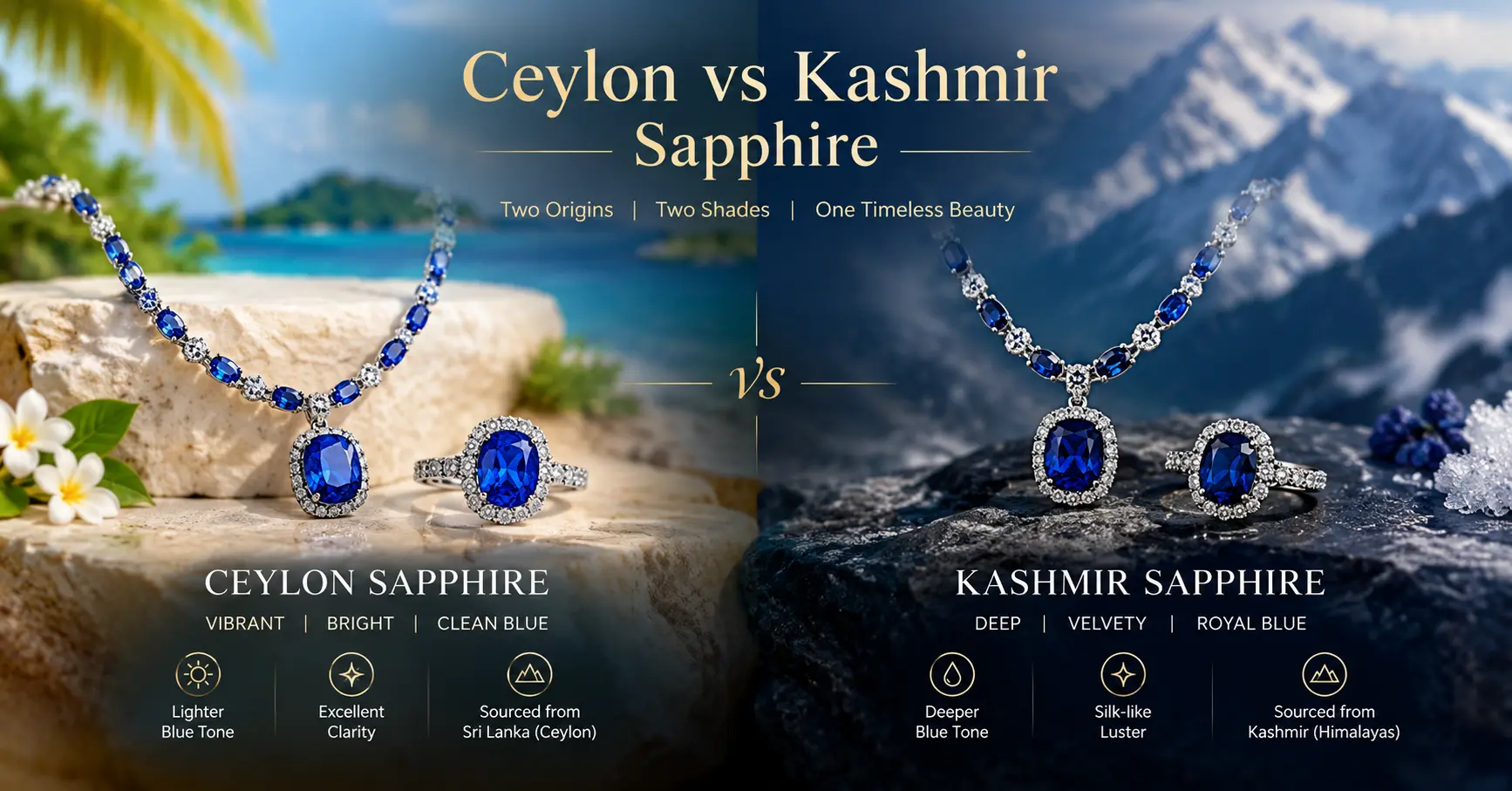
Sapphires from different geographical regions can develop characteristic colors and visual qualities because of differences in their geological formation.
Kashmir sapphires, for example, are famous for their exceptional blue color and soft, velvety appearance. Ceylon, or Sri Lankan, sapphires are known for a wide range of blue shades, often including lighter and brighter blues. Sapphires from Madagascar can also display beautiful blue colors with their own individual characteristics.
However, origin should not be viewed in isolation. Two sapphires from the same region can still look very different in terms of color, clarity, cut, treatment, and overall appearance.
When researching gemstones, it is also useful to understand the seller's approach to gemstone authenticity and certification. You can learn more through GemRishi's About Us page.
Color Zoning: Why Can One Sapphire Have Different Blues?
Natural sapphires sometimes show color zoning, where different areas of the gemstone contain slightly different concentrations of color.
You might notice a sapphire that appears deeper blue in one area and lighter in another.
Color zoning can occur naturally as the crystal grows. Whether it affects the appearance of the finished gemstone depends on how noticeable it is and how the stone has been cut.
A skilled cutter may orient the gemstone in a way that improves its overall appearance and helps create a more consistent-looking blue.
This is another reason why sapphire evaluation involves more than simply asking, "What color is it?"
How Cut Influences Sapphire Color
Color isn't determined by the rough gemstone alone. Cut also plays an important role.
The proportions and angles of a sapphire affect how light travels through it. A well-cut stone can look brighter and more lively, while an unsuitable cut may make even a beautiful blue appear darker or less vibrant.
This is why looking only at a sapphire's color description isn't enough. The actual gemstone should be evaluated as a whole.
When comparing gemstones, it can also help to understand the difference between selecting a stone for jewelry purposes and considering one for traditional astrological practices. GemRishi's gemstone selection guide provides additional information for people researching gemstone selection.
Natural, Heated and Lab-Grown Blue Sapphire: Does Color Differ?
Blue sapphires can be found in natural, treated, and laboratory-created forms.
Natural sapphires form naturally in the earth. Some are heated to improve their color and clarity, a treatment that is widely used in the gemstone industry.
Lab-grown sapphires have essentially the same chemical composition and crystal structure as natural sapphires but are created in controlled laboratory conditions.
The important thing is transparency. When buying a sapphire, always check whether the gemstone is natural, treated, or laboratory-created and ask for appropriate certification when relevant.
For more information about gemstone authenticity and the products offered by GemRishi, you can visit the GemRishi gemstone collection.
How to Choose the Blue That You Personally Like
There isn't one shade that everyone has to love.
If you prefer a soft and elegant appearance, a lighter or cornflower-style blue may appeal to you.
If you want something bold and luxurious, a strongly saturated royal blue may be more suitable.
If you enjoy unusual gemstones, a sapphire with violet, gray, or other secondary undertones can offer something more distinctive.
The best approach is to look at the actual stone rather than choosing purely from a color name.
For buyers who want to explore Blue Sapphire options directly, you can browse the GemRishi Blue Sapphire collection and compare available gemstones.
A Few Things to Check Before Buying
Before purchasing a Blue Sapphire, pay attention to:
- Color: Look for an attractive and balanced blue.
- Saturation: Extremely weak or excessively dark color may affect the gemstone's appearance.
- Brightness: The stone should have enough light return to look lively.
- Clarity: Evaluate inclusions based on how much they affect the gemstone's appearance.
- Cut: A good cut can significantly improve brilliance and color presentation.
- Treatment: Find out whether the sapphire has been heated or otherwise treated.
- Certification: For valuable stones, an independent gemstone report can provide useful information about identity and treatment.
If you're still researching before making a purchase, the GemRishi complete gemstone buying guide is a useful resource for understanding gemstone selection and the factors worth checking.
Final Thoughts
Blue Sapphire isn't simply one shade of blue. From delicate cornflower tones to deep royal blues and unusual violetish hues, every stone can have its own personality.
The most important thing is not to assume that the darkest or brightest sapphire is automatically the right choice. Color, saturation, brightness, clarity, cut, origin, and treatment all work together to create the gemstone you see.
So, the next time you look at a Blue Sapphire, take a closer look. You may notice shades and details that you didn't see at first—and that's part of what makes sapphire such a fascinating gemstone to explore.
If you're ready to explore different shades and styles, take a look at the GemRishi Blue Sapphire collection and explore the available options.
Have Questions Regarding This Gemstone?
Connect 1-on-1 with GemRishi’s certified Vedic gemologists on WhatsApp for personalized birth chart recommendations, lab certificate verification, or custom jewelry quotes.
Gemrishi
Gemrishi is a certified gemologist and Vedic astrology scholar at GemRishi with over 15 years experience in natural gemstone origin authentication.