Blue Sapphire: Meaning, Quality & Buying Guide
Introduction
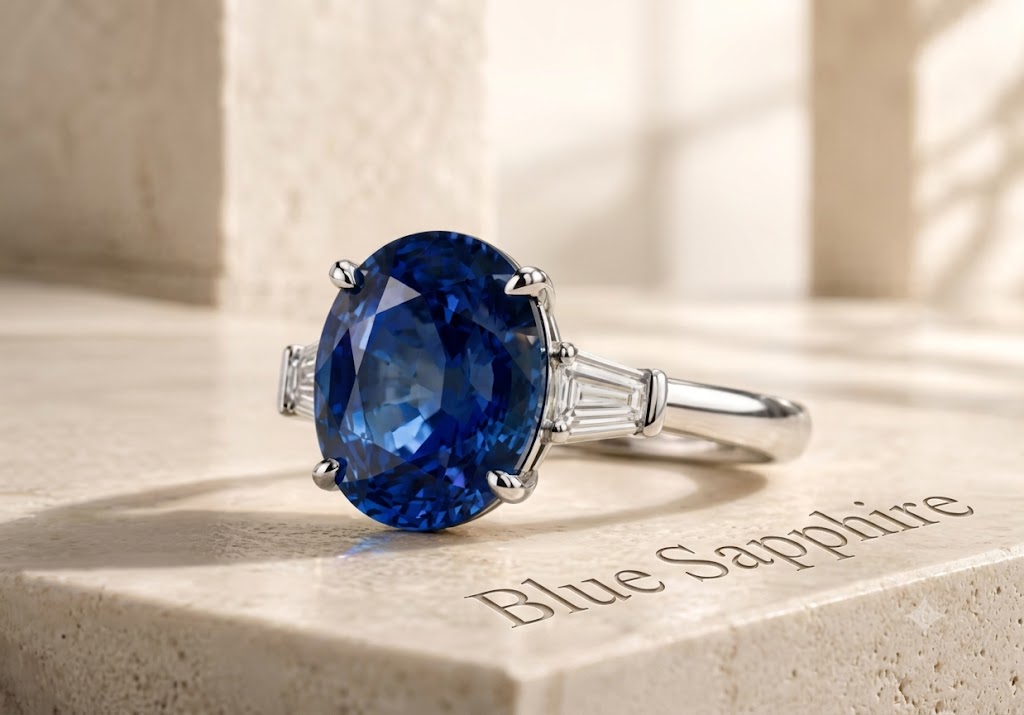
Few gemstones capture attention quite like blue sapphire. Its deep, captivating blue has long been associated with royalty, elegance, and timeless jewelry. The gemstone became especially famous through Princess Diana's iconic sapphire engagement ring, later worn by Catherine, Princess of Wales.
But blue sapphire is more than a beautiful gemstone. It has a fascinating history, distinctive symbolism, excellent durability, and several important quality factors to consider before making a purchase. Whether you're looking for a blue sapphire ring, an engagement ring, or a meaningful gemstone for a special occasion, understanding its characteristics can help you make a confident choice.
What Makes Blue Sapphire Special?
Blue sapphire is the blue variety of corundum, one of the hardest natural minerals used in jewelry. Its blue color is primarily caused by trace amounts of iron and titanium within the corundum crystal structure.
Although sapphire occurs in many colors, blue remains its most recognized variety. Blue sapphires can range from light blue and cornflower blue to vivid medium and deep blue. Color is one of the most important factors when evaluating sapphire quality and value.
For more technical information about sapphire composition and color, see the GIA Sapphire Description.
Key Highlights
- Mineral: Corundum
- Primary blue color agents: Iron and titanium
- Mohs hardness: 9
- September birthstone: Yes
- Suitable for: Rings, engagement rings, pendants, earrings, and other everyday jewelry
- Available colors: Almost every color except red, which is classified as ruby
Blue Sapphire Meaning & Symbolism
Blue sapphire has been associated with several positive qualities throughout history. Its symbolism can make it especially meaningful as a gift or personal piece of jewelry.
Wisdom & Royalty
Blue sapphire has traditionally been connected with wisdom, nobility, loyalty, sincerity, and integrity. Its royal associations have helped make it one of the most recognizable colored gemstones.
Protection
In historical traditions and folklore, sapphire has been associated with protection and good fortune. Some traditions also connected the gemstone with protection from envy and harm. These are cultural beliefs rather than scientifically established effects.
September Birthstone
Sapphire is the official birthstone for September, making blue sapphire a popular birthday gift for people born during the month.
45th Anniversary Gemstone
Sapphire is also traditionally associated with the 45th wedding anniversary, making sapphire jewelry a meaningful anniversary gift.
How to Judge Blue Sapphire Quality: The 4 Cs
When buying a blue sapphire, consider the 4 Cs: Color, Clarity, Cut, and Carat Weight. Sapphire quality can also be influenced by factors such as origin and treatment.
1. Color
Color is generally the most important quality factor for blue sapphire.
Look for a stone with attractive saturation and tone. Medium to medium-dark vivid blue is particularly desirable, although the ideal appearance ultimately depends on personal preference and the individual stone.
Tip: Don't choose a sapphire based only on how dark it is. A very dark stone can appear less lively if it does not return enough light.
2. Clarity
Natural sapphires commonly contain inclusions. Some inclusions can provide evidence of natural formation, while excessive inclusions may reduce transparency and beauty.
An eye-clean sapphire with good transparency can be highly attractive, but clarity should always be considered together with color and overall appearance.
3. Cut
The cut determines how effectively a sapphire interacts with light. A well-cut sapphire can appear brighter, more vibrant, and more attractive.
Popular sapphire cuts include:
- Oval
- Cushion
- Round
- Emerald
- Pear
- Princess
A beautiful color cannot completely compensate for a poorly executed cut, so examine the stone's proportions, symmetry, and light return before buying.
4. Carat Weight
Carat weight measures the weight of the gemstone, not its physical quality.
Larger fine-quality sapphires can be significantly rarer and more valuable, but size should not be your only consideration. A smaller sapphire with excellent color and cut can look more impressive than a larger stone with poor color or proportions.
Does Sapphire Origin Matter?
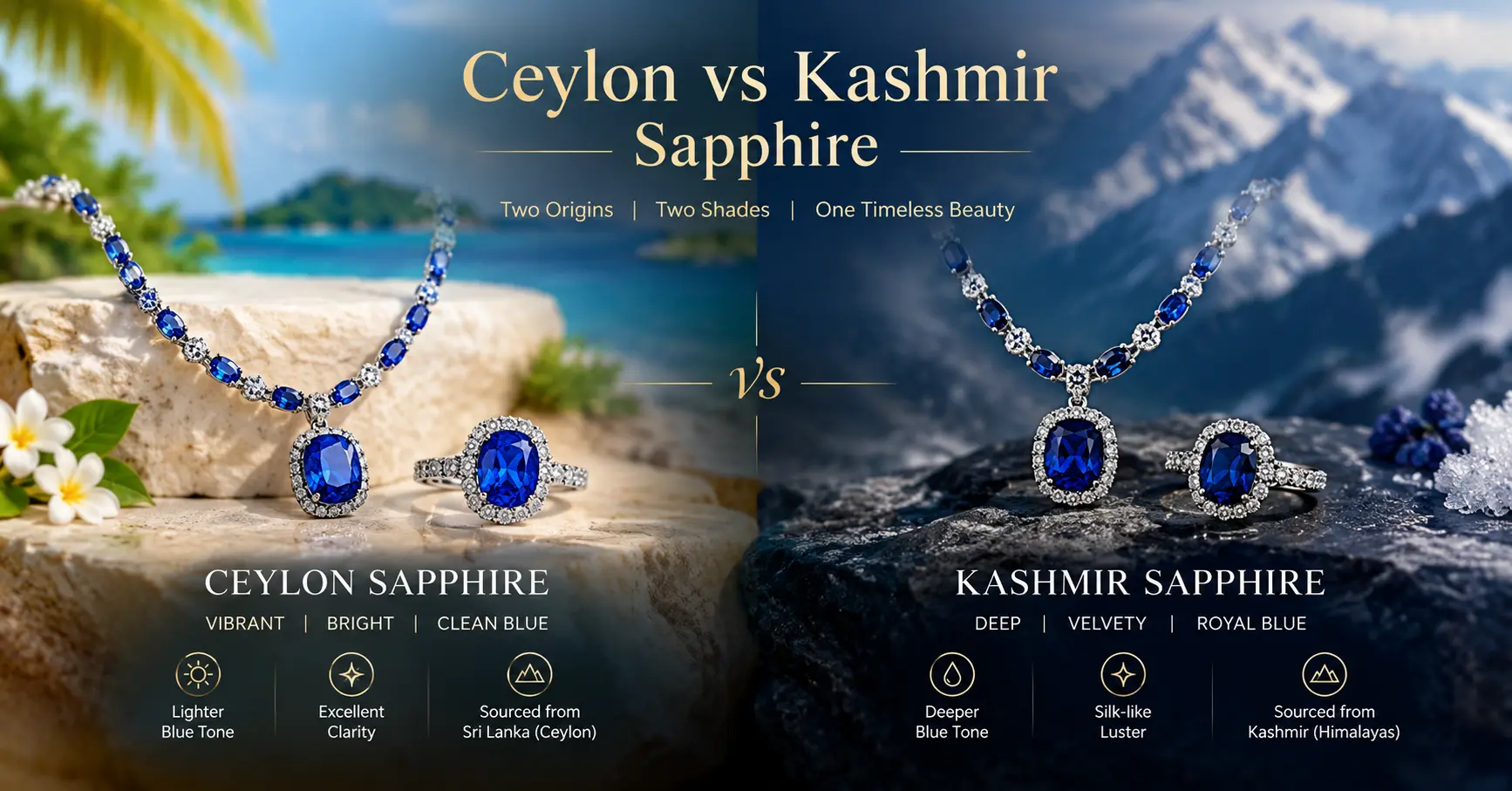
Yes. The geographic origin of a sapphire can influence its market value, particularly when a prestigious origin is supported by a reliable laboratory determination.
Kashmir, Myanmar, Sri Lanka, and Madagascar are among the important sapphire sources, and exceptional stones from certain origins can command significant premiums.
However, origin alone does not guarantee quality. Color, clarity, cut, carat weight, treatment, and overall beauty should also be considered.
How to Choose the Right Blue Sapphire
Before buying a blue sapphire, consider these important factors:
- Choose the color you prefer rather than focusing only on size.
- Check clarity and transparency under good lighting.
- Examine the cut for symmetry and attractive light return.
- Ask whether the sapphire has been treated.
- Consider the gemstone's origin if origin is important to you.
- Request a laboratory report for higher-value stones.
- Buy from a reputable seller who clearly discloses gemstone details.
- Compare the complete stone, not just its carat weight or price.
Blue Sapphire FAQs
Is blue sapphire a good gemstone for everyday wear?
Yes. Sapphire is a durable gemstone with a Mohs hardness of 9, making it well suited to rings and other jewelry worn regularly.
What is the best color for a blue sapphire?
There is no single color that is best for everyone, but vivid, attractive blue with good saturation and tone is generally highly desirable. Medium to medium-dark blue is often preferred in fine-quality stones.
Is a natural blue sapphire always better than a treated sapphire?
Not necessarily. Treatment is an important factor in evaluating sapphire value, but a well-cut treated sapphire can still be beautiful and durable. What matters is understanding the treatment and how it affects the stone's value and care requirements.
Is blue sapphire the September birthstone?
Yes. Sapphire is the traditional September birthstone
Final Thoughts
Blue sapphire combines beauty, durability, history, and symbolism, making it one of the most versatile colored gemstones for fine jewelry. Whether you're choosing a sapphire for an engagement ring, celebrating a September birthday, marking a 45th anniversary, or simply adding a statement gemstone to your collection, understanding its quality factors can help you make a better decision.
A beautiful blue sapphire is more than just a gemstone. With the right color, cut, clarity, treatment information, and craftsmanship, it can become a timeless piece of jewelry that can be enjoyed for generations.
Have Questions Regarding This Gemstone?
Connect 1-on-1 with GemRishi’s certified Vedic gemologists on WhatsApp for personalized birth chart recommendations, lab certificate verification, or custom jewelry quotes.
Gemrishi
Gemrishi is a certified gemologist and Vedic astrology scholar at GemRishi with over 15 years experience in natural gemstone origin authentication.