Ceylon vs. Kashmir Blue Sapphire (Neelam): Which Gemstone Is Best for Shani (Saturn) Remedies?
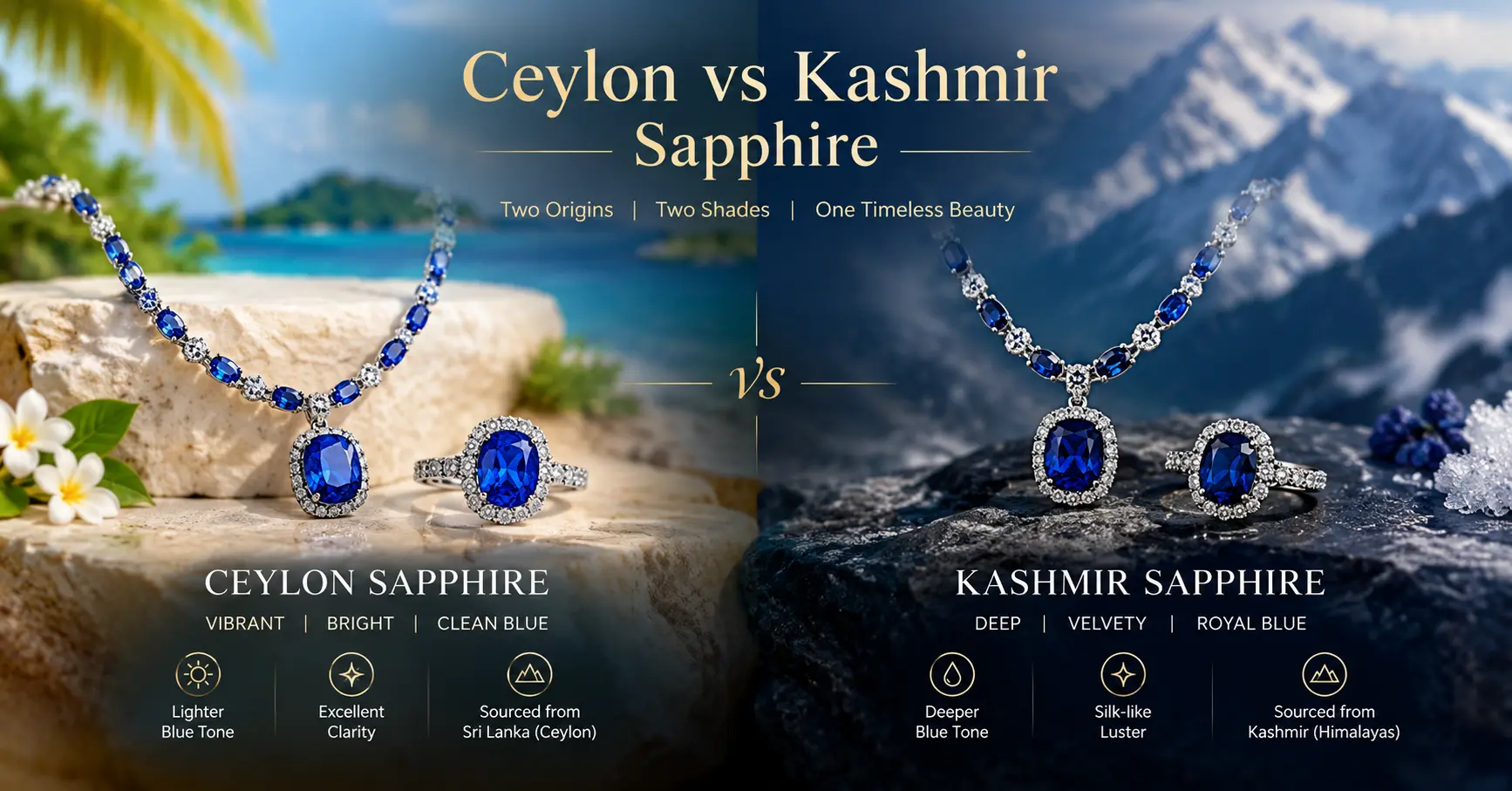
Blue sapphire, popularly known as Neelam, is one of the most recognised gemstones in Vedic astrology. Its deep blue colour, rarity, and association with Saturn (Shani) make it a popular choice among gemstone enthusiasts and people interested in traditional astrological practices.
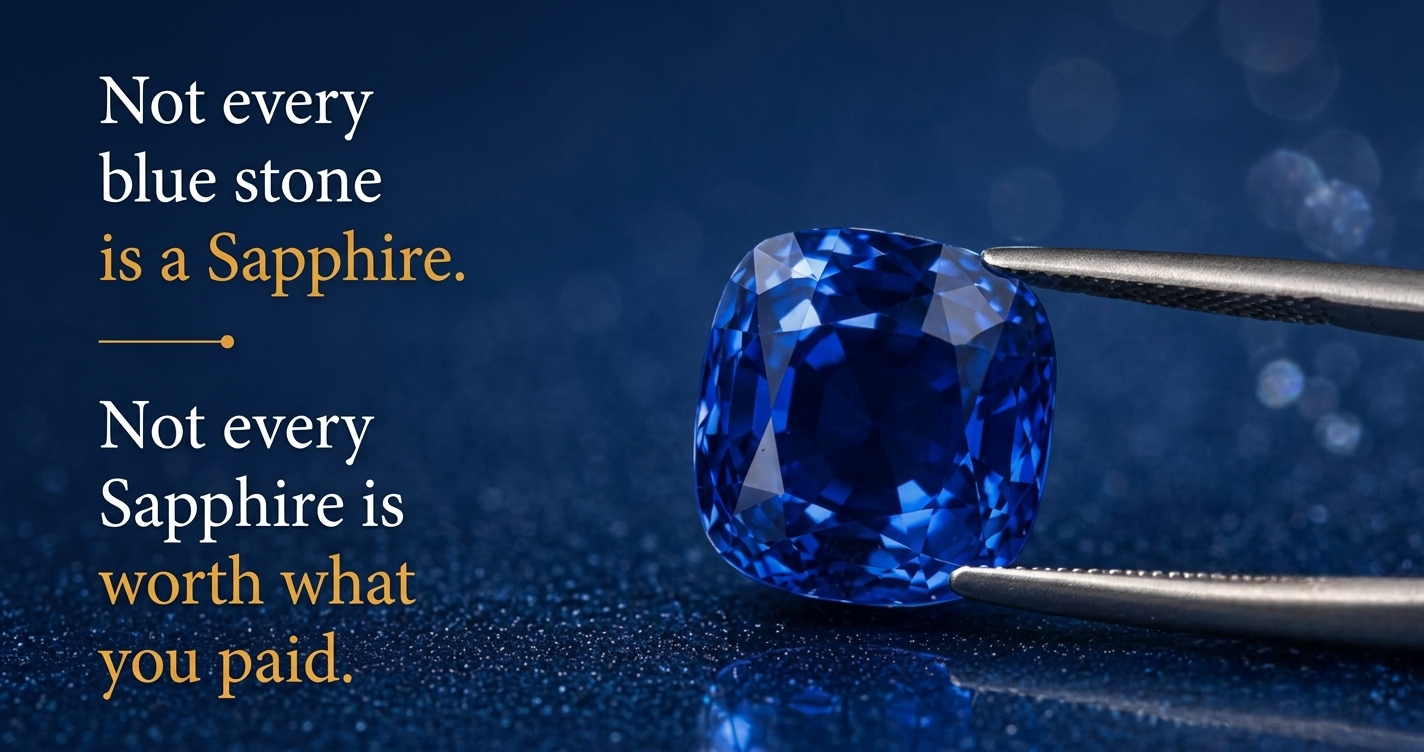
However, not every blue sapphire is the same. Kashmir and Ceylon (Sri Lankan) blue sapphires are two well-known varieties, each with its own characteristics, origin, appearance, and market value.
If you are considering Neelam for Shani remedies, you may wonder which variety is better. Is Kashmir sapphire always the best choice, or can Ceylon blue sapphire be equally suitable?
The answer depends on what you value most: gemstone quality, colour, budget, authenticity, or traditional astrological guidance. Let's understand the differences before making a decision.
1. What Is Blue Sapphire (Neelam)?
Blue sapphire is a variety of the mineral corundum. Its blue colour generally comes from trace elements, particularly iron and titanium. Sapphire ranks 9 on the Mohs scale of mineral hardness, making it a durable choice for jewellery when properly set and cared for.
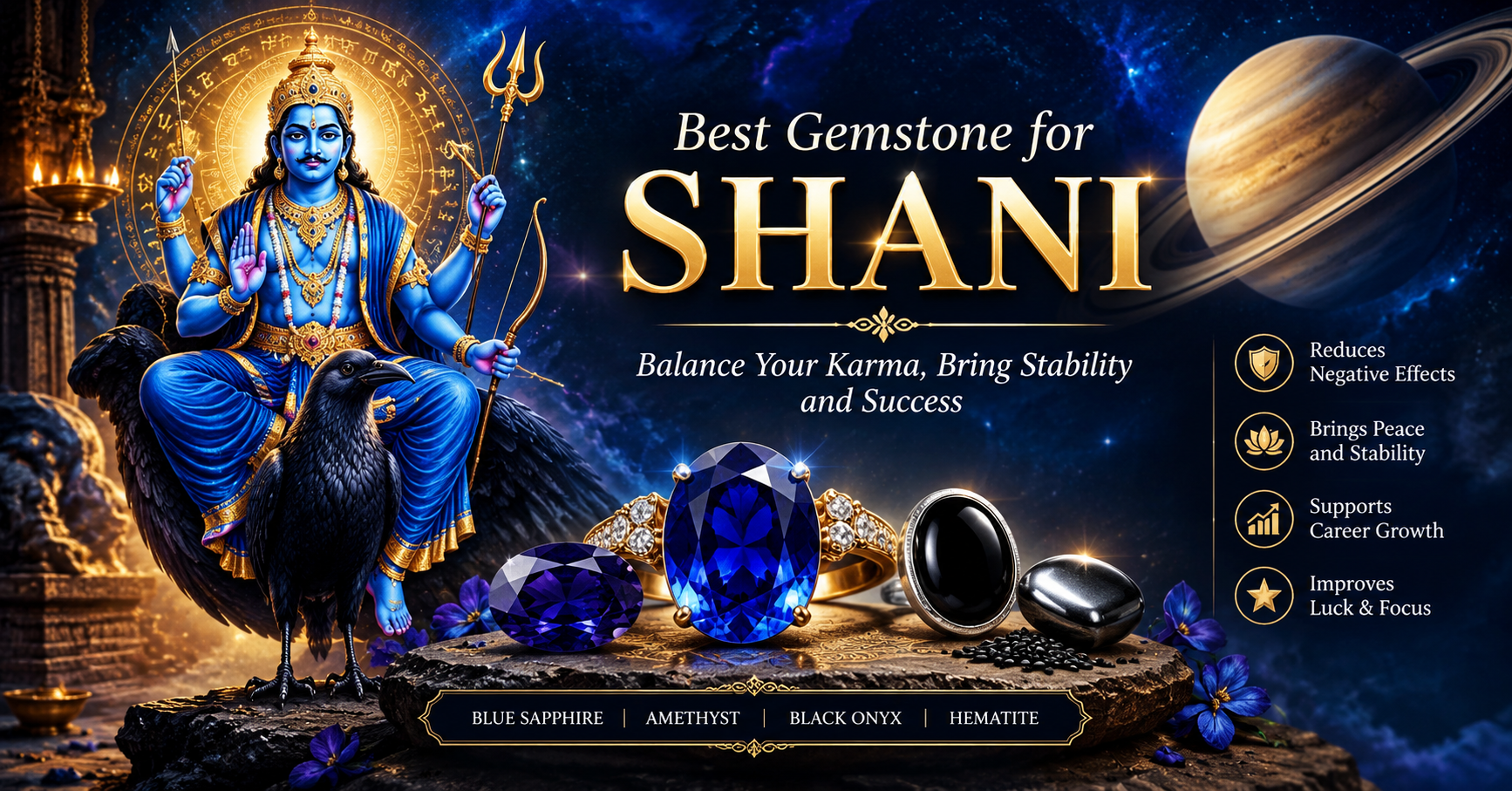
In Vedic astrology, blue sapphire is traditionally associated with Shani, or Saturn. Some practitioners recommend it as part of astrological remedies, believing it symbolises discipline, responsibility, patience, and stability.

These are traditional beliefs, not scientifically established effects. A gemstone cannot be guaranteed to change someone's fortune, career, finances, or health.
Explore GemRishi's gemstone collection to learn about different gemstones and their characteristics.
2. What Is Kashmir Blue Sapphire?
Kashmir blue sapphire is historically famous for its rich, velvety blue appearance. The celebrated deposits in the Kashmir region, particularly around the Zanskar area, produced exceptional sapphires that became highly prized by collectors.
Key characteristics
- Colour: Often described as rich, cornflower blue.
- Appearance: Fine stones may have a soft, velvety visual quality.
- Rarity: Fine Kashmir sapphires are exceptionally rare.
- Price: Top-quality, authenticated Kashmir sapphires can command very high prices.
- Best suited for: Collectors and buyers seeking rare, historically significant gemstones.
Not every stone described as Kashmir blue sapphire has the same colour or quality. Origin claims need reliable evidence, particularly when a seller asks a premium price.
Kashmir origin alone does not automatically make a sapphire superior in every respect. Colour, clarity, cut, treatments, and overall beauty still matter.
3. What Is Ceylon Blue Sapphire?
Ceylon is the historical name commonly used for Sri Lanka, a major source of natural sapphires. Ceylon blue sapphires are widely appreciated for their attractive blue colours and the variety of qualities available.
Key characteristics
- Colour: Ranges from light to medium and deeper blues.
- Appearance: Fine examples can display excellent brightness and attractive colour.
- Availability: Sri Lankan sapphires are more widely encountered in the market than fine Kashmir sapphires.
- Price: Costs vary considerably according to colour, clarity, size, cut, origin evidence, and treatment.
- Best suited for: Buyers seeking a beautiful blue sapphire across a range of budgets.
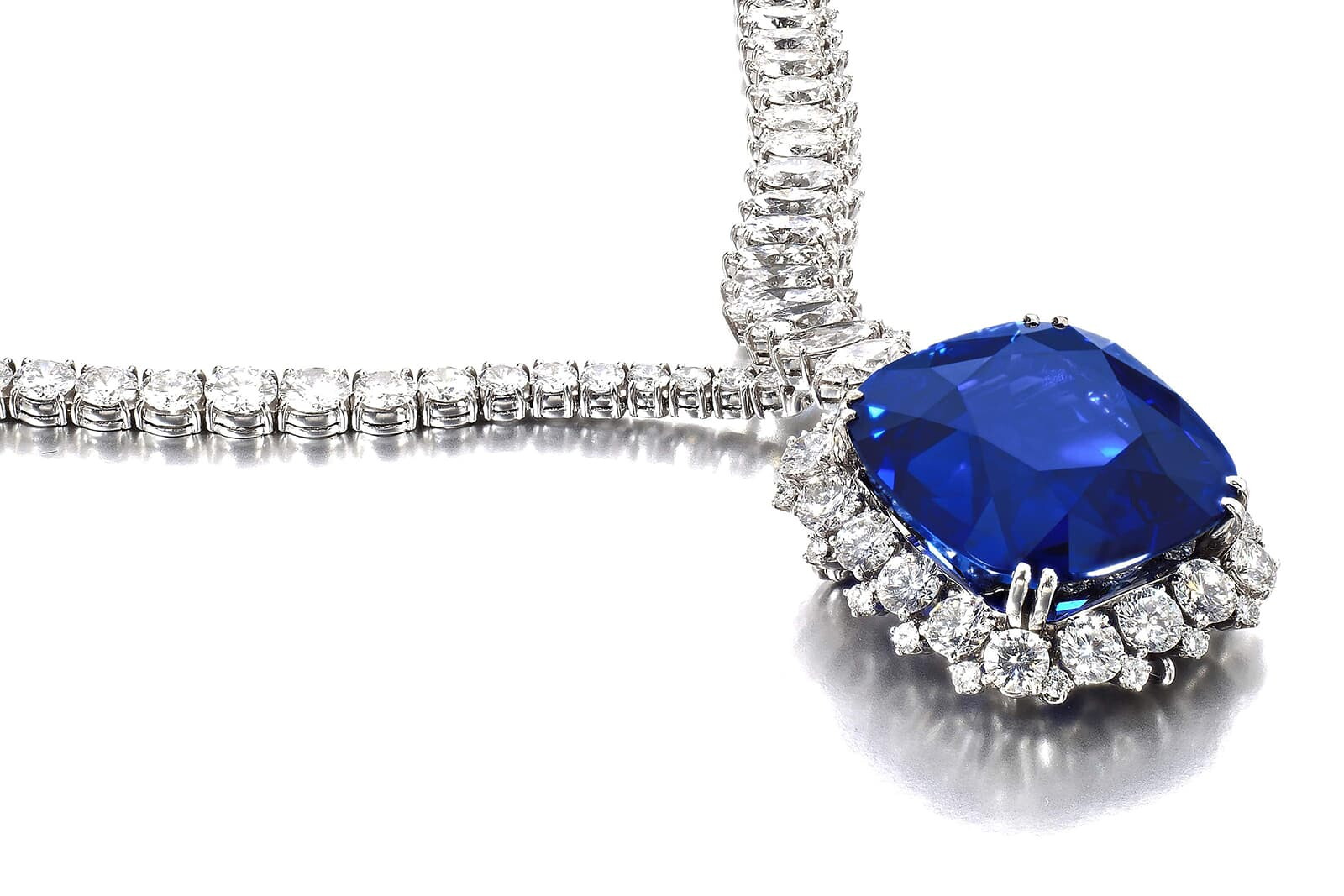
Ceylon sapphires are not automatically inexpensive, and Kashmir sapphires are not automatically better for every buyer. A fine Sri Lankan sapphire can be a beautiful and valuable gemstone in its own right.
Before choosing, browse GemRishi's gemstone collection and compare the available gemstone details.
4. Kashmir vs. Ceylon Neelam: Which Is Better?
The most useful comparison looks beyond the place of origin.
Colour and visual appeal
Kashmir sapphires are particularly famous for their velvety cornflower-blue appearance. Ceylon sapphires can offer bright, lively blues with varying levels of saturation.
Neither description applies to every stone. Judge the actual gemstone under suitable lighting rather than relying on photographs or origin labels alone.
Rarity and value
Fine Kashmir sapphires are exceptionally rare, which contributes to their high market value. Ceylon sapphires are more commonly available, although exceptional Sri Lankan examples can also be expensive.
For most buyers, the sensible approach is to compare documented quality and price rather than assuming the rarest origin is always the best purchase.
Authenticity and treatment
Natural sapphires may undergo treatments to improve their appearance. Heat treatment is an established practice in the sapphire trade, but it should be disclosed.
A seller's claim that a stone is natural, untreated, or from Kashmir or Sri Lanka should be supported by appropriate documentation. A gemological laboratory report can help establish whether the stone is natural or laboratory-grown and identify detectable treatments. Origin determination may require specialised analysis and is not always conclusive.
5. Which Blue Sapphire Is Best for Shani Remedies?
In traditional Vedic astrology, Neelam is associated with Saturn. Some astrologers consider it a powerful gemstone and recommend individual assessment before wearing it.
However, there is no scientific evidence that Kashmir or Ceylon blue sapphire produces faster or stronger astrological results. Origin does not establish spiritual effectiveness.
If you are choosing Neelam for a traditional Shani remedy, consider these practical steps:
- Consult a qualified astrologer: Follow a personalised assessment if you choose to practise Vedic astrology.
- Choose an authentic gemstone: Confirm whether it is natural, laboratory-grown, or treated.
- Prioritise a suitable budget: Do not borrow money or overspend because a gemstone is described as unusually powerful.
- Ask for documentation: Request a relevant gemological report and a clear disclosure of treatments.
- Understand the return policy: Review the seller's terms before purchasing.
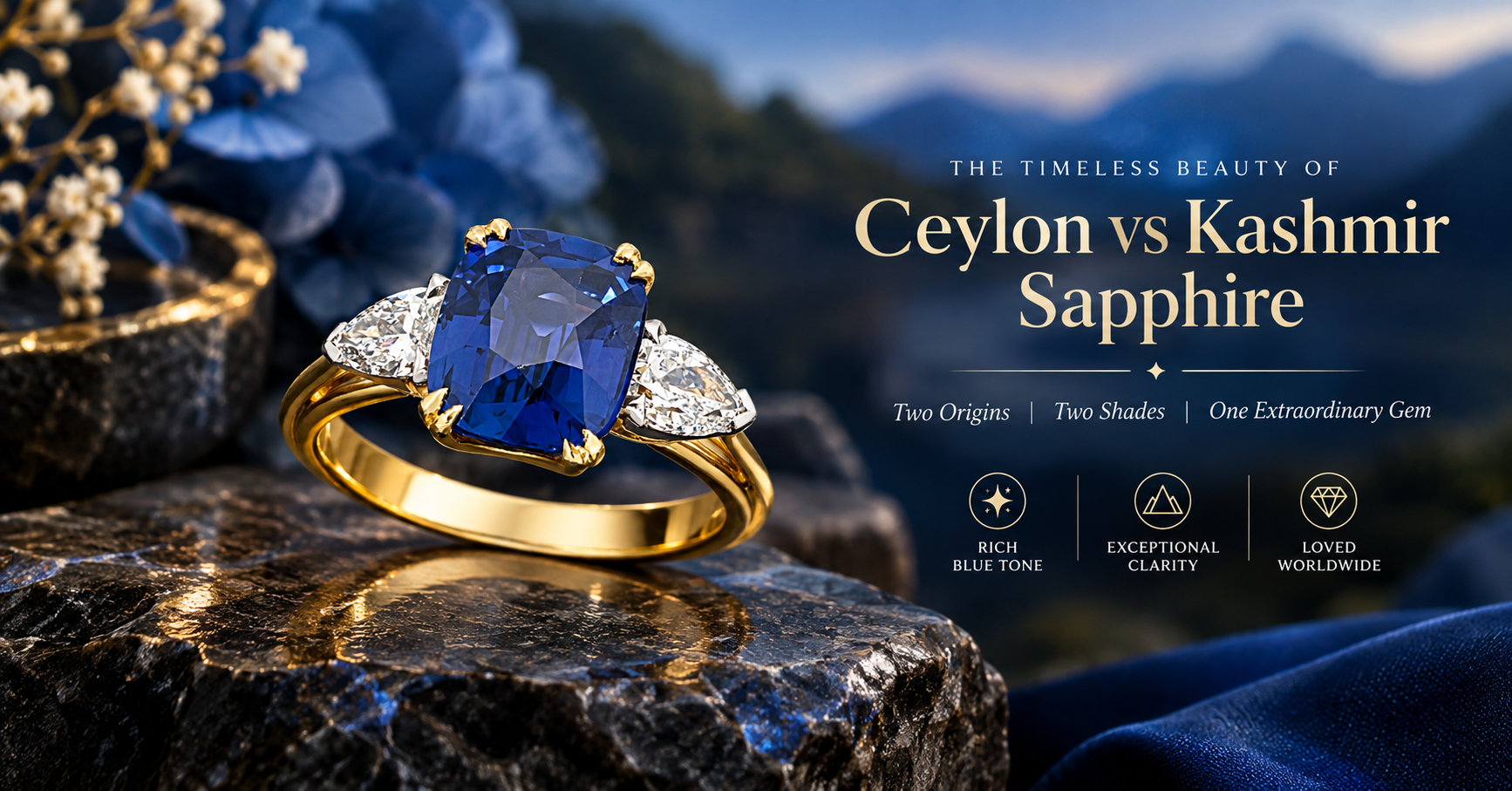
A Kashmir sapphire is not automatically the right choice for astrological purposes, nor is a Ceylon sapphire automatically less suitable. Traditional recommendations vary, and there is no reliable scientific test for determining a gemstone's astrological effects.
6. How to Identify an Authentic Neelam
Blue colour alone cannot confirm that a gemstone is genuine. Glass, synthetic sapphire, and other blue materials can resemble natural sapphire.
Use the following checks before buying:
Check the certificate. Look for a report from a recognised gemological laboratory. Read what the report actually confirms instead of relying on the word "certified" alone.
Ask about treatments. Confirm whether the stone has been heated, diffused, filled, or otherwise treated, as applicable.
Verify the origin claim. If Kashmir or Sri Lanka is central to the price, ask whether the laboratory has assessed geographical origin.
Examine the stone in person when possible. View it under different lighting conditions and inspect the cut, transparency, colour, and visible inclusions.
Compare the price with the evidence. An unusually cheap stone advertised as a rare, untreated Kashmir sapphire deserves careful scrutiny.
For further reading, explore GemRishi and its gemstone collection before comparing specific products.
7. How Much Should You Spend on Neelam?
There is no single price for either Kashmir or Ceylon blue sapphire. Prices depend on colour, clarity, carat weight, cut, treatment, origin evidence, and the reliability of the seller.
Rare, fine Kashmir stones can be extremely expensive. Ceylon sapphires span a broad price range, from more accessible stones to high-value collector-quality examples.
Instead of buying the most expensive stone you can afford, decide on a realistic budget first. Then compare stones with similar characteristics and documentation.
Remember that a higher price does not guarantee astrological benefits. Pay for verifiable gemstone quality rather than promises of instant success.
8. Final Verdict: Kashmir or Ceylon Blue Sapphire?
Choose Kashmir blue sapphire if you value its rarity, historical significance, and the distinctive appearance of fine examples, and your budget supports a properly documented stone.
Choose Ceylon blue sapphire if you want to explore a wider range of natural blue sapphires and compare colour, quality, and value across different budgets.
If your purpose is a traditional Shani remedy, seek guidance from a qualified astrologer while making your purchase decision based on authenticity, quality, and affordability.
Ultimately, the best Neelam is not simply the one with the most famous origin. It is the gemstone whose quality you understand, whose claims can be verified, and whose price makes sense for you.
Frequently Asked Questions
1. Is Kashmir blue sapphire better than Ceylon blue sapphire?
Fine Kashmir sapphires are especially prized for their rarity and velvety blue appearance. However, quality varies between individual stones, so origin alone does not determine which sapphire is better.
2. Which Neelam is best for Shani remedies?
Traditional Vedic astrologers may recommend blue sapphire based on an individual's astrological chart. There is no scientific evidence that one geographical origin provides stronger astrological effects than another.
3. Does Kashmir Neelam work faster than Ceylon Neelam?
Claims about faster results are not scientifically established. Neither origin can be guaranteed to produce rapid changes in career, money, relationships, or fortune.
4. Is Ceylon blue sapphire a natural gemstone?
Many Ceylon blue sapphires are natural gemstones, but synthetic stones and treated stones also exist in the market. Check the product description and independent gemological documentation.
5. Why is Kashmir blue sapphire so expensive?
Fine Kashmir sapphires are exceptionally rare and historically important. Their price also depends on colour, clarity, size, condition, provenance, and authentication.
6. Is Ceylon Neelam suitable for astrological use?
Some practitioners recommend Sri Lankan blue sapphire within traditional Vedic astrology. Suitability depends on the practitioner's beliefs and assessment; scientific evidence does not establish astrological effectiveness.
7. Can I wear blue sapphire without consulting an astrologer?
You can wear sapphire as jewellery without following astrological practices. If you want to use it specifically as a Vedic remedy, you may wish to consult a qualified astrologer.
8. Should I buy untreated blue sapphire only?
Untreated sapphires may command a premium, but a treated sapphire can still be genuine and attractive. The important points are transparent treatment disclosure, reliable documentation, and a price appropriate to the stone.
9. How can I check whether a Neelam is genuine?
A qualified gemologist or recognised gemological laboratory can examine the stone. Visual inspection alone cannot reliably distinguish every natural sapphire from synthetic or imitation material.
10. Does a blue sapphire certificate guarantee its origin?
Not necessarily. A report may confirm that a stone is natural sapphire without establishing geographical origin. Check whether the report specifically addresses origin and treatment.
11. Which blue sapphire is more affordable?
Ceylon sapphires are available across a wide range of prices, but cost depends on the individual stone. Fine Ceylon sapphires can also be expensive, while Kashmir-origin claims should be independently verified.
12. What should I check before buying Neelam online?
Review the gemstone description, carat weight, treatment disclosure, laboratory report, return policy, seller transparency, and final price. Avoid relying on guaranteed astrological results or origin claims that lack supporting evidence.
Have Questions Regarding This Gemstone?
Connect 1-on-1 with GemRishi’s certified Vedic gemologists on WhatsApp for personalized birth chart recommendations, lab certificate verification, or custom jewelry quotes.
Gemrishi
Gemrishi is a certified gemologist and Vedic astrology scholar at GemRishi with over 15 years experience in natural gemstone origin authentication.