Maa Siddhidatri on Navami: Meaning, Puja Vidhi, Mantra & Gemstones for Spiritual Growth
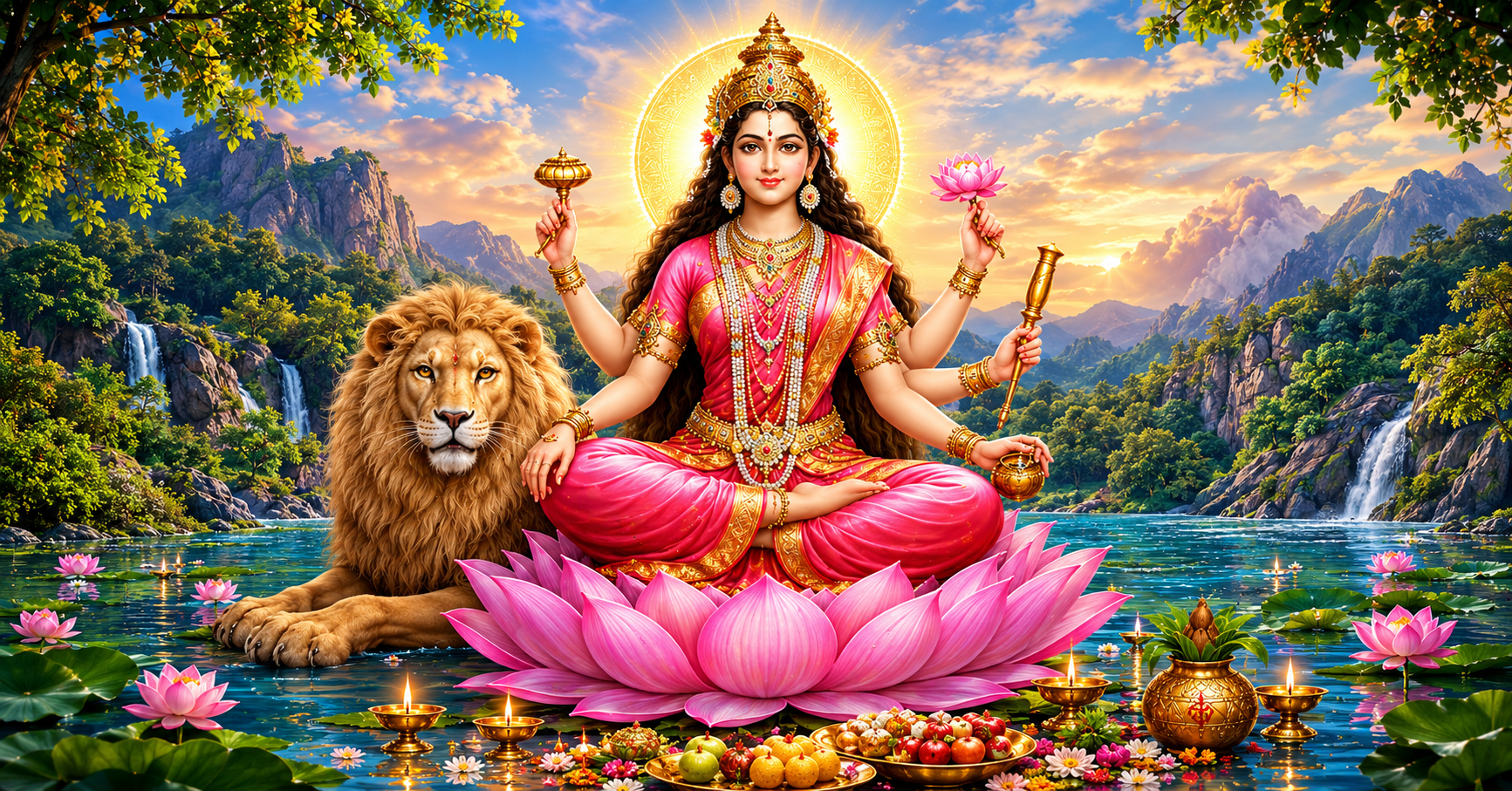
Maa Siddhidatri is the ninth and final form of Goddess Durga, worshipped on the final day of Navratri (Maha Navami) as the ultimate bestower of supernatural powers and spiritual fulfillment.
Maa Siddhidatri is believed to bless devotees with Siddhis (spiritual powers) and prosperity.
She is depicted seated on a lotus and is traditionally shown with four arms.
Devotees worship her with faith and devotion to seek peace, wisdom, and divine grace.
Her peaceful and divine form represents the highest stage of spiritual development, wisdom, inner balance, and devotion. She is traditionally depicted seated on a lotus and having four arms, holding a chakra, conch shell, mace, and lotus.
“Let’s begin this guide to learn more about Maa Siddhidatri, her significance, divine qualities, and the blessings she is believed to offer to devotees.”
Navratri Day 9: Significance of Navami
The ninth and final day of Navratri is celebrated as Maha Navami, a highly significant day dedicated to Maa Siddhidatri, the ninth form of Goddess Durga. According to Hindu tradition, Maa Siddhidatri is associated with spiritual accomplishments, divine wisdom, inner peace, and self-realization. Her name is derived from the Sanskrit words “Siddhi,” meaning spiritual accomplishment or attainment, and “Datri,” meaning the giver.
Maha Navami holds special importance because it represents the culmination of the nine days of Navratri worship. Devotees traditionally seek the blessings of Maa Siddhidatri for wisdom, spiritual growth, strength, and a deeper connection with the divine. In many families and communities, Kanya Puja or Kanjak Puja is performed around Ashtami or Navami, where young girls are respectfully worshipped as manifestations of the Divine Feminine.
Spiritually, the ninth day represents the completion of an inner journey. The progression through the nine forms of Durga is often understood as a journey from strength and courage toward wisdom, spiritual awareness, and inner transformation. Maa Siddhidatri therefore represents the peaceful culmination of this devotional journey.
Maa Siddhidatri's Iconography and Symbolism
Maa Siddhidatri is traditionally depicted with four arms and seated on a lotus. Her serene appearance reflects the qualities of peace, wisdom, compassion, and spiritual balance. Her iconography carries symbolic meanings that make her particularly significant on the final day of Navratri.
The four arms of Maa Siddhidatri represent her divine nature and her ability to bless devotees in different ways. She is traditionally shown holding a chakra, conch shell, mace, and lotus. Each of these divine attributes carries its own symbolic significance and contributes to the deeper meaning of her form.
The lotus represents purity, spiritual awakening, and the ability to remain connected with one's inner self despite the challenges of the material world. Since the lotus grows from muddy water but blooms beautifully above it, it is often regarded as a symbol of spiritual elevation and inner transformation.
The chakra, or divine discus, represents cosmic order, righteousness, and divine energy. It can also be understood symbolically as the continuous movement of time and the power to overcome obstacles on the spiritual path.
The conch shell, known as Shankha, represents purity, auspiciousness, and the sacred sound associated with spiritual consciousness. Its sound is traditionally considered an important part of Hindu devotional practices.
The mace, or Gada, represents strength, discipline, and the ability to overcome difficulties. In the context of Maa Siddhidatri, it can symbolize the inner strength required to remain committed to one's spiritual path.
The peaceful expression of Maa Siddhidatri is one of the most important aspects of her iconography. Unlike forms of the Goddess that emphasize fierce protection and the destruction of evil, Siddhidatri's calm appearance reflects inner peace, wisdom, spiritual maturity, and divine grace. Her form reminds devotees that true spiritual strength can also be expressed through serenity and balance.
Maa Siddhidatri Mantra and Prayers
Devotees worship Maa Siddhidatri on Maha Navami through traditional prayers, mantra chanting, meditation, and devotional rituals. A commonly recited mantra associated with her worship is:
“Om Siddhidatryai Namah.”
The mantra can be chanted with devotion and concentration during personal prayer or meditation. Devotees may begin by creating a peaceful prayer environment, lighting a diya, offering flowers, and focusing their attention on the divine form of Maa Siddhidatri.
Prayer to Maa Siddhidatri is traditionally associated with seeking wisdom, spiritual understanding, inner strength, and divine blessings.
Meditation can also form part of the devotional practice. Sitting quietly while focusing on the mantra, the image of Maa Siddhidatri, or one's breath can help create a peaceful atmosphere for contemplation. The practice is traditionally approached with faith and devotion rather than as a means of guaranteeing a particular supernatural result.
Gemstones Associated With Spiritual Growth and Wisdom
The spiritual symbolism of Maa Siddhidatri provides a natural connection with gemstones that are traditionally associated with meditation, wisdom, clarity, intuition, and spiritual reflection. While gemstones are not a substitute for prayer or spiritual practice, many people use crystals and gemstones as symbolic objects during meditation and personal rituals.
Among these gemstones, Amethyst is particularly popular in spiritual and meditation practices. Its purple color is traditionally associated with spirituality, calmness, and higher awareness. Many crystal enthusiasts use Amethyst during meditation as a symbolic reminder to quiet the mind and focus inward. Its association with spiritual awareness makes it a natural gemstone to feature in content about Maa Siddhidatri and Navami.
Clear Quartz is another widely recognized crystal in spiritual practices. It is commonly associated with clarity, focus, and intention. People often keep Clear Quartz near their meditation space or use it as a symbolic tool while setting personal intentions. In the context of Maa Siddhidatri, its symbolism can be connected with the pursuit of clarity, wisdom, and a focused mind.
Moonstone is traditionally associated with intuition, inner reflection, and emotional balance in crystal traditions. Its soft appearance and connection with the moon make it popular among people interested in meditation and spiritual practices. When discussing Maa Siddhidatri, Moonstone can be presented as a symbolic gemstone representing introspection and the journey toward greater self-awareness.
Selenite is commonly used in meditation spaces and spiritual practices. It is often associated with peace, purification, and a calm environment. Many people place Selenite near their prayer or meditation area as part of their personal spiritual routine. Its symbolism complements the peaceful and serene nature traditionally associated with Maa Siddhidatri.
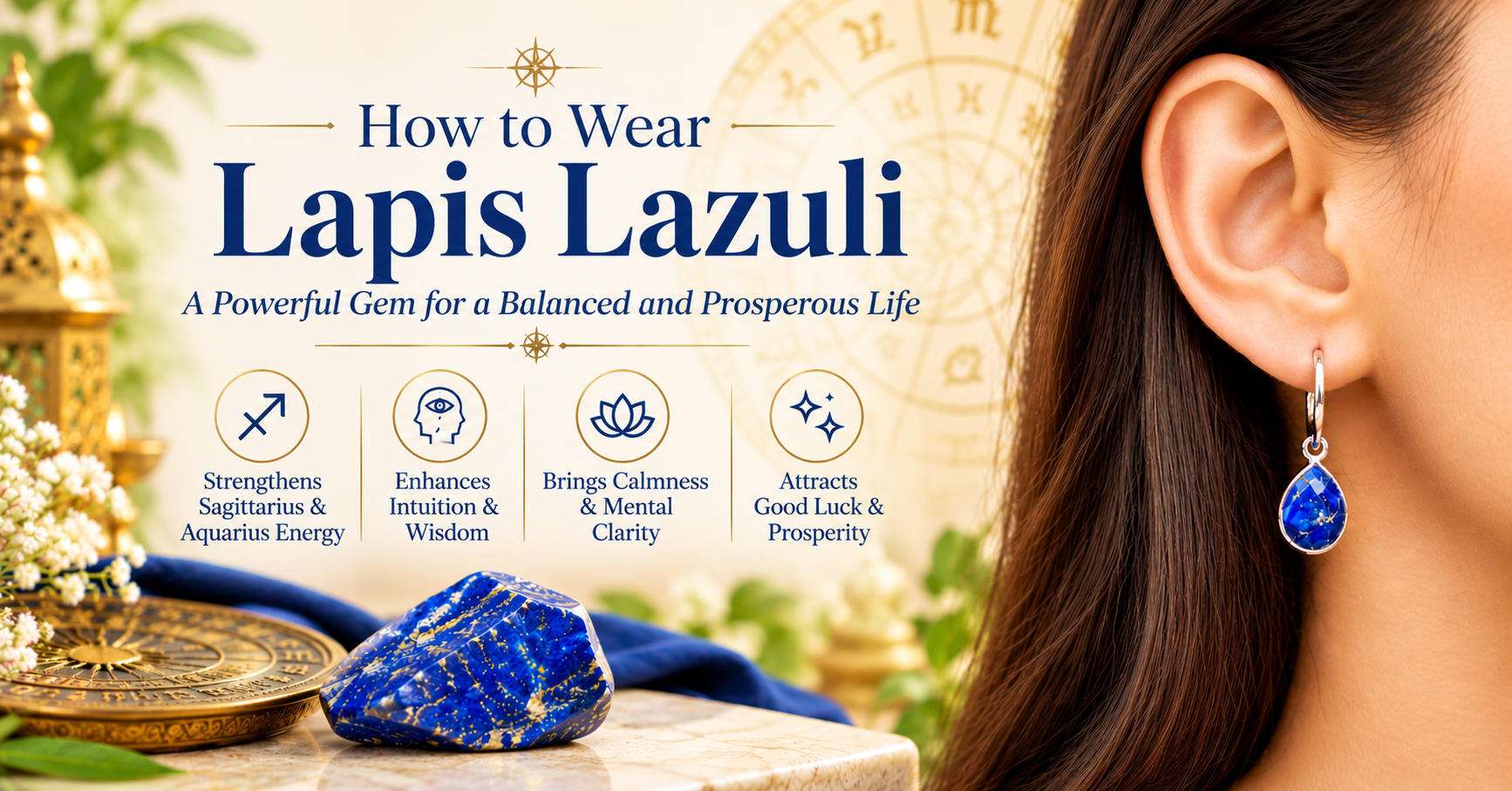
Lapis Lazuli has a long history of association with wisdom, truth, knowledge, and spiritual expression. Its deep blue color and distinctive golden inclusions have made it a popular gemstone for jewelry and spiritual symbolism. In a Maa Siddhidatri-themed context, Lapis Lazuli can represent the pursuit of knowledge, inner wisdom, and meaningful self-expression.
The connection between Maa Siddhidatri and these gemstones should be understood primarily through symbolism and personal spiritual practice. Maa Siddhidatri represents wisdom, spiritual attainment, and inner peace, while gemstones such as Amethyst, Clear Quartz, Moonstone, Selenite, and Lapis Lazuli can serve as meaningful objects for meditation, reflection, and intention-setting.
For those celebrating Navratri, incorporating a gemstone into a personal meditation or prayer space can be a simple way to create a visual reminder of the qualities they wish to cultivate. The GemRishi collection offers a variety of natural gemstones for those interested in exploring their traditional beauty and spiritual significance. The deeper significance of Navami, however, remains the devotion to Maa Siddhidatri and the values of wisdom, spiritual growth, purity, and inner harmony that she represents.
How to Use Gemstones During Navratri
Navratri is a time when people slow down, spend more time in prayer, and reconnect with their spiritual side. If you already enjoy gemstones, you can include one in your Navratri routine as a personal symbol of the qualities you want to focus on.
One simple way is to use a gemstone during meditation. You can hold the stone in your hand, place it beside you, or simply keep it within your sight while sitting quietly. For example, Amethyst is traditionally associated with calmness, meditation, spiritual awareness, and clarity, making it a popular choice for people who want to create a peaceful meditation environment.
You can also keep a gemstone in your prayer or puja space. It does not need to become a complicated ritual. A clean gemstone placed near your diya, prayer book, or image of Maa Siddhidatri can simply serve as a visual reminder of your devotion and intentions during Navratri.
Another easy approach is to keep the gemstone near your meditation area. Whether it is Amethyst, Moonstone, Clear Quartz, or another stone you personally connect with, having it nearby can become part of your regular meditation or reflection routine. The meaning you give the gemstone is often just as personal as the gemstone itself.
Some people prefer wearing or carrying gemstones as part of their personal tradition. If you are wearing a gemstone for jewellery, comfort, appearance, and personal preference can guide your choice. If you are following traditional Vedic astrology, however, gemstone selection may involve your individual birth chart and other astrological factors, so a general Navratri recommendation should not automatically be treated as a personal astrological prescription.
If you are looking for natural gemstones to include in your spiritual or festive routine, you can explore the GemRishi gemstone collection and choose a stone that matches your personal preferences and purpose.
How to Choose a Gemstone for Spiritual Practices
Choosing a gemstone does not have to be complicated. Start by asking yourself why you want the gemstone. Are you looking for something to keep in your meditation space, a beautiful piece of jewellery, or a stone that has a particular traditional or spiritual meaning? Your answer can make the rest of the selection process much easier. GemRishi also recommends starting with the purpose of the gemstone before considering factors such as colour, quality, certification, and price.
Next, think about colour and symbolism. Many people naturally feel drawn to certain colours. Purple Amethyst, for example, is traditionally connected with calmness, meditation, and spiritual awareness, while Lapis Lazuli is commonly associated with wisdom and self-expression. Moonstone is often appreciated for its connection with reflection and intuition in spiritual traditions. These associations are symbolic and can vary between traditions.
Your personal preference matters too. A gemstone should feel meaningful to you. You might choose Amethyst because you love its purple colour, Moonstone because of its soft glow, or Lapis Lazuli because of its deep blue appearance. There is no need to choose a stone simply because someone else considers it spiritually significant.
Finally, pay attention to authenticity and quality, particularly when purchasing a valuable gemstone. Check whether the stone is natural, synthetic, or treated, and look for appropriate certification and product information. Natural and untreated are not the same thing, so it is worth checking the treatment status rather than relying only on the word “natural.”
For readers who want to learn more about selecting the right stone, the GemRishi Gemstone Buying Guide provides additional information about purpose, quality, treatment, certification, colour, weight, and other factors to consider.
Maa Siddhidatri & Gemstone FAQs
Which gemstone is associated with Maa Siddhidatri?
There is no single universally established gemstone that is traditionally prescribed as the gemstone of Maa Siddhidatri. Maa Siddhidatri is primarily associated with spiritual accomplishment, wisdom, inner growth, and divine grace. For a gemstone connection in a modern spiritual context, Amethyst can be discussed because of its traditional associations with meditation, calmness, and spiritual awareness. This is a symbolic connection rather than a formal scriptural prescription.
Which gemstone is good for meditation?
Amethyst is one of the gemstones commonly associated with meditation and spiritual practices. People often use it as a meditation companion because of its traditional associations with calmness, clarity, and spiritual awareness.
However, there is no single gemstone that everyone must use for meditation. The best choice can simply be the stone that you personally find meaningful and comfortable to use.
You can explore Amethyst gemstones at GemRishi if you are interested in adding Amethyst to your personal gemstone collection.
Can Amethyst be used during Navratri?
Yes. Amethyst can be included in a personal Navratri meditation or prayer routine if it fits your traditions and preferences. You can keep it near your puja space, use it during meditation, or wear it as jewellery.
If you intend to wear Amethyst specifically according to Vedic astrological traditions, the method of wearing it can vary according to individual circumstances. GemRishi notes that factors such as the purpose of wearing the stone and an individual's birth chart may be relevant for astrological use.
What does Amethyst symbolize spiritually?
Amethyst is traditionally associated with calmness, meditation, clarity, protection, and spiritual awareness. Its deep purple colour is also often connected with spirituality and inner reflection. These are traditional and symbolic associations rather than scientifically established effects.
For someone celebrating Navami and reflecting on the qualities represented by Maa Siddhidatri, Amethyst can therefore serve as a simple visual symbol of peace, reflection, and spiritual awareness.
Which gemstone represents wisdom and intuition?
There is no single gemstone that universally represents wisdom and intuition across all cultures and traditions. Lapis Lazuli is commonly associated with wisdom, knowledge, truth, and self-expression, while Moonstone is often connected with intuition and inner reflection.
If your focus is specifically on the wisdom represented by Maa Siddhidatri, Lapis Lazuli can provide a meaningful symbolic connection. If your focus is more on introspection and intuition, Moonstone may appeal to you more.
The important thing is to choose a gemstone based on the meaning you personally connect with rather than treating a gemstone as a guaranteed source of spiritual powers. You can explore the GemRishi gemstone collection to discover different natural gemstones and find one that suits your personal preferences and spiritual practice.
Maa Siddhidatri & Gemstone FAQs
Who is Maa Siddhidatri?
Maa Siddhidatri is the ninth form of Goddess Durga, worshipped on the ninth day of Navratri, known as Maha Navami. She is traditionally associated with spiritual accomplishments, wisdom, inner growth, and divine blessings.
Why is Maa Siddhidatri worshipped on Navami?
Maa Siddhidatri is worshipped on Navami, the ninth and final day of Navratri, as she represents the completion of the spiritual journey through the nine forms of Goddess Durga.
What does the name Siddhidatri mean?
The name Siddhidatri comes from two Sanskrit words: “Siddhi,” meaning accomplishment, attainment, or spiritual perfection, and “Datri,” meaning giver.
What does Maa Siddhidatri symbolize?
Maa Siddhidatri symbolizes spiritual wisdom, inner peace, devotion, self-realization, and spiritual accomplishment. Her serene appearance and lotus seat are traditionally associated with purity and spiritual awakening.
What are the traditional offerings made to Maa Siddhidatri?
Devotees may offer flowers, fruits, sweets, coconut, and other traditional bhog items during Navami worship. The exact offerings can vary according to regional customs and family traditions.
What is the mantra of Maa Siddhidatri?
A commonly recited mantra associated with Maa Siddhidatri is “Om Siddhidatryai Namah.” Devotees may chant this mantra during Navami prayers or meditation as an expression of devotion and a way of focusing their minds on the qualities represented by the Goddess.
Which gemstone can be symbolically associated with Maa Siddhidatri?
There is no universally established gemstone prescribed specifically for Maa Siddhidatri in Hindu scriptures. However, Amethyst can be used as a symbolic connection because it is traditionally associated with meditation, calmness, spiritual awareness, and inner reflection. This connection should be understood as a personal or symbolic association rather than a formal religious prescription.
How can gemstones be included in Maa Siddhidatri worship?
A gemstone can be incorporated into a personal Navami routine in a simple and respectful way. For example, you can keep Amethyst, Lapis Lazuli, or Moonstone near your meditation or prayer space as a visual reminder of qualities such as spiritual awareness, wisdom, and inner reflection. Those interested in exploring natural gemstones can visit the GemRishi gemstone collection and choose a stone based on their personal preferences and traditions.
Have Questions Regarding This Gemstone?
Connect 1-on-1 with GemRishi’s certified Vedic gemologists on WhatsApp for personalized birth chart recommendations, lab certificate verification, or custom jewelry quotes.
Gemrishi
Gemrishi is a certified gemologist and Vedic astrology scholar at GemRishi with over 15 years experience in natural gemstone origin authentication.