Investing in the Narrative: Why Today's Luxury Buyers Value Artistic Concepts Over Simple Gold Weight
Introduction: When Jewellery Becomes More Than Gold
For generations, gold jewellery has been valued for its purity, weight, and ability to retain material worth. In many Indian households, buying gold remains closely connected with weddings, festivals, family traditions, and long-term financial planning. Yet luxury jewellery is also becoming a more personal purchase, particularly for buyers who want distinctive designs, meaningful gemstones, and craftsmanship that reflects their individuality.
Consider two pieces of jewellery. One is a heavy gold necklace with a conventional design. The other is a carefully crafted gemstone necklace featuring a vivid emerald, intricate metalwork, and a design inspired by nature. Both may have their own appeal, but the second piece offers something beyond its material composition: a creative concept that gives the jewellery a distinctive identity.
This is where the idea of narrative-driven luxury jewellery comes into focus. Today's design-conscious buyers can be drawn to the story behind a piece, the choice of coloured gemstones, the skill of the artisan, and the emotions associated with wearing it. Gold remains important, but it is no longer the only element shaping the appeal of luxury jewellery.
For gemstone lovers, this creates exciting possibilities. Ruby, Emerald, Blue Sapphire, Opal, and other coloured gemstones allow designers to build jewellery around colour, symbolism, and artistic expression rather than relying exclusively on the quantity of precious metal.
1. What Does Narrative-Driven Luxury Jewellery Mean?
Narrative-driven jewellery is designed around an idea, inspiration, or story. Instead of treating a ring, necklace, or bracelet simply as an arrangement of precious materials, the designer creates a piece with a recognisable identity.
The inspiration might come from architecture, flowers, historical jewellery, cultural traditions, celestial patterns, or the natural formations found in gemstones. Every design decision, from the choice of stone to the setting and metal finish, contributes to the final concept.
For example, an Emerald pendant inspired by botanical forms may feature leaf-shaped details and flowing gold lines. A Blue Sapphire ring inspired by the night sky might use a deep blue centre stone surrounded by smaller diamonds. The value of the design lies partly in how successfully these elements work together.
This approach does not make gold weight irrelevant. Rather, it gives buyers another way to appreciate jewellery: through creativity, craftsmanship, material quality, and personal meaning.
2. Why Luxury Buyers Are Looking Beyond Gold Weight
Personal Expression Matters
Luxury purchases often reflect individual taste. Some buyers prefer traditional gold ornaments, while others want jewellery that feels distinctive and closely connected to their personality.
Coloured gemstone jewellery offers considerable freedom in this regard. A vivid Ruby can create a bold focal point, an Amethyst can introduce a softer purple palette, and an Aquamarine can bring a cool, understated appearance to a design.
The choice of gemstone can also reflect a personal milestone, a favourite colour, a family memory, or an interest in traditional gemstone symbolism. The resulting piece becomes more individual than a purchase determined mainly by weight.
Design Creates Emotional Appeal
A gemstone can be associated with a memorable occasion, such as an engagement, anniversary, graduation, or personal achievement. When the design reflects that occasion, the jewellery becomes more than an accessory.
For instance, a ring featuring a birthstone may commemorate a special date. A pendant designed around a favourite flower may carry personal significance for its wearer.
This emotional dimension helps explain why some buyers are willing to pay for intricate craftsmanship and original design, even when a piece contains less gold than a conventional ornament.
Changing Economics of Jewellery
Gold prices also influence purchasing decisions. The World Gold Council's Gold Demand Trends: Full Year 2025, published in January 2026, reported that global jewellery demand fell by 18% by volume in 2025, while its value increased by 18%. Higher gold prices contributed to this divergence.
These figures do not prove that consumers are universally abandoning weight-based purchases. They do, however, illustrate the financial pressures surrounding gold jewellery and the importance of understanding what a buyer is paying for.
For some shoppers, a gemstone-led design offers an alternative way to explore luxury through colour, artistry, and distinctive craftsmanship. The right choice still depends on budget, preferences, and the quality of the finished piece.
3. Coloured Gemstones: The Heart of Artistic Jewellery
Gemstones can transform a jewellery design because each variety brings its own colour, optical characteristics, and visual personality. Unlike a design driven primarily by the metal, gemstone-led jewellery often begins with the stone itself.
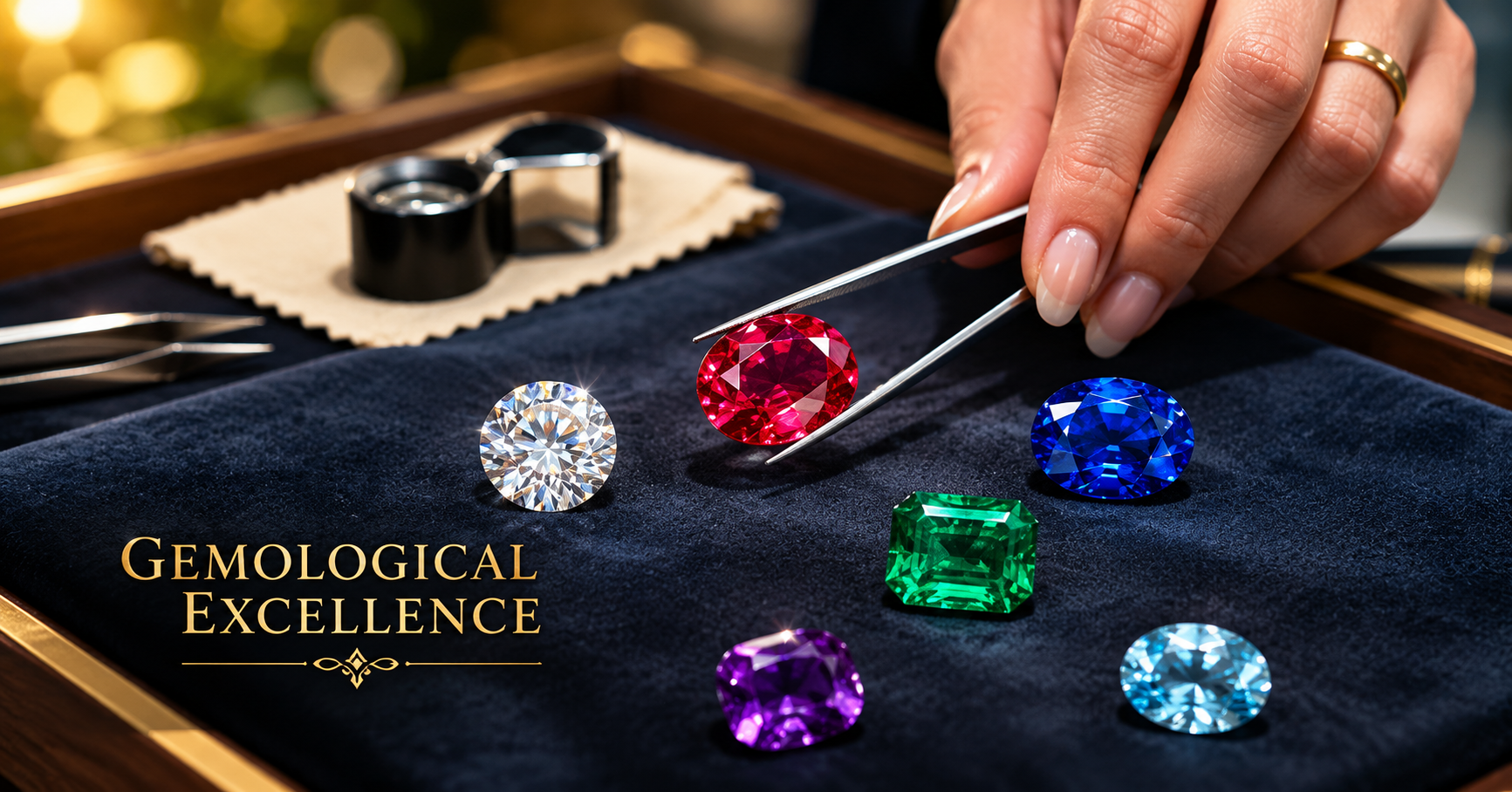
Here are some gemstones that designers can use to develop distinctive luxury concepts.
Ruby: Bold Colour and Timeless Character
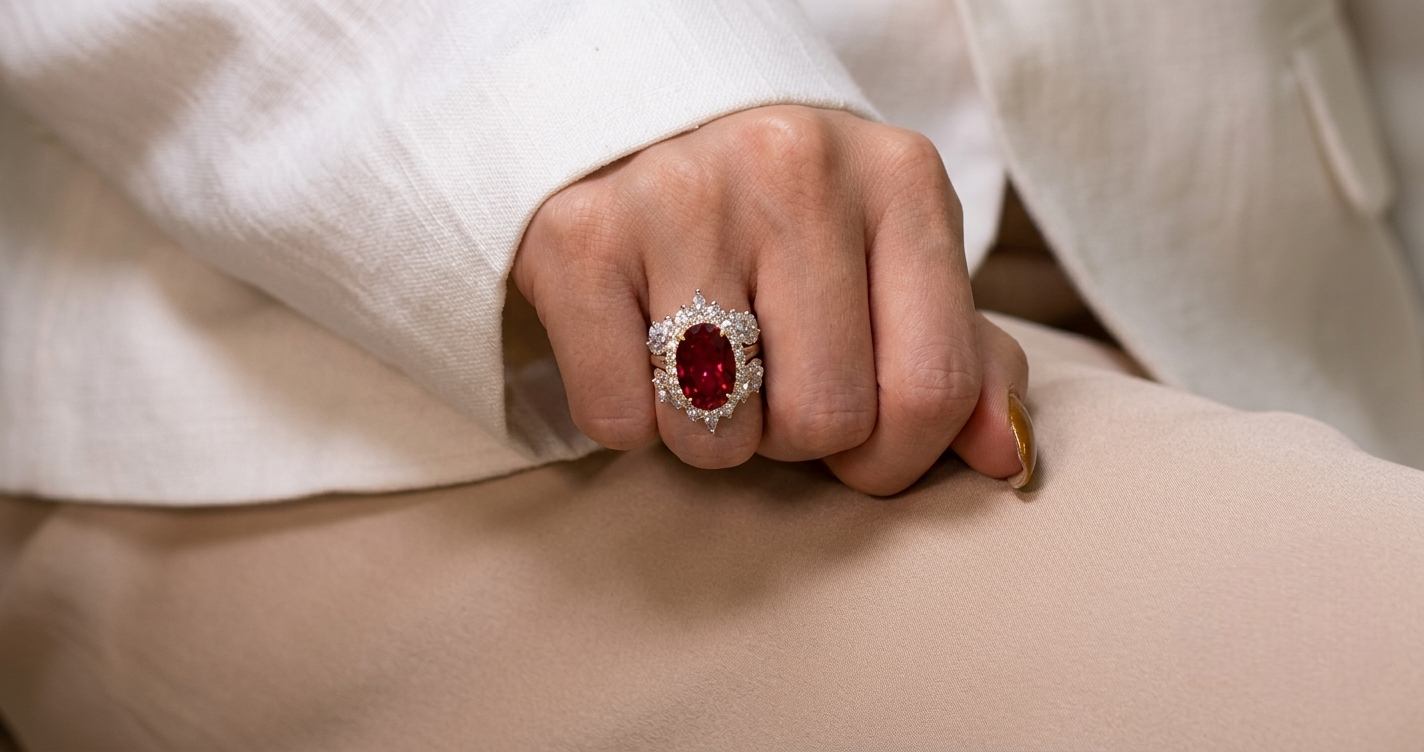
Ruby is admired for its red colour and long association with royal jewellery. Its rich appearance works particularly well in statement rings, pendants, and designs inspired by heritage craftsmanship.
A designer might combine a central Ruby with textured gold, sculptural settings, or carefully positioned accent stones. The result can feel traditional without appearing conventional.
Emerald: Natural Beauty and Refined Luxury
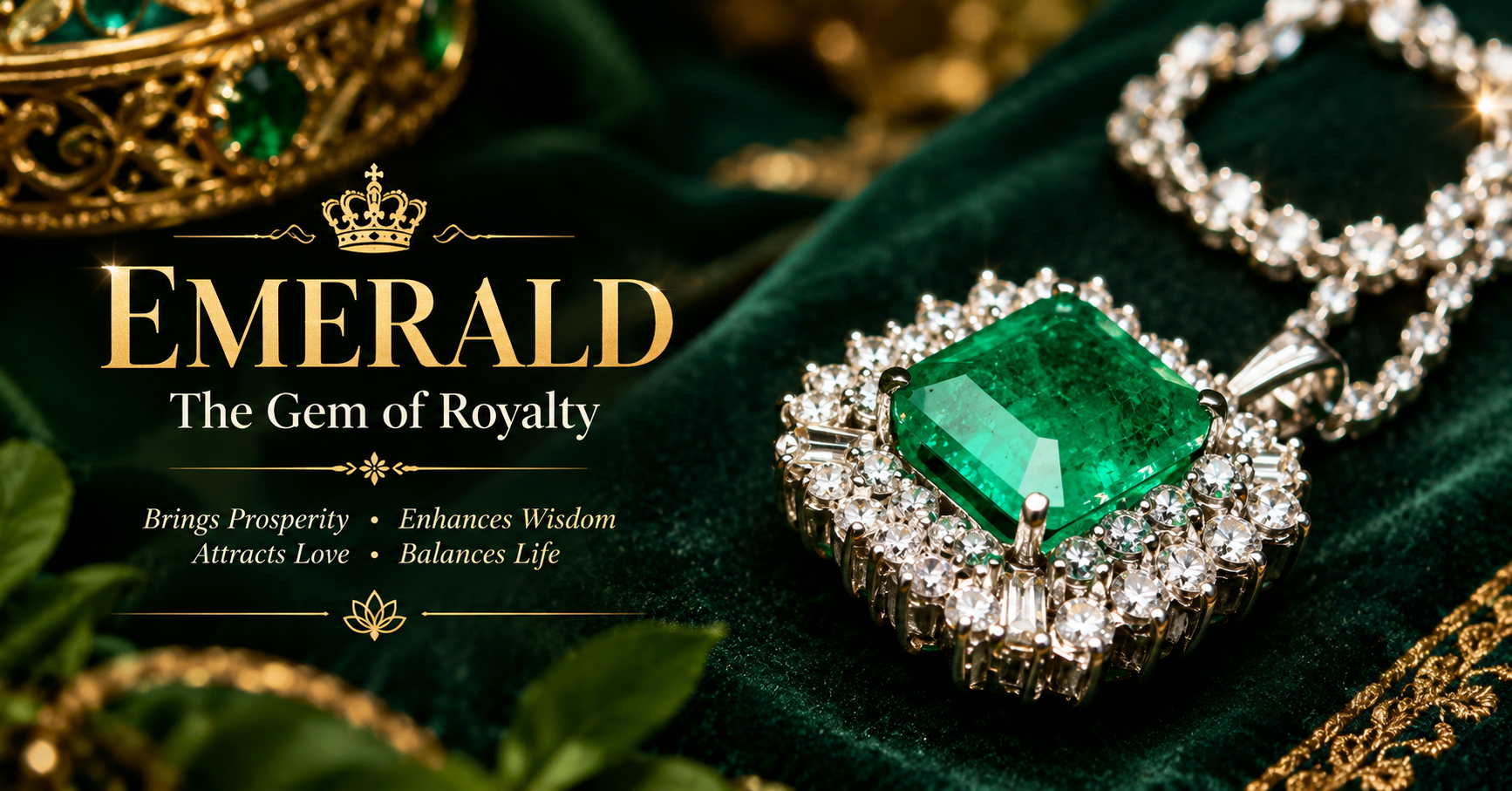
Emerald is valued for its green colour and distinctive internal characteristics. Its appearance makes it suitable for designs inspired by botanical forms, vintage jewellery, and architectural geometry.
An Emerald can become the focal point of a piece even when the gold setting is relatively restrained. However, emeralds vary considerably in clarity, treatment, and durability, so these factors should be considered when selecting a stone.
Blue Sapphire: Understated Sophistication
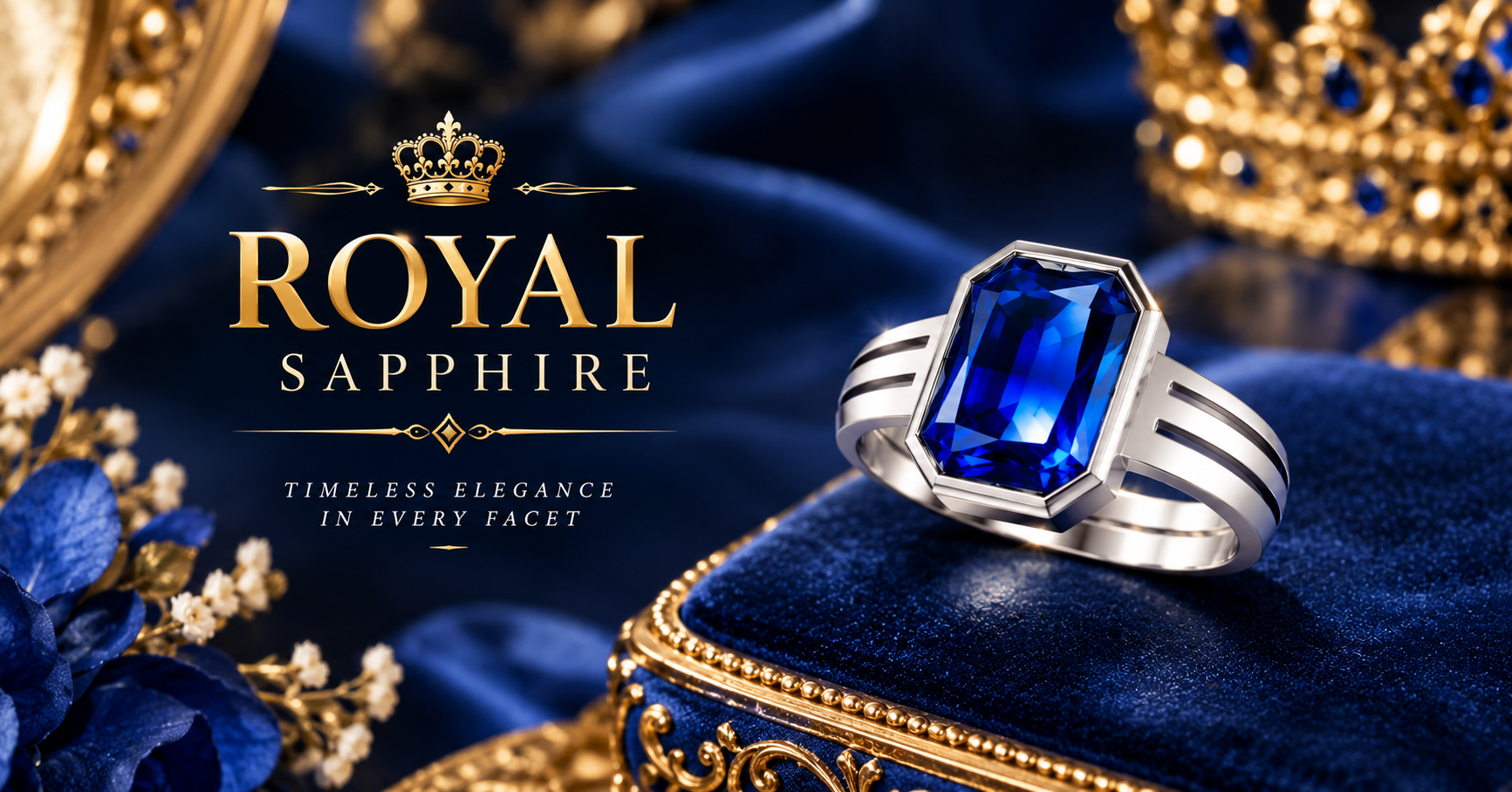
Blue Sapphire offers a strong colour identity that works across classic and contemporary designs. It can be set in a minimal ring, a geometric pendant, or a more elaborate statement piece.
Its durability is another practical advantage: sapphire ranks 9 on the Mohs hardness scale. Nevertheless, hardness does not make a gemstone indestructible, and appropriate setting and care remain important.
Opal, Amethyst and Citrine: Room for Creativity
Some jewellery concepts depend on unusual colour effects rather than traditional precious-gemstone conventions.
Opal is appreciated for its play-of-colour in varieties that display this optical effect. Amethyst offers purple tones ranging from light lavender to deeper violet, while Citrine brings yellow to orange-brown hues.
These gemstones allow designers to explore playful, contemporary, and artistic jewellery styles. Their suitability depends on the intended design, gemstone quality, durability, and budget.
Explore the GemRishi gemstone collection to discover gemstone varieties and colours that can inspire a more individual jewellery style.
4. Craftsmanship: Where the Concept Becomes Reality
An artistic concept only works when the craftsmanship supports it. The quality of a luxury jewellery piece depends not simply on the gemstone or precious metal, but also on how the components are selected, proportioned, assembled, and finished.
Gemstone setting is especially important. A stone may look impressive on its own, but an unsuitable setting can hide its colour, interfere with its proportions, or leave it vulnerable to damage.
A well-considered design balances several elements:
- Stone selection: The gemstone's colour, shape, clarity, and visual character should suit the concept.
- Cut and proportions: The gemstone's shape and faceting should work with the overall design.
- Metalwork: The setting, surface finish, and structural details should complement the stone.
- Wearability: The piece should be comfortable and appropriately constructed for its intended use.
- Finishing: Polished surfaces, secure settings, and carefully finished details contribute to the overall impression of quality.
Handcrafted details can also give a piece individuality. However, handmade production alone does not guarantee superior quality; materials, design, execution, and finishing all matter.
5. Why Gold Weight and Artistic Value Are Different
Gold weight is an important and measurable part of jewellery pricing, but it is not the same as the total value of a finished piece.
The retail price of gemstone jewellery can reflect several factors, including the amount and purity of gold, gemstone quality, labour, design complexity, setting work, brand positioning, and applicable taxes.
Consider a lightweight gold ring with a well-cut natural gemstone and detailed setting work. Its price may include substantial craftsmanship and gemstone costs despite its relatively low gold weight. A heavier gold ring with a simpler design may derive a larger proportion of its material value from the gold itself.
Neither is automatically the better purchase. They simply offer different qualities.
Buyers should also distinguish between purchase price, resale value, and personal value. Artistic appeal may make a piece more desirable to its owner, but it does not guarantee stronger resale performance or investment returns.
If retaining financial value is important, compare the gold purity and weight, gemstone specifications, making charges, documentation, and realistic resale terms before purchasing.
6. Jewellery as a Personal Story
One reason gemstone jewellery remains appealing is its ability to carry meaning across different stages of life.
A Ruby ring might celebrate an achievement. An Emerald pendant might be chosen because green is the wearer's favourite colour. A family heirloom might be redesigned to preserve an older gemstone while giving it a contemporary setting.
These choices show how jewellery can connect materials with memory and identity.
Gemstones also have cultural and traditional associations. In Vedic astrology, for example, Ruby is traditionally associated with the Sun, Emerald with Mercury, Yellow Sapphire with Jupiter, and Blue Sapphire with Saturn. Such associations are part of astrological traditions, rather than scientifically established guarantees of particular outcomes.
For buyers interested in this dimension, it is helpful to distinguish between selecting a gemstone for its aesthetic appeal and choosing one for traditional astrological purposes.
GemRishi's guide, How to Choose the Right Gemstone for Yourself, explores factors such as purpose, quality, treatment, certification, and budget.
7. How to Choose Narrative-Driven Gemstone Jewellery
Buying artistic jewellery requires more than falling in love with a photograph. The best approach is to appreciate the design while checking the details that determine its quality and suitability.
Start with the concept. Think about whether you prefer minimalism, vintage-inspired designs, nature-inspired motifs, bold statement jewellery, or geometric forms. A clear preference makes it easier to identify pieces that suit your personal style.
Examine the gemstone. Check its variety, colour, cut, clarity, weight, and any disclosed treatments. Natural gemstones can have inclusions, and their importance varies by stone and by the characteristics of the individual specimen.
Understand the materials. Confirm the gold purity, gemstone specifications, and whether the product description accurately represents the materials used.
Consider everyday wear. Rings generally experience more knocks and abrasion than pendants or earrings. Choose a suitable gemstone and setting for how frequently you intend to wear the piece.
Review the documentation. For a higher-value gemstone, ask for an appropriate laboratory report and check what it establishes about the stone. Certification can provide useful information, but the scope of a report depends on the laboratory and the tests performed.
Compare the complete price. Consider the gold, gemstone, craftsmanship, making charges, and seller policies together rather than treating a high price as proof of quality.
For additional guidance, read GemRishi's guide to vibrant gemstone jewellery trends.

8. The Future of Luxury Jewellery: Meaning Meets Materials
Luxury jewellery does not need to choose between artistic design and material value. The strongest pieces can bring both together.
Gold provides a familiar foundation, while coloured gemstones introduce individuality, visual interest, and opportunities for creative expression. Thoughtful craftsmanship connects these elements into a finished piece that feels complete.
As buyers explore different jewellery styles, designers have opportunities to create collections around specific inspirations, gemstone colours, cultural references, and personal milestones. Such concepts can help a collection stand apart, provided the design is supported by quality materials and skilled execution.
This is particularly relevant to gemstone jewellery, where no two varieties offer exactly the same combination of colour, optical character, and natural features. The gemstone becomes part of the design story rather than merely an addition to the metal.
Conclusion: Value the Craft, Understand the Materials, Choose Your Story
The appeal of luxury jewellery is broader than the amount of gold used to create it. Gold weight remains important, especially for buyers who prioritise material value, but it does not fully explain why a particular piece feels special.
Artistic design, gemstone selection, craftsmanship, cultural significance, and personal memories can all influence a buyer's decision. These qualities help explain why a thoughtfully designed Ruby ring or an expressive Emerald pendant may appeal to someone looking for more than a conventional ornament.
The sensible approach is to appreciate both sides of the purchase. Understand the material value, check the gemstone's characteristics, and consider the quality of the craftsmanship. Then decide whether the design genuinely reflects your taste and purpose.
Explore the GemRishi homepage and gemstone collection to discover gemstones that can inspire your next jewellery choice.
Frequently Asked Questions
1. What is narrative-driven luxury jewellery?
Narrative-driven luxury jewellery is designed around a story, inspiration, or personal meaning. The concept may draw on nature, architecture, cultural traditions, or significant life events. Gemstones, metalwork, and setting styles are chosen to support that idea, allowing the finished piece to express a distinctive identity beyond its material composition.
2. Why are some luxury buyers looking beyond gold weight?
Some buyers want jewellery that reflects personal taste, artistic design, and individuality. Coloured gemstones and detailed craftsmanship can provide these qualities. Rising gold prices can also influence purchasing decisions, although many consumers continue to value gold weight for traditional, material-value, and gifting considerations.
3. Does artistic jewellery have more value than heavy gold jewellery?
Not necessarily. Artistic jewellery may offer distinctive design, skilled craftsmanship, and personal appeal, while heavier gold jewellery contains more precious metal. The better choice depends on the buyer's priorities. Purchase price, resale value, gemstone quality, gold purity, and making charges should all be evaluated separately.
4. Which gemstones are popular in artistic luxury jewellery?
Ruby, Emerald, Blue Sapphire, Opal, Amethyst, Citrine, and Aquamarine are among the varieties used in colourful jewellery designs. Each offers different visual characteristics. The right gemstone depends on the concept, colour preference, intended use, quality requirements, and budget rather than popularity alone.
5. How do coloured gemstones change a jewellery design?
Coloured gemstones can establish the visual focus of a piece, influence its overall mood, and guide the choice of metal and setting. A Ruby may create a bold appearance, while an Emerald can complement botanical designs. The gemstone's shape and colour help determine how the remaining elements work together.
6. Is gemstone jewellery a good alternative to heavy gold jewellery?
It can be a good alternative for buyers who prioritise colour, design, and personal expression over gold weight alone. However, gemstone jewellery is not automatically cheaper. High-quality natural gemstones and intricate settings can be expensive, so buyers should compare the complete product specifications and pricing.
7. What determines the price of artistic gemstone jewellery?
Price can depend on gold purity and weight, gemstone type and quality, carat weight, treatments, design complexity, labour, setting work, and brand positioning. Taxes and other retail charges may also apply. A detailed price breakdown helps buyers understand what they are paying for rather than relying on appearance alone.
8. Does an expensive gemstone guarantee better investment value?
No. A high purchase price does not guarantee appreciation or easy resale. Gemstone value depends on factors such as variety, quality, treatments, origin where relevant, documentation, market demand, and the terms offered by potential buyers. Purchase gemstone jewellery primarily with a clear understanding of its cost and your intended use.
9. How can I check the quality of a gemstone before buying?
Examine its colour, cut, clarity, dimensions, and overall condition. Ask whether the gemstone is natural or laboratory-grown and whether any treatments have been disclosed. For higher-value purchases, consider an appropriate independent gemological report and verify the seller's return policy. Photographs alone cannot reliably establish authenticity.
10. Are natural gemstones always better than laboratory-grown gemstones?
Not for every buyer or purpose. Natural gemstones form through geological processes, while laboratory-grown gemstones are created under controlled conditions and can have similar chemical and physical properties to their natural counterparts. They differ in origin and often in price. Buyers should understand which type they are purchasing and make a decision based on their preferences and budget.
11. How should I choose a gemstone for everyday jewellery?
Consider hardness, toughness, cleavage, setting security, and the way you plan to wear the piece. Rings often need more protection because they encounter frequent knocks and abrasion. Sapphire and Ruby are relatively hard gemstones, but even they can be damaged. Softer or more delicate varieties may be better suited to carefully designed pendants or earrings.
12. Where can I explore gemstones for artistic jewellery designs?
You can begin with the GemRishi gemstone collection to explore different gemstone varieties and colours. Before purchasing, review the individual product specifications, disclosed treatments, available certification, and applicable policies. Comparing these details will help you select a gemstone that suits both your design preferences and budget.
Have Questions Regarding This Gemstone?
Connect 1-on-1 with GemRishi’s certified Vedic gemologists on WhatsApp for personalized birth chart recommendations, lab certificate verification, or custom jewelry quotes.
Gemrishi
Gemrishi is a certified gemologist and Vedic astrology scholar at GemRishi with over 15 years experience in natural gemstone origin authentication.