From Fiery Reds to Pastel Elegance: How Modern High Jewelry Is Redefining Global Gemstone Trends
Introduction: The Changing Language of Luxury Gemstones
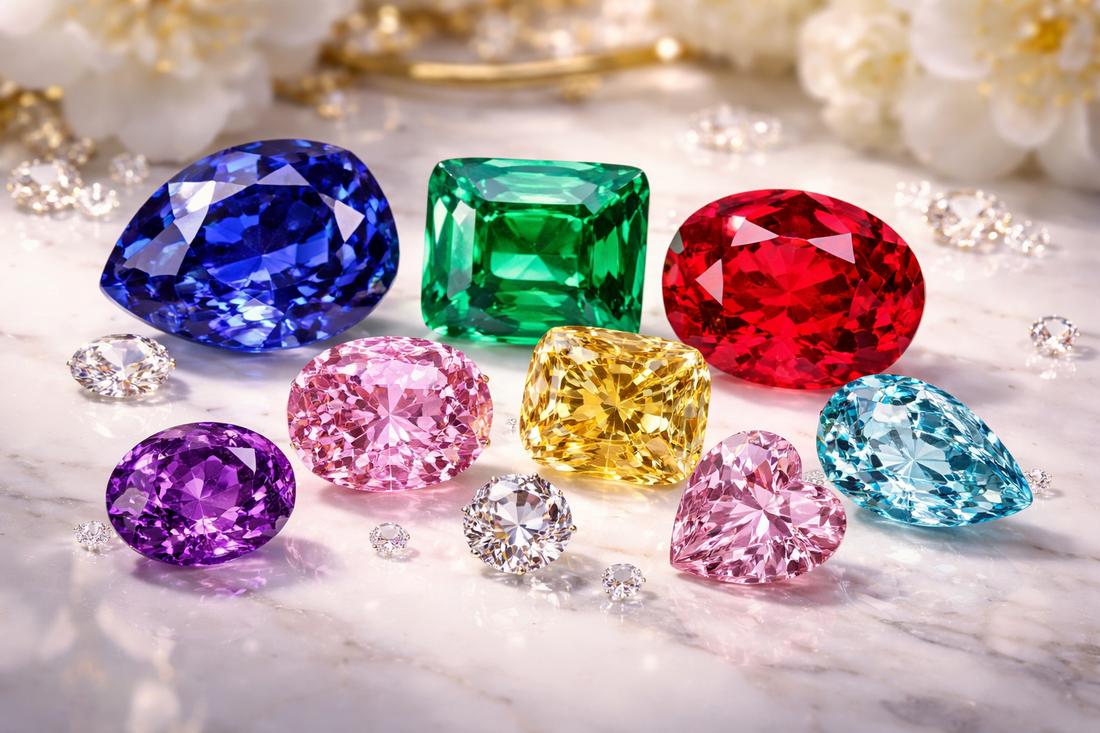
Luxury gemstone jewelry centers around rare, high-clarity precious and color stones—such as diamonds, rubies, sapphires, emeralds, alexandrite, and tanzanite—set in high-purity gold or platinum. Collection from ruby-studded necklaces to elegant gemstone rings, pendants, bracelets,every piece reflects a unique combination of heritage and personal style and spiritual significance.
Fiery red rubies, vibrant green emeralds, and deep blue sapphires have defined the traditional appeal of high jewellery. Today the world of luxury is embracing a broader colour palette, including soft pink morganite, blue aquamarine, and earthy smoky quartz.
Modern high jewellery brings traditional richness together with pastel elegance and natural tones, creating fresh interpretations of luxury.
Today's designs are exploring a wider spectrum of colour, from the soft blush of morganite and the cool blue of aquamarine to the smoky warmth of quartz and the fresh green of peridot.
This shift is not about replacing traditional gemstones with something new. It is about discovering more ways to appreciate them. Some jewellery lovers still gravitate towards intense, saturated colours, while others prefer delicate shades that feel effortless and understated. Many enjoy combining both.
At GemRishi, the world of natural gemstones offers plenty of inspiration for exploring these changing preferences. The growing conversation around colour shows how high jewellery can honour traditional craftsmanship while reflecting individual taste, international influences, and modern ideas of elegance.
2. The Timeless Power of Fiery Gemstones
Rubies: The Enduring Appeal of Bold Red
Ruby gemstones are one of the most demanding stone. Its rich red colour can appear warm and velvety or bright and vivid, depending on the stone. For centuries, rubies have been treasured in royal jewellery and passed down through generations.Red color matches easily with any looks .
Red works particularly well in jewellery because it draws attention without needing an elaborate design. A ruby set in a simple ring can feel just as striking as one surrounded by diamonds. In contemporary high jewellery, designers may use a single ruby as a focal point or contrast its intense colour with softer pink stones and neutral materials.
Red Coral and Garnet: Traditional Colours with Distinctive Character
Red coral has a distinctive, often opaque appearance, while garnet can display deep red shades that range from wine-like to brighter crimson. Each brings a different character to jewellery.
Red coral also holds an established place in Indian gemstone traditions, while garnet offers a versatile option for people drawn to rich, warm colours. Their appeal lies in their individuality rather than their ability to imitate another gemstone.
Emeralds and Blue Sapphires: The Legacy of Rich, Saturated Hues
Emeralds introduce a lush green that can feel both regal and connected to nature. Blue sapphires, meanwhile, offer depth and sophistication, with colours that range from lighter blues to inky, intense shades.
These gemstones demonstrate why saturated colours remain important in high jewellery. Their visual strength gives designers a natural starting point for creating pieces with personality. Explore the wider GemRishi gemstone collection to discover the colours and varieties that make traditional gemstones so enduring.
3. The Rise of Pastel Gemstones in Modern High Jewelry
Pastel gemstones offer a different kind of beauty. Rather than relying on dramatic colour, they create a softer impression through delicate shades, subtle variations, and a lighter visual presence.
Morganite: Soft Pink Elegance
Morganite is known for its gentle pink to peachy-pink colour. It pairs beautifully with rose gold, white metals, and delicate settings, making it a popular choice for romantic and contemporary jewellery designs.
Its appeal is easy to understand. Morganite brings colour into a piece without overwhelming the overall design. It can look graceful in a solitaire ring, elegant in earrings, or distinctive when combined with complementary pastel stones.
Aquamarine: The Beauty of Tranquil Blue
Aquamarine offers shades of blue that can evoke clear water and open skies. Its cool, refreshing colour works well in both minimalist jewellery and more elaborate creations.
A pale aquamarine can create a subtle everyday look, while a more saturated stone can become the centrepiece of a statement design. Its versatility makes it especially interesting for those who appreciate coloured gemstones but prefer a lighter palette.
Pink Tourmaline and Kunzite: Contemporary Romantic Colours
Pink tourmaline can range from delicate rose tones to vibrant pink, giving designers plenty of creative freedom. Kunzite is admired for its pale pink to lilac-pink hues, which can appear especially graceful in larger cuts.
These gemstones bring a contemporary softness to jewellery without sacrificing individuality. Their colours can complement neutral clothing, add warmth to evening outfits, or provide a gentle contrast to deeper gemstones.
Pale sapphires and pastel spinel also contribute to this evolving palette. Their varied colours allow jewellery designers to experiment with combinations that feel fresh while retaining the quality and craftsmanship expected of fine jewellery.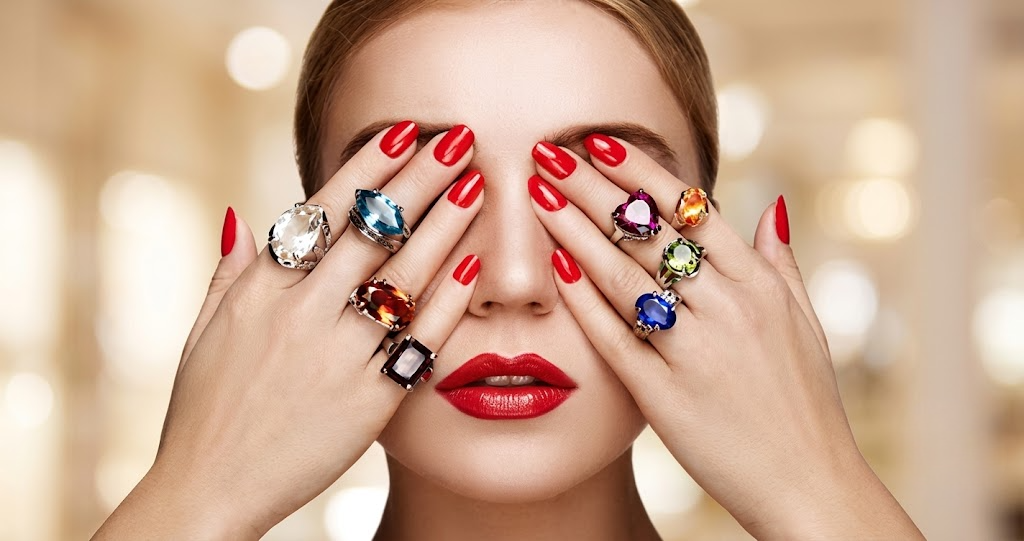
4. Earthy Gemstone Tones: Bringing Nature into Luxury
Not every luxurious gemstone needs to sparkle in a vivid, saturated colour. Earthy shades have their own appeal, bringing warmth, texture, and a sense of natural character to jewellery.
Smoky quartz is a good example. Its translucent brown and grey tones create a restrained, sophisticated appearance. It can work beautifully in large pendants, cocktail rings, and modern designs that focus on shape rather than excessive decoration.
Citrine introduces yellow to golden-orange hues, adding warmth and brightness. Yellow sapphire offers another interpretation of golden colour, with a long-standing place in traditional Indian gemstone culture. Although they may share a broad colour family, the two stones have different properties, appearances, and value considerations.
Green tourmaline and peridot bring nature-inspired greens into the conversation. Green tourmaline can range from subtle shades to deep, saturated colour, while peridot is often recognised by its lively yellowish-green appearance.
Brown diamonds and earthy garnets offer further possibilities for people who prefer understated luxury. Their colours can complement neutral wardrobes, natural materials, and warm-toned metals.
Earthy gemstones are particularly interesting because they do not compete for attention in the same way as bright red or electric blue stones. Instead, they often create a more relaxed, organic style. Their appeal comes from the way they fit into everyday life while still feeling distinctive.
5. Color Pairing in High Jewelry: From Bold Contrasts to Subtle Harmony
One of the most exciting aspects of modern gemstone design is the freedom to combine colours in unexpected ways.
Ruby red and blush pink, for example, create a relationship between intensity and softness. A vivid ruby can provide a strong focal point, while pink tourmaline or morganite introduces a gentler shade around it. The contrast feels coordinated without making every stone look the same.
Emerald green can work beautifully with earthy neutrals. Smoky quartz, brown gemstones, or understated metal finishes can balance the richness of green and give the overall design a more contemporary feel.
Aquamarine offers another opportunity. Its cool blue can be paired with warm citrine tones for contrast or with pale pink gemstones for a softer, more romantic effect.
Designers can also balance a vivid centre stone with smaller pastel accents. The main gemstone retains its presence, while the surrounding stones add depth and detail.
Successful colour pairing depends on more than matching shades. The size, cut, transparency, and placement of each stone affect the final result. Sometimes complementary colours create harmony; in other cases, contrasting colours give a piece its character. There is no single formula for beautiful gemstone jewellery.
6.How Global Aesthetics Are Transforming Gemstone Jewelry
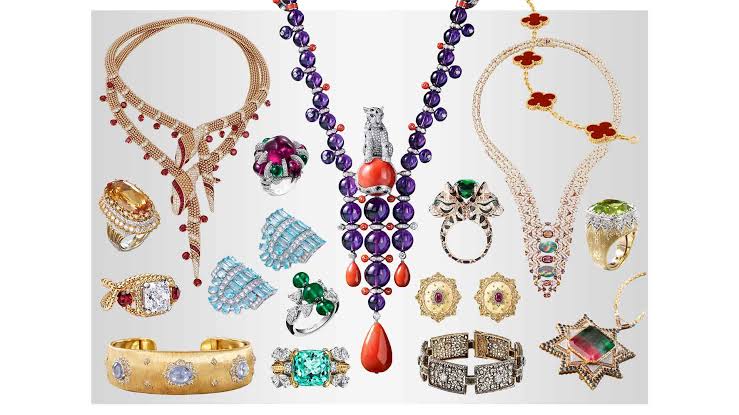
Modern high jewellery draws inspiration from many different design traditions. As ideas move between cultures, designers and jewellery lovers are discovering new ways to interpret familiar gemstones.
Indian jewellery has a long history of celebrating colour through intricate craftsmanship, bold gemstone combinations, and designs created for important occasions. Rubies, emeralds, sapphires, and other coloured stones have played prominent roles in traditional adornment. Contemporary interpretations may retain this richness while introducing cleaner silhouettes, lighter settings, or more restrained colour palettes.
European high jewellery has also explored the relationship between gemstones, precious metals, and detailed craftsmanship. Contrasting colours, carefully selected stones, and unusual arrangements can turn a gemstone into the centre of a design rather than simply another decorative element.
Meanwhile, minimalist aesthetics have encouraged a different approach. A single coloured stone, a simple setting, and an elegant shape can create a strong visual impression without unnecessary embellishment.
International fashion adds another layer to this evolution. Personal style increasingly influences how people choose jewellery, whether they prefer a bold ruby ring, a pastel pendant, or a combination of colours that reflects their own taste.
The result is not one universal trend. It is a broader understanding of luxury in which heritage and experimentation can exist together.
7. Modern Cuts, Settings, and Designs That Transform Gemstone Colors
Colour is only one part of a gemstone's appearance. The way a stone is cut can influence how light travels through it, how its colour is perceived, and how it looks when worn.
A well-proportioned cut can help a gemstone display its colour attractively, while different shapes create different moods. Oval and pear-shaped stones can feel elegant and fluid, round stones often appear classic, and emerald cuts can emphasise clean lines and a more structured look.
Settings matter just as much. Traditional jewellery may feature elaborate metalwork and multiple gemstones, while contemporary designs often use simpler settings that allow the centre stone to stand out.
Metal colour also affects the overall impression. Rose gold can complement pink and peach gemstones, white metals can create a crisp contrast with cool blues, and yellow gold can enhance the warmth of earthy or golden stones. These are design possibilities rather than fixed rules; the best combination depends on the individual gemstone and the desired look.
Modern high jewellery also moves between statement pieces and understated designs. A dramatic gemstone necklace may be reserved for special occasions, while a simple ring or pair of earrings can bring colour into everyday dressing.
8. Choosing Gemstone Colors for Your Personal Style
The most suitable gemstone colour is not necessarily the rarest or most expensive one. It is the one that fits your preferences, lifestyle, and intended use.
If you enjoy bold, dramatic jewellery, ruby, emerald, and blue sapphire may appeal to you. Their rich colours can create a strong focal point and work especially well in statement pieces.
If you prefer softer jewellery, consider exploring morganite, aquamarine, pale sapphires, or pink tourmaline. These shades can complement delicate designs and add colour without dominating an outfit.
For a natural, understated look, smoky quartz, citrine, green tourmaline, and peridot offer interesting alternatives. Their earthy and botanical tones can be worn with neutral clothing, textured fabrics, and simple silhouettes.
It is also worth thinking about how frequently you plan to wear a piece. Everyday jewellery may call for a practical design and a gemstone suited to your routine, while occasional jewellery allows more room for dramatic shapes and elaborate settings.
If you are choosing a gemstone primarily for traditional astrological reasons, colour preference is only one consideration. The selection process may involve other factors, so it is worth learning about the stone before making a decision.
For more practical advice, read GemRishi's complete gemstone buying guide.
9. Natural Beauty, Quality, and Authenticity in Colored Gemstones
The beauty of a coloured gemstone is closely connected to its natural characteristics. Two stones of the same variety can look quite different because of variations in colour, clarity, transparency, cut, and origin.
A natural gemstone may contain inclusions or subtle colour zoning. These features are not automatically signs of poor quality; their significance depends on the gemstone and the specific characteristics involved. At the same time, treatments can change a stone's appearance and may affect its value.
That is why buyers should look beyond photographs and marketing descriptions. Ask whether a gemstone is natural or laboratory-created, whether any treatments have been disclosed, and what the accompanying report actually confirms.
Certification can provide useful information about identity and, depending on the report, natural or synthetic status and detectable treatments. The scope of a report varies, so it is important to understand what it covers rather than assuming that every certificate guarantees every aspect of quality.
Price should also be considered in context. A larger gemstone is not automatically better, and a vivid colour alone does not determine value. Quality, rarity, treatment, craftsmanship, and documented characteristics all matter.
When buying coloured gemstones, informed decisions are more valuable than simply following a trend. A beautiful piece should appeal to you while giving you a clear understanding of what you are purchasing.
10. The Future of High Jewelry: A More Expressive Color Palette
The future of high jewellery is not about choosing between traditional richness and modern simplicity. Both have a place, and their coexistence gives designers more room to experiment.
Fiery rubies, rich emeralds, and deep blue sapphires continue to offer drama and heritage. Pastel gemstones introduce softness, while earthy shades create a connection with natural colours and understated design.
As personal expression becomes a central part of jewellery choices, colour combinations can become more individual. A collector may favour a classic sapphire ring, a pastel pendant, or a piece that brings several contrasting gemstones together.
This flexibility is what makes the evolution of gemstone jewellery so compelling. The same stone can feel traditional in one setting and thoroughly contemporary in another. Its character changes with the design, the colours around it, and the person who chooses to wear it.
Rather than following a single definition of luxury, modern high jewellery makes space for different tastes, cultural influences, and ways of wearing colour.
Conclusion: A New Definition of Gemstone Luxury
From the fiery intensity of ruby to the gentle colour of morganite and the earthy beauty of smoky quartz, gemstones offer a remarkable range of ways to express personal style. Each colour brings a different mood, and every design provides an opportunity to interpret that colour in a new way.
Modern high jewellery celebrates this diversity. It respects the history of traditional gemstones while welcoming pastel shades, nature-inspired tones, and combinations that cross familiar design boundaries.
Ultimately, luxury is not defined by one colour or one trend. It comes from the relationship between the gemstone, the craftsmanship, and the person who chooses it.
Explore the GemRishi gemstone collection to discover a world of colour, from timeless classics to stones that inspire a more contemporary approach to jewellery.
Frequently Asked Questions (FAQs)
Which gemstone colors are popular in modern high jewelry?
Rich reds, deep blues, and vivid greens remain classic choices. Pastel pinks, pale blues, golden yellows, and earthy browns and greens offer additional options for contemporary designs.
Why are pastel gemstones attracting attention?
Pastel gemstones offer colour in a softer, more understated form. Stones such as morganite and aquamarine work well in minimalist designs, delicate settings, and jewellery intended to complement rather than dominate an outfit.
What are the best earthy-colored gemstones for jewelry?
Smoky quartz, citrine, green tourmaline, peridot, and certain garnets are worth exploring. Each has its own colour range and visual character, so compare individual stones rather than choosing by name alone.
Can fiery red gemstones be paired with pastel stones?
Yes. Ruby can complement blush-pink morganite or pink tourmaline, creating a contrast between rich and delicate shades. The balance depends on the stones' sizes, cuts, and arrangement.
How do I choose gemstone colors that complement my style?
Consider the colours you regularly wear, the jewellery designs you prefer, and whether the piece is intended for daily use or special occasions.
What should I check before purchasing a colored gemstone?
Check its identity, whether it is natural or laboratory-created, any disclosed treatments, quality characteristics, dimensions, price, and available certification.
Have Questions Regarding This Gemstone?
Connect 1-on-1 with GemRishi’s certified Vedic gemologists on WhatsApp for personalized birth chart recommendations, lab certificate verification, or custom jewelry quotes.
Gemrishi
Gemrishi is a certified gemologist and Vedic astrology scholar at GemRishi with over 15 years experience in natural gemstone origin authentication.