Dhanteras 2026: Ruby, Emerald, Yellow Sapphire & Other Gemstones to Consider Buying
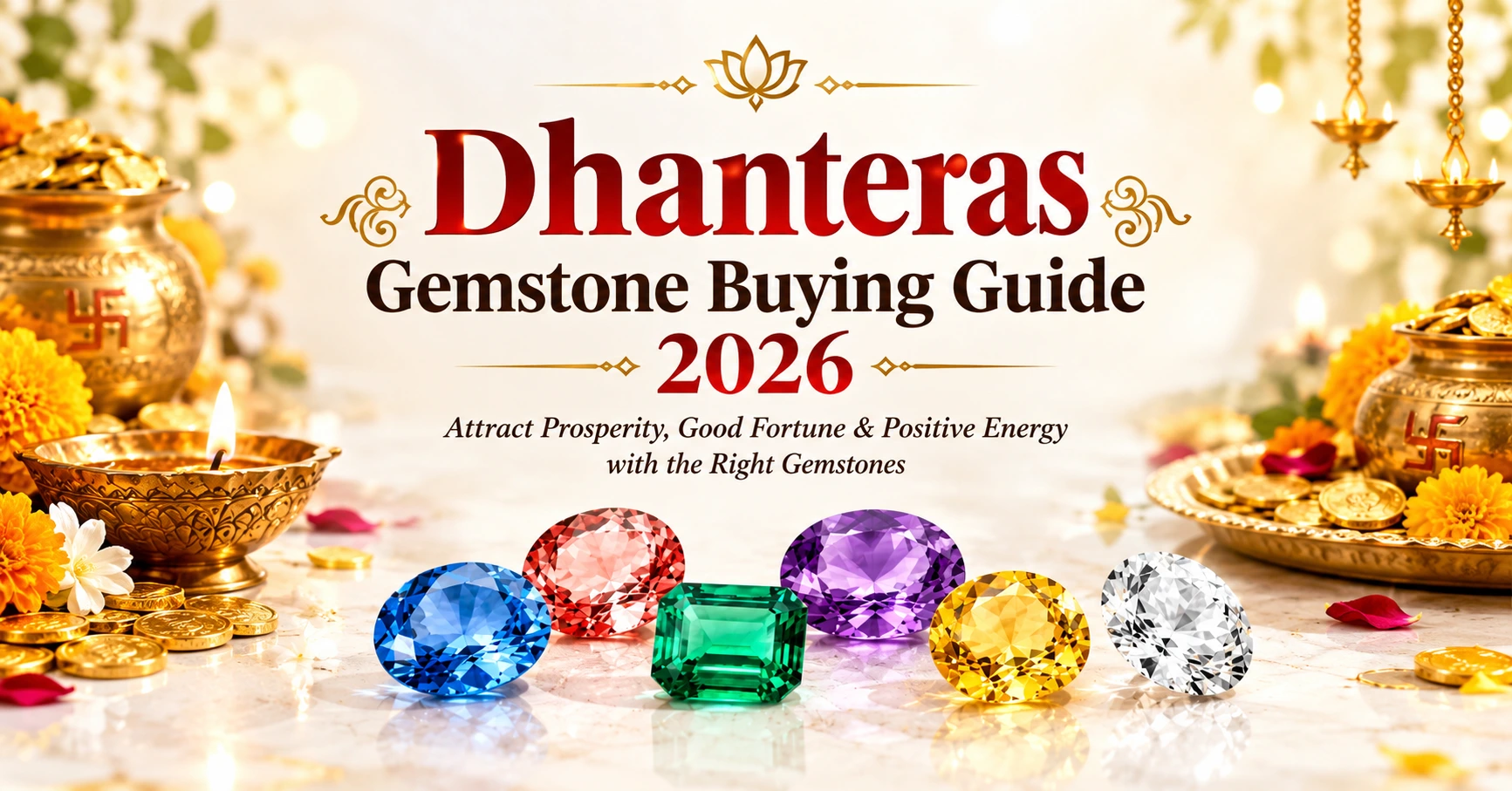
Dhanteras is one of the most anticipated occasions for Indian families who welcome the festive season by purchasing something precious for their homes and loved ones. From gold jewellery and silver coins to meaningful gifts, the tradition of bringing home something valuable reflects hopes for prosperity, happiness and new beginnings. In 2026, Dhanteras falls on Friday, November 6, making it a timely opportunity to explore precious gemstones and gemstone jewellery.
For gemstone lovers, Dhanteras offers more than a seasonal shopping opportunity. It is a chance to discover the rich colours, craftsmanship and cultural symbolism of natural gemstones. A vibrant Ruby (Manik), a beautiful Emerald (Panna), a golden Yellow Sapphire (Pukhraj) or a striking Red Coral (Moonga) can each make a memorable addition to a jewellery collection or a thoughtful festive gift.
If you are planning to buy gemstones on Dhanteras 2026, understanding their traditional significance, visual appeal and quality can help you make a more confident decision. Here is a guide to the gemstones worth exploring this festive season, along with practical tips for choosing one that suits your preferences and budget.
Why Is Dhanteras Considered an Auspicious Time to Buy Gemstones?
Dhanteras, also known as Dhantrayodashi, marks the beginning of the five-day Diwali festivities. The festival is associated with Goddess Lakshmi, who represents wealth and prosperity, and Lord Dhanvantari, who is connected with health and Ayurveda in Hindu tradition. Many households also worship Lord Kubera, traditionally regarded as the guardian of wealth.
Buying gold, silver, utensils and other valuable items is a familiar Dhanteras custom. Some families also choose precious gemstones because of their lasting beauty, jewellery value and associations with traditional Indian astrology.
Gemstones have occupied a special place in Indian culture for centuries. Beyond their decorative appeal, particular stones are associated with planets and symbolic qualities in Vedic astrology. Ruby, for example, is traditionally connected with the Sun, while Yellow Sapphire is associated with Jupiter.
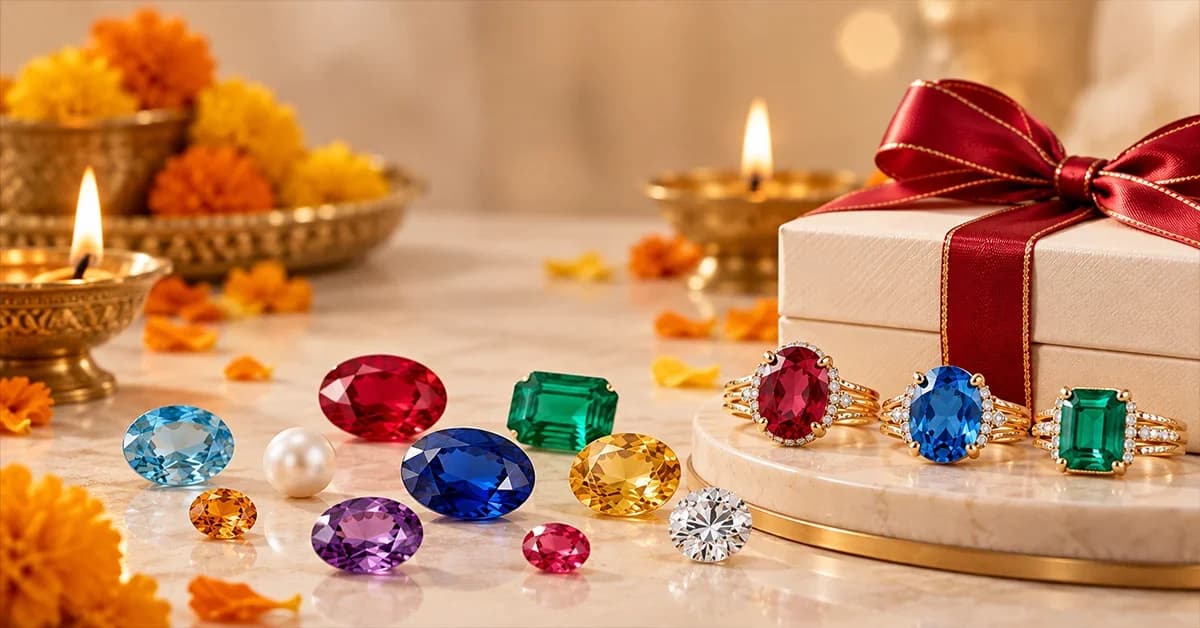
However, it is important to distinguish cultural beliefs from established facts. Gemstones do not guarantee wealth, success or good fortune. Their appeal lies in a combination of natural beauty, personal meaning, craftsmanship and, for some buyers, traditional spiritual significance.
If you are exploring options this festive season, start with the GemRishi gemstone collection to discover different gemstone varieties.
1. Ruby (Manik): A Classic Choice for Dhanteras
Ruby stands out for its rich red colour, which ranges from vivid crimson to deeper, slightly purplish red tones. Its striking appearance makes it a popular choice for statement rings, pendants and traditional gemstone jewellery.
In Vedic astrology, Ruby is associated with Surya, or the Sun. The Sun is traditionally linked with leadership, confidence, vitality and authority. For people who appreciate the symbolism of Vedic gemstones, Ruby can therefore carry meaning beyond its visual appeal.
From a jewellery perspective, Ruby pairs beautifully with yellow gold and can create a bold contrast in contemporary designs. It also works well in classic rings and heirloom-inspired pieces.
Before purchasing a Ruby on Dhanteras, pay attention to its colour, clarity, cut, natural status and any treatments. Natural rubies can vary considerably in appearance and price, so a beautiful colour alone is not enough to establish quality or value.
Explore: Ruby (Manik) gemstones at GemRishi.
2. Emerald (Panna): A Beautiful Expression of Green
The deep green colour of Emerald makes it one of the most recognisable precious gemstones. Its shades can range from lighter, fresh greens to rich, intense tones that look especially elegant in gold jewellery.
Emerald is traditionally associated with Budh, or Mercury, in Vedic astrology. Mercury is linked with communication, intellect, learning and analytical ability in these traditions. People interested in astrological gemstones often explore Emerald because of these associations.
For jewellery enthusiasts, Emerald offers versatility. It can be set in a classic ring, styled as a pendant or incorporated into a distinctive festive jewellery design. Its green colour also complements traditional Indian outfits, making it an appealing option for celebrations and family gatherings.
Emeralds commonly contain natural inclusions, sometimes described as a garden-like pattern. These features do not automatically mean that a stone is fake. Their significance depends on the gemstone's overall quality, treatment and other identifying characteristics.
Before buying, ask whether the Emerald is natural, whether it has undergone clarity enhancement, and what documentation is available.
Explore: Emerald (Panna) gemstones at GemRishi.
3. Yellow Sapphire (Pukhraj): A Warm Golden Gemstone
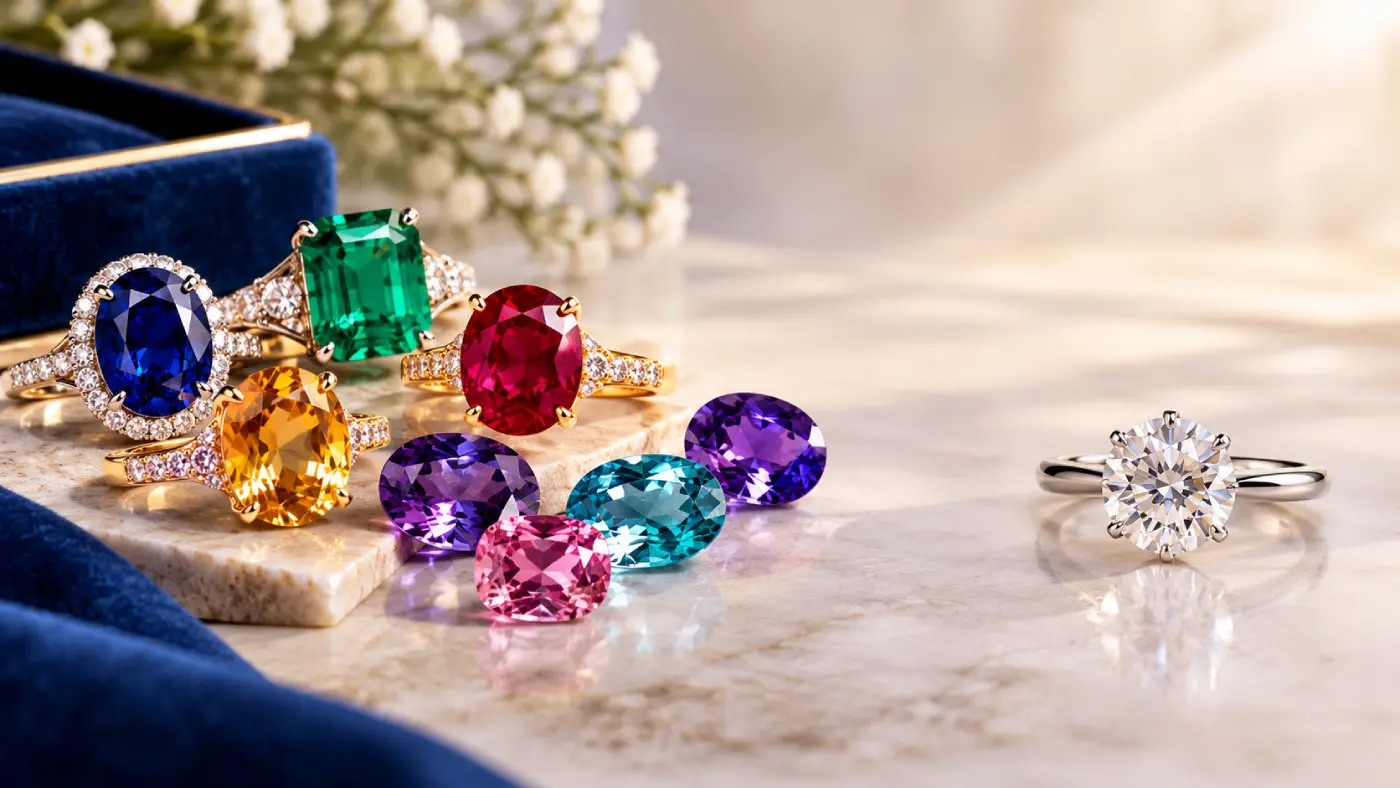
Yellow Sapphire is an appealing choice for buyers who prefer warm, bright colours. Its shades can range from pale yellow to richer golden hues, allowing it to complement both traditional and contemporary jewellery.
In Vedic astrology, Yellow Sapphire is associated with Guru, or Jupiter. Jupiter is traditionally connected with wisdom, knowledge, growth and prosperity. Because of these associations, Pukhraj is often considered by people exploring gemstones for astrological purposes.
Yellow Sapphire also has practical styling appeal. A well-cut stone can look striking in a gold ring or pendant, while its warm colour makes it suitable for festive occasions and special gifts.
When comparing Yellow Sapphires, look beyond carat weight. Colour distribution, transparency, cut, treatments and overall appearance all influence how a stone looks and how it is valued. Two stones of the same weight may differ considerably in quality and price.
If you intend to wear Pukhraj for astrological reasons, consider its traditional suitability for your individual birth chart rather than choosing it solely because it is associated with prosperity.
Explore: Yellow Sapphire (Pukhraj) gemstones at GemRishi.
4. Red Coral (Moonga): A Distinctive Alternative
Red Coral offers something different from the brilliance of faceted gemstones. Unlike Ruby, which is a mineral gemstone, precious red coral is an organic gem material formed by marine organisms. Its colour can range from orange-red to deeper red, and its surface is often polished to create a smooth, attractive finish.
In Vedic astrology, Red Coral is associated with Mangal, or Mars. Mars is traditionally linked with courage, determination, energy and initiative. This symbolism makes Moonga an option for people interested in traditional astrological jewellery.
Red Coral can be used in rings, pendants and other jewellery styles. Its opaque appearance gives it a distinctive character compared with transparent gemstones such as Emerald and Yellow Sapphire.
When shopping for Red Coral, check the material's authenticity, any treatments or imitations, and the seller's documentation. Because coral is an organic material, it also requires appropriate care and protection from harsh chemicals.
Explore: Red Coral (Moonga) gemstones at GemRishi.
5. Blue Sapphire (Neelam): For Lovers of Deep Blue
Blue Sapphire is known for its sophisticated blue shades, which can range from lighter blues to deep, velvety tones. Its elegant appearance makes it a popular option for rings and refined jewellery designs.
In Vedic astrology, Blue Sapphire is traditionally associated with Shani, or Saturn. Saturn is linked with discipline, responsibility, patience and perseverance. Those interested in astrological gemstones often explore Neelam for its traditional planetary association.
However, Blue Sapphire should not be selected purely because of its reputation or popularity. If you intend to wear it for astrological purposes, seek an informed assessment of its suitability. If your primary interest is jewellery, focus on the stone's quality, colour, durability and design.
Before buying, confirm whether the sapphire is natural or laboratory-created, ask about treatments and review any available laboratory report. These details can influence both its value and your understanding of what you are purchasing.
Explore: Blue Sapphire (Neelam) gemstones at GemRishi.
6. Pearl (Moti): A Timeless and Elegant Gift
For shoppers who prefer understated elegance, Pearl is worth considering. Its soft lustre and gentle white, cream or other natural body colours create a look that differs from the sparkle of faceted gemstones.
In Vedic astrology, Pearl is associated with Chandra, or the Moon, traditionally linked with emotions, calmness and the mind. Pearls are also popular in jewellery because they work beautifully in pendants, earrings and necklaces.
When buying Pearl, consider its lustre, surface condition, shape, size and type. Natural pearls and cultured pearls are not the same, and their value can differ substantially. Ask the seller to explain the pearl's classification and any relevant documentation.
Pearls are also relatively delicate compared with many common jewellery gemstones. Keep them away from perfumes, cosmetics and harsh cleaning products, and store them carefully to preserve their surface.
Explore: Pearl (Moti) and other gemstone options at GemRishi.
How to Choose the Right Gemstone on Dhanteras 2026
With several attractive gemstones available, choosing the right one becomes easier when you start with a clear purpose. A stone purchased for a jewellery collection may require a different selection process from one chosen for traditional astrological reasons.
Keep these essential points in mind before making your festive purchase.
1. Decide why you want the gemstone. Are you buying it for jewellery, gifting, personal significance or Vedic astrology? Your purpose should guide the selection.
2. Check natural status and treatments. Ask whether the stone is natural, synthetic or laboratory-created, and whether any treatments have been disclosed.
3. Review certification. A suitable report from a reputable gemological laboratory can help establish important details about a gemstone. Check that the report corresponds to the stone being sold.
4. Compare quality, not just size. Colour, clarity, cut, transparency and treatments can affect appearance and price. A heavier stone is not automatically the better choice.
5. Set a realistic budget. Decide what you are comfortable spending and compare stones within that range. You do not need to purchase an expensive gemstone simply because it is Dhanteras.
6. Check the seller's policies. Review the invoice, product description, return conditions, delivery arrangements and any applicable certification details.
7. Seek guidance for astrological purchases. Traditional Vedic astrology considers factors beyond a person's general zodiac sign when recommending a gemstone. If this is your purpose, seek a personalised assessment instead of relying on broad claims.
For a more detailed selection process, read GemRishi's complete gemstone buying guide.
Make Your Dhanteras Purchase More Meaningful
Dhanteras is an opportunity to celebrate tradition, thoughtful gifting and the things we value. Whether you are drawn to the vivid red of Ruby, the rich green of Emerald, the warm glow of Yellow Sapphire, the distinctive character of Red Coral or the elegance of Pearl, every gemstone offers its own combination of colour, craftsmanship and cultural significance.
The best choice is not necessarily the rarest or most expensive stone. It is the one that suits your purpose, personal style and budget, with quality and authenticity supported by clear information.
This Dhanteras, take time to explore your options, compare gemstone characteristics and make an informed purchase. Visit GemRishi to discover precious gemstones, explore traditional astrological varieties and find a gemstone that feels meaningful to you.
Frequently Asked Questions About Dhanteras 2026 and Gemstones
1. When is Dhanteras in 2026?
Dhanteras will be observed on Friday, November 6, 2026. It marks the beginning of the Diwali festivities. Puja timings vary by location, so check a reliable local Panchang for the appropriate time.
2. Is Dhanteras a good time to buy gemstones?
Many families consider Dhanteras an auspicious occasion for purchasing valuable items, including jewellery. Buying a gemstone is a personal choice, and you should prioritise authenticity, quality and budget rather than assuming that a purchase guarantees good fortune.
3. Which gemstone should I buy on Dhanteras?
Ruby, Emerald, Yellow Sapphire, Red Coral, Blue Sapphire and Pearl are all worth exploring. Your choice should depend on your jewellery preferences, budget and purpose. For astrology, seek guidance based on your individual birth chart.
Explore the GemRishi gemstone collection.
4. Is Ruby a good gemstone to buy on Dhanteras?
Ruby is a popular precious gemstone known for its red colour and jewellery appeal. In Vedic astrology, it is traditionally associated with the Sun. Check its natural status, treatments, quality and certification before purchasing.
5. Why is Emerald associated with Vedic astrology?
Emerald, also called Panna, is traditionally associated with Mercury or Budh. Mercury is linked with communication, intellect and learning in Vedic astrology. These are traditional beliefs rather than scientifically established effects.
Explore Emerald gemstones.
6. Is Yellow Sapphire traditionally associated with wealth?
Yellow Sapphire, or Pukhraj, is associated with Jupiter in Vedic astrology. Jupiter is traditionally linked with wisdom, growth and prosperity. However, wearing Yellow Sapphire does not guarantee financial success or improved circumstances.
Discover Yellow Sapphire at GemRishi.
7. Can I buy Red Coral on Dhanteras?
Yes. Red Coral is an option for people who appreciate its distinctive red colour or are exploring traditional astrological gemstones. In Vedic astrology, it is associated with Mars. Check its authenticity, treatments and suitability for your intended use.
See Red Coral (Moonga).
8. Should I buy Blue Sapphire on Dhanteras?
You can consider Blue Sapphire for its beauty and jewellery appeal. If you intend to wear it for astrological reasons, traditional practice recommends assessing its suitability individually rather than selecting it based only on a zodiac sign.
Explore Blue Sapphire (Neelam).
9. Can I buy a gemstone as a Dhanteras gift?
Yes. A gemstone ring, pendant or other jewellery piece can be a thoughtful gift. Consider the recipient's style, preferred colour, jewellery needs and budget. If the gift is intended for astrological use, check their preferences and seek appropriate guidance.
10. How do I know whether a gemstone is natural or synthetic?
Appearance alone may not be enough to distinguish a natural gemstone from a laboratory-created one. Ask for clear disclosure and an appropriate gemological laboratory report. Also check whether the stone has undergone treatments that affect its appearance or value.
Read the GemRishi gemstone buying guide.
11. Does gemstone certification matter when buying on Dhanteras?
Certification can provide useful information about a gemstone's identity and, depending on the report, its natural or laboratory-created status and detectable treatments. Review the report's scope and verify that it relates to the actual stone being purchased.
12. Which is better for Dhanteras: gold jewellery or a loose gemstone?
Neither is universally better. Gold jewellery may suit someone looking for a wearable festive purchase, while a loose gemstone may suit someone planning a custom jewellery design or collecting stones. Compare your needs, budget and the total cost before deciding.
13. Can I choose a gemstone based only on my zodiac sign?
For jewellery, you can choose a gemstone based on colour and personal preference. In traditional Vedic astrology, however, recommendations may consider the complete birth chart, planetary relationships and other factors rather than the zodiac sign alone.
14. How should I care for a gemstone after buying it?
Care depends on the gemstone. Avoid harsh chemicals, protect delicate stones from impacts and store jewellery separately to prevent scratches. Pearls and organic materials such as coral need particular care. Follow the seller's cleaning guidance for your specific stone.
15. Where can I explore gemstones for Dhanteras 2026?
You can browse the GemRishi gemstone collection to explore Ruby, Emerald, Yellow Sapphire, Blue Sapphire, Red Coral, Pearl and other varieties. Compare product details and available documentation before making your choice.
Have Questions Regarding This Gemstone?
Connect 1-on-1 with GemRishi’s certified Vedic gemologists on WhatsApp for personalized birth chart recommendations, lab certificate verification, or custom jewelry quotes.
Gemrishi
Gemrishi is a certified gemologist and Vedic astrology scholar at GemRishi with over 15 years experience in natural gemstone origin authentication.