Chhoti Diwali (Naraka Chaturdashi) 2026: Significance, Traditions & Auspicious Gemstone Choices
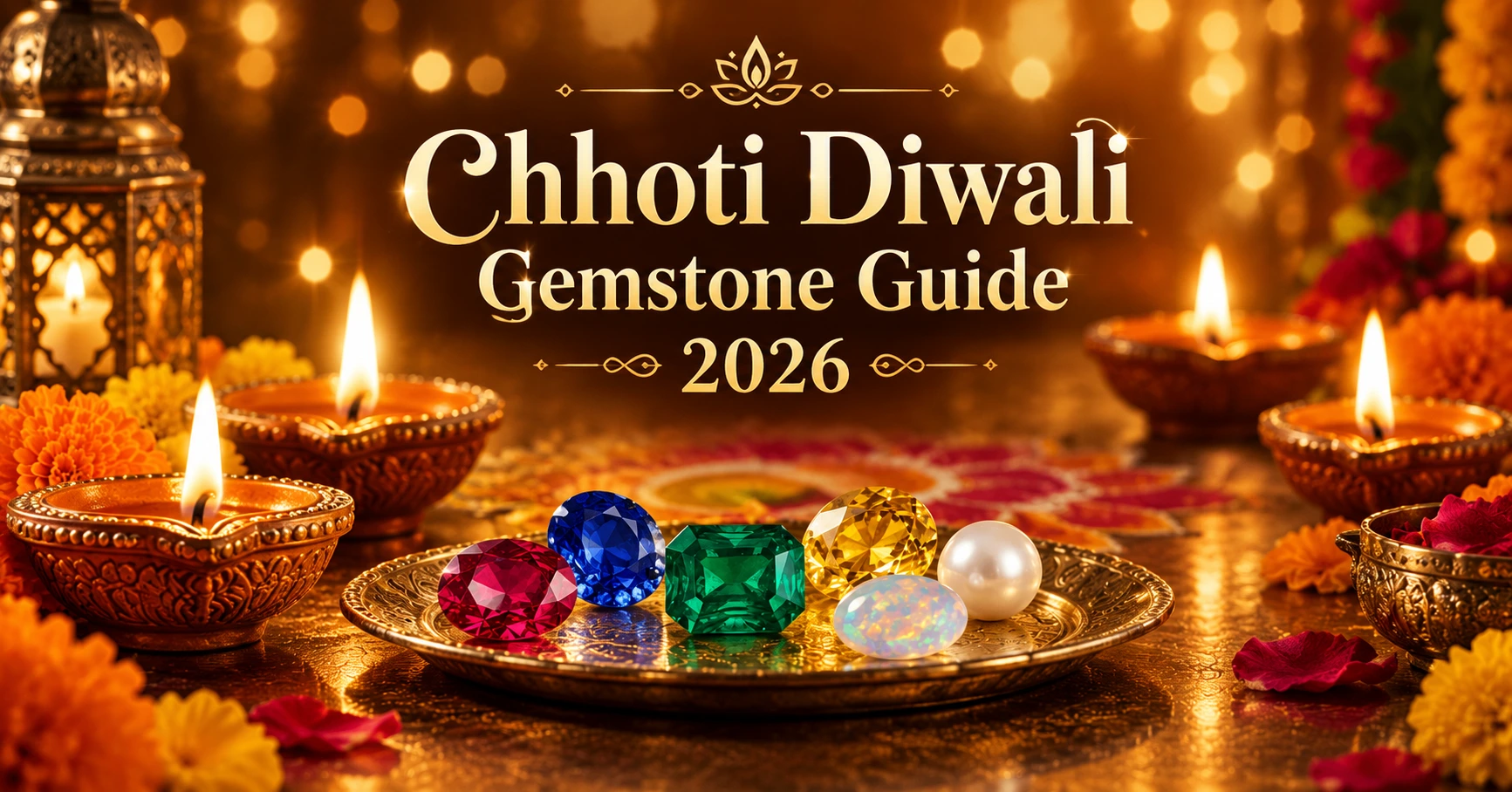
The celebration of Chhoti Diwali means not just the lights of diyas but also the smell of festival preparations and the excitement for Diwali celebrations. Also known as Naraka Chaturdashi, the festival of Diwali holds within itself a deeper meaning than simply the festivity and celebrations: victory of good over evil, clearing away of all negative elements and hoping for a better start.
Chhoti Diwali is celebrated just one day before Diwali .
Families who are busy preparing their homes for Diwali will be celebrating the day with oil baths, lighting of lamps, prayers and time spent with their loved ones. There are also many possibilities for thoughtful gifts, and among them are the gemstone jewelry which can be worn in personal style.
Among the many gemstones, some hold an extra importance within the Indian jewelry as well as the Vedic astrology, and the examples include Ruby (Manik) with its deep red color or Emerald (Panna) with its vibrant green color.
What Is Chhoti Diwali? Meaning and Significance of Naraka Chaturdashi
Chhoti Diwali, also called Naraka Chaturdashi, is observed during the Hindu lunar month associated with the Diwali festival. The name Chaturdashi refers to the fourteenth lunar day, while the popular name Chhoti Diwali reflects its place in the wider Diwali celebrations.
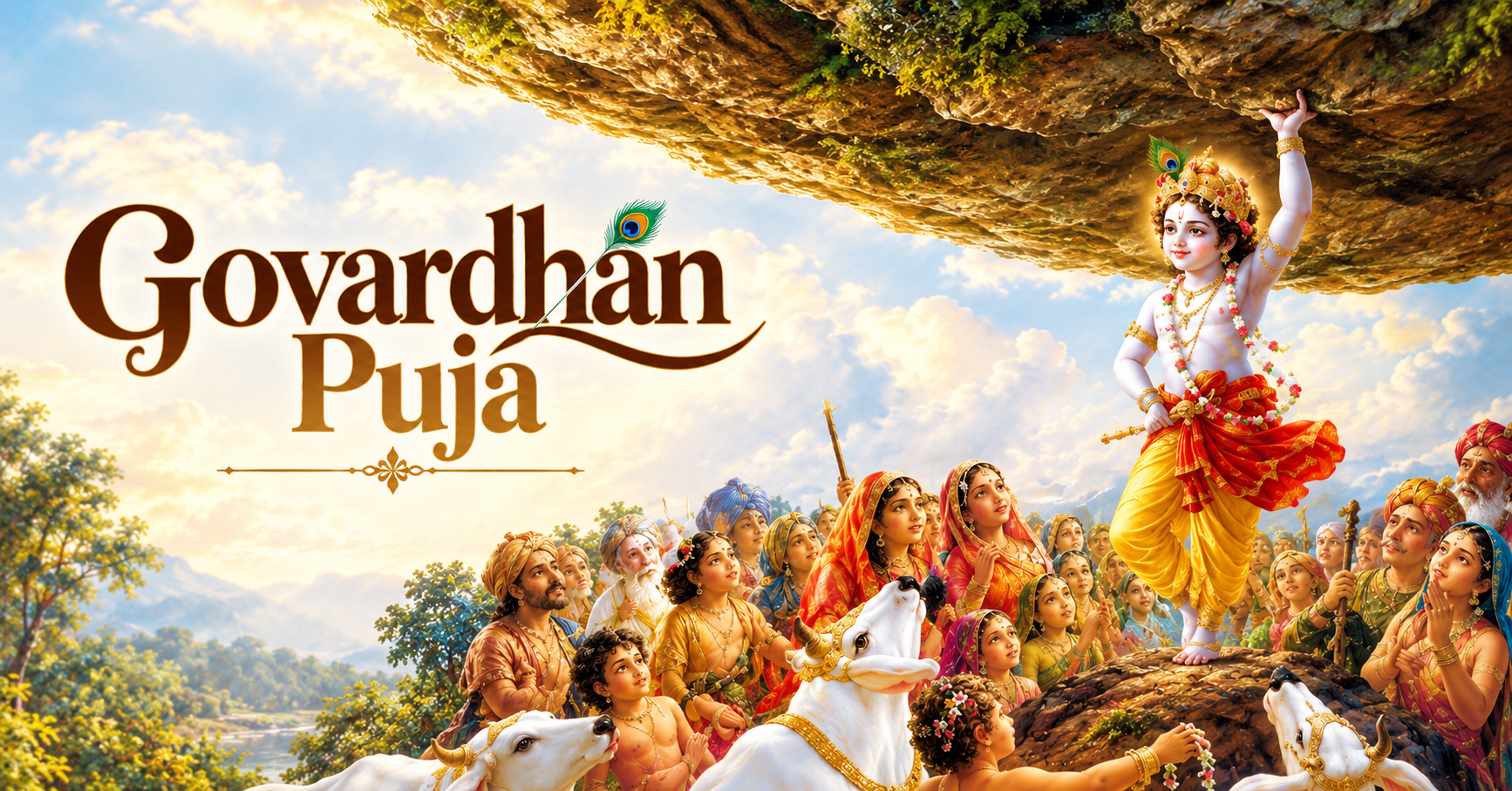
The festival is closely connected with the legend of Lord Krishna's victory over Narakasura, a powerful ruler whose growing arrogance and oppressive actions brought suffering to others. His defeat represents the triumph of righteousness over injustice and light over darkness.
This meaning makes Naraka Chaturdashi more than a preparatory day for the main Diwali celebration. It encourages people to reflect on the habits, negativity, and conflicts they wish to leave behind as they welcome a fresh beginning.
The theme of renewal connects naturally with traditional gemstone symbolism. Many people appreciate gemstones not only for their colour and craftsmanship but also for the cultural meanings attached to them. You can explore the GemRishi gemstone collection to discover stones used in traditional jewellery and Vedic astrology.
When Is Chhoti Diwali in 2026?
Chhoti Diwali falls around the main Diwali celebration, but the Gregorian date can vary according to regional observances and the lunar calendar.
For 2026, Saturday, November 7, is associated with the beginning of Narakasura celebrations in some calendars and regions, while many Indian Panchang calendars list Naraka Chaturdashi on Sunday, November 8. The distinction matters because the observance depends on the lunar tithi and the customary rule followed by a particular community.
If you are planning a puja, an early-morning ritual, or a festive gathering, check a trusted local Panchang for the date and timings applicable to your city. Do not rely on a generic online date for a location-specific muhurat.
The main Diwali celebration and Lakshmi Puja are also associated with the new-moon observance, which is why local calendars should be consulted when planning the full festive period.
Traditional Celebrations, Rituals and the Story of Narakasura
1. The story behind Naraka Chaturdashi
According to an established Hindu myth, Narakasura turned into an oppressive king whose misdeeds created chaos in the world. His defeat by Lord Krishna restored order and released those who had been oppressed by him. Some local versions also attribute an important part to Satyabhama in the fight against Narakasura.
This tale is told as a lesson about how pride and wrongdoing will not be able to last forever. This teaching is still valid on the occasion of Diwali when lasting brightness emerges from bravery, empathy, and right action.
2. Abhyanga Snan: The traditional oil bath
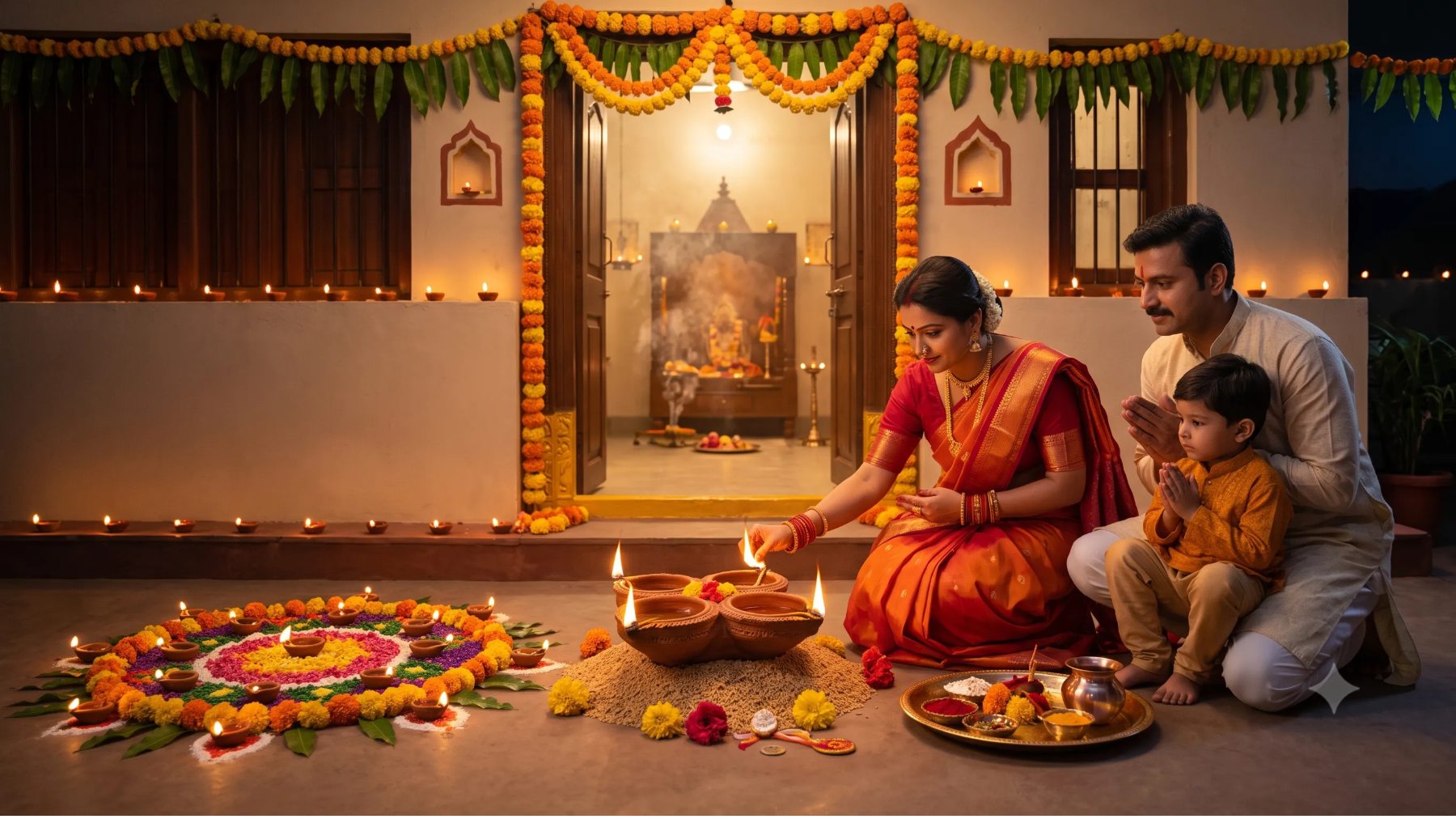
In many Hindu households, Naraka Chaturdashi begins with Abhyanga Snan, a ritual bath involving oil application before bathing. It is traditionally associated with purification, well-being, and preparing oneself for the festive day.
The exact practice and timing differ by region and family tradition. Those observing the ritual should follow their local customs and appropriate Panchang timings.
3. Lighting diyas and decorating the home
Small earthen lamps, colourful rangoli, flowers, and clean entrances help create the familiar atmosphere of Chhoti Diwali. The lamps symbolise light overcoming darkness, while decorations express hospitality and joy.
Families may also prepare sweets, share food, exchange greetings, and visit relatives. In Goa, Narakasura effigies and community celebrations are a distinctive feature of the festival.
4. Prayers, reflection and new beginnings
For many devotees, the day is a chance to pray, express gratitude, and prepare spiritually for Diwali. Some households include traditional offerings and rituals connected with their family deity or regional customs.
The broader lesson is simple: festive preparations are most meaningful when they are accompanied by kindness, generosity, and a sense of renewal.
Five Gemstones to Consider This Chhoti Diwali
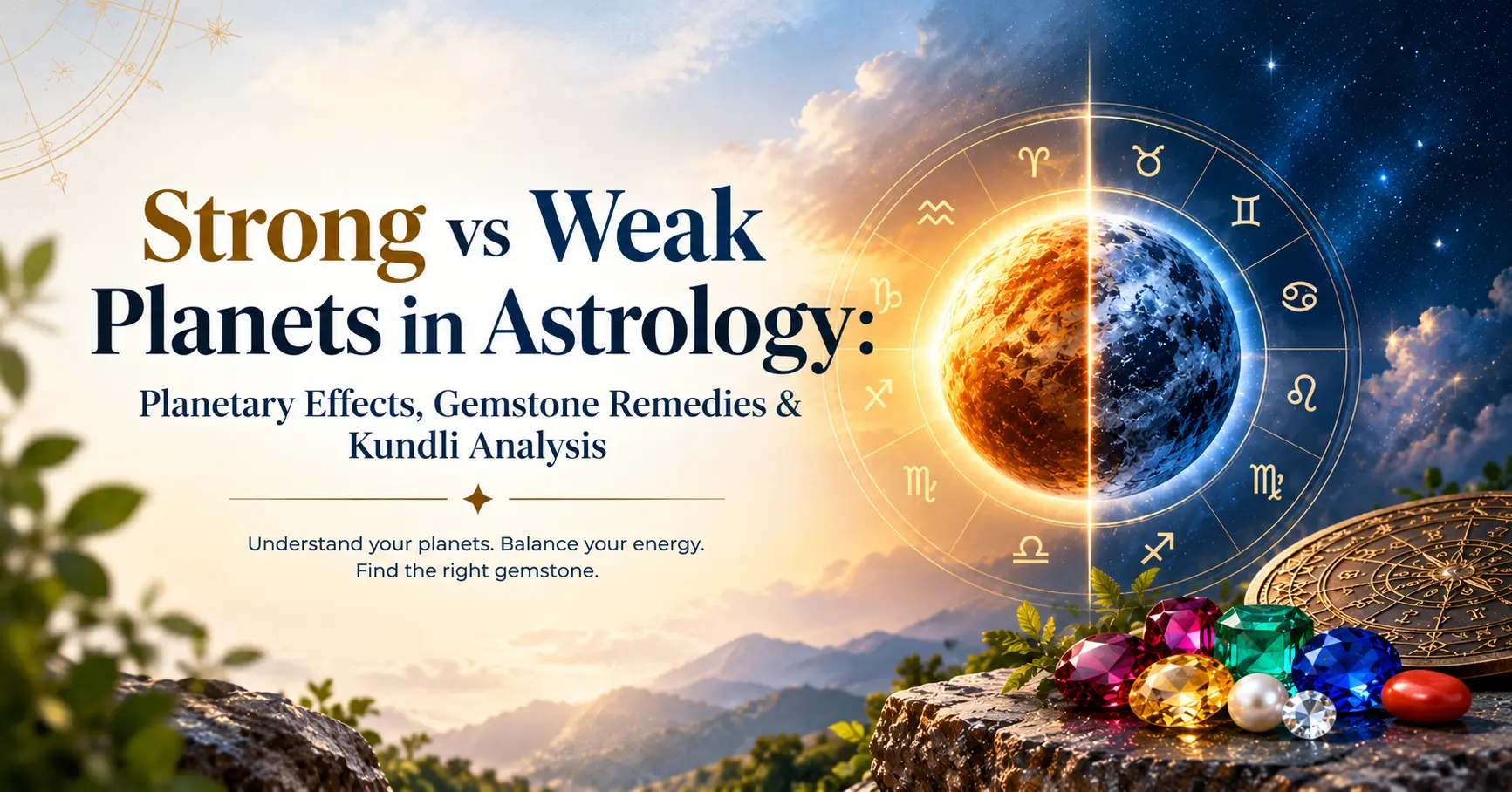
Gemstones have an enduring place in Indian jewellery, from heirloom rings to contemporary pendants and festive gifts. In Vedic astrology, specific stones are traditionally associated with planets. These associations are part of cultural and astrological traditions, not scientifically established guarantees of wealth, health, or good fortune.
1. Ruby (Manik): Traditionally associated with the Sun
The gemstone Ruby is appreciated for its brilliant red hue, which may add grace and warmth to any party jewelry. According to Vedic astrology, the Ruby or Manik gemstone corresponds to Surya, the Sun, and represents confidence, energy, and leadership.
A Ruby ring or pendant may be an excellent option for a person who prefers classic jewelry. It should be noted that when purchasing a ruby, one should take into account color, clarity, information about treatments, and laboratory documentation.
Explore the GemRishi gemstone collection to discover Ruby and other precious stones.
2. Emerald (Panna): Traditionally associated with Mercury
Emerald stands out for its green colour, making it a beautiful option for festive outfits in gold, ivory, red, and other rich shades. In Vedic astrology, Panna is associated with Budh, or Mercury, and is traditionally connected with communication, learning, and intellect.
Emerald jewellery can range from a delicate pendant to a statement ring. Because emeralds commonly contain natural inclusions and may undergo treatments, buyers should ask about the stone's condition and treatment history.
Read the GemRishi guide to choosing the right gemstone before making a purchase.
3. Yellow Sapphire (Pukhraj): Traditionally associated with Jupiter
Yellow Sapphire is valued for its golden-yellow appearance and timeless appeal. Traditional Vedic astrology associates Pukhraj with Guru, or Jupiter, symbolising wisdom, knowledge, and guidance.
A Yellow Sapphire ring can complement traditional Indian attire, while a pendant offers a more understated gift. Before buying, compare colour, transparency, cut, and treatment disclosures rather than selecting a stone based on colour alone.
Explore gemstone options through the GemRishi collection.
4. Red Coral (Moonga): Traditionally associated with Mars
Red Coral has a distinctive appearance because it is an organic gem material rather than a mineral crystal like Ruby or Sapphire. Its warm red and reddish-orange tones suit traditional rings, pendants, and other jewellery designs.
In Vedic astrology, Moonga is associated with Mangal, or Mars, and traditionally represents courage, energy, and determination. Since coral can be sensitive to chemicals, heat, and abrasion, it deserves careful handling and appropriate jewellery settings.
For a festive gift, choose a well-finished piece and ask the seller about the material's identity, treatments, and care requirements.
5. Pearl (Moti): Traditionally associated with the Moon
Pearl offers a softer look than richly coloured gemstones. Its natural lustre works beautifully in earrings, pendants, and elegant necklaces, making it a versatile choice for someone who prefers understated jewellery.
In Vedic astrology, Moti is associated with Chandra, the Moon, and traditionally symbolises calmness and emotional balance. Pearls vary in lustre, shape, surface quality, size, and origin, so buyers should compare these characteristics carefully.
Explore the GemRishi gemstone collection for traditional gemstone options, including Pearl.
Gemstone Jewellery Gift Ideas for Chhoti Diwali
The most thoughtful festive gifts reflect the recipient's personality, preferences, and everyday style. Gemstone jewellery offers plenty of possibilities without requiring every gift to carry an astrological meaning.
- For parents and elders: Consider a classic Pearl pendant, Ruby ring, or understated gemstone jewellery design.
- For a partner: Emerald earrings, a Yellow Sapphire pendant, or a carefully selected Ruby piece can feel personal and timeless.
- For someone who loves traditional jewellery: Red Coral or richly coloured gemstone rings may complement festive attire.
- For a minimalist: Choose a small gemstone pendant, delicate stud earrings, or a simple ring that can be worn beyond Diwali.
- For a spiritually minded recipient: If the person follows Vedic astrology, consider their preferences and seek qualified advice before purchasing a gemstone specifically for astrological use.
You can start with the GemRishi gemstone collection and the GemRishi gemstone buying guide to compare options.
How to Choose Natural Gemstones and Verify Authenticity
A gemstone's appearance is only one part of its value. Before buying a stone for yourself or as a Chhoti Diwali gift, consider these practical points:
Check the identity and treatment disclosure. Ask whether the gemstone is natural, laboratory-grown, imitation, or assembled, and whether it has undergone treatments such as heating, filling, dyeing, or other enhancement.
Request a reliable laboratory report. For a valuable purchase, seek documentation from a recognised gemological laboratory. Check that the report refers to the same stone and review the stated identity and treatments.
Evaluate quality beyond colour. Colour, transparency, inclusions, cut, durability, and overall appearance all influence a gemstone's suitability and value. Different gem varieties have different quality characteristics.
Choose jewellery that suits the wearer. Consider the recipient's style, preferred metal, lifestyle, budget, and the stone's durability before deciding on a ring, pendant, or pair of earrings.
Seek individual advice for astrological use. Traditional Vedic astrology does not recommend every gemstone to every person. If you are buying for this purpose, consult a knowledgeable practitioner rather than relying on a festival date alone.
For further guidance, visit the GemRishi gemstone buying guide.
Conclusion: Celebrate Chhoti Diwali with Meaning and Light
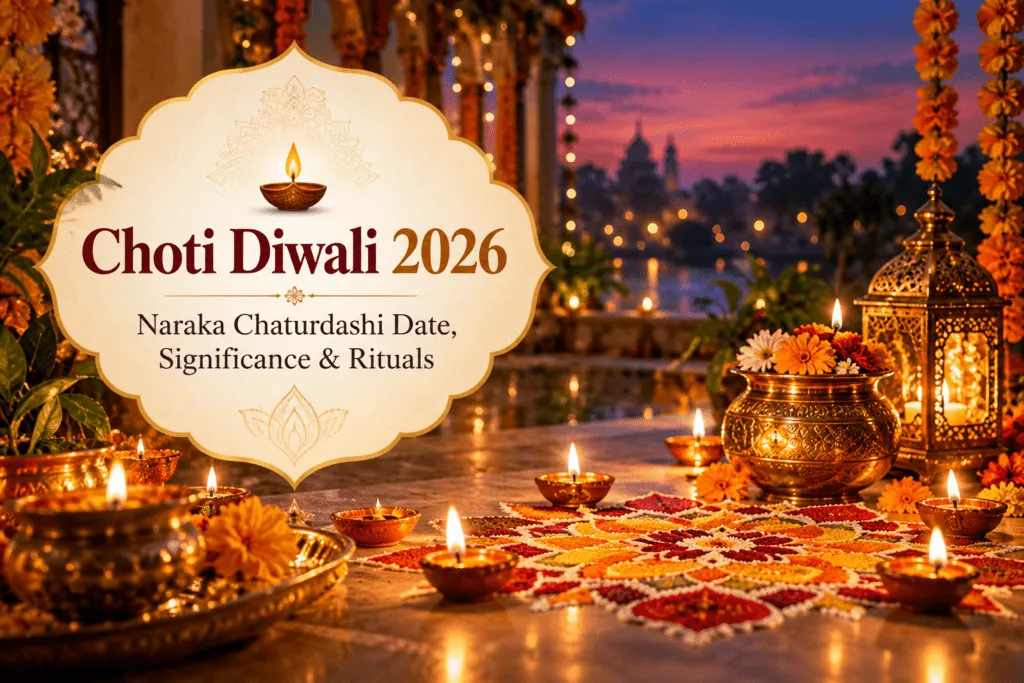
Chhoti Diwali is a celebration of renewal, hope, and the victory of good over evil. Its rituals—from the traditional morning bath to the glow of evening diyas—help families prepare for the joy of Diwali while reconnecting with meaningful customs.
Gemstone jewellery can add a personal touch to the occasion. Whether you are drawn to Ruby's vivid red, Emerald's rich green, Yellow Sapphire's golden warmth, Red Coral's distinctive colour, or Pearl's gentle lustre, choose a piece for its beauty, quality, and significance to the wearer.
This Chhoti Diwali, let your celebrations be guided by thoughtful choices, cherished traditions, and the light you share with others. Explore the GemRishi gemstone collection to discover jewellery and gemstones for a memorable festive season.
Frequently Asked Questions About Chhoti Diwali 2026
1. What is Chhoti Diwali?
Chhoti Diwali, also known as Naraka Chaturdashi, is a Hindu festival associated with Lord Krishna's victory over Narakasura and the triumph of good over evil.
2. When is Chhoti Diwali in 2026?
Some regional calendars and celebrations associate it with Saturday, November 7, while many Indian Panchangs list Naraka Chaturdashi on Sunday, November 8, 2026. Check your local Panchang for the applicable observance.
3. Why is Naraka Chaturdashi called Chhoti Diwali?
It is popularly called Chhoti Diwali because it is part of the celebrations leading up to the main Diwali observance in many regions.
4. What is the story of Narakasura?
In a well-known Hindu tradition, Narakasura was a powerful ruler whose oppressive actions were ended by Lord Krishna. His defeat represents the victory of righteousness over injustice.
5. What is Abhyanga Snan?
Abhyanga Snan is a traditional oil bath observed by many families on Naraka Chaturdashi. It is associated with purification and festive preparation.
6. How is Chhoti Diwali celebrated?
Common customs include cleaning and decorating homes, taking a traditional bath, lighting diyas, offering prayers, preparing sweets, and spending time with family. Practices vary by region.
7. Which gemstones are traditionally associated with Chhoti Diwali?
There is no universally prescribed gemstone for Chhoti Diwali. Ruby, Emerald, Yellow Sapphire, Red Coral, and Pearl may be considered for their jewellery appeal or traditional astrological associations.
8. Which gemstone is associated with the Sun in Vedic astrology?
Ruby, known as Manik, is traditionally associated with Surya, the Sun, in Vedic astrology.
9. Which gemstone is associated with Mercury?
Emerald, or Panna, is traditionally associated with Budh, or Mercury.
10. Which gemstone is associated with Jupiter?
Yellow Sapphire, known as Pukhraj, is traditionally associated with Guru, or Jupiter.
11. Which gemstone is associated with Mars?
Red Coral, or Moonga, is traditionally associated with Mangal, or Mars.
12. Which gemstone is associated with the Moon?
Pearl, known as Moti, is traditionally associated with Chandra, or the Moon.
13. Is it necessary to buy gemstones on Chhoti Diwali?
No. Buying a gemstone is a personal choice, not a requirement of the festival. Families can celebrate meaningfully through prayer, lamps, generosity, and time together.
14. How can I check whether a gemstone is natural?
Ask for clear disclosure of whether the stone is natural or laboratory-grown, request information about treatments, and obtain a report from a recognised gemological laboratory when appropriate. Visual inspection alone cannot reliably establish every gemstone's identity or treatment history.
15. Can I gift gemstone jewellery on Chhoti Diwali?
Yes. A gemstone pendant, ring, earrings, or another jewellery piece can be a thoughtful gift. Choose according to the recipient's style, budget, and preferences; seek qualified advice if the gift is intended for astrological use.
16. Where can I explore gemstones for Diwali gifting?
You can browse the GemRishi gemstone collection or read the GemRishi gemstone buying guide to learn more about selecting a suitable stone.
Have Questions Regarding This Gemstone?
Connect 1-on-1 with GemRishi’s certified Vedic gemologists on WhatsApp for personalized birth chart recommendations, lab certificate verification, or custom jewelry quotes.
Gemrishi
Gemrishi is a certified gemologist and Vedic astrology scholar at GemRishi with over 15 years experience in natural gemstone origin authentication.