
Teal & Parti Sapphires: Beautiful Alternatives to Traditional Engagement Rings
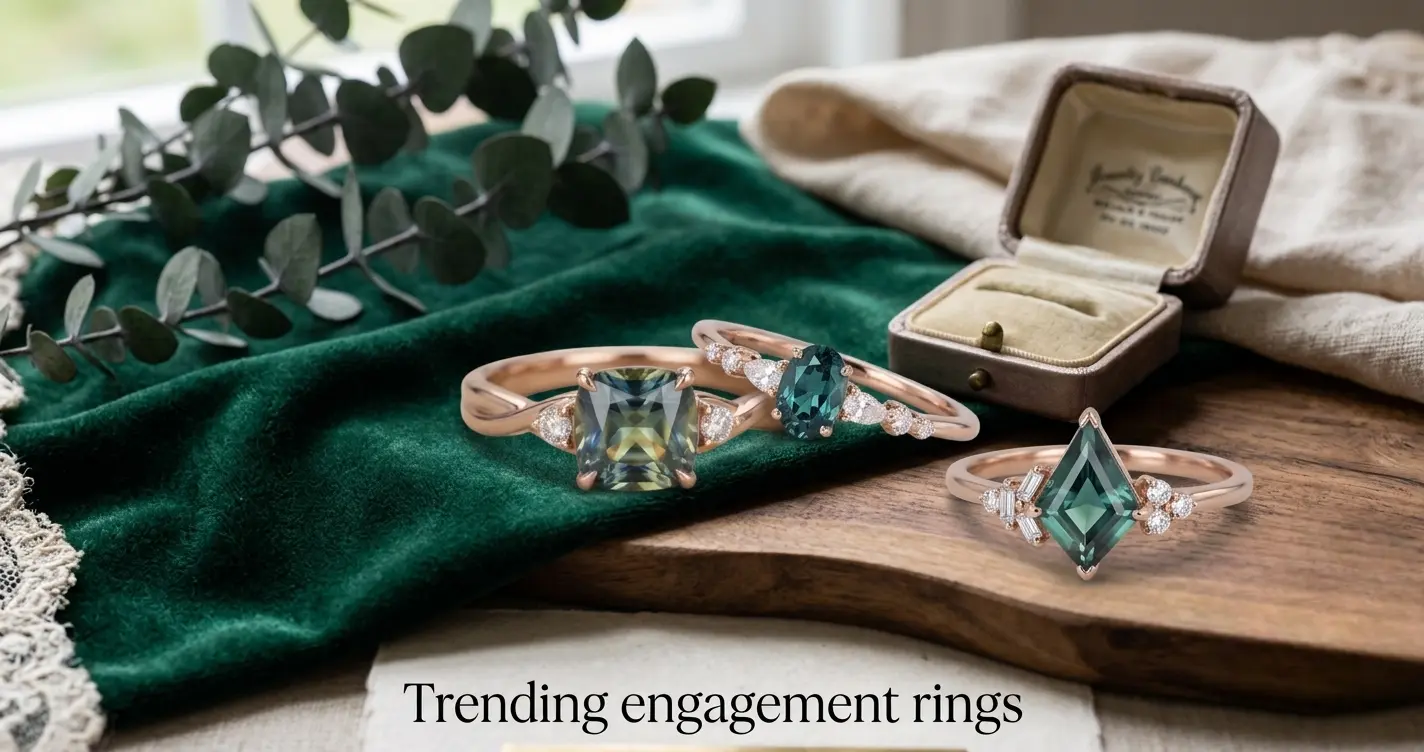
Gemstones in today's world are oftebly used in engagement ring, and rituals .But sapphires are available in a remarkable range of colors, including green, yellow, pink, orange, and blue-green shades.
Teal and parti sapphires are two particularly distinctive choices for an engagement ring. Their unusual colors and natural variations can give a ring a more individual appearance while retaining the durability that makes sapphire suitable for everyday jewellery.
If you are looking for something different from a traditional diamond or blue sapphire engagement ring, teal and parti sapphires are worth exploring.
Let's make a deep dive into this guide to know in details about Teal & Parti Sapphire Engagement rings.
What Is a Teal Sapphire?
A teal sapphire is a sapphire with a blue-green or greenish-blue appearance. The balance between blue and green can vary from one gemstone to another.
Some stones may appear predominantly blue with subtle green undertones, while others may have a stronger green appearance. Lighting, cut, viewing angle, and the gemstone's natural color distribution can all affect how the color is perceived.
Teal sapphires are part of the broader category of fancy-colored sapphires. Sapphires can occur in many colors, while the red variety is classified as ruby.
This makes teal sapphire an appealing option for someone who wants the beauty and durability of sapphire without choosing the traditional blue variety.
What Is a Parti Sapphire?
A parti-colored sapphire, commonly called a parti sapphire, displays two or more colors within the same gemstone.
For example, a parti sapphire may show:
- Blue and green
- Blue and yellow
- Green and yellow
- Blue-green with contrasting color zones
The color distribution can be subtle or quite noticeable. Some parti sapphires have clearly defined areas of different colors, while others show a softer transition between shades.
This natural color variation is one of the main characteristics that makes parti sapphires interesting for jewellery.
Teal Sapphire vs. Parti Sapphire
Although teal and parti sapphires are sometimes discussed together, they describe different characteristics, brilliance and color.
Teal sapphire primarily refers to the gemstone's overall blue-green or greenish-blue color.
Parti sapphire refers to a sapphire displaying two or more distinct colors or color zones.
Therefore, a sapphire can have a teal appearance and also display noticeable color zoning. However, not every teal sapphire is necessarily a parti sapphire.
Natural color zoning is a known characteristic of sapphire. When sapphire rough is cut, the cutter may consider the distribution of color when deciding the orientation and shape of the finished gemstone.
Why Choose a Teal or Parti Sapphire Engagement Ring?
Natural sapphires can vary considerably in color, and parti sapphires can display particularly distinctive patterns of color. As a result, each gemstone can have its own visual character.
Teal and parti sapphires may appeal to buyers looking for:
- A colorful alternative to a traditional diamond
- A modern-looking engagement ring
- A gemstone with natural character
- A more individual and less conventional design
- A durable gemstone suitable for regular jewellery wear
The choice of metal can also influence the overall appearance of the ring.
White gold and platinum can complement the cooler blue-green tones of teal sapphire, while yellow or rose gold can create a warmer contrast.
How to Choose a Teal or Parti Sapphire
Choosing a sapphire involves more than simply selecting the color you like. Several factors should be considered before purchasing.
1. Consider the Color
Color is usually one of the first things people notice.
For a teal sapphire, consider whether you prefer a stronger blue appearance, a stronger green appearance, or a balanced combination of both.
For a parti sapphire, look closely at the distribution of the different colors. Think about whether you prefer clearly separated color zones or a more blended appearance.
There is no single color combination that is right for everyone. Personal preference is especially important when selecting a gemstone for an engagement ring.
2. Examine the Cut
Cut has an important influence on a sapphire's appearance.
The cutter may consider factors such as color zoning, pleochroism, clarity, proportions, and weight when deciding how to cut the rough gemstone.
This is particularly relevant for parti sapphires because the orientation of the rough can influence how much of the natural color zoning is visible in the finished stone.
Oval, cushion, pear, round, and other shapes can produce different visual effects, so it is worth comparing several cuts before making a choice.
3. Check Clarity
Natural sapphires can contain inclusions. Their presence does not automatically mean that the gemstone is low quality.
However, inclusions that significantly affect transparency or potentially compromise durability should be examined carefully.
For an engagement ring, the gemstone should be evaluated to ensure that its clarity characteristics do not create a durability concern.
4. Understand Gemstone Treatments
Some sapphires undergo treatments, particularly heat treatment, to improve their appearance.
A treated sapphire is not automatically a fake or synthetic gemstone. However, treatment should be properly disclosed when purchasing.
If you specifically want an unheated or untreated sapphire, look for appropriate laboratory documentation confirming the gemstone's treatment status.
You can learn more about this distinction in GemRishi's guide to Natural vs. Heated Gemstones.
Are Sapphires Suitable for Engagement Rings?
Sapphire is a popular gemstone for jewellery because it has a Mohs hardness of 9, making it relatively resistant to scratching and suitable for regular wear.
However, hardness is not the same as toughness. Like any gemstone, sapphire can still be damaged by a strong impact.
The setting is also important. A secure engagement-ring setting can help protect the gemstone during everyday activities.
For routine care, sapphire jewellery can generally be cleaned with mild soapy water and a soft brush. If the gemstone has been treated, it is best to follow care recommendations appropriate for that treatment.
How to Buy a Natural Teal or Parti Sapphire
Before purchasing a teal or parti sapphire, don't rely only on photographs or appearance.
Consider checking:
- Whether the gemstone is natural or synthetic
- Treatment status
- Laboratory certification
- Carat weight
- Color and color zoning
- Cut and proportions
- Gemstone dimensions
- Return or exchange policy
- Seller transparency
A laboratory report can provide useful information about the gemstone's identity and treatment status.
If you are looking for natural gemstones, you can explore the GemRishi gemstone collection and review the available gemstone information and certification details.
You can also learn more about sapphire quality factors through GemRishi's Blue Sapphire Guide.
Teal & Parti Sapphires vs. Traditional Blue Sapphires
Traditional blue sapphires remain a classic choice for jewellery, but teal and parti sapphires provide a different visual experience.
A traditional blue sapphire generally offers a more consistent blue appearance, while teal sapphire introduces blue-green tones. Parti sapphire can go a step further by displaying multiple colors within a single gemstone.
The choice ultimately comes down to the appearance, style, and characteristics that you prefer in an engagement ring.
Rather than choosing a gemstone simply because it is unusual, take time to compare the color, cut, clarity, treatment, certification, and overall appearance.
How to Care for a Teal or Parti Sapphire Ring
Proper care can help maintain the gemstone's appearance over time.
Simple care tips:
- Clean the ring regularly with mild soapy water and a soft brush.
- Avoid exposing the ring to unnecessary impacts.
- Store it separately from softer jewellery to reduce scratching.
- Check the setting periodically for signs of looseness.
- Follow specific care instructions if the sapphire has undergone treatment.
Taking these simple precautions can help keep your sapphire engagement ring looking beautiful for years.
Final Thoughts
Teal and parti sapphires offer a distinctive alternative to traditional engagement-ring gemstones.
A teal sapphire can bring blue-green color and a contemporary appearance to a ring, while a parti sapphire can showcase multiple natural colors within one gemstone.
Because natural sapphire color and zoning can vary considerably, selecting one is a personal process. Look carefully at the gemstone from different angles and, when possible, under different lighting conditions.
Before buying, pay attention to color, cut, clarity, treatment, certification, and durability. A well-documented gemstone from a transparent seller can make the buying process much easier.
If you want to understand more about selecting a gemstone, explore GemRishi's Complete Gemstone Buying Guide.
Frequently Asked Questions
Are teal sapphires natural?
Yes. Teal is a color description used for naturally occurring blue-green or greenish-blue sapphires. However, individual gemstones should be checked for treatment and certification if natural and untreated status is important to you.
What makes a sapphire a parti sapphire?
A parti sapphire displays two or more colors or distinct color zones within the same gemstone.
Are teal sapphires good for engagement rings?
Sapphire has a Mohs hardness of 9, making it suitable for jewellery that is worn regularly. A well-designed setting and proper care are still important.
Are parti sapphires rare?
Parti sapphires are valued for their distinctive natural color combinations. The appearance and availability can vary depending on the gemstone's color pattern, quality, size, and origin.
Should I choose a teal sapphire or parti sapphire?
The choice depends primarily on the appearance you prefer. Teal sapphires generally emphasize blue-green color, while parti sapphires are characterized by multiple colors or color zones.
Have Questions Regarding This Gemstone?
Connect 1-on-1 with GemRishi’s certified Vedic gemologists on WhatsApp for personalized birth chart recommendations, lab certificate verification, or custom jewelry quotes.
Gemrishi
Gemrishi is a certified gemologist and Vedic astrology scholar at GemRishi with over 15 years experience in natural gemstone origin authentication.