Untreated vs Heated Gemstones: Why Certified Natural Stones Are the Best Choice for Astrology
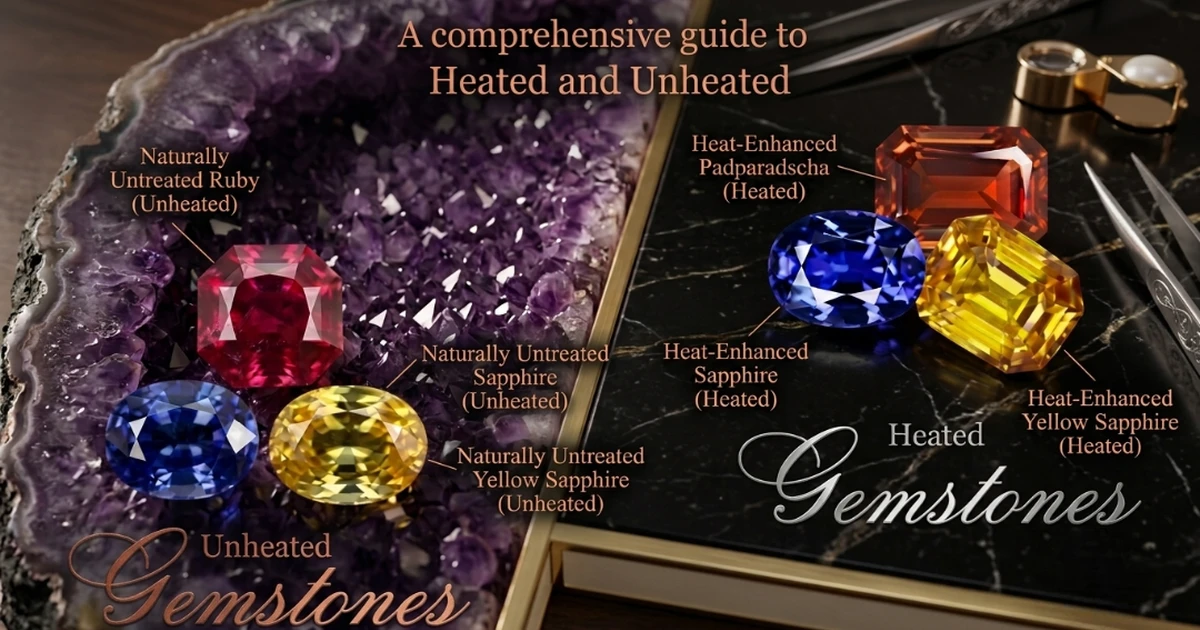
Untreated vs Heated Gemstones: Why Certified Natural Stones Are the Best Choice for Astrology
Choosing a gemstone for astrological purposes is about more than color, clarity, and appearance. For many people who follow Vedic astrology, the gemstone's natural origin, authenticity, and treatment status are important considerations.
Gemstones can undergo treatments such as heating to improve their color or clarity. While treated gemstones can still be genuine natural stones, buyers looking for gemstones for traditional astrological purposes often prefer natural and untreated gemstones.
At GemRishi, natural gemstones are presented with an emphasis on authenticity, certification, and transparency. GemRishi states that its gemstones are natural, unheated, and untreated and that gemstones come with certificates of authenticity.
What Are Untreated Gemstones?
An untreated gemstone is a natural gemstone that has not undergone artificial enhancement to change its appearance. Its color, clarity, inclusions, and other characteristics are naturally formed.
For traditional astrological practices, many buyers prefer untreated gemstones because they want a stone in its natural condition.
Gemstones such as Yellow Sapphire (Pukhraj), Blue Sapphire (Neelam), Emerald (Panna), and Ruby (Manik) are commonly considered when selecting traditional astrological gemstones.
What Are Heated Gemstones?
Heat treatment is a common gemstone enhancement process in which controlled heat is used to improve characteristics such as color or clarity.
A heated gemstone can still be a genuine natural gemstone. However, its treatment status should be clearly disclosed to the buyer.
This distinction is particularly important for people specifically looking for untreated gemstones for astrological purposes.
Untreated vs Heated Gemstones
FeatureUntreated GemstoneHeated GemstoneNatural conditionRetains its natural characteristicsHas undergone heat treatmentAppearanceNatural color and clarityColor or clarity may be enhancedTreatmentNo heat enhancementHeat treatment appliedAstrological preferenceOften preferred by traditional practitionersMay not be preferred by some buyersCertificationHelps verify identity and treatmentHelps disclose treatment statusBuyer considerationNatural origin and treatment statusQuality, treatment and disclosure
Treatment does not automatically mean that a gemstone is fake or of poor quality. The important factor is transparency about the gemstone's treatment and origin.
Why Untreated Gemstones Are Preferred for Astrology
In Vedic astrology, gemstones are traditionally associated with different planets. Because the practice places importance on the natural characteristics of gemstones, many practitioners and buyers prefer stones that have not been artificially enhanced.
For example, Yellow Sapphire (Pukhraj) is traditionally associated with Jupiter, while Blue Sapphire (Neelam) is associated with Saturn.
Similarly, Emerald (Panna) is traditionally associated with Mercury, and Ruby (Manik) is associated with the Sun.
These associations are part of traditional astrological beliefs and should not be confused with scientifically established effects.
Why Certification Matters
A gemstone may look natural to the naked eye, but determining whether it is natural, synthetic, or treated can require professional gemological examination.
A gemstone certificate can provide important information about:
- Natural or synthetic origin
- Gemstone variety
- Treatment status
- Weight and measurements
- Color and identifying characteristics
- Laboratory identification
GemRishi emphasizes certified gemstones and states that its gemstones are accompanied by certificates from gem-testing laboratories.
Its Certified Gemstones collection provides buyers with access to certified natural gemstones.
Natural Does Not Always Mean Untreated
One of the most important things to understand when purchasing a gemstone is that natural and untreated are two different terms.
A gemstone can be:
- Natural and untreated
- Natural and heated
- Natural with other treatments
- Synthetic or laboratory-grown
- An imitation or simulant
Therefore, if you specifically want an untreated gemstone, don't rely only on the word "natural." Always check the gemstone's treatment information and laboratory certificate.
Popular Gemstones for Astrological Use
Yellow Sapphire (Pukhraj)
Explore Yellow Sapphire (Pukhraj)
Yellow Sapphire, also known as Pukhraj, is traditionally associated with Jupiter or Guru. Buyers should consider its origin, treatment status, color, clarity, weight, and certification before purchasing.
Blue Sapphire (Neelam)
Explore Blue Sapphire (Neelam)
Blue Sapphire or Neelam is traditionally associated with Saturn or Shani. Because quality blue sapphires can vary significantly in value, certification and treatment disclosure are especially important.
Emerald (Panna)
Emerald, traditionally known as Panna, is associated with Mercury or Budh in Vedic astrology. When selecting an emerald, buyers should examine its natural origin, treatment, clarity, color, and certification.
Ruby (Manik)
Ruby or Manik is traditionally associated with the Sun or Surya. Natural origin and treatment status are important factors when evaluating a ruby for astrological use.
Red Coral (Moonga)
Red Coral, or Moonga, is traditionally associated with Mars or Mangal. As with other gemstones, buyers should verify authenticity and treatment information before purchasing.
Pearl (Moti)
Pearl, traditionally known as Moti, is associated with the Moon or Chandra. Its quality, origin, and authenticity are important considerations when making a purchase.
Hessonite (Gomed)
Hessonite Garnet, commonly called Gomed, is traditionally associated with Rahu. Buyers should pay attention to natural origin and certification when selecting the stone.
Cat's Eye (Lahsuniya)
Cat's Eye, also called Lahsuniya, is traditionally associated with Ketu. A certified gemstone can help buyers understand the stone's identity and treatment status.
GemRishi's main collection includes these and other precious and semi-precious gemstones.
How to Choose a Certified Natural Gemstone
1. Identify the Right Gemstone
If you are purchasing a gemstone for astrological purposes, traditional practice recommends selecting the stone according to your horoscope and planetary requirements.
GemRishi's Gemstone Buying Guide recommends consulting an astrologer when selecting an astrological gemstone.
2. Check Treatment Status
Ask whether the gemstone is untreated, heated, or otherwise enhanced. This information should be clearly disclosed.
3. Verify the Certificate
Look for a certificate from a recognized gemological laboratory. GemRishi's buying guide specifically recommends checking certifications from recognized laboratories such as GIA, IGI, or GRS.
4. Compare the Certificate With the Gemstone
Make sure details such as weight, measurements, gemstone identity, and treatment status correspond to the actual gemstone you are purchasing.
5. Purchase From a Transparent Seller
Choose a seller that provides clear information about gemstone origin, treatment, certification, pricing, and return policies.
Why Choose GemRishi?
GemRishi has a long-standing history in the gemstone and jewellery industry. Its website highlights more than 120 years of heritage and five generations of experience.
GemRishi also states that it focuses on natural gemstones, certification, ethical sourcing, and transparency. Its gemstones are described as natural, unheated, and untreated.
Whether you're looking for Pukhraj, Neelam, Panna, Manik, or another gemstone, reviewing its certification and treatment status can help you make a more informed decision.
Final Thoughts
When choosing an astrological gemstone, beauty is only one part of the decision. Natural origin, treatment status, authenticity, and certification are equally important considerations for buyers seeking traditional astrological gemstones.
An untreated gemstone retains its natural characteristics, while a heated gemstone has undergone an enhancement process. Neither term alone determines whether a gemstone is genuine or valuable, which is why proper certification and transparent disclosure are essential.
If you are looking for certified natural gemstones, explore the complete GemRishi gemstone collection and use its Gemstone Buying Guide to understand the key factors to consider before purchasing.
Have Questions Regarding This Gemstone?
Connect 1-on-1 with GemRishi’s certified Vedic gemologists on WhatsApp for personalized birth chart recommendations, lab certificate verification, or custom jewelry quotes.
Gemrishi
Gemrishi is a certified gemologist and Vedic astrology scholar at GemRishi with over 15 years experience in natural gemstone origin authentication.