Opal Stone Side Effects: Who Should Avoid Opal and Why?
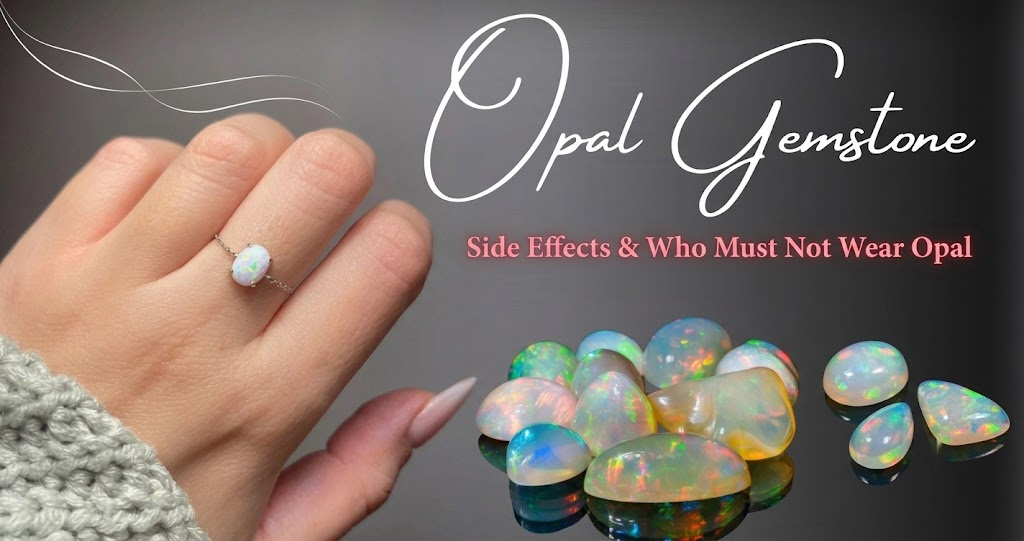
Opal Stone Side Effects: Who Should Avoid Opal and Why?
Opal, also known as Uppal, is a fascinating gemstone known for its colourful play-of-colour and distinctive appearance. In Vedic astrology, Opal is traditionally associated with Venus (Shukra) and is often recommended for qualities connected with love, creativity, luxury, relationships, and artistic expression.
However, an important question remains: Can everyone wear Opal?
According to traditional Vedic astrology, the answer is not necessarily. Gemstone suitability is generally considered dependent on an individual's birth chart, planetary placements, and the role of Venus in the horoscope. At the same time, from a gemological perspective, Opal is a relatively delicate gemstone that requires proper care because its hardness generally ranges from 5 to 6.5 on the Mohs scale.
In this guide, we explore Opal stone side effects, who should avoid wearing Opal, possible traditional astrological concerns, precautions, and how to choose a suitable Opal gemstone.
Important: Astrological effects described in this article are based on traditional Vedic astrology and should not be treated as scientifically proven medical or psychological effects.
What Is Opal Stone?
Opal is a hydrated silica gemstone with a unique internal structure that produces its famous play-of-colour. Depending on the stone, Opal can display flashes of green, blue, yellow, orange, red, and other colours.
GIA identifies Opal as hydrated silica (SiO₂·nH₂O) and notes that it can contain significant amounts of water within its structure. Its characteristic play-of-colour results from the interaction of light with microscopic silica spheres.
Popular varieties include:
- White Opal
- Black Opal
- Crystal Opal
- Boulder Opal
- Ethiopian Opal
- Australian Opal
GemRishi also lists Opal (Uppal), Australian Opal, Ethiopian Opal, and Black Opal among its gemstone categories.
👉 Explore GemRishi Certified Gemstones
Opal and Venus in Vedic Astrology
In Vedic astrology, Opal is traditionally connected with Venus (Shukra).
Venus represents themes such as:
- Love and relationships
- Beauty and aesthetics
- Creativity
- Luxury and comforts
- Art and entertainment
- Harmony and attraction
- Material pleasures
Because of this association, Opal is traditionally recommended when strengthening Venus is considered appropriate in a person's birth chart.
However, a gemstone should not be selected solely because it is associated with a particular planet. Traditional Jyotish considers factors such as the ascendant, house ownership, planetary strength, conjunctions, aspects, and the current planetary period.
Therefore, Opal may be beneficial for one individual while being considered unsuitable for another according to their horoscope.
GemRishi's gemstone guide similarly emphasizes selecting gemstones according to the individual's purpose and suitability rather than simply choosing a stone based on appearance.
Opal Stone Side Effects According to Traditional Astrology
There is no scientific evidence establishing that wearing Opal causes specific physical or psychological side effects through planetary energy. However, within traditional astrology, some practitioners believe that wearing an unsuitable gemstone can amplify the qualities associated with its ruling planet.
For Opal, the following are sometimes described as possible concerns when the gemstone is considered astrologically unsuitable:
1. Emotional Imbalance
Traditional astrology associates Venus with relationships, pleasure, attraction, and emotions. If Opal is considered unsuitable in a particular horoscope, some astrologers believe it may contribute to excessive emotional attachment or sensitivity.
2. Relationship Difficulties
Because Venus is traditionally connected with love and partnerships, an unsuitable Venus gemstone is sometimes believed to create complications in relationships.
These are traditional astrological interpretations, not medically established side effects.
3. Excessive Attachment to Luxury
Venus is also associated with comfort, beauty, luxury, and material pleasures. Some Vedic astrology traditions therefore caution against strengthening Venus without first assessing the complete birth chart.
4. Indulgence and Lack of Balance
An astrologically unsuitable Opal is sometimes believed to increase a person's attraction toward pleasure and comfort, potentially leading to excessive indulgence.
Again, these claims belong to traditional Jyotish practice rather than established medical science.
Who Should Avoid Wearing Opal Stone?
There is no universal scientific list of people who medically "should not" wear Opal. However, traditional Vedic astrology may advise against wearing Opal in certain horoscope conditions.
People who should seek astrological guidance before wearing Opal include:
1. People with an unfavourable Venus
If Venus is considered weak, afflicted, or functionally unsuitable in the birth chart, an astrologer may recommend avoiding Venus-related gemstones.
2. People whose horoscope does not support strengthening Venus
A gemstone is traditionally used to strengthen a planetary influence. Therefore, if strengthening Venus is not considered desirable, Opal may not be recommended.
3. People already wearing multiple planetary gemstones
Combining gemstones without considering their planetary relationships can be problematic within traditional astrology.
4. People choosing Opal only because of its appearance
A beautiful Opal may be an excellent jewellery choice without necessarily being the right astrological gemstone for a particular person.
👉 Before selecting a gemstone for astrological purposes, explore the GemRishi Gemstone Buying Guide GemRishi Gemstone Buying Guide.
Is Opal Harmful to Your Health?
From a gemological standpoint, Opal itself is not generally considered a harmful gemstone simply because it is worn as jewellery.
The more practical concerns relate to the gemstone's durability and care.
GIA reports that Opal generally has a hardness of approximately 5–6.5 on the Mohs scale and can be vulnerable to scratching, chipping, and fracture. Sudden temperature changes, excessive heat, and very dry conditions can also contribute to cracking or "crazing."
Therefore, Opal should be treated as a delicate gemstone, particularly when used in rings that receive frequent impact.
Common Physical Problems Associated With Improper Opal Care
These aren't "astrological side effects." They are gemstone-care concerns.
Scratching
Because Opal is softer than many commonly used gemstones, it can develop scratches if stored or worn carelessly.
Chipping
Strong impacts can chip an Opal, particularly around exposed edges.
Cracking or Crazing
GIA notes that intense heat, rapid temperature changes, or excessive dryness can contribute to fractures known as crazing.
Damage From Chemicals
Certain chemicals can damage Opal. Proper cleaning and careful handling are therefore essential.
Tip: GIA recommends warm, soapy water as the safe cleaning method for Opal.
Who Can Wear Opal?
From a jewellery perspective, many people can wear Opal when it is properly selected and cared for.
From an astrological perspective, however, suitability should ideally be determined from the individual's horoscope.
Opal is traditionally considered particularly relevant for people for whom Venus is a favourable planet and strengthening Venus is recommended by a qualified Vedic astrologer.
Remember:
Being born in a particular zodiac sign does not automatically mean you should wear Opal.
The complete birth chart is generally more important than Sun sign alone when selecting an astrological gemstone.
How to Choose the Right Opal Stone
Choosing an Opal requires attention to both gem quality and intended purpose.
1. Check Natural Origin
For an astrological gemstone, buyers often prefer natural stones with reliable documentation.
2. Examine the Play-of-Colour
GIA identifies play-of-colour, colour, pattern, clarity, and cut among important factors when evaluating Opal.
3. Check for Treatments
Opals can undergo treatments such as impregnation with oil, wax, or plastic, as well as other surface treatments. Buyers should understand whether a stone has been treated before purchasing.
4. Consider Durability
If you plan to wear an Opal ring every day, choose a protective setting because Opal is relatively soft and can be vulnerable to scratches and chips.
5. Buy From a Trusted Source
Authenticity and certification are particularly important when buying a gemstone for significant jewellery or astrological purposes.
GemRishi states that its gemstones are selected for authenticity and offers certified natural gemstone options.
👉 Explore certified gemstones from GemRishi Shop Certified Gemstones
Opal Care Tips: How to Prevent Damage
Because Opal is relatively delicate, proper care can help maintain its appearance.
Follow these simple precautions:
- Avoid exposing Opal to extreme heat.
- Protect it from sudden temperature changes.
- Keep it away from harsh chemicals.
- Avoid ultrasonic and steam cleaning.
- Store it separately from harder gemstones.
- Use warm, soapy water for cleaning.
- Choose a protective setting for rings.
GIA specifically recommends gentle care and warns that heat and sudden temperature changes can cause Opal to fracture.
Opal Stone Side Effects: Astrology vs Gemology
It is useful to distinguish between two very different meanings of "side effects."
According to traditional Vedic astrology:
An unsuitable Opal is traditionally believed by some practitioners to potentially intensify undesirable Venus-related themes.
According to gemology:
The main concerns are physical properties such as softness, scratching, chipping, and sensitivity to heat and sudden temperature changes.
Neither set of astrological claims should be confused with scientifically established medical effects.
Final Thoughts
Opal is a beautiful and relatively delicate gemstone with a long history of fascination in gemology and traditional astrology. While Vedic astrology associates Opal with Venus and may recommend it in specific horoscope conditions, these astrological effects are matters of traditional belief rather than scientifically proven phenomena.
The most practical precautions concern the gemstone itself: protect Opal from scratches, impacts, excessive heat, sudden temperature changes, and harsh chemicals.
If you are considering Opal for astrological purposes, focus on three things: horoscope-based suitability, gemstone authenticity, and proper care.
👉 Discover GemRishi's certified gemstone collection GemRishi Certified Natural Gemstones
👉 Learn how to choose the right gemstone GemRishi Gemstone Buying Guide
Quick Takeaway
Opal Stone Side Effects — At a Glance
Astrological: Suitability depends on the individual horoscope according to traditional Vedic astrology.
Scientific: There is no established evidence that Opal produces planetary or psychological side effects.
Gemological: Opal is relatively soft and should be protected from scratches, impacts, heat, sudden temperature changes, and harsh chemicals.
Best approach: Choose an authentic gemstone, obtain appropriate astrological guidance if using it as a remedy, and follow proper Opal-care practices.
Frequently Asked Questions About Opal Stone Side Effects
Can everyone wear Opal?
Not necessarily, according to traditional Vedic astrology. Astrologers generally recommend checking the individual's birth chart before prescribing Opal for astrological purposes.
What happens if I wear an unsuitable Opal?
Traditional astrology may associate an unsuitable gemstone with an undesirable strengthening of the planet it represents. However, there is no scientific evidence proving that wearing Opal produces these astrological effects.
Can Opal cause physical side effects?
Opal itself is not generally considered physically harmful as jewellery. However, the gemstone is relatively delicate and can scratch, chip, or crack if exposed to impact, heat, or sudden temperature changes.
Is Opal suitable for daily wear?
It can be worn daily with appropriate care, but Opal is softer than many popular gemstones. A protective setting is recommended for rings that receive frequent knocks.
Should I wear Opal without consulting an astrologer?
If you are wearing Opal purely as jewellery, astrological consultation is not necessary. If you are wearing it as a Vedic astrological remedy, consulting a qualified astrologer is advisable.
How should Opal be cleaned?
Use warm, soapy water and a soft cloth. Avoid ultrasonic cleaners, steam cleaning, harsh chemicals, and extreme heat.
Have Questions Regarding This Gemstone?
Connect 1-on-1 with GemRishi’s certified Vedic gemologists on WhatsApp for personalized birth chart recommendations, lab certificate verification, or custom jewelry quotes.
Gemrishi
Gemrishi is a certified gemologist and Vedic astrology scholar at GemRishi with over 15 years experience in natural gemstone origin authentication.