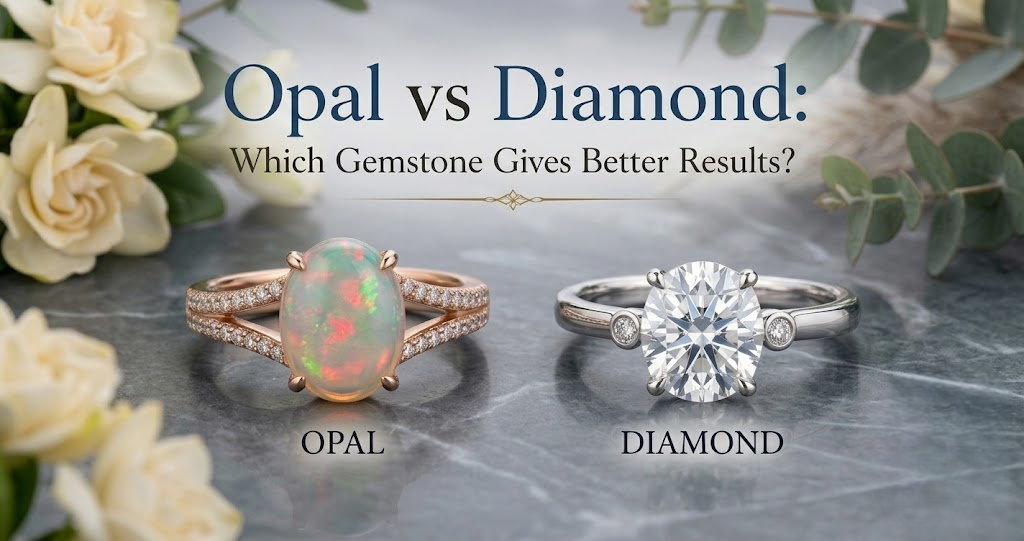
Opal vs. Tourmaline: Which October Birthstone Matches Your Energy?
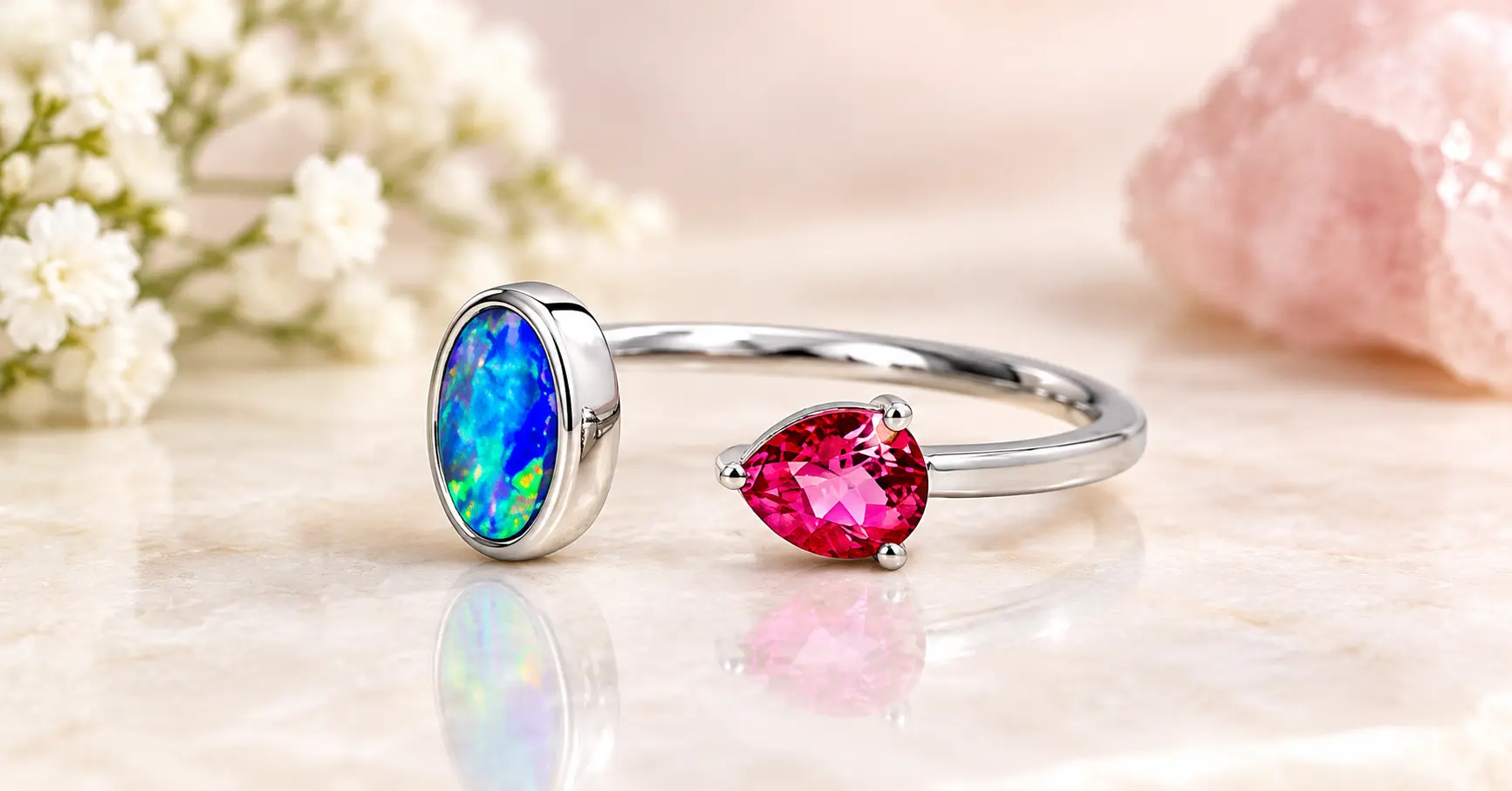
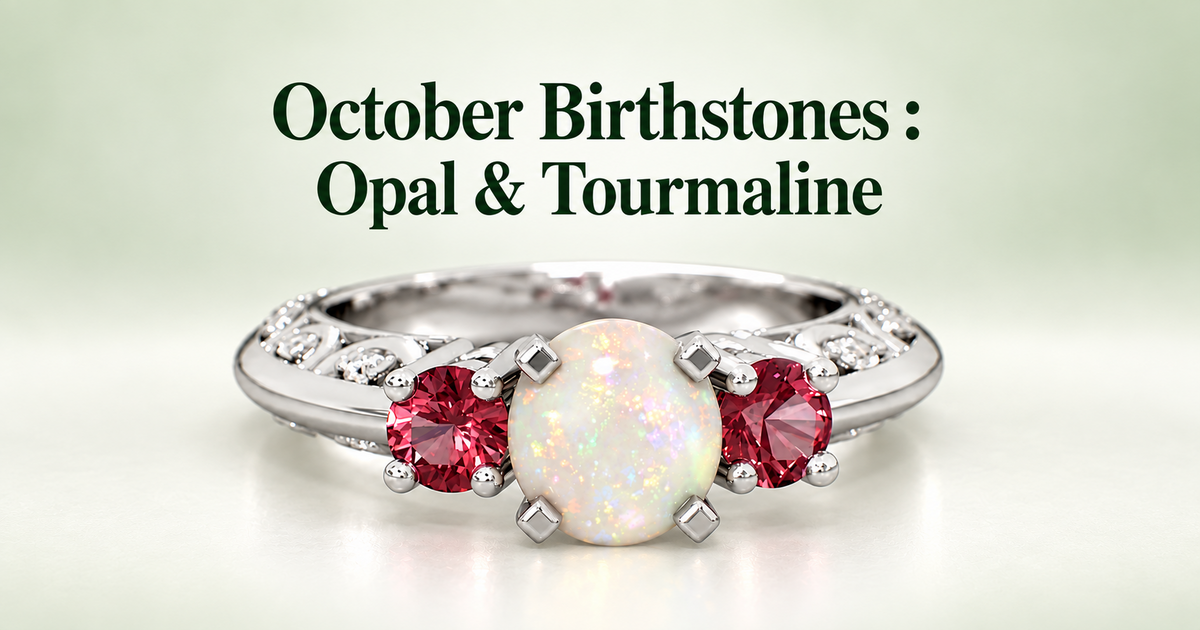
October is a special month for gemstone lovers because it has two beautiful birthstones: Opal and Tourmaline. Both gemstones are admired for their stunning colours, unique appearance, and timeless appeal. However, they offer very different looks, making each one suitable for different personalities, jewellery styles, and preferences.
If you are born in October or looking for a meaningful gemstone gift, you might wonder: Should you choose opal or tourmaline?
Opal is famous for its magical play of colours, while tourmaline is loved for its impressive variety of shades, from soft pink and green to deep black. Beyond their beauty, both gemstones have interesting histories, symbolic meanings, and practical differences worth
Let's explore this Gemrishi guide to know interesting facts about two Birthstones of October.
1. Why Does October Have Two Birthstones?
October is associated with two recognised birthstones: opal and tourmaline. This gives October-born individuals the freedom to choose a gemstone based on colour, design, personal preference, and traditional symbolism.
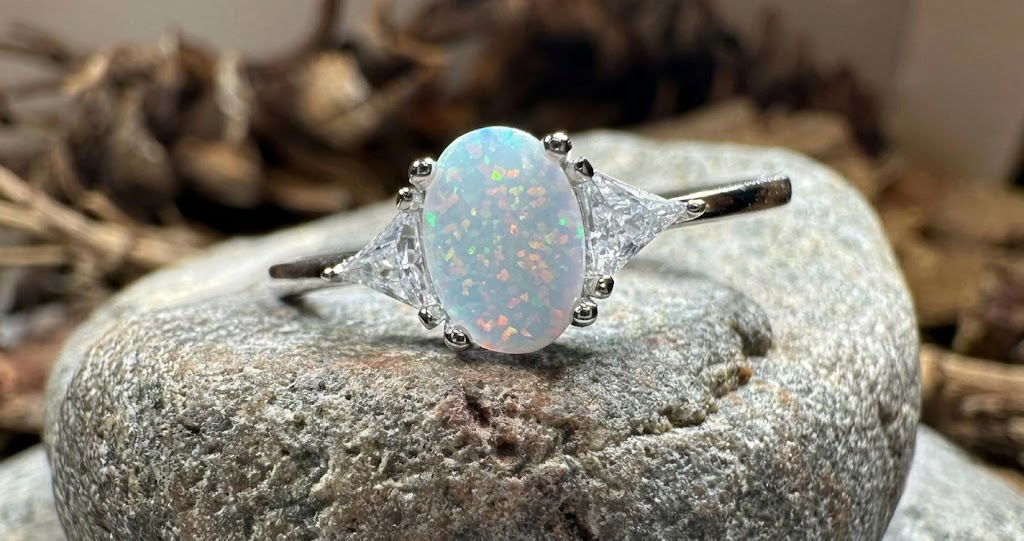
Opal is known for its remarkable flashes of colour, often called play-of-colour. Depending on the stone, these flashes may include green, blue, orange, red, and violet.
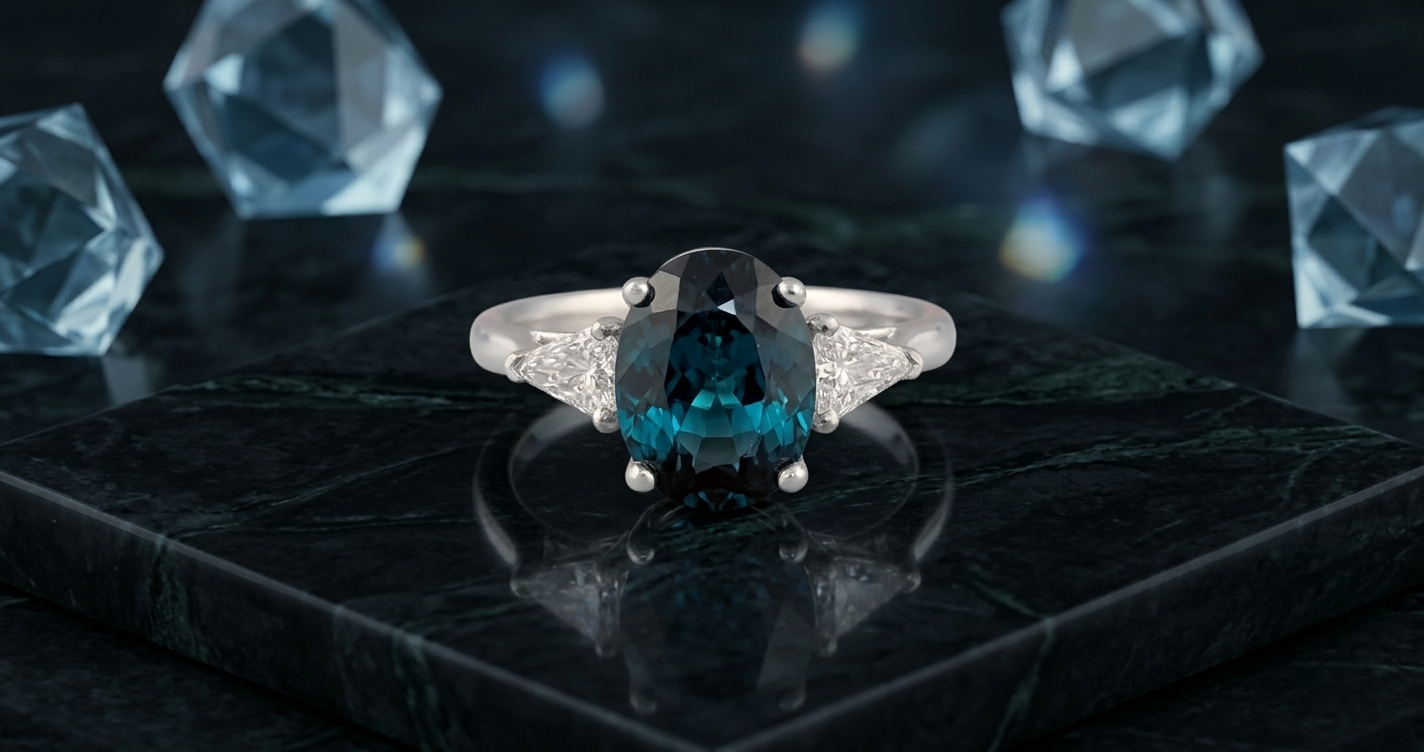
Tourmaline stands out for its wide colour range. It occurs in pink, green, blue, red, yellow, and black, with some crystals displaying more than one colour.
Both gemstones are popular for October birthstone jewellery, including rings, pendants, earrings, and bracelets. The right choice depends on whether you prefer opal's shifting rainbow effect or tourmaline's rich and varied colours.
2. What Is Opal? Meaning, Colours, and Beauty
Opal is a hydrated form of silica with an amorphous structure, meaning it does not have the regular crystal structure found in many other gemstones. In precious opal, microscopic silica spheres interact with light to produce its characteristic play-of-colour.
Popular Types of Opal
- White opal: Features a light body colour with colourful flashes.
- Black opal: Has a dark body tone that can make its colour patterns appear especially vivid.
- Fire opal: Usually displays yellow, orange, or red body colours and may or may not show play-of-colour.
- Ethiopian opal: Often features bright colour patterns and is commonly sold in attractive white or translucent varieties.
- Australian opal: Includes several varieties, particularly valued for their distinctive colour patterns.
Opal Gemstone Meaning and Symbolism
Opal is traditionally associated with creativity, individuality, love, and emotional expression. Its changing colours make it a popular symbol of imagination and personal transformation.
In some astrological traditions, opal is associated with Venus, the planet linked with beauty, relationships, luxury, and artistic expression. However, these are traditional beliefs rather than scientifically established effects.
If you are drawn to artistic designs, romantic symbolism, or gemstones with an unusual appearance, opal may be the perfect October birthstone for you.
Explore the Opal Gemstone Collection at GemRishi to discover gemstone options.
3. What Is Tourmaline? Meaning, Colours, and Beauty
Tourmaline is a group of boron-containing minerals with complex chemical compositions. Small changes in its composition can produce a remarkable range of colours, making it one of the most versatile gemstones in fine jewellery.
Popular Types of Tourmaline
- Pink tourmaline: Popular for its romantic colour and feminine jewellery designs.
- Green tourmaline: Offers fresh, natural shades ranging from light green to deep forest green.
- Blue tourmaline: Includes attractive blue varieties, with Paraíba tourmaline particularly admired for its vivid blue-green colour.
- Watermelon tourmaline: Displays pink and green colours in the same crystal, sometimes resembling the fruit.
- Black tourmaline: An opaque to dark variety commonly used in jewellery and associated with protection in crystal traditions.
Tourmaline Gemstone Meaning and Symbolism
Tourmaline is often associated with balance, confidence, creativity, and individuality. Different colours carry different symbolic interpretations: pink is linked with love, green with growth, and black with grounding or protection.
These meanings vary across traditions and should be understood as cultural or spiritual symbolism, not proven gemstone benefits.
Tourmaline is a wonderful option if you want a gemstone that reflects your favourite colour or expresses a particular personal meaning.
Discover other colourful stones through GemRishi's Gemstone Collection.
4. Opal vs. Tourmaline: Key Differences
The easiest way to compare these October birthstones is to look at their appearance, durability, and everyday practicality.
FeatureOpalTourmalineMineral structureAmorphous hydrated silicaCrystalline mineral groupMain attractionColourful flashes in precious varietiesWide range of body coloursPopular coloursWhite, black, orange, multicolouredPink, green, blue, red, blackMohs hardnessAbout 5–6.5About 7–7.5Everyday durabilityRequires extra careGenerally more suitable for regular wearSymbolic associationsCreativity, love, individualityBalance, confidence, personal growthJewellery stylesPendants, earrings, statement ringsRings, bracelets, earrings, pendants
Which gemstone is more durable? Tourmaline generally has the advantage because it is harder. However, both stones need appropriate care, and gemstone quality, inclusions, cut, and setting also affect durability.
Opal may be the better choice for someone who loves a unique, luminous appearance. Tourmaline may be preferable for someone who wants more colour options and a gemstone that can better handle regular wear.
5. Which October Birthstone Matches Your Energy?
The phrase “matches your energy” is a personal way of choosing a gemstone based on your style, values, and the meaning you associate with it. Neither gemstone has scientifically established powers to change your personality or attract specific outcomes.
Choose Opal If You Love Creativity and Individuality
Opal may suit you if you:
- Love artistic, unusual, and expressive jewellery.
- Prefer rainbow-like flashes over a single consistent colour.
- Enjoy romantic and imaginative gemstone symbolism.
- Want a distinctive piece for special occasions.
Opal's shifting colours make each stone visually interesting. If you want a gemstone that feels expressive and unconventional, opal could be your ideal match.
Choose Tourmaline If You Love Colour and Versatility
Tourmaline may suit you if you:
- Enjoy choosing from a wide range of colours.
- Prefer a gemstone with a crystalline appearance.
- Want more flexibility when matching jewellery to outfits.
- Need a relatively durable stone for frequent wear.
From delicate pink tourmaline rings to striking green pendants, the variety makes it easier to find a design that reflects your personal taste.
Our suggestion: Choose opal for its distinctive play-of-colour and artistic appeal. Choose tourmaline for colour variety, versatility, and generally better everyday durability.
6. Opal vs. Tourmaline: Which Is More Expensive?
There is no universal winner when it comes to price. Both gemstones range from relatively affordable options to rare, high-value specimens.
Factors Affecting Opal Prices
- Brightness and pattern of play-of-colour.
- Body tone, particularly in valuable black opals.
- Size, cut, origin, and overall quality.
- Whether the stone is solid opal, a doublet, or a triplet.
Factors Affecting Tourmaline Prices
- Colour intensity and rarity.
- Clarity, size, and cutting quality.
- Origin and market demand.
- Whether the stone is a rare variety, such as Paraíba tourmaline.
For both gemstones, natural stones with attractive colour and good quality can command higher prices. Treatments, assembled stones, and synthetic alternatives can also affect value.
Before buying either October birthstone, ask about its identity, treatments, origin where documented, and any laboratory report. Compare stones of similar quality rather than judging price by size alone.
7. Which Gemstone Is Better for Everyday Jewellery?
If you plan to wear your birthstone daily, durability should be an important consideration.
Tourmaline's Mohs hardness of approximately 7–7.5 generally makes it a more practical option for regular wear than opal. Even so, tourmaline can chip or fracture if struck, particularly around vulnerable edges or inclusions.
Opal is softer and can be more vulnerable to scratches, impacts, and certain environmental conditions. Some opals can lose moisture or become damaged under unsuitable conditions, depending on their type and structure.
For everyday rings, choose a protective setting and remove your jewellery before exercising, cleaning, or doing manual work. Opal is often an excellent choice for pendants and earrings, where it is less likely to receive knocks.
8. How to Care for Opal and Tourmaline
Proper care helps preserve the beauty of both October birthstones.
Opal care tips:
- Clean gently with a soft cloth and mild soapy water when appropriate for the specific stone.
- Avoid ultrasonic cleaners, steam cleaning, and sudden temperature changes.
- Keep opal away from hard surfaces and sharp impacts.
- Store it separately from harder gemstones to prevent scratches.
Tourmaline care tips:
- Use lukewarm water, mild soap, and a soft brush when suitable for the setting.
- Avoid harsh chemicals and unnecessary exposure to heat.
- Store it separately to protect softer stones and delicate jewellery.
- Have the setting checked periodically, particularly for rings worn often.
If you own an opal doublet or triplet, follow the seller's care instructions because the materials used in assembled stones may require extra caution.
9. Buying Natural Opal or Tourmaline from GemRishi
When choosing an October birthstone, look beyond appearance. Authenticity, treatment disclosure, craftsmanship, and reliable documentation are important parts of a confident purchase.
At GemRishi, you can explore gemstone options and learn more about gemstone selection. Before purchasing, consider the following:
- Certification: Ask for a suitable gemological report and check what it confirms.
- Natural or synthetic: Verify whether the stone is natural, laboratory-grown, or assembled.
- Treatments: Request clear information about any known treatments.
- Quality: Examine colour, transparency, inclusions, cut, and overall condition.
- Purpose: Consider whether you want jewellery for fashion, a birthday gift, or traditional astrological use.
If you are choosing a gemstone for astrological reasons, remember that recommendations depend on the particular tradition being followed. October birthstone status alone does not establish that a gemstone is suitable for every individual.
10. Final Verdict: Opal or Tourmaline?
So, which is the best October birthstone: opal or tourmaline?
The answer depends on what matters most to you. Opal is ideal for people who appreciate unusual colour patterns, artistic beauty, and romantic symbolism. Tourmaline is an excellent option for those who prefer a broader colour palette, versatility, and greater hardness.
Both gemstones have their own charm, and neither is universally better than the other. Choose the stone that fits your lifestyle, jewellery preferences, and budget.
Explore GemRishi's gemstone selection or browse the jewellery collection to find a style that suits you. If you are considering a gemstone for traditional astrological purposes, you can also explore GemRishi's gemstone recommendation service.
Ultimately, your October birthstone should be something you genuinely love wearing. Whether you choose opal's rainbow-like brilliance or tourmaline's vibrant colours, the best gemstone is the one that feels meaningful to you.
Frequently Asked Questions About Opal vs. Tourmaline
1. Is opal or tourmaline the October birthstone?
Both opal and tourmaline are recognised October birthstones. You can choose either based on your style and preferences.
2. Which October birthstone is more popular?
Both are popular, but their appeal differs. Opal attracts people who love colourful flashes, while tourmaline appeals to those who prefer a wide range of solid colours.
3. Is opal more expensive than tourmaline?
Not always. High-quality black opal can be expensive, while rare varieties of tourmaline, especially Paraíba, can also command premium prices.
4. Which gemstone is more durable, opal or tourmaline?
Tourmaline is generally more durable, with a Mohs hardness of 7–7.5 compared with approximately 5–6.5 for opal.
5. What does an opal gemstone symbolise?
Opal is traditionally associated with creativity, love, imagination, and individuality. These are symbolic meanings rather than scientifically proven effects.
6. What does tourmaline symbolise?
Tourmaline is commonly associated with balance, confidence, growth, and protection in various spiritual traditions.
7. Can I wear opal every day?
Yes, but opal requires extra care because it is relatively soft and can be damaged by impacts or unsuitable cleaning methods. Pendants and earrings are often practical choices.
8. Is tourmaline suitable for everyday jewellery?
Generally, yes. Tourmaline is harder than opal, although it can still chip or fracture. Protective settings and careful handling are recommended.
9. Which gemstone is best for an October birthday gift?
Both are thoughtful gifts. Choose opal for someone who loves iridescent colours and distinctive designs, or tourmaline for someone who enjoys colourful, versatile jewellery.
10. Is black tourmaline an October birthstone?
Tourmaline is an October birthstone, and black tourmaline is one of its many colour varieties. Its dark appearance makes it popular in contemporary jewellery.
11. Can opal and tourmaline be worn together?
Yes. You can combine both gemstones in a coordinated jewellery design. Choose complementary colours and secure settings to reduce the risk of scratches or damage.
12. Does wearing an October birthstone bring good luck?
Some cultural and spiritual traditions associate birthstones with good luck or positive qualities. However, there is no reliable scientific evidence that wearing opal or tourmaline changes luck or determines personal outcomes.
13. How can I identify a genuine opal or tourmaline?
Appearance alone may not establish authenticity. Buy from a reputable seller, ask about treatments and natural or synthetic status, and obtain an appropriate gemological report when needed.
14. Where can I buy opal and tourmaline online?
You can start with GemRishi's official website and gemstone collection. Review each product's details, certification information, treatment disclosure, and return policy before purchasing.
Explore More with GemRishi
Continue your gemstone journey through these useful resources:
- GemRishi Homepage — Explore gemstone and jewellery options.
- Gemstone Collection — Browse gemstones by category and colour.
- Jewellery Collection — Discover gemstone jewellery styles.
- Gemstone Recommendation Service — Explore traditional Vedic gemstone recommendations.
- GemRishi Blog — Read gemstone education and astrology articles.
- About GemRishi — Learn about the brand and its gemstone approach.
- Opal Education Article — Explore the brand's opal-related educational content.
- Gemstone Shopping Information — Review available gemstone categories before buying.
- Gemstone Jewellery Options — Explore styles for gifting and personal wear.
- Returns and Refund Policy — Review purchase and return information before ordering.
Have Questions Regarding This Gemstone?
Connect 1-on-1 with GemRishi’s certified Vedic gemologists on WhatsApp for personalized birth chart recommendations, lab certificate verification, or custom jewelry quotes.
Gemrishi
Gemrishi is a certified gemologist and Vedic astrology scholar at GemRishi with over 15 years experience in natural gemstone origin authentication.