Blue Zircon: Meaning, Properties, Benefits, Price & Complete Buying Guide
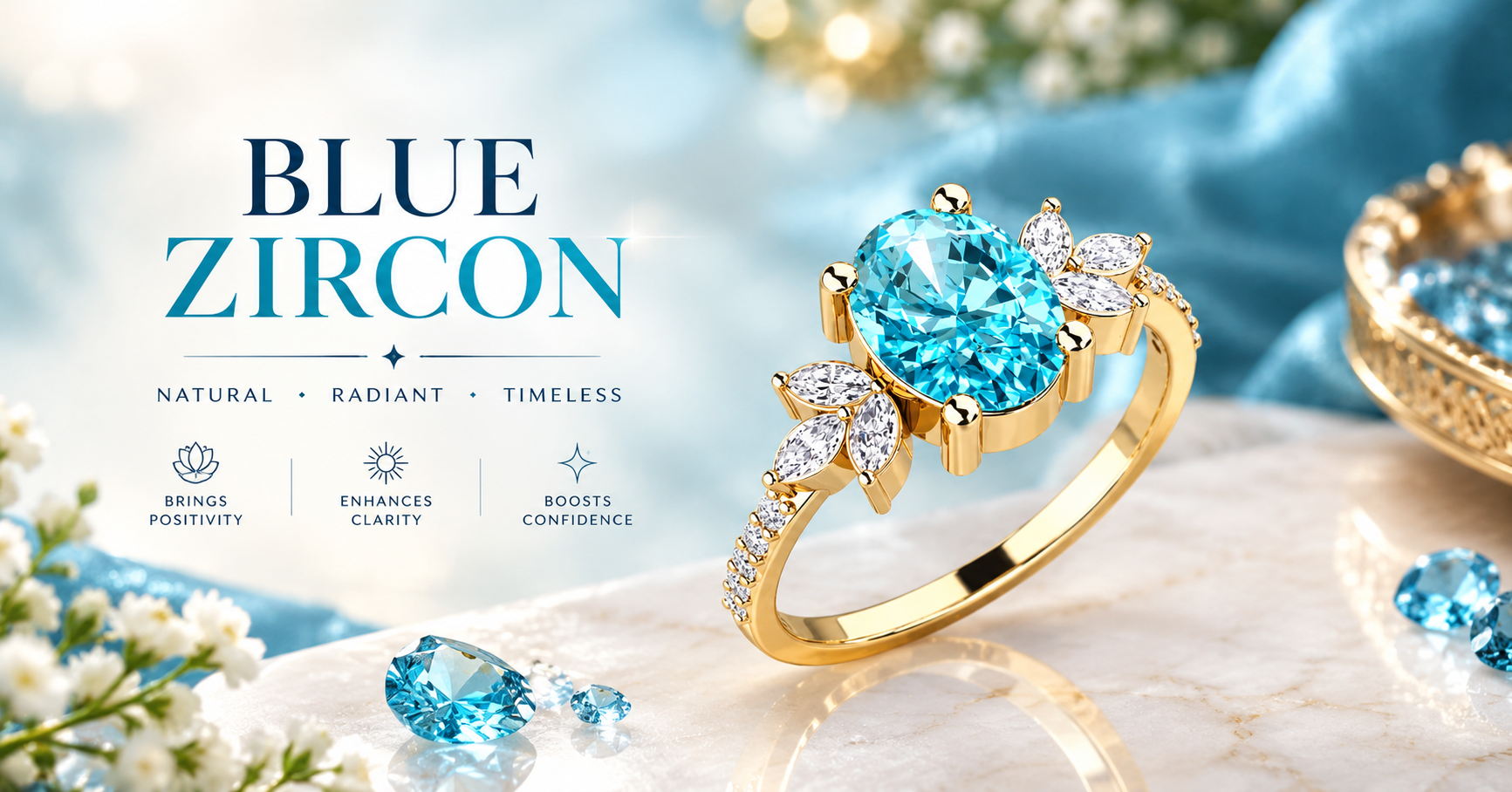
Blue Zircon has a sparkle that can make even a simple piece of jewellery feel distinctive. Its beautiful blue shades, bright reflections and colourful flashes of light have made it an appealing choice for people who appreciate gemstones with character. Whether set in a ring, worn as a pendant or chosen as a December birthday gift, this gemstone offers an interesting alternative to more familiar blue stones.
Yet, there is more to Blue Zircon than its appearance. Its natural origin, optical properties, common heat treatments and durability all influence how it should be selected and cared for. Buyers also need to understand the difference between natural Zircon and cubic zirconia, two materials whose similar names often cause confusion.
If you are considering adding this gemstone to your collection, this guide will help you understand its meaning, traditional benefits, price factors and the details worth checking before you buy.
What Is Blue Zircon?
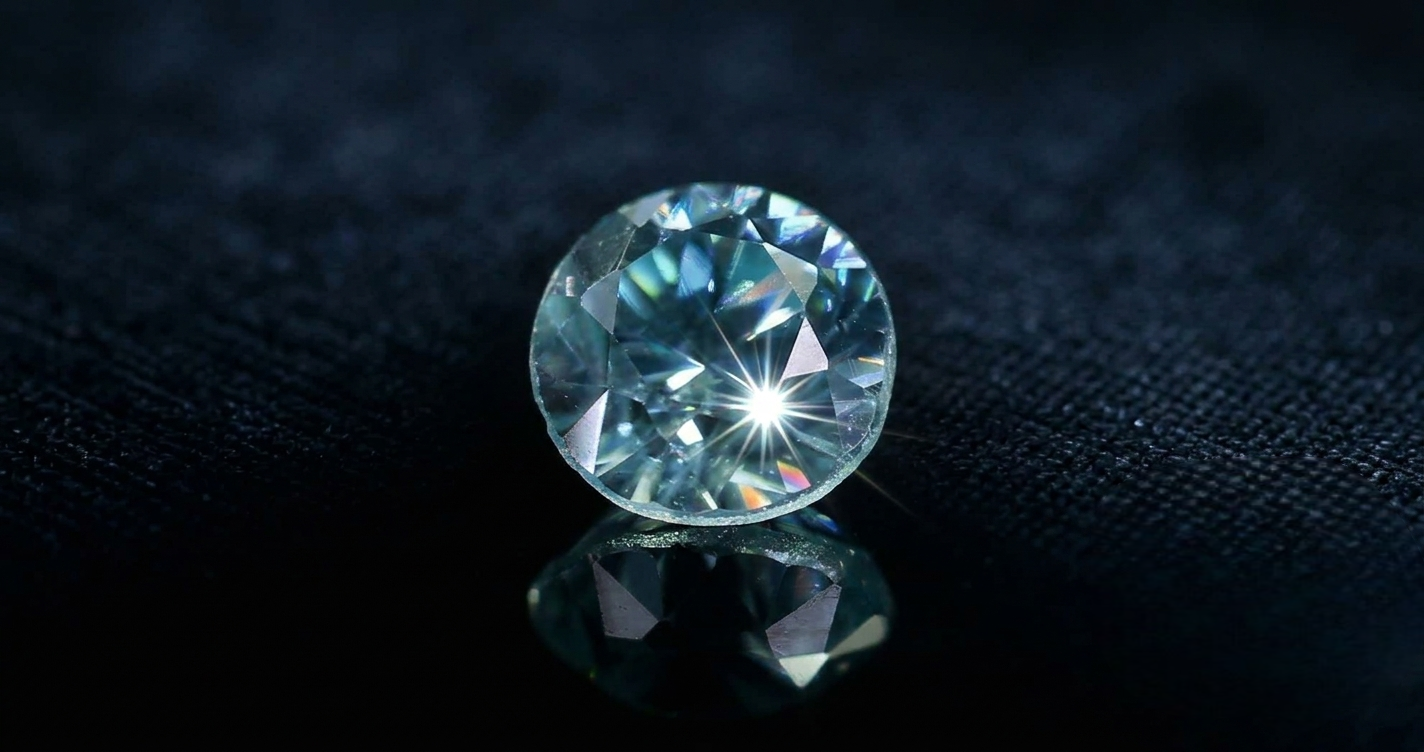
Blue Zircon is a blue variety of natural Zircon, a mineral composed primarily of zirconium silicate. It is valued for its high refractive index, which helps produce strong brilliance, and its dispersion, which creates colourful flashes as light passes through a well-cut stone.
Natural Zircon occurs in several colours, including brown, red, yellow, green and colourless. Blue is particularly popular in jewellery, although much of the blue Zircon available commercially has been heat-treated to achieve its colour.
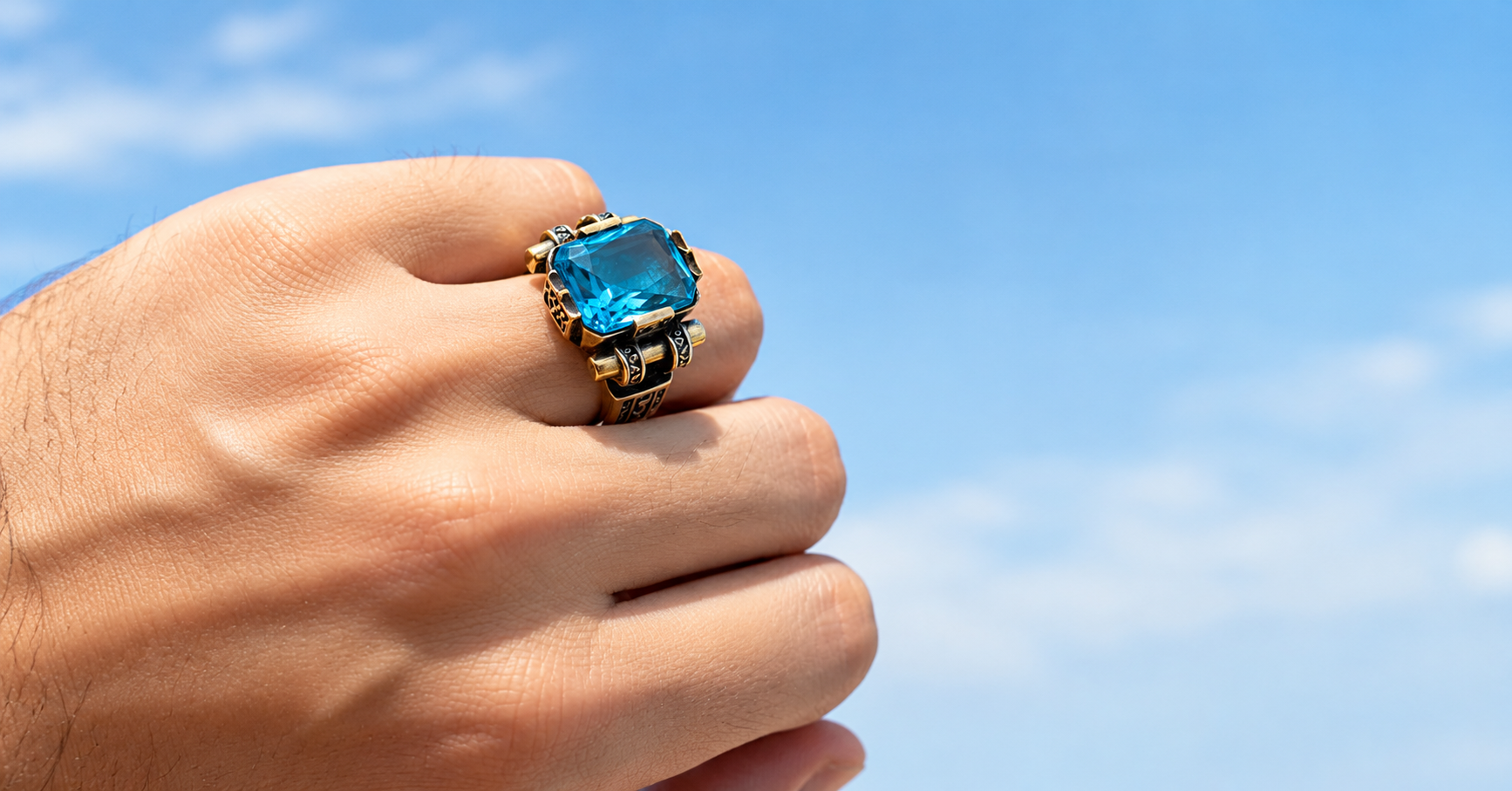
The gemstone is used in rings, earrings, pendants and other jewellery designs. Its lively appearance makes it attractive to people who want a blue gemstone with noticeable sparkle rather than colour alone.
For anyone exploring different gemstone varieties, the GemRishi gemstone collection is a useful place to discover more options.
Blue Zircon Meaning and Symbolism
Blue Zircon is commonly associated with clarity, wisdom, calmness and confidence in contemporary gemstone symbolism. Its blue colour is often connected with peacefulness and clear communication, which is one reason some people find it meaningful beyond its decorative appeal.
The gemstone also has a connection with December birthdays. Blue Zircon is recognised as a modern December birthstone, making it a thoughtful gift for someone born during the final month of the year. Its colour offers a distinctive alternative to other December birthstones, including Blue Topaz and Tanzanite.
For some jewellery buyers, meaning comes from the occasion itself. A Blue Zircon pendant might mark a birthday, while a carefully chosen ring could represent a personal milestone or a gift between loved ones. The stone's symbolism can add a personal touch without taking away from its natural beauty.
These meanings come from cultural and contemporary gemstone traditions. They should not be understood as scientifically proven effects on a person's emotions, decisions or future.
Blue Zircon Gemstone Properties
What makes Blue Zircon especially interesting is the way it interacts with light. Its brilliance and dispersion can produce a lively appearance, particularly when the gemstone has been cut with care.
Zircon has a Mohs hardness of approximately 6–7.5, depending on its type and physical condition. Although this makes it suitable for jewellery, hardness alone does not determine durability. Zircon can be brittle, and its facet edges may chip if the stone receives a sharp impact.
Colour is another important consideration. Blue Zircon can range from light, sky-like blue to more saturated shades. The most suitable colour depends on personal preference, the stone's overall appearance and the jewellery design in which it will be set.
Clarity also deserves attention. Transparent stones with few inclusions visible to the naked eye are often preferred for jewellery because they allow light to travel through the gemstone more effectively. Colour, cutting quality and overall appearance matter just as much when comparing similar options.
The cut brings these characteristics together. Round and oval shapes can display the gemstone's sparkle beautifully, while cushion and pear cuts offer different looks for rings and pendants.
You can explore more about gemstone selection in GemRishi's complete gemstone buying guide.
What Are the Benefits of Blue Zircon?
People choose Blue Zircon for different reasons. Some appreciate its brilliance, others enjoy the symbolism attached to blue gemstones, and some simply want something distinctive for their jewellery collection. Understanding these different motivations helps separate practical advantages from traditional beliefs.
A Beautiful Choice for Fine Jewellery
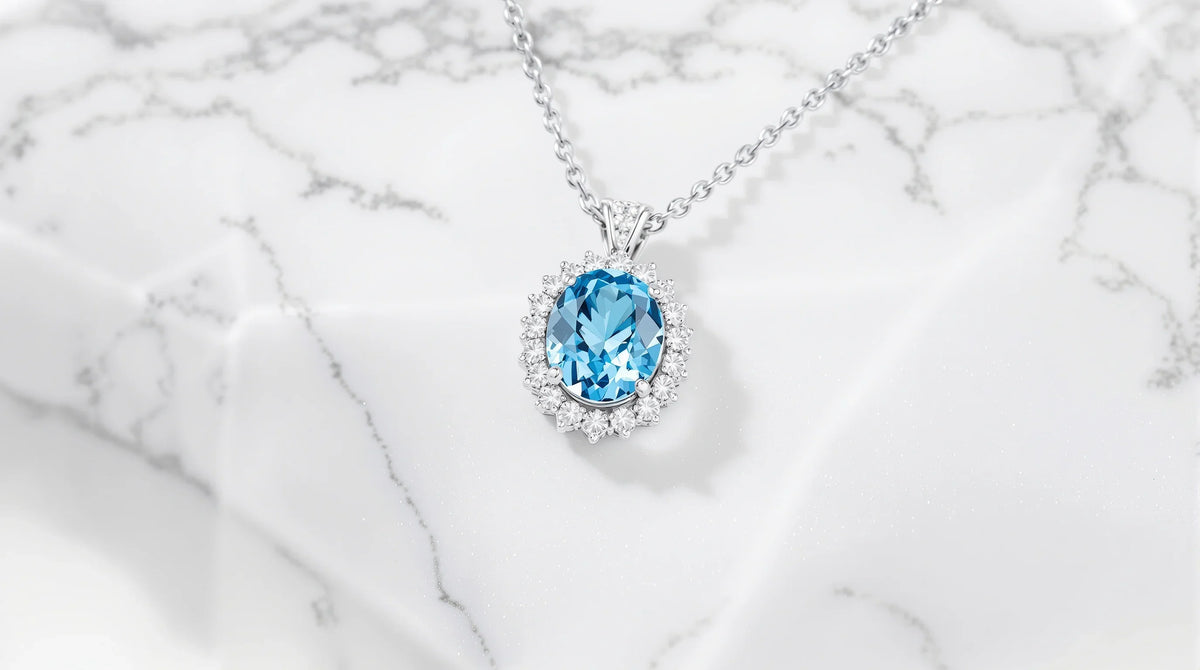
Blue Zircon brings colour and sparkle to jewellery without requiring an elaborate design. A well-cut stone can stand out in a simple pendant or become the centrepiece of a more detailed ring.
Its brilliance is one of its most appealing qualities. The colourful flashes produced by dispersion give it a different visual character from many other blue gemstones, making it an interesting option for those who enjoy the way a gemstone catches the light.
A Meaningful December Birthday Gift
As a December birthstone, Blue Zircon can make a thoughtful gift for a friend, family member or partner. Its bright colour works well in both contemporary and traditional jewellery, while its natural mineral origin may appeal to people who enjoy collecting gemstones.
The best choice depends on the recipient's preferences. Someone who enjoys understated jewellery may prefer a small pendant, while a person who loves statement pieces might appreciate a larger stone in a carefully designed setting.
Traditional Associations With Clarity and Confidence
In modern gemstone symbolism, Blue Zircon is sometimes associated with clarity, confidence and self-expression. These interpretations reflect the meanings people attach to gemstone colours and traditions rather than established scientific evidence.
If you are drawn to Blue Zircon because of its symbolism, it can be a personal reminder of qualities you value. Its meaning does not need to be the same for everyone.
Is Blue Zircon an Astrological Gemstone?
Zircon has associations with Venus, known as Shukra in Vedic astrology, in some gemstone traditions, particularly in discussions of White Zircon. Venus is traditionally connected with beauty, creativity, relationships and material comforts.
However, these associations should not automatically be applied to every colour of Zircon. Blue Zircon should not be presented as a universal astrological substitute for another gemstone without a clear basis in the relevant tradition.
Anyone considering a gemstone for astrological reasons should distinguish traditional beliefs from scientific evidence and seek appropriate guidance before making a decision.
For further reading, visit GemRishi's guide on choosing a gemstone according to your birth chart and astrology.
Blue Zircon Price: What Should You Know Before Buying?
There is no single price for Blue Zircon. Two stones of the same carat weight can have noticeably different prices because their colour, clarity, cut and overall quality may vary.
Colour is often one of the first things buyers notice. A stone with an attractive, well-distributed blue colour may be more desirable than one that looks uneven or overly dark. Clarity matters too, especially when inclusions affect transparency or become distracting to the eye.
The quality of the cut can influence both appearance and value. A well-cut gemstone generally displays light more effectively, while a poorly cut stone may appear less lively even when its colour is attractive.
Carat weight also plays a role. Larger stones of comparable quality may cost more, although prices do not necessarily rise at a fixed rate with every additional carat.
Treatment is another detail worth discussing with the seller. Much of the Blue Zircon sold in the jewellery market has been heat-treated. Buyers should ask whether treatment is known and disclosed rather than assuming that a vivid blue colour automatically means a higher-quality or untreated gemstone.
Certification can provide additional confidence, particularly when purchasing a more expensive stone. An independent gemological report may help establish the gemstone's identity and document treatments that the laboratory can detect.
Before making a purchase, compare stones with similar characteristics and ask for the exact weight, measurements, clear photographs, treatment details and return policy. These details provide a more useful basis for comparing prices than a per-carat figure alone.
Is Blue Zircon a Natural Gemstone?
Yes, Zircon is a naturally occurring mineral, and natural Blue Zircon is a genuine gemstone. However, its colour may have been modified through heat treatment, so natural origin and treatment status are two different things.
A heat-treated natural Zircon remains natural in origin. What matters is that the treatment is described honestly, particularly when the information influences the buyer's decision.
Blue Zircon is also frequently confused with cubic zirconia because the names sound similar. The materials are not the same. Zircon is a natural mineral composed primarily of zirconium silicate, while cubic zirconia is a different material commonly manufactured for use as a diamond imitation.
The difference cannot always be established by looking at a photograph or examining the stone casually. If authenticity is important, purchase from a transparent seller and consider an independent gemological report.
For a better understanding of gemstone treatments, read GemRishi's article on unheated versus untreated gemstones.
Blue Zircon vs Blue Topaz: Understanding the Difference
Blue Zircon and Blue Topaz can both look beautiful in jewellery, but they offer different characteristics.
Blue Zircon is particularly appealing to people who enjoy brilliance and colourful flashes of light. Its optical properties give it a lively appearance when the stone is cut well. Blue Topaz, meanwhile, has a Mohs hardness of 8, making it harder than Zircon and generally better suited to designs that may experience frequent contact.
Neither gemstone is automatically the better choice. A Blue Zircon ring can be a lovely option when its setting protects the stone and the wearer is comfortable with its care requirements. Blue Topaz may be more practical for someone who prioritises hardness in a gemstone intended for frequent wear.
Price also depends on the quality of the individual stone, its size, colour, treatment and the seller. Rather than assuming one gemstone is always more valuable, compare actual examples and consider what matters most to you.
How to Choose the Right Blue Zircon
Choosing Blue Zircon becomes easier when you look beyond the first impression. A photograph may show the colour beautifully, but it cannot always reveal the stone's transparency, cut quality or condition.
Start with the colour you prefer. Some buyers enjoy a lighter blue that feels delicate and understated, while others prefer a deeper shade that creates a stronger contrast against the metal setting.
Next, look at the gemstone under different lighting conditions if possible. Notice whether the colour remains attractive and whether the stone displays lively reflections rather than appearing dull. Check for visible chips, scratches or inclusions that affect its appearance.
Ask the seller whether the gemstone is natural Zircon and whether it has been heat-treated. For a higher-value purchase, an independent report can provide additional reassurance. The report should be appropriate to the stone and clearly identify what the laboratory has examined.
Think about how you plan to wear it as well. A ring may need a more protective setting than a pendant because hands regularly come into contact with surfaces and objects. A secure design can help reduce the chance of accidental damage.
Finally, consider the complete purchase rather than focusing only on the gemstone's price. Craftsmanship, clear treatment disclosure, after-sales service and a fair return policy all contribute to a more confident buying experience.
Explore the GemRishi gemstone collection to compare gemstone varieties and find inspiration for your next jewellery purchase.
Blue Zircon Jewellery and Everyday Care
Blue Zircon can work beautifully in both traditional Indian jewellery and modern designs. White gold, platinum and silver create a cool appearance that complements its blue colour, while yellow gold provides a warmer contrast.
For a ring, a protective setting can help shield the stone's edges from accidental knocks. Pendants and earrings may be preferable for people who want to enjoy the gemstone while reducing the likelihood of frequent impacts.
Cleaning should be gentle. Use lukewarm water, mild soap and a soft brush, then dry the jewellery carefully with a soft cloth. Avoid steam and ultrasonic cleaners, as well as harsh chemicals and sudden temperature changes.
Storage matters too. Keep Blue Zircon separate from harder gemstones to reduce scratching, and avoid tossing jewellery into a box where pieces can rub against one another.
With sensible care, Blue Zircon can remain an attractive part of a jewellery collection for years. The key is to remember that its sparkle does not make it resistant to damage.
For more ideas on selecting and styling coloured stones, explore GemRishi's guide to vibrant gemstone jewellery.
Is Blue Zircon Worth Buying?
Blue Zircon is worth considering if you appreciate a natural gemstone with vivid colour, strong brilliance and a distinctive appearance. It offers plenty of character for jewellery, makes a thoughtful December birthstone gift and provides an alternative to more familiar blue stones.
Its main consideration is durability. Zircon can chip under impact, so a suitable setting and careful handling are particularly important when choosing a ring or another piece intended for regular use.
The right gemstone is ultimately one that suits your preferences, budget and intended purpose. Look for an attractive colour, a good cut, transparent treatment information and a seller who is willing to answer questions clearly.
At GemRishi, learning about gemstone properties before buying can help you make a choice based on both beauty and practical suitability. Explore the GemRishi website to discover more about gemstones and jewellery.
Frequently Asked Questions About Blue Zircon
1. What is Blue Zircon?
Blue Zircon is a blue variety of the natural mineral Zircon. It is known for its brilliance, dispersion and attractive colour, making it popular in rings, pendants and other jewellery.
2. Is Blue Zircon a real gemstone?
Yes. Natural Zircon is a genuine mineral used in jewellery. It is different from cubic zirconia, which is a separate material commonly manufactured as a diamond imitation.
3. What are the benefits of Blue Zircon?
Blue Zircon offers practical benefits through its colour, brilliance and versatility in jewellery. It is also associated with clarity and confidence in some gemstone traditions, although these symbolic associations are not scientifically proven effects.
4. What is the price of Blue Zircon per carat?
The price varies according to colour, clarity, cut, carat weight, treatment disclosure and seller. Compare stones of similar quality and request current quotations rather than relying on a single general price.
5. Is Blue Zircon naturally blue?
Zircon occurs naturally in several colours, but much of the blue Zircon sold commercially has been heat-treated to achieve its colour. Ask the seller about treatment status before buying.
6. Is Blue Zircon a December birthstone?
Yes. Blue Zircon is recognised as a modern December birthstone, alongside options such as Blue Topaz and Tanzanite.
7. Can Blue Zircon be worn every day?
It can be worn regularly with appropriate care, but it is vulnerable to chipping from impacts. A protective setting and careful handling are especially important for rings.
8. Is Blue Zircon better than Blue Topaz?
Neither is always better. Blue Zircon is valued for its brilliance and fire, while Blue Topaz is harder. Your choice should depend on appearance, intended use, budget and personal preference.
9. How can I identify a genuine Blue Zircon?
Appearance alone cannot reliably establish authenticity or treatment history. Buy from a reputable seller and consider an independent gemological report when additional verification is important.
10. Is Blue Zircon suitable for astrological purposes?
Some traditions discuss Zircon in connection with Venus, particularly White Zircon, but that does not establish Blue Zircon as a universal astrological substitute. Consult a knowledgeable practitioner if astrological suitability matters to you.
11. Which metal looks best with Blue Zircon?
Silver, white gold and platinum create a cool, coordinated look, while yellow gold offers a warmer contrast. Choose a setting that complements the stone and protects it from accidental impacts.
12. How should I clean Blue Zircon jewellery?
Clean it with lukewarm water, mild soap and a soft brush. Avoid ultrasonic and steam cleaners, protect it from knocks, and store it separately from harder gemstones to reduce scratching and chipping.
Have Questions Regarding This Gemstone?
Connect 1-on-1 with GemRishi’s certified Vedic gemologists on WhatsApp for personalized birth chart recommendations, lab certificate verification, or custom jewelry quotes.
Gemrishi
Gemrishi is a certified gemologist and Vedic astrology scholar at GemRishi with over 15 years experience in natural gemstone origin authentication.