Top Gemstones Recommended by Astrologers in 2026: Benefits, Zodiac Signs & More
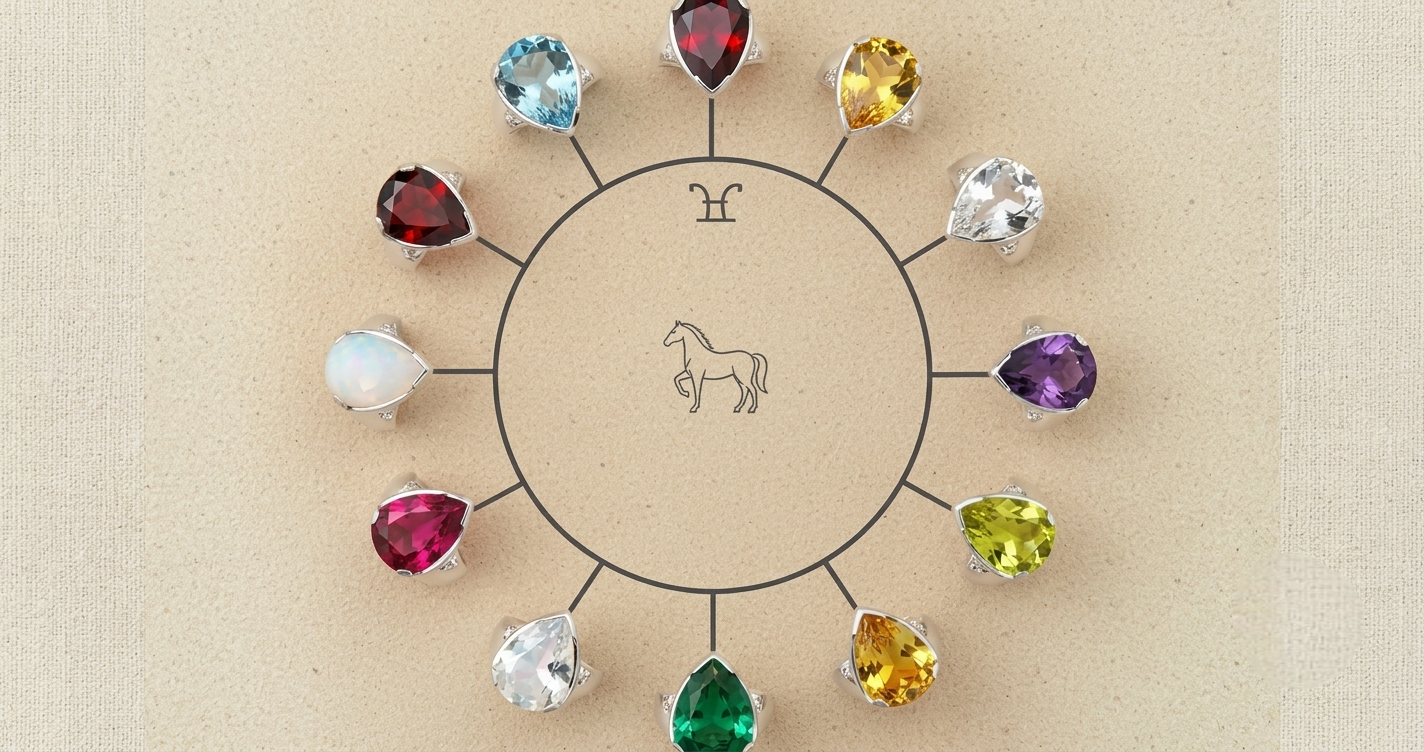
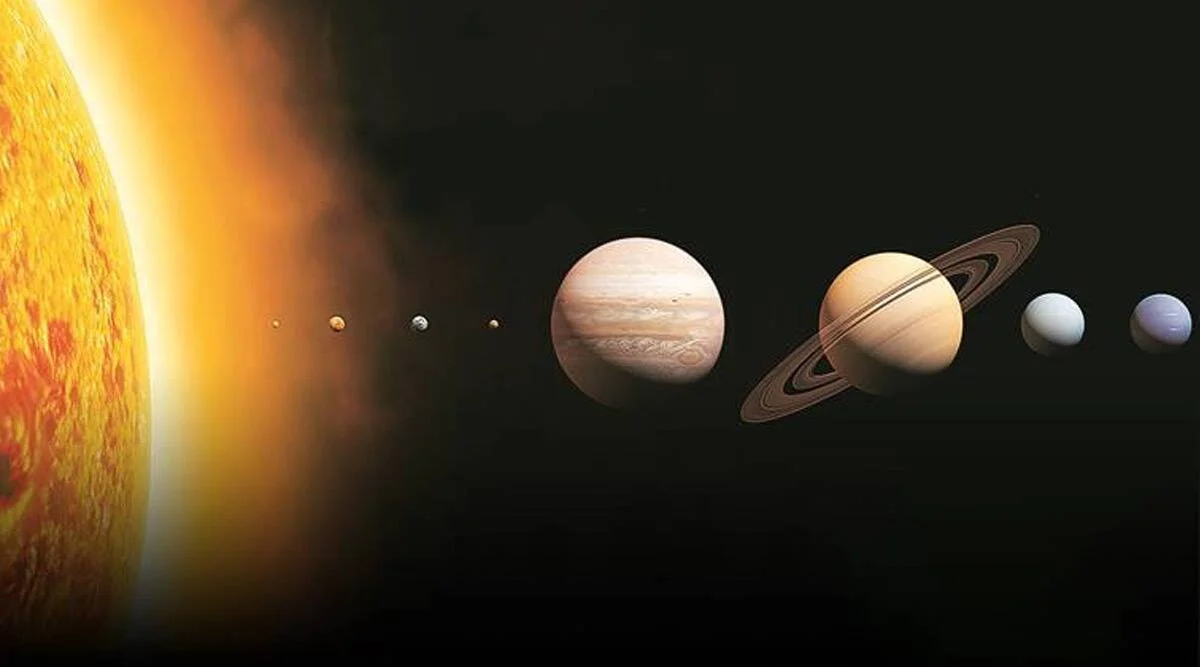
Gemstones have always held a special place in Indian astrology. Beyond their colour and beauty, certain gemstones are traditionally associated with the nine planets of Vedic astrology, or Navagraha. In 2026, interest in astrological gemstones continues to connect ancient traditions with modern jewellery preferences.
From radiant Ruby and calming Pearl to powerful Blue Sapphire and vibrant Emerald, every gemstone has its own planetary association and traditional significance. But there is an important point to remember: an astrological gemstone is not simply chosen because it looks beautiful or because it is associated with your zodiac sign.
According to traditional Vedic astrology, gemstone selection is generally personalised according to an individual's birth chart, planetary positions and other astrological factors.
So, which gemstones are commonly recommended by astrologers in 2026? Let's explore them one by one by this guide.
1. Ruby (Manik) – The Gemstone of the Sun
Ruby, traditionally known as Manik, is associated with the Sun or Surya in Vedic astrology. Its rich red colour makes it one of the most recognisable precious gemstones.
Traditionally, Ruby is connected with qualities such as confidence, leadership, vitality, authority and individuality. People interested in strengthening the traditional symbolism associated with the Sun often explore Ruby as an astrological gemstone.
Ruby is also a popular jewellery choice because its intense red colour can create a striking look in rings, pendants and other jewellery.
If you are considering this gemstone for astrology, explore GemRishi's Ruby (Manik) gemstone collection and make sure you understand its quality, origin and certification before purchasing.
2. Pearl (Moti) – Traditionally Associated With the Moon
Pearl, or Moti, is traditionally associated with the Moon or Chandra. Unlike most gemstones, Pearl is an organic gem, which gives it a distinctive character and appearance.
In Vedic astrology, Pearl is traditionally connected with the Moon's qualities, including emotional sensitivity, peace, nurturing energy and mental balance.
Its soft lustre also makes Pearl a timeless jewellery choice. Natural pearls can be worn in elegant necklaces, earrings, rings and pendants, making them suitable for both traditional and contemporary styles.
Before purchasing, it is useful to understand the differences between natural and cultured pearls, their origin, surface quality, shape and lustre.
3. Emerald (Panna) – The Gemstone of Mercury
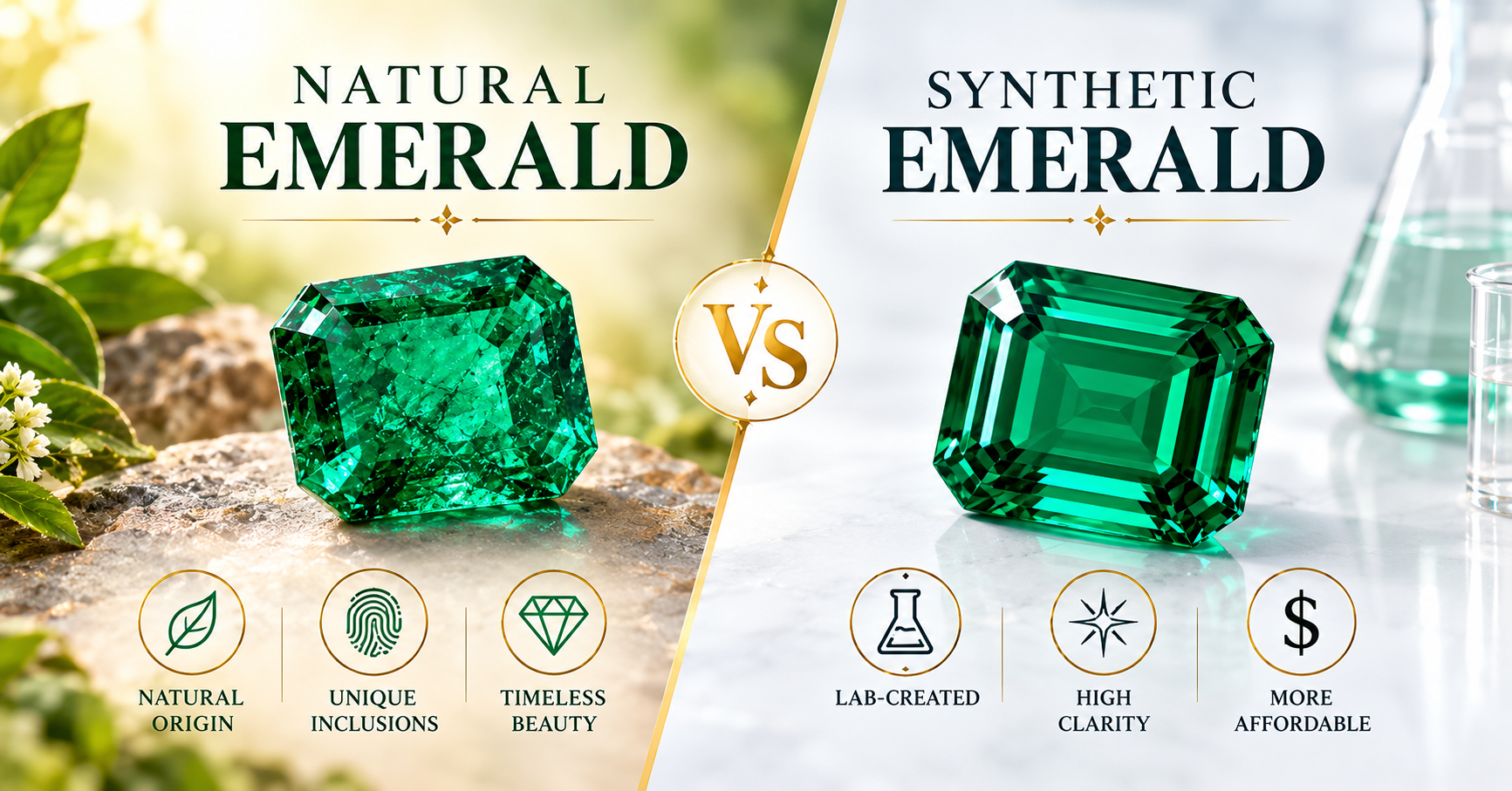
Emerald, known as Panna in India, is traditionally associated with Mercury or Budh. Its vivid green colour has made it one of the most sought-after gemstones for both jewellery lovers and astrology enthusiasts.
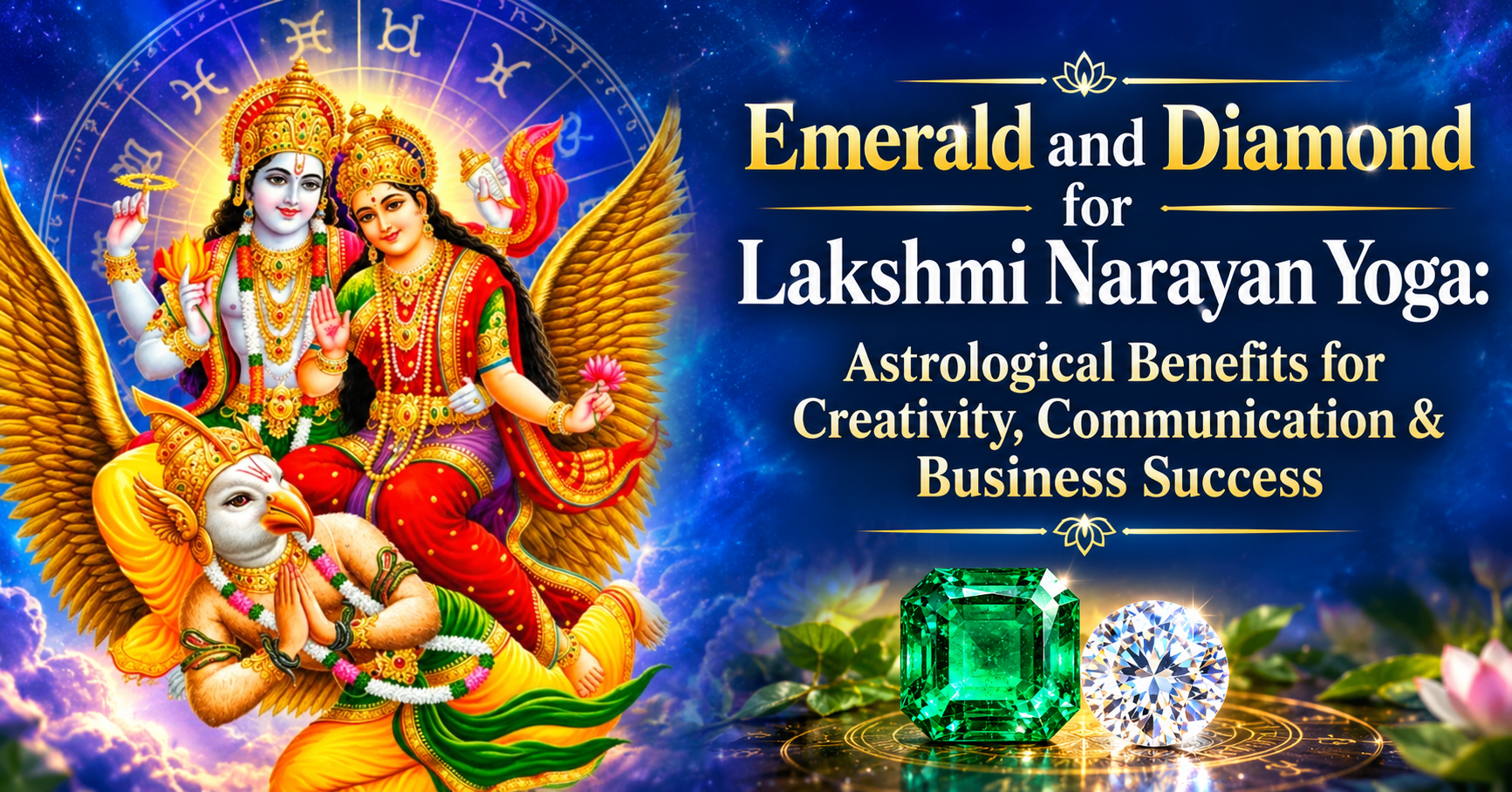
Mercury is traditionally associated with communication, intellect, learning, analytical thinking and business-related qualities. Because of these associations, Emerald is often considered by astrologers when Mercury is relevant in an individual's birth chart.
GemRishi also describes Emerald as traditionally connected with focus, communication and intellectual qualities.
If you are exploring this gemstone, you can browse GemRishi's Emerald gemstone collection and learn about factors such as colour, clarity, origin and treatment.
4. Yellow Sapphire (Pukhraj) – The Gemstone of Jupiter
Yellow Sapphire, commonly called Pukhraj, is traditionally associated with Jupiter or Guru. Its bright yellow-to-golden appearance gives it an instantly recognisable look.
In Vedic astrology, Jupiter is traditionally connected with wisdom, higher education, knowledge, prosperity, expansion, guidance and spiritual development.
Yellow Sapphire is particularly popular among people looking for a gemstone with strong traditional Jupiter symbolism. However, GemRishi's astrology guidance emphasises that Pukhraj should not automatically be selected simply because someone belongs to a particular zodiac sign. Astrologers may consider Jupiter's placement, strength, house ownership, aspects and dasha before recommending it.
For those researching the stone, GemRishi's Yellow Sapphire (Pukhraj) guide covers its traditional significance as well as identification and buying considerations.
5. Blue Sapphire (Neelam) – The Gemstone of Saturn
Blue Sapphire, or Neelam, is traditionally associated with Saturn or Shani. Known for its deep blue colour and exceptional hardness, it is one of the most fascinating gemstones in both gemology and Vedic astrology.
Saturn is traditionally associated with discipline, responsibility, patience, structure, perseverance and long-term effort.
Blue Sapphire is also a gemstone where personalised astrological advice is particularly important. Rather than choosing it solely because it is popular or because it is associated with a particular zodiac sign, traditional practitioners generally examine the complete birth chart.
GemRishi's Blue Sapphire collection can be explored alongside information about origin, quality and certification.
6. Red Coral (Moonga) – The Gemstone of Mars
Red Coral, known as Moonga, is traditionally associated with Mars or Mangal. Unlike Ruby, Emerald and Sapphire, Coral is an organic gemstone formed by marine organisms.
Its vivid red to reddish-orange colour gives jewellery a warm and distinctive appearance.
In traditional Vedic astrology, Mars represents qualities such as courage, energy, determination, physical strength and initiative. Red Coral is therefore often considered when Mars has a significant role in an individual's horoscope.
Because Coral is softer than many precious gemstones, proper care is also important if you choose it for everyday jewellery.
You can explore GemRishi's Red Coral gemstone collection to compare available varieties and qualities.
7. Hessonite (Gomed) – Traditionally Associated With Rahu
Hessonite Garnet, commonly known as Gomed, is traditionally associated with Rahu in Vedic astrology.
Its characteristic honey, cinnamon or brownish-orange appearance makes it visually different from many of the classic Navratna gemstones.
In traditional astrology, Rahu has associations with ambition, unconventional paths, material desires and sudden changes. Hessonite is therefore generally considered only after examining whether Rahu is suitable for an individual's chart.
For anyone considering Gomed, understanding its natural characteristics, treatment status and certification is just as important as its astrological association.
8. Cat's Eye (Lehsunia) – Traditionally Associated With Ketu
Cat's Eye, commonly known as Lehsunia or Lehsuniya, is traditionally associated with Ketu.
Its most distinctive feature is chatoyancy—a bright band of light that appears to move across the surface of the gemstone when it is viewed from different angles.
Ketu is traditionally associated with spirituality, detachment, intuition and unconventional experiences. As with Hessonite, Cat's Eye is generally considered an astrological gemstone that should be selected carefully rather than purely on appearance.
Before buying, pay attention to the sharpness and position of the cat's-eye effect, transparency, body colour and overall gemstone quality.
9. Diamond and White Sapphire – Venus-Associated Gemstones
Diamond is traditionally associated with Venus or Shukra and is well known for its brilliance, durability and luxury appeal.
Venus is traditionally connected with beauty, relationships, creativity, comfort, art and material refinement.
White Sapphire is also traditionally used in some astrological traditions as a gemstone associated with Venus. It can appeal to people who prefer a colourless gemstone but are exploring alternatives to Diamond.
However, Diamond and White Sapphire are not identical gemstones. Their optical properties, durability, rarity, appearance and market value can differ considerably.
If your primary purpose is astrology, it is sensible to establish suitability first rather than selecting a gemstone solely because it is associated with Venus.
Does Your Zodiac Sign Decide Which Gemstone You Should Wear?
This is one of the biggest questions people ask when researching astrological gemstones.
You may come across lists that connect specific gemstones with specific zodiac signs. Such lists can be useful as general educational references, but traditional Vedic gemstone selection can involve much more than a Sun sign.
An astrologer may consider your:
- Ascendant or Lagna
- Planetary positions
- Planetary strength
- House ownership
- Planetary aspects and conjunctions
- Mahadasha and Antardasha
- Overall birth-chart configuration
This is why two people born under the same zodiac sign may receive different gemstone recommendations. GemRishi similarly advises that zodiac sign alone should not be the only factor when selecting an astrological gemstone.
What Should You Check Before Buying an Astrological Gemstone?
Once you know which gemstone you are considering, don't rush straight to the price tag.
First, establish whether the stone is natural, synthetic or treated. Treatments can affect a gemstone's appearance and should be disclosed. GemRishi's guidance on natural versus heated gemstones explains why treatment status is an important consideration for buyers interested in astrological gemstones.
You should also check:
- Natural or synthetic status
- Treatment history
- Colour and clarity
- Carat or ratti weight
- Origin, where relevant
- Laboratory certification
- Durability
- Seller transparency
- Return or exchange terms
- Whether the gemstone is actually suitable for your astrological purpose
GemRishi's complete gemstone buying guide provides a useful checklist covering purpose, suitability, certification, treatment, origin, weight, durability and budget.
Why Certified Gemstones Matter in 2026
With so many gemstones available online, appearance alone is not enough to establish authenticity.
A gemstone can look beautiful in photographs while important details about its treatment, natural status or origin remain unclear. A reliable laboratory report can provide additional information about the stone and help buyers make a more informed decision.
GemRishi states that its gemstone offering includes laboratory certification and provides information about natural status and gemstone testing.
For astrology-focused buyers, certification can therefore be an important part of the purchasing process—not simply an optional extra.
Final Thoughts
The popularity of astrological gemstones continues in 2026 because these stones bring together several things people value: traditional symbolism, personal meaning, natural beauty and jewellery appeal.
Ruby, Pearl, Emerald, Yellow Sapphire, Blue Sapphire, Red Coral, Hessonite and Cat's Eye are among the classic gemstones associated with the Navagraha tradition, while Diamond and White Sapphire are traditionally connected with Venus.
But there is no universal gemstone that everyone should wear. If you are choosing a stone specifically for Vedic astrology, the more traditional approach is to begin with your birth chart and then consider gemstone quality, natural status, treatment and certification.
Whether you are attracted to the deep blue of Neelam, the vivid green of Panna or the warm golden glow of Pukhraj, take the time to understand the gemstone before making your choice. A well-informed purchase can make the experience much more meaningful—both as jewellery and as part of your personal astrological tradition.
Have Questions Regarding This Gemstone?
Connect 1-on-1 with GemRishi’s certified Vedic gemologists on WhatsApp for personalized birth chart recommendations, lab certificate verification, or custom jewelry quotes.
Gemrishi
Gemrishi is a certified gemologist and Vedic astrology scholar at GemRishi with over 15 years experience in natural gemstone origin authentication.