How to Tell If a Blue Sapphire Is Real or Fake?
How Can You Tell If a Blue Sapphire Is Real or Fake?
Blue Sapphire (Neelam) is one of the most popular precious gemstones. Its beautiful blue color, excellent durability, and astrological significance make it highly desirable. However, because of its popularity, synthetic and imitation stones are also available in the market.
If you are planning to buy a Blue Sapphire, knowing how to identify its authenticity can help you make a more informed decision. Checking its color, clarity, natural inclusions, treatment, and certification can help distinguish a genuine gemstone from an imitation.
Before purchasing, always choose a trusted gemstone seller and look for proper gemstone certification to ensure that you are investing in an authentic Blue Sapphire.
What Is a Blue Sapphire?
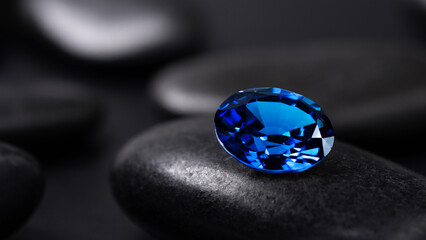
Blue Sapphire is a variety of the mineral corundum and gets its blue color mainly from trace elements such as iron and titanium. With a hardness of 9 on the Mohs scale, it is one of the most durable natural gemstones.
Natural Blue Sapphires can differ in color, clarity, origin, inclusions, and treatment.
Explore the GemRishi Blue Sapphire Collection to learn more about Blue Sapphire gemstones.
How to Identify a Real Blue Sapphire
1. Examine the Color
A genuine Blue Sapphire usually has a natural and attractive blue color with depth. Its color can range from light blue to deep blue depending on its quality and origin.
An extremely uniform or unusually vivid appearance does not automatically mean that the gemstone is fake, but it may require professional examination.
2. Look for Natural Inclusions
Natural Blue Sapphires commonly contain tiny internal characteristics known as inclusions. These can sometimes be seen using a jeweler's loupe or microscope.
However, inclusions alone cannot confirm that a sapphire is natural because synthetic sapphires can also contain internal characteristics.
3. Check for Air Bubbles
Round gas bubbles inside a blue gemstone can sometimes indicate glass or another imitation material.
This can be a useful initial observation, but it should not be considered a conclusive authenticity test.
4. Avoid Scratch Tests
Sapphire has a hardness of 9 on the Mohs scale, but deliberately scratching the gemstone is not recommended. Scratch tests can damage the stone or its setting and do not provide a reliable way to determine whether it is natural.
5. Check for Treatments
A Blue Sapphire can be completely genuine and still have undergone treatment. Heat treatment is commonly used in the gemstone industry to improve a sapphire's color and clarity.
Therefore, always ask whether the Blue Sapphire is natural, synthetic, or treated before making a purchase.
Natural vs Synthetic vs Imitation Blue Sapphire
Understanding the difference between these terms is important:
Natural Blue Sapphire: A sapphire that formed naturally within the earth.
Synthetic Sapphire: A laboratory-created sapphire that has essentially the same chemical composition and crystal structure as natural sapphire but was not naturally formed.
Imitation: A different material, such as glass, that is made to resemble a Blue Sapphire.
A gemstone may look beautiful but still require professional testing to determine its exact identity.
The Most Reliable Way to Verify a Blue Sapphire
The most reliable way to confirm a Blue Sapphire's authenticity is through a reputable gemological laboratory certificate.
A professional laboratory can examine the gemstone and provide important information about whether it is natural or synthetic and whether detectable treatments are present.
For certified gemstone options, visit GemRishi and explore its range of certified gemstones.
What to Check Before Buying a Blue Sapphire
Before purchasing a Blue Sapphire, consider the following:
- Check the gemstone's color and clarity.
- Ask whether the stone is natural or synthetic.
- Check whether the gemstone has undergone any treatment.
- Request a reputable laboratory certificate.
- Buy from a trusted and established gemstone seller.
- Check the seller's return and exchange policy.
- Make sure the gemstone details match the information provided on the certificate and invoice.
You can also explore the GemRishi Blue Sapphire Collection for Blue Sapphire options.
Why Blue Sapphire Certification Matters
Blue Sapphire can be a valuable gemstone, and its price depends on several factors, including color, clarity, carat weight, origin, and treatment.
A laboratory certificate provides important information that cannot always be determined simply by looking at the gemstone. It helps verify the gemstone's authenticity and provides greater confidence when making a purchase.
If you are looking for certified gemstones, explore GemRishi Certified Gemstones for more information.
Final Thoughts
Identifying a real Blue Sapphire is not always possible through visual inspection alone. Color, clarity, and inclusions can provide useful clues, but professional gemological testing and a reliable certificate are the safest ways to verify authenticity.
When buying a Blue Sapphire, look beyond its appearance and consider its natural status, treatment, certification, and seller credibility.
For more information about Blue Sapphire and other precious gemstones, visit the GemRishi official website.
Have Questions Regarding This Gemstone?
Connect 1-on-1 with GemRishi’s certified Vedic gemologists on WhatsApp for personalized birth chart recommendations, lab certificate verification, or custom jewelry quotes.
Gemrishi
Gemrishi is a certified gemologist and Vedic astrology scholar at GemRishi with over 15 years experience in natural gemstone origin authentication.