Gemological Characteristics of Morganite: A Complete Guide to Its Properties
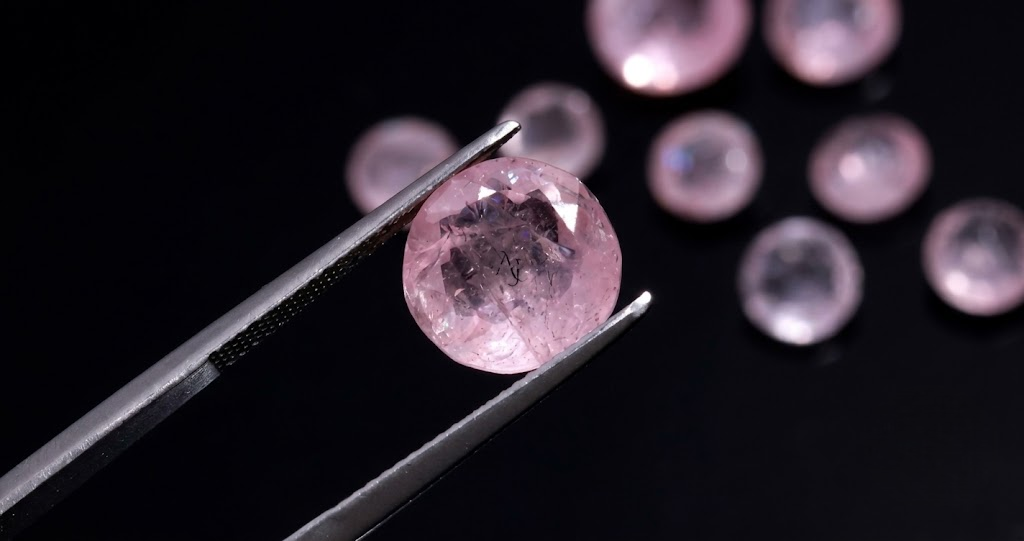
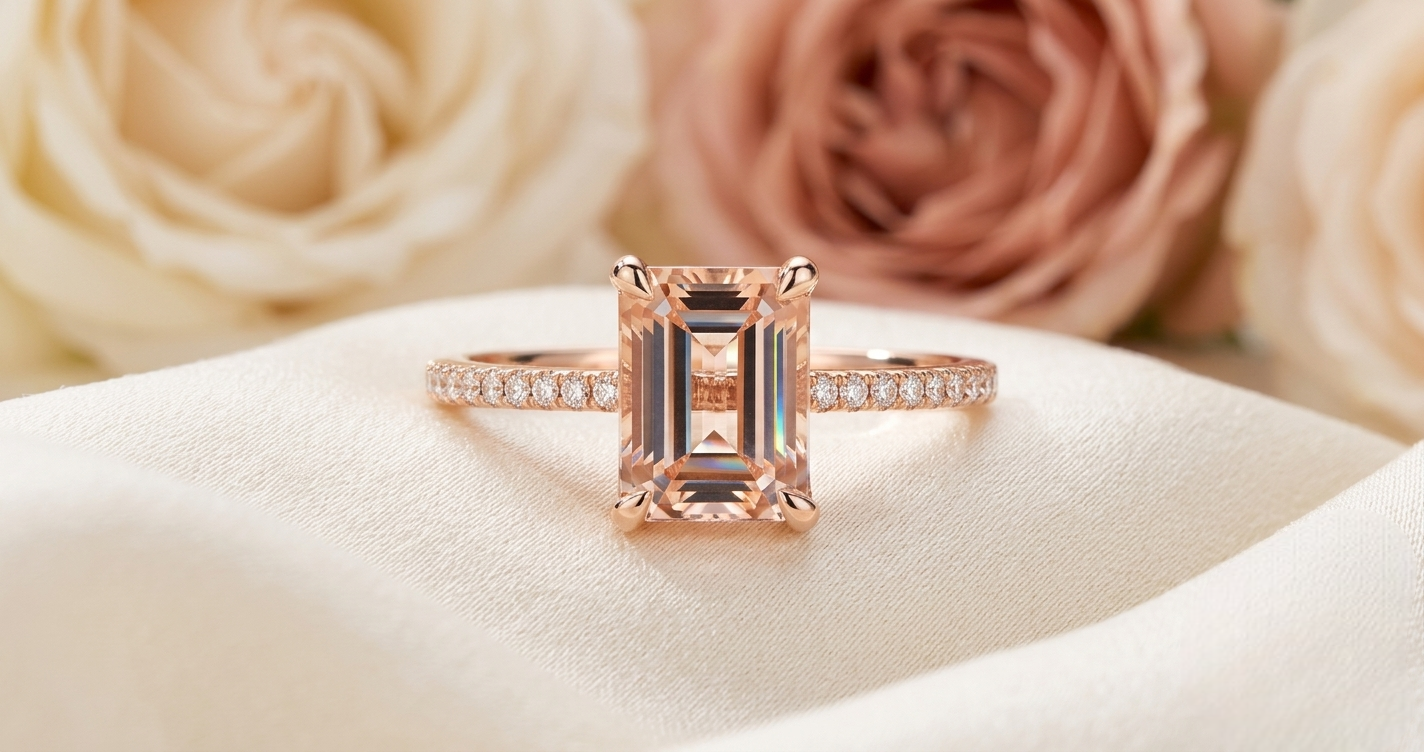
Morganite is a beautiful pink to peach-colored gemstone .It is known for its soft glow and elegant appearance. A natural Morganite Stone is valued for its clarity, romantic color, and delicate beauty. It is often associated with love, emotional healing, and harmony in relationships, making it a popular choice for meaningful jewelry. Morganite Gemstone is widely used in fine jewelry, especially rings, due to its soft pastel tones and elegant charm. Explore our collection of authentic Morganite stones, carefully selected for quality and natural beauty.
Understanding the gemological characteristics of Morganite is important when evaluating its authenticity, quality, appearance, and suitability for jewelry. Key properties include its chemical composition, color, hardness, refractive index, specific gravity, crystal system, clarity, and pleochroism.
This guide is all about the gemological characteristics of MORGANITE gemstone. Let's have a look for a detailed beautiful article on this gemstone.
What Is Morganite?
Morganite is a variety of the mineral beryl, the same mineral family that includes emerald and aquamarine. Its pink, peach, and salmon hues are primarily associated with trace amounts of manganese within the beryl crystal structure.
Morganite is generally valued for its attractive pastel colors and transparent appearance. Its relatively high hardness also makes it suitable for many types of jewelry when properly cared for.
Morganite Color
Color & looks are one of the most important characteristics when evaluating Morganite. It commonly occurs in shades such as:
- Light pink
- Peach
- Salmon
- Pinkish-orange
- Rose-pink
The intensity and distribution of color can vary between individual gemstones. More attractive and evenly distributed color is generally preferred in fine-quality Morganite.
Morganite can sometimes have a very light body color. Cutting and lighting conditions can influence how its color appears, so gemstones should ideally be evaluated under suitable lighting.
Morganite Chemical Composition
The chemical formula of Morganite is:
Be₃Al₂Si₆O₁₈
It is a beryllium aluminium silicate mineral and belongs to the hexagonal crystal system. Trace elements, particularly manganese, contribute to the pink to peach coloration characteristic of Morganite.
Chemical composition is one of the fundamental properties used by gemologists to classify Morganite and distinguish it from other gemstones with similar colors.
Morganite Hardness
Morganite has a hardness of approximately 7.5–8 on the Mohs scale.
This level of hardness provides Morganite with good resistance to scratching and makes it appropriate for many jewelry applications. However, hardness does not mean that the gemstone is completely resistant to damage.
Morganite jewelry should still be protected from strong impacts, abrasive materials, and harsh chemicals. Proper storage and regular cleaning can help maintain the gemstone's appearance.
Morganite Refractive Index
The refractive index (RI) of Morganite is generally around 1.57–1.59.
Refractive index is an important gemological property because it describes how light travels through the gemstone ,also it is the main reason for brilliance and how gemstone looks. Gemologists can use RI measurements as part of the identification process.
Along with other characteristics such as specific gravity, birefringence, inclusions, and optical behavior, refractive index helps distinguish Morganite from visually similar gemstones.
Morganite Birefringence
As a birefringent gemstone, Morganite can show a difference between its two refractive indices. Its birefringence is generally around 0.005–0.007.
This optical characteristic is useful during professional gemological examination and can provide additional information when identifying a gemstone.
Morganite Specific Gravity
Morganite generally has a specific gravity of approximately 2.71–2.90.
Specific gravity measures the density of a gemstone relative to water. Gemologists can use this property together with refractive index and other tests to help identify Morganite.
Variations can occur depending on the individual gemstone and its composition, so professional identification normally relies on a combination of gemological characteristics rather than a single test.
Morganite Crystal System
Morganite belongs to the hexagonal crystal system.
Its crystal structure is shared with other members of the beryl family. Natural Morganite crystals can occur in elongated crystal forms, although gemstones used in jewelry are commonly fashioned into faceted cuts designed to enhance their color, transparency, and brilliance.
The relationship between crystal structure and optical properties is an important part of professional gemstone identification.
Morganite Clarity
Clarity refers to the presence, size, position, and visibility of internal characteristics or inclusions within a gemstone.
Morganite can occur with relatively good transparency, and eye-clean stones are often desirable for jewelry. Some natural stones may contain inclusions that become visible under magnification.
When purchasing Morganite, clarity should be considered together with color, cut, carat weight, and overall appearance. A gemstone with good transparency and an attractive, evenly distributed color can have strong visual appeal.
Morganite Luster and Transparency
Morganite typically displays a vitreous luster, meaning its polished surface can have a glass-like appearance.
It can range from transparent to translucent, with transparent material generally being more suitable for faceted gemstones intended to display strong visual clarity.
The quality of polishing and the gemstone's cut can also influence how effectively it reflects and returns light.
Morganite Pleochroism
Morganite may display weak to moderate pleochroism, meaning slightly different colors or color intensities can be observed when the gemstone is viewed from different directions.
Pleochroism is an optical characteristic that can be examined by gemologists using appropriate methods. Cutting orientation can influence how the gemstone's color is presented in finished jewelry.
Morganite Treatments
Like many colored gemstones, Morganite may undergo treatment to modify or improve its appearance. Heat treatment is known in the trade for some Morganite material and may be used to influence color.
Treatment disclosure is important when purchasing a gemstone. Buyers should ask about any known treatments and, for higher-value gemstones, consider obtaining appropriate gemological documentation or certification.
A reputable gemstone seller should provide clear product information rather than making unsupported claims about treatment status or origin.
Major Sources of Morganite
Morganite has been found in several locations around the world. Important sources and reported occurrences include:
- Brazil
- Madagascar
- Mozambique
- Afghanistan
- United States
- Other pegmatite regions
The origin of a gemstone can sometimes influence its market appeal, but origin should not be assumed solely from appearance. Establishing geographic origin may require advanced laboratory testing.
How Is Natural Morganite Identified?
Identifying Morganite accurately requires more than simply looking at its color. Professional gemological identification may consider:
- Refractive index
- Specific gravity
- Crystal system
- Birefringence
- Pleochroism
- Internal inclusions
- Optical characteristics
- Chemical composition
- Spectroscopic features
For valuable gemstones, laboratory examination can provide greater confidence regarding identity and, where supported by testing, treatment or origin.
When buying a natural Morganite gemstone, customers should choose a seller that provides accurate product descriptions and appropriate certification where applicable.
Morganite for Jewelry
With a Mohs hardness of 7.5–8, Morganite is suitable for a variety of jewelry designs. It is commonly used in:
- Morganite rings
- Morganite earrings
- Morganite pendants
- Morganite bracelets
- Custom gemstone jewelry
Morganite should be protected from hard knocks and prolonged exposure to harsh chemicals. For routine cleaning, gentle cleaning methods are generally preferable. Store Morganite separately from harder gemstones to reduce the possibility of surface scratching.
Factors to Consider When Buying Morganite
When purchasing Morganite, consider the following characteristics:
1. Color: Look for an attractive and evenly distributed pink, peach, or salmon color.
2. Clarity: Transparent and eye-clean stones are generally desirable for jewelry.
3. Cut: A well-proportioned cut can improve brilliance and overall appearance.
4. Carat Weight: Larger Morganite gemstones can offer a stronger visual presence, but size should be evaluated alongside color and clarity.
5. Treatment: Ask whether the gemstone has undergone any known treatment.
6. Certification: For significant purchases, a suitable gemological certificate can provide additional information about the gemstone.
Buy Morganite Gemstones from Gemrishi
Choosing the right Morganite involves evaluating its color, clarity, cut, carat weight, authenticity, and gemological properties. At Gemrishi, customers can explore gemstone options with product information designed to help them make an informed purchase.
For customers looking for natural Morganite gemstones, explore the Morganite collection on Gemrishi and review the available gemstone details before purchasing. Gemrishi locations are available for customers who prefer to visit a showroom.
Frequently Asked Questions About Morganite
Is Morganite a real gemstone?
Yes. Morganite is a recognized gemstone variety of beryl and is valued for its pink, peach, and salmon colors.
What is the hardness of Morganite?
Morganite has a Mohs hardness of approximately 7.5–8, giving it good durability for many jewelry applications.
What is the chemical formula of Morganite?
The chemical formula of Morganite is Be₃Al₂Si₆O₁₈.
What colors does Morganite come in?
Morganite is commonly found in pink, peach, salmon, and pinkish-orange shades.
Is Morganite suitable for rings?
Yes. Its hardness of 7.5–8 makes it suitable for rings, although reasonable care should be taken to protect it from strong impacts and scratches.
Is Morganite treated?
Some Morganite may undergo heat treatment to modify its color. Buyers should check the seller's treatment disclosure and certification information.
Where is Morganite found?
Important Morganite sources include Brazil, Madagascar, Mozambique, Afghanistan, and other locations associated with beryl-bearing pegmatites.
Conclusion
The gemological characteristics of Morganite make it an interesting and commercially valuable gemstone. Its pink to peach color, beryl composition, 7.5–8 Mohs hardness, approximately 1.57–1.59 refractive index, vitreous luster, and hexagonal crystal system are among its key identifying properties.
When selecting Morganite, evaluate its color, clarity, cut, carat weight, treatment status, and certification rather than relying on appearance alone. Understanding these properties can help buyers choose a gemstone that matches their jewelry requirements and expectations.
Morganite has a hardness of approximately 7.5–8 on the Mohs scale.
This level of hardness provides Morganite with good resistance to scratching and makes it appropriate for many jewelry applications. However, hardness does not mean that the gemstone is completely resistant to damage.
Morganite jewelry should still be protected from strong impacts, abrasive materials, and harsh chemicals. Proper storage and regular cleaning can help maintain the gemstone's appearance.
Have Questions Regarding This Gemstone?
Connect 1-on-1 with GemRishi’s certified Vedic gemologists on WhatsApp for personalized birth chart recommendations, lab certificate verification, or custom jewelry quotes.
Gemrishi
Gemrishi is a certified gemologist and Vedic astrology scholar at GemRishi with over 15 years experience in natural gemstone origin authentication.