Blue Sapphire vs Tanzanite: Beauty, Durability, Meaning & Value Compared
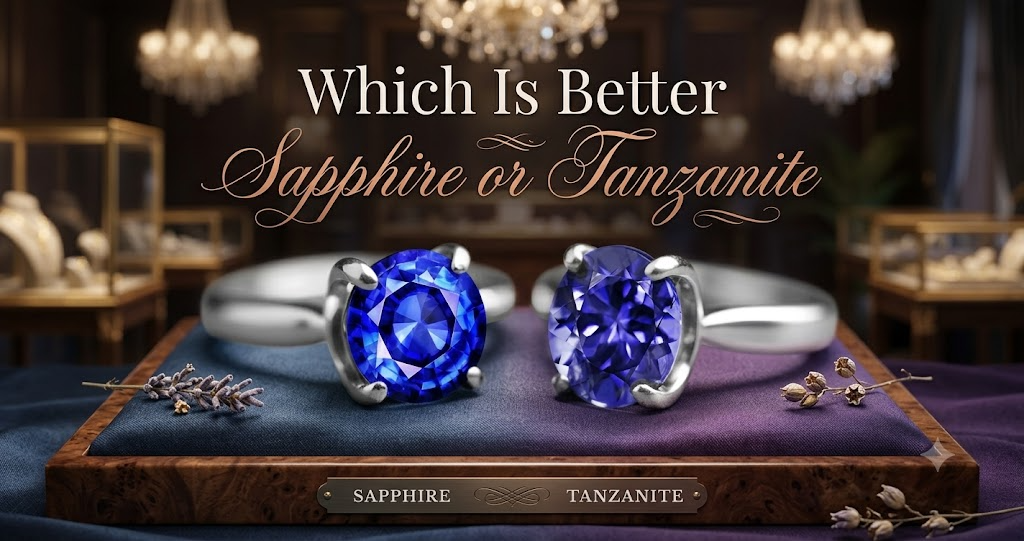
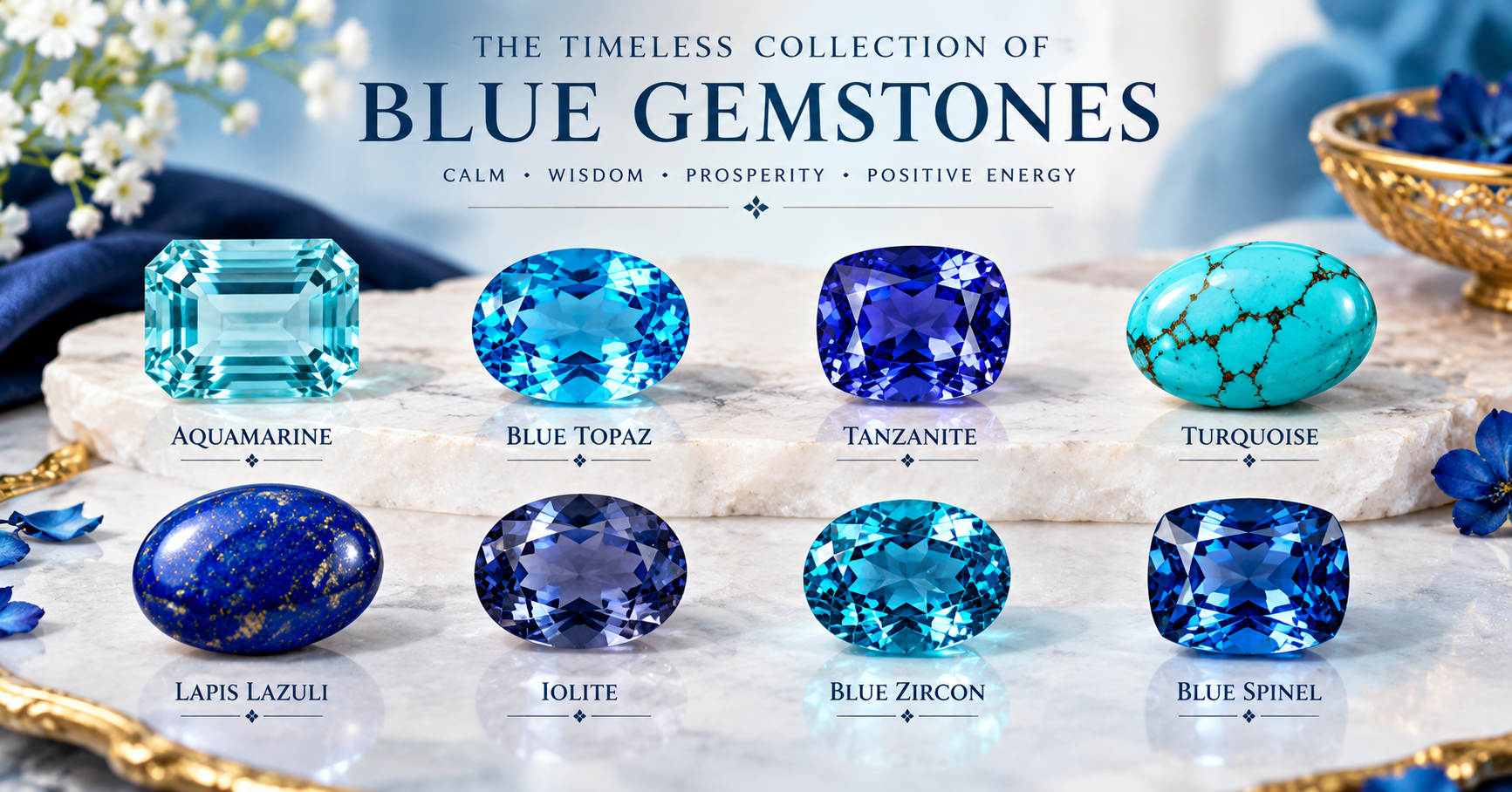
Blue Sapphire and Tanzanite are two of the most attractive gemstone choices for anyone drawn to elegant shades of blue. Blue Sapphire is admired for its rich, classic blue color and exceptional durability, while Tanzanite stands out with its beautiful blue-violet tones and fascinating color-changing effect. Both gemstones can add sophistication and character to jewelry, but each has its own distinct personality. Sapphire is known for its strength, making it well suited to everyday wear, whereas Tanzanite's softer nature makes it better suited to carefully worn statement pieces. Their rarity, color, and individual characteristics also influence their value and appeal. Whether you prefer Sapphire's timeless elegance or Tanzanite's exotic blue-violet beauty, both offer a unique way to bring the charm of blue gemstones into your jewelry collection.
What Is Blue Sapphire?
Blue Sapphire is the blue variety of corundum, the same mineral family as ruby. It is highly known for its rich color, durability, and association with wisdom, protection, loyalty, and royalty.
The appearance and value of a Blue Sapphire depend on factors such as color, saturation, clarity, cut, carat weight, origin, and treatment. Fine sapphires are generally valued for their strong, vivid blue to violetish-blue color.
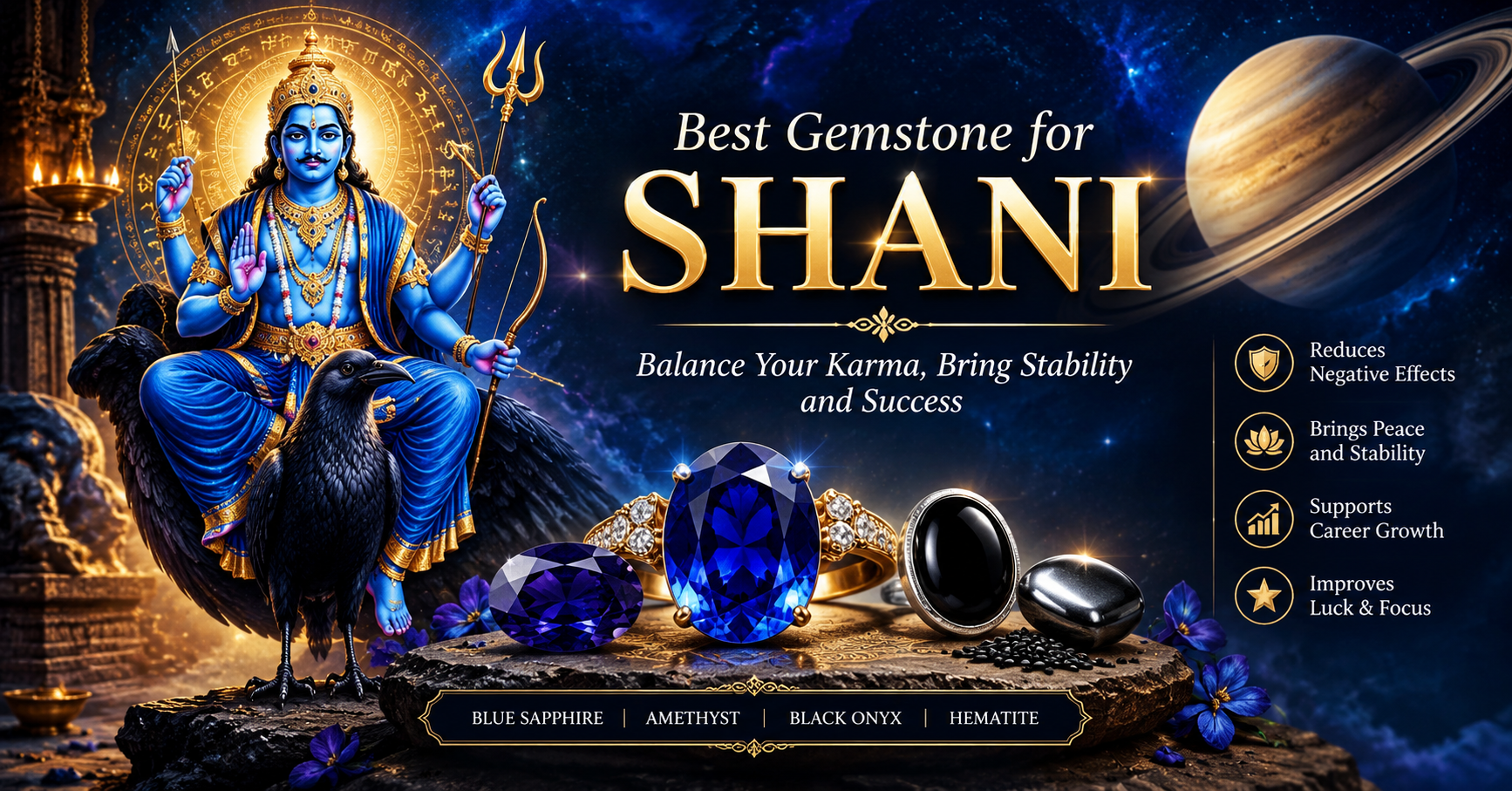
Blue Sapphire also has an important place in Vedic astrology, where it is traditionally associated with Shani (Saturn). Because of this, people choosing a Neelam for astrological purposes often consider factors beyond appearance.
Explore the GemRishi Blue Sapphire (Neelam) Collection to discover Blue Sapphire gemstones suitable for different preferences and purposes.
What Is Tanzanite?
Tanzanite is a blue-to-violet variety of zoisite and is known for its extremely limited geographic source.It is found in limited amount that is it is rated more.
Commercial Tanzanite comes from the Merelani area of northern Tanzania, making its origin a major part of its appeal. The gemstone was discovered in 1967 and later became known as Tanzanite through its association with Tiffany & Co.
One of Tanzanite's most beautiful features is pleochroism. Depending on the viewing direction, it can display blue, violet, or bluish-violet colors.
This gives Tanzanite a dynamic appearance that can look different as the gemstone moves in the light.
For its symbolism and modern astrological associations, explore GemRishi's Tanzanite in Astrology: Benefits, Meaning & Who Should Wear It.
Blue Sapphire vs Tanzanite: Beauty and Color
Blue Sapphire: Classic and Timeless
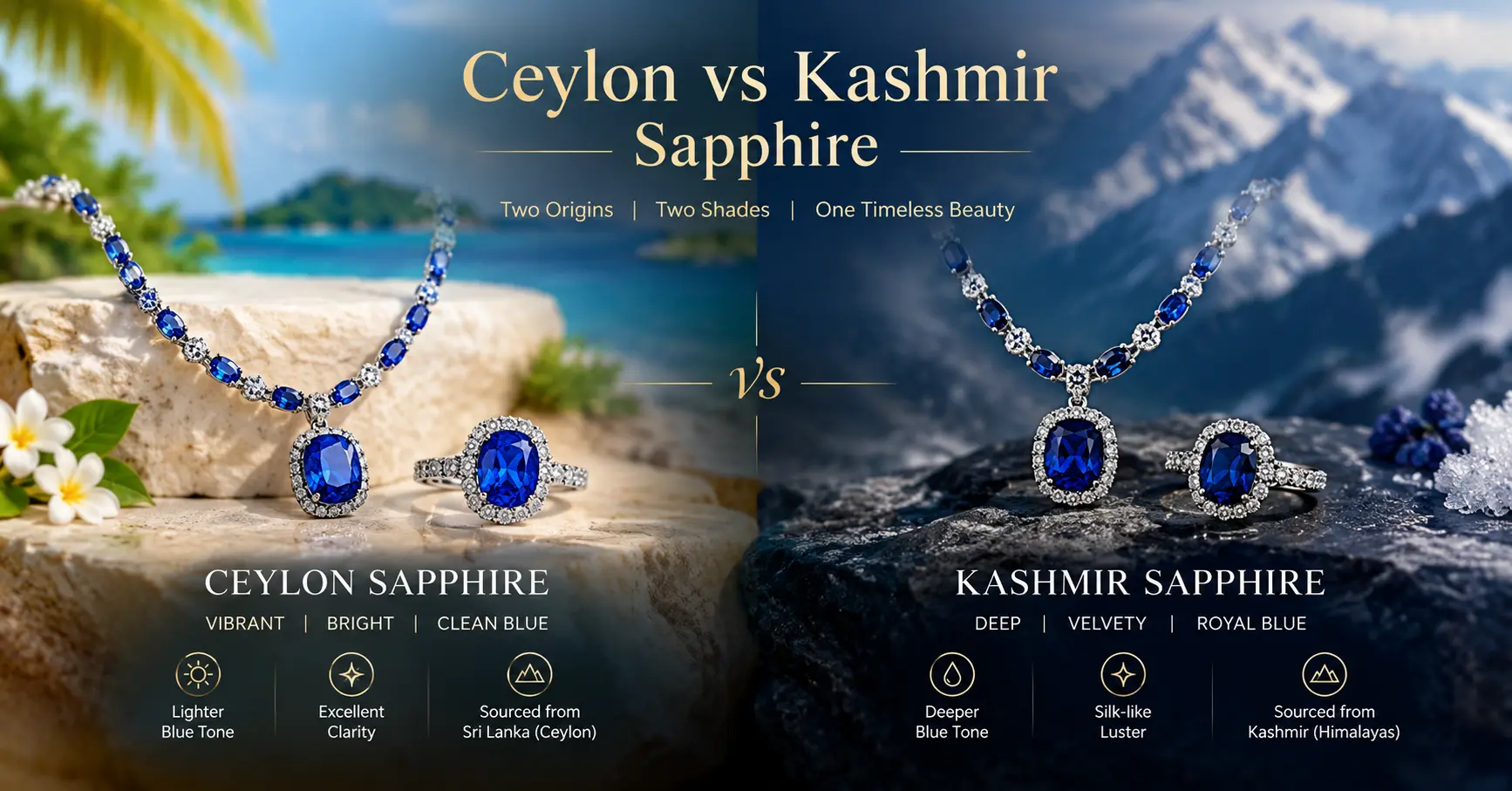
Blue Sapphire is best known for its rich, sophisticated blue. Depending on the stone, its color can range from lighter blue to intense royal or velvety blue.
Its classic appearance makes it a versatile gemstone for both traditional and contemporary jewelry.
Tanzanite: Blue With a Violet Character
Tanzanite offers something more unusual. Its blue-violet color and strong pleochroism create noticeable variation depending on the viewing angle.
Simply put:
- Choose Blue Sapphire for a timeless, rich blue.
- Choose Tanzanite if you love blue with violet tones and changing color character.
Durability: Blue Sapphire Wins
Durability is especially important if you're choosing a gemstone for an everyday ring.
Blue Sapphire ranks 9 on the Mohs hardness scale, making it one of the hardest gemstones commonly used in jewelry. It also has excellent toughness and no cleavage, which makes it well suited to frequent wear.
Tanzanite ranks 6–7 on the Mohs scale and has fair to poor toughness with cleavage. It therefore needs more care, particularly when worn in rings.
Tanzanite is often better suited to:
- Pendants
- Earrings
- Special-occasion rings
- Occasional-wear jewelry
For an everyday ring, Blue Sapphire has a clear practical advantage.
Rarity: Different Reasons to Be Rare
Blue Sapphire is found in several parts of the world, including Sri Lanka, Madagascar, and Myanmar. However, fine sapphires with exceptional color, clarity, origin, and desirable treatment characteristics can be extremely rare.
Tanzanite has a different story. Its commercial source is geographically restricted to northern Tanzania.
So, while exceptional Blue Sapphire can command significant value because of its quality and characteristics, Tanzanite's appeal is strongly connected to its limited geographic origin.
Meaning and Symbolism
Blue Sapphire Meaning
Blue Sapphire has traditionally been associated with:Wisdom, Loyality, Protection,Discipline, clarity, Inner Strength.
In Vedic astrology, Neelam is traditionally connected with Saturn and is associated with qualities such as discipline, responsibility, patience, and transformation.
These are traditional beliefs and should not be considered scientifically proven effects.
You can learn more through GemRishi's [Blue Sapphire (Neelam) guide].
Tanzanite Meaning
Tanzanite is commonly associated with:Transformatin ,Intution , Spiritual awareness, Calmness, Personal growth, New Beginnings,
Because Tanzanite is a relatively modern gemstone, its symbolic traditions are newer than those surrounding Sapphire.
Blue Sapphire vs Tanzanite in Astrology
This is an important distinction.
Blue Sapphire has a long-established role in traditional Vedic gemstone practices. It is associated with Saturn and is one of the important Navratna gemstones.
Tanzanite does not have the same classical position in traditional Vedic astrology. Modern spiritual practices may give it various planetary or symbolic associations, but these should not be confused with the traditional status of Blue Sapphire.
Therefore, if astrology is your primary reason for purchasing a gemstone, Blue Sapphire and Tanzanite should not be treated as interchangeable alternatives simply because both are blue.
GemRishi's [complete gemstone buying guide] can also help you understand factors such as purpose, quality, certification, treatment, durability, and budget.
Price and Value: Which Is More Valuable?
There is no simple answer to whether Blue Sapphire or Tanzanite is more expensive.
Deep blue and violet-blue colors generally attract greater interest.
Most Tanzanite available today is heat-treated, which is a widely accepted treatment used to enhance its blue and violet colors.
Rather than asking which gemstone is automatically more expensive, compare stones based on quality, treatment, certification, and overall appearance.
Treatment: What Buyers Should Know
Gemstone treatment isn't necessarily a negative. What matters is transparency.It is one of the important measure before buying.
Heat treatment is common in Blue Sapphire and is an accepted industry practice. Other treatments, including diffusion, can also be encountered.
Tanzanite is also commonly heat-treated to enhance its attractive blue-to-violet colors.
Before purchasing either gemstone, ask whether it is natural, laboratory-grown, heated, diffused, coated, or otherwise treated.
GemRishi also explores [untreated vs heated gemstones] and why treatment disclosure and certification matter.
Which Is Better for Everyday Jewelry?
Choose Blue Sapphire if you want:
- Excellent durability
- A classic blue appearance
- An everyday ring gemstone
- Traditional Vedic astrological significance
- Timeless versatility
Choose Tanzanite if you want:
- A distinctive blue-violet appearance
- Strong pleochroism
- A gemstone from a highly restricted geographic source
- Something less conventional than Sapphire
- A statement piece or special-occasion gemstone
How to Choose the Right Gemstone
Whichever gemstone you prefer, don't judge it only by a photograph.
Before buying, consider:
1. Authenticity: Choose a reliable gemstone and request appropriate certification for significant purchases.
2. Treatment: Understand whether the gemstone has been heated, diffused, coated, or otherwise treated.
3. Color: Look at hue, saturation, tone, and how the gemstone performs under different lighting.
4. Jewelry type: A gemstone for an everyday ring requires different durability considerations than one for earrings or a pendant.
5. Overall value: A larger gemstone isn't automatically a better gemstone. Cut, color, clarity, treatment, and certification all matter.
Explore Natural Gemstones with GemRishi
Choosing a gemstone becomes easier when you understand its quality, purpose, and characteristics.
At GemRishi, you can explore natural gemstones with a focus on authenticity, certification, craftsmanship, and traditional gemstone knowledge.
If you're interested in Blue Sapphire, explore the Blue Sapphire (Neelam) collection and learn more about selecting a gemstone based on quality and purpose.
You can also explore GemRishi's Tanzanite astrology guide to learn more about this distinctive blue-violet gemstone.
Final Thoughts
Blue Sapphire and Tanzanite may share the same captivating blue spectrum, but they offer very different experiences.
Blue Sapphire combines durability, timeless beauty, rarity, and deep-rooted astrological significance, while Tanzanite stands out for its blue-violet color, pleochroism, limited origin, and modern appeal.
If you want a gemstone for an everyday ring, Blue Sapphire is difficult to beat.
If you want something unusual and expressive for special occasions, Tanzanite deserves a closer look.
Ultimately, the best gemstone is the one that matches your style, purpose, budget, and expectations. Focus on authenticity, quality, treatment disclosure, certification, and durability before making your choice.
Have Questions Regarding This Gemstone?
Connect 1-on-1 with GemRishi’s certified Vedic gemologists on WhatsApp for personalized birth chart recommendations, lab certificate verification, or custom jewelry quotes.
Gemrishi
Gemrishi is a certified gemologist and Vedic astrology scholar at GemRishi with over 15 years experience in natural gemstone origin authentication.