Amethyst Side Effects: What You Should Know Before Wearing This Stone
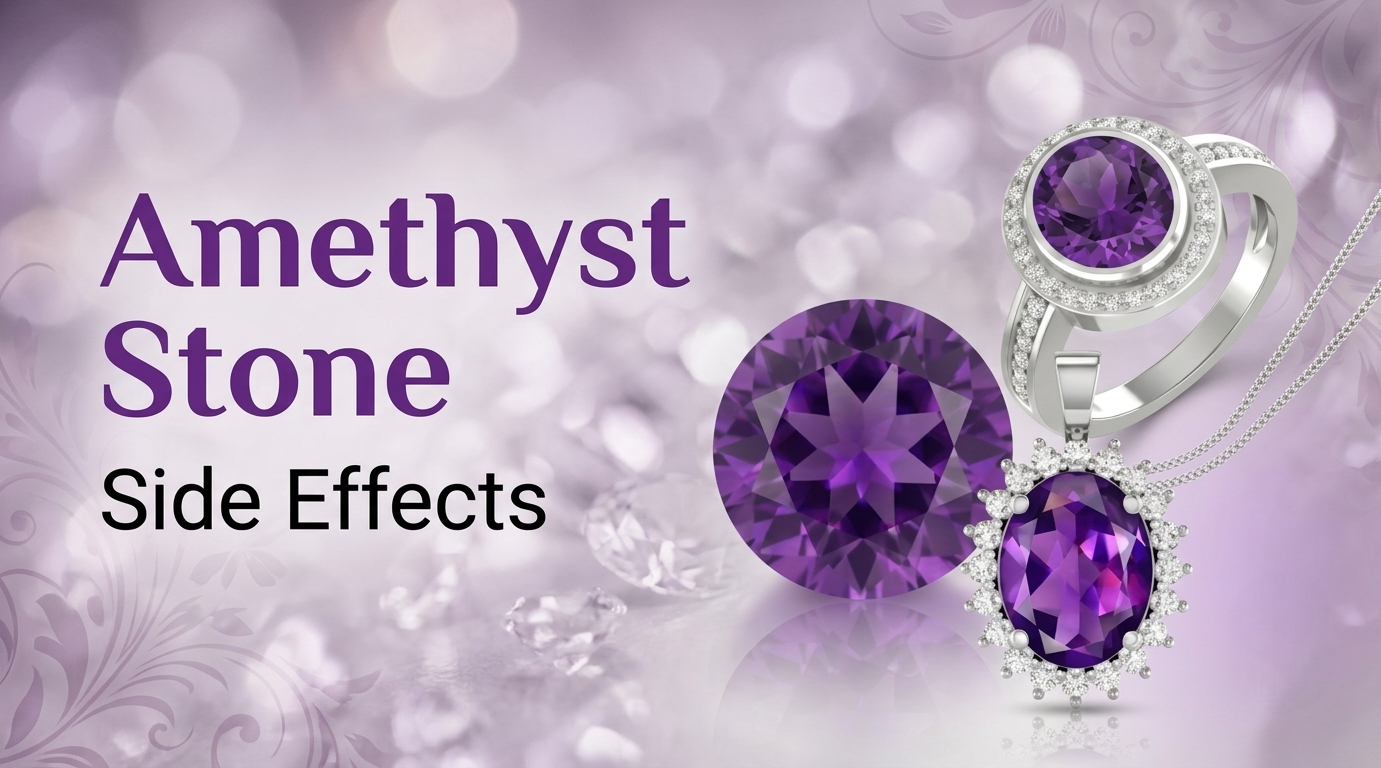
Amethyst Side Effects: What You Should Know Before Wearing This Stone
Amethyst, also known as Jamunia or Katela, is a beautiful purple variety of quartz that has been admired for centuries for its color, symbolism, and spiritual associations. In Vedic astrology and crystal traditions, Amethyst is commonly associated with Saturn (Shani) and is often considered a gentler alternative to Blue Sapphire (Neelam).
Many people wear Amethyst for its traditionally associated qualities such as calmness, focus, discipline, meditation, and spiritual awareness. However, one question often comes up before wearing it:
Can Amethyst have side effects?
The answer depends on how you look at the gemstone. From a scientific perspective, there is no established evidence that simply wearing Amethyst causes physical or astrological side effects. In Vedic astrology, however, gemstones are traditionally believed to strengthen planetary influences, so astrologers often recommend checking a person's birth chart before wearing a gemstone for astrological purposes.
This guide explains the commonly discussed Amethyst side effects, who should be cautious, how to wear the stone responsibly, and how to distinguish traditional astrological beliefs from scientifically established facts.
What Is Amethyst?
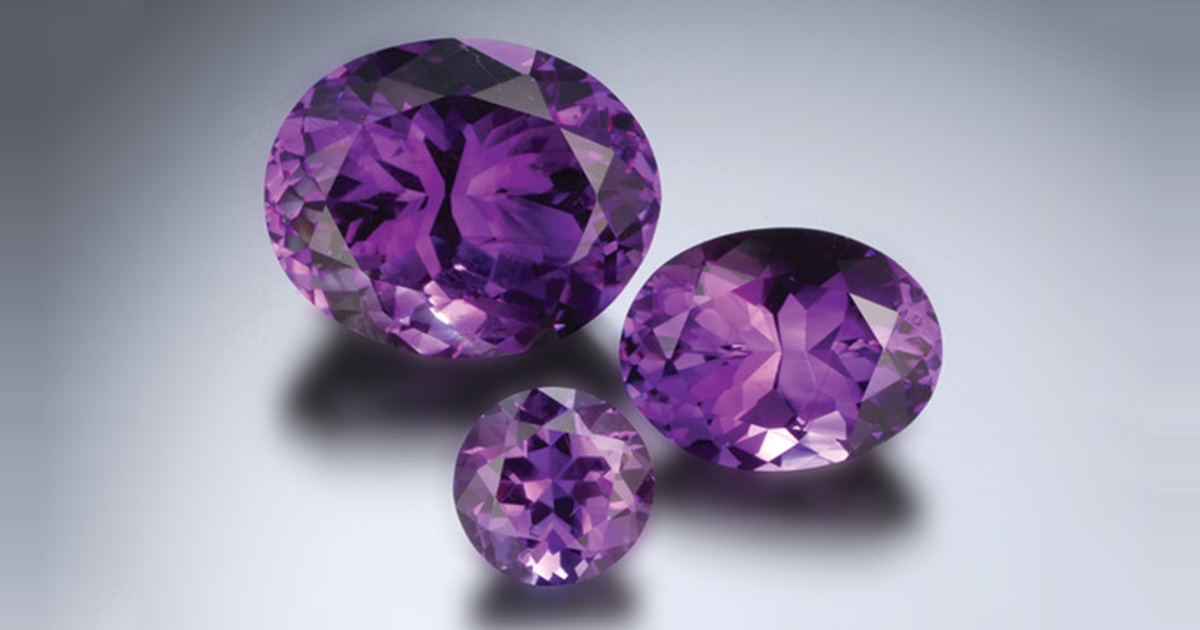
Amethyst is a violet-colored variety of quartz and is valued for its attractive purple shades, ranging from light lilac to deep violet.
In India, it is commonly known by names such as Jamunia and Katela. In Vedic gemstone traditions, Amethyst is associated with Saturn (Shani) and is sometimes recommended as a substitute or milder option for Blue Sapphire.
GemRishi includes Amethyst (Katela) in its collection of semi-precious gemstones.
Explore: Amethyst (Katela) at GemRishi
Does Amethyst Really Have Side Effects?
There is an important distinction between scientific evidence and traditional gemstone beliefs.
There is currently no established scientific evidence showing that wearing an Amethyst gemstone causes physical illness, negative planetary effects, or psychological problems.
However, people who follow Vedic astrology may believe that wearing an unsuitable planetary gemstone can amplify the influence of the planet associated with it. Since Amethyst is traditionally connected with Saturn, astrologers may consider Saturn's placement and strength in the individual's birth chart before recommending it.
Some people also report experiences such as restlessness, unusual dreams, emotional sensitivity, or discomfort after beginning to wear a gemstone. These experiences should not automatically be attributed to the stone itself. Expectations, changes in routine, sleep patterns, or other factors may also play a role.
Commonly Reported Amethyst Side Effects
Although these effects are not scientifically established as being caused by Amethyst, they are frequently discussed in gemstone and astrological traditions.
1. Restlessness or Uneasiness
Some gemstone users report feeling restless or uncomfortable when they first begin wearing Amethyst.
In traditional astrology, this may be interpreted as a sign that the gemstone does not suit the person's horoscope. From a practical perspective, it may simply reflect heightened awareness, expectations, or a change in routine.
What to do:
If you feel uncomfortable after wearing the stone, remove it for a while and observe how you feel. If symptoms persist, consider other possible causes and seek appropriate professional advice.
2. Disturbed Sleep or Vivid Dreams
Amethyst is frequently associated with meditation, intuition, and spiritual practices. Some crystal enthusiasts prefer wearing or keeping it near them while sleeping.
Others report vivid dreams or disrupted sleep after introducing a new gemstone into their bedtime routine.
There is no established scientific evidence that Amethyst directly causes sleep disturbances. If wearing it at night makes you uncomfortable, simply remove the jewelry before sleeping.
3. Feeling Emotionally Sensitive
Amethyst is traditionally associated with calmness, introspection, and spiritual awareness. Some people may interpret increased introspection or emotional awareness as a reaction to the gemstone.
However, emotional changes should not automatically be considered an “Amethyst side effect.”
If you experience persistent emotional distress, it is better to discuss it with a qualified healthcare professional rather than relying on a gemstone.
4. Headache or Physical Discomfort
Headaches are sometimes mentioned in discussions about gemstone reactions.
However, there is no established medical evidence that wearing Amethyst causes headaches.
A headache after wearing a ring, bracelet, or pendant could have many causes, including dehydration, stress, lack of sleep, tight jewelry, heat, or unrelated health conditions.
If a physical symptom repeatedly appears whenever you wear a particular piece of jewelry, stop wearing it and investigate other possible causes.
5. Skin Irritation
Skin irritation is more likely to be related to the jewelry setting or metal than to Amethyst itself.
For example, metal alloys, nickel, sweat, soap, or trapped moisture underneath a ring or bracelet may irritate sensitive skin.
To reduce the possibility of irritation:
- Choose good-quality jewelry.
- Keep the setting clean and dry.
- Remove the jewelry during activities that cause excessive sweating.
- Check whether the setting contains metals to which you are sensitive.
- Stop wearing the jewelry if significant irritation develops.
Who Should Be Careful Before Wearing Amethyst?
Amethyst is generally considered a relatively gentle gemstone in crystal traditions. However, people who want to wear it specifically as an astrological remedy should consider their birth chart rather than choosing it solely because of their zodiac sign.
In Vedic astrology, gemstone recommendations are traditionally based on factors such as:
- Ascendant (Lagna)
- Planetary placements
- Strength of Saturn
- Mahadasha and Antardasha
- Benefic or malefic planetary influences
- Existing gemstones being worn
- Individual astrological objectives
Therefore, simply saying that a particular zodiac sign “cannot wear Amethyst” is an oversimplification.
A qualified Vedic astrologer can assess whether strengthening Saturn is appropriate for a particular horoscope.
Amethyst and Saturn: Why Is Suitability Important?
The connection between Amethyst and Saturn is one of the main reasons people ask about its possible side effects.
In Vedic gemstone traditions, Blue Sapphire (Neelam) is the primary gemstone associated with Saturn, while Amethyst is often discussed as a substitute or milder option. GemRishi's gemstone resources similarly identify Saturn with Blue Sapphire within its Vedic gemstone framework.
Because planetary gemstones are traditionally believed to strengthen planetary influences, wearing an astrological gemstone without checking the birth chart may not be advisable.
Read more: Explore GemRishi's Vedic gemstone collection
Can Amethyst Be Worn by Everyone?
For fashion, jewelry, or personal appreciation, there is generally no universal rule that prevents someone from wearing Amethyst.
For astrological purposes, however, suitability is traditionally considered individual.
This distinction is important:
PurposeIs horoscope analysis necessary?Wearing Amethyst as jewelryGenerally notAppreciating its beautyNoMeditation or personal symbolismPersonal choiceCrystal-healing practiceOptional, but claims are not medically establishedWearing it as a planetary remedyTraditionally recommendedReplacing medical treatmentNever
Amethyst should not be considered a replacement for medical, psychological, financial, or professional advice.
How to Wear Amethyst According to Vedic Tradition
If Amethyst has been recommended as an astrological remedy, traditional practices may include wearing it in silver, often on the middle finger, and choosing Saturday because of its association with Saturn.
However, exact recommendations can vary between astrologers and should be based on the individual's horoscope rather than following a universal rule.
Before purchasing an astrological gemstone, it is also sensible to prioritize natural, properly disclosed and appropriately certified gemstones.
GemRishi offers certified gemstone options and provides gemstone-related guidance for buyers.
How to Take Care of Your Amethyst
Amethyst has a Mohs hardness of approximately 7, making it suitable for everyday jewelry with reasonable care.
Follow these simple precautions:
Keep it away from prolonged direct sunlight
Extended exposure to strong sunlight may affect the color of some Amethyst specimens.
Avoid harsh chemicals
Perfumes, cleaning chemicals, and other harsh substances can affect the gemstone or its jewelry setting.
Clean it gently
Use a soft cloth and mild soapy water when appropriate. Avoid aggressive cleaning methods unless you know the gemstone and setting can tolerate them.
Store it separately
Keep Amethyst away from harder gemstones that could scratch its surface.
If wearing an Amethyst piece causes skin irritation, physical discomfort, or any other concerning symptom, remove the jewelry and assess the situation.
For people following astrological traditions, persistent feelings of discomfort may also prompt them to consult a qualified astrologer to reassess whether the gemstone is appropriate.
Most importantly, do not assume that every health symptom is caused by a gemstone. Persistent or serious symptoms deserve proper medical evaluation.
Is Amethyst Safe to Wear?
For most people, Amethyst is a popular and wearable gemstone. There is no established scientific evidence that wearing Amethyst jewelry produces harmful physical side effects.
The bigger consideration arises when Amethyst is worn as an astrological remedy. In that context, traditional Vedic astrology recommends selecting gemstones according to the individual's horoscope rather than following generalized rules.
The best approach is therefore to combine authentic gemstone selection, sensible jewelry care, and appropriate astrological guidance when using Amethyst for planetary purposes.
Final Thoughts
Amethyst is much more than a beautiful purple gemstone. Known as Jamunia or Katela, it has a long history of spiritual and astrological associations and is traditionally connected with Saturn.
While many online sources discuss Amethyst side effects such as headaches, vivid dreams, restlessness, or emotional changes, these claims should be treated carefully. There is no established scientific evidence that wearing Amethyst causes these effects.
If you are wearing Amethyst simply because you love its color and beauty, normal jewelry precautions are generally sufficient. If you are wearing it specifically for Vedic astrological purposes, consulting a qualified astrologer before using it as a planetary remedy can help you make a more informed decision.
Looking for a natural gemstone? Explore GemRishi's collection of certified gemstones and learn more about selecting the right stone for your requirements.
Explore: GemRishi – Certified Natural Gemstones
Frequently Asked Questions About Amethyst Side Effects
1. Does Amethyst have side effects?
There is no established scientific evidence that wearing Amethyst jewelry causes harmful physical side effects. Some users report sensations such as restlessness or vivid dreams, but these experiences cannot be conclusively attributed to the gemstone.
2. Can Amethyst cause headaches?
Headaches are sometimes mentioned in crystal and gemstone discussions, but there is no established scientific evidence that Amethyst causes headaches.
3. Can Amethyst disturb sleep?
Some people report changes in dreams or sleep after introducing Amethyst into their bedtime routine. If it affects your sleep, remove the stone at night.
4. Who should not wear Amethyst?
There is no universal list of people who medically cannot wear Amethyst. For astrological use, suitability is traditionally determined through an individual's birth chart.
5. Is Amethyst related to Saturn?
Yes. In Vedic gemstone traditions, Amethyst is commonly associated with Saturn (Shani) and is often discussed as a substitute for Blue Sapphire.
6. Can I wear Amethyst every day?
Yes, Amethyst can be worn as everyday jewelry with reasonable care. Avoid harsh chemicals, excessive heat, and prolonged exposure to strong sunlight.
7. Should I consult an astrologer before wearing Amethyst?
If you are wearing Amethyst specifically as an astrological remedy, consulting a qualified astrologer is recommended. The appropriate gemstone depends on individual horoscope factors rather than simply the zodiac sign.
8. Can Amethyst replace medical treatment?
No. Amethyst should not be used as a substitute for professional medical diagnosis or treatment.
Disclaimer: The astrological and spiritual benefits, associations, and cautions described in this article reflect traditional Vedic and crystal-healing beliefs. They are not scientifically proven medical treatments or guarantees. For health concerns, consult an appropriate healthcare professional. For astrological gemstone recommendations, consult a qualified Vedic astrologer.
Have Questions Regarding This Gemstone?
Connect 1-on-1 with GemRishi’s certified Vedic gemologists on WhatsApp for personalized birth chart recommendations, lab certificate verification, or custom jewelry quotes.
Gemrishi
Gemrishi is a certified gemologist and Vedic astrology scholar at GemRishi with over 15 years experience in natural gemstone origin authentication.