Amethyst for Peace & Calm: How This Purple Gemstone Supports Emotional Balance
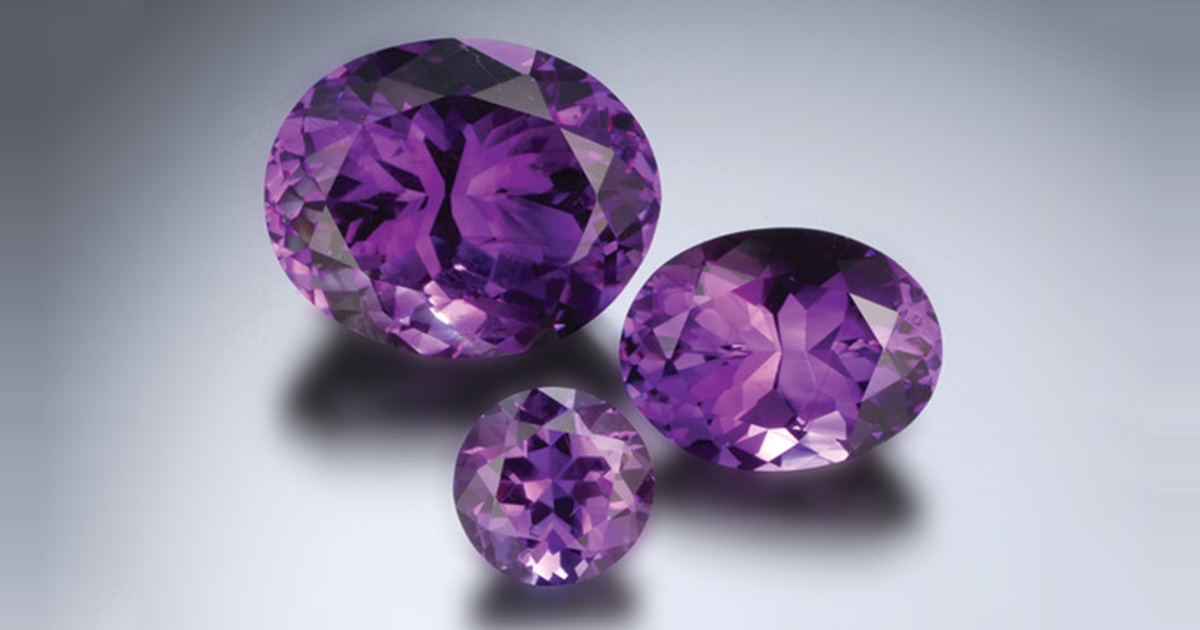
Amethyst is the purple variety of quartz, known for shades ranging from soft lilac to rich violet. Its colour and natural beauty have made it a popular gemstone for rings, pendants, bracelets, earrings, and decorative pieces.
In Indian gemstone traditions, Amethyst is also known by names such as Katela and Jamunia. It is traditionally associated with Saturn (Shani) in Vedic astrology and is sometimes discussed as a softer alternative to Blue Sapphire.
Life can get overwhelming. Work, studies, family responsibilities, deadlines, and the constant flow of information can make it difficult to slow down and feel at ease.
Known for its beautiful purple colour, Amethyst has traditionally been associated with peace, calmness, emotional balance, meditation, and spiritual awareness
Amethyst so closely connected with calm and emotional balance? And how can you incorporate it into your everyday life?
Let's explore.
However, Amethyst is not chosen only for astrological reasons. Many people simply appreciate it for its appearance and its traditional association with peace and spiritual reflection.
👉 Explore the GemRishi Amethyst collection to learn more about available gemstone options.
Why Is Amethyst Associated With Peace & Calm?
Amethyst has a naturally soothing appearance and silent nature. Its purple shades are often linked with quietness, spirituality, and reflection.
In traditional crystal and spiritual practices, Amethyst is commonly associated with:
- Calmness and relaxation
- Emotional balance
- Mental clarity
- Meditation
- Spiritual awareness
- Positive energy
- Protection from negative influences
GemRishi's guide on gemstones associated with positive energy also describes Amethyst as a stone traditionally connected with calm, balance, and emotional well-being.
For many people, the appeal is quite simple: Amethyst becomes a small reminder to slow down.
You might wear an Amethyst pendant during a busy day, keep a stone near your desk, or hold it while meditating. The gemstone becomes part of a personal routine that encourages you to pause and reconnect with yourself.
Amethyst and Emotional Balance
Everyone has difficult days. Stress, disappointment, frustration, and uncertainty are normal parts of life. Emotional balance is more about learning to recognise those feelings and respond to them calmly.
Amethyst has an important place in traditional gemstone practices for these situations.
It is commonly associated with calmness, introspection, and emotional awareness. Some people choose to keep Amethyst close during meditation or moments when they want to create a more peaceful environment.
Of course, a gemstone should not be viewed as a quick solution to emotional difficulties. Its role is better understood as symbolic and supportive, particularly when it becomes part of a healthy routine.
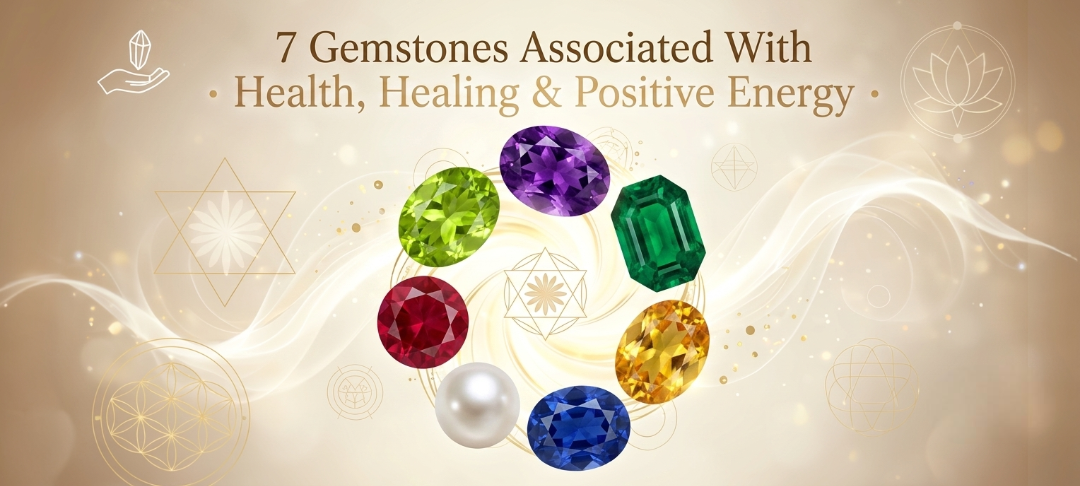
For a broader look at gemstones traditionally associated with emotional balance and positive energy, see GemRishi's guide to 7 Gemstones Associated With Health, Healing & Positive Energy.
Can Amethyst Help With Stress?
Stress is something most people experience from time to time.
When your mind is constantly occupied, even taking a few minutes to sit quietly can feel difficult. This is one reason people interested in crystals often choose Amethyst for meditation or relaxation practices.
Traditionally, Amethyst is associated with a peaceful state of mind and positive energy.
One practical way to approach it is to make the gemstone part of a calming habit.
For example:
Wear Amethyst → Take a few deep breaths → Put your phone away → Sit quietly for five minutes.
The gemstone does not need to be viewed as the cause of relaxation. Instead, it can become a personal reminder to create time for yourself.
Important: There is no established scientific evidence that wearing Amethyst directly treats stress, anxiety, or other medical conditions. Its calming and emotional associations come primarily from traditional, spiritual, and crystal practices.
Amethyst for Meditation and Inner Peace
Amethyst and meditation have a long-standing connection in modern spiritual and crystal practices.
Some people hold an Amethyst while meditating, while others simply keep it nearby. There is no single correct method.
You can try a simple routine:
- Find a quiet place.
- Sit comfortably.
- Keep your Amethyst nearby or hold it gently.
- Close your eyes.
- Take slow, steady breaths.
- Spend a few minutes focusing on the present moment.
The idea is not to perform a complicated ritual. It is simply about creating a small moment of stillness in your day.
GemRishi's Amethyst content similarly highlights meditation, intuition, calmness, and spiritual awareness among the gemstone's traditional associations.
Amethyst and Mental Clarity
When your mind feels cluttered, making decisions can become harder.
Amethyst is traditionally associated with mental clarity, focus, and peaceful energy, which is another reason it appeals to people interested in meditation and mindful living.
Some people keep an Amethyst crystal on their work or study desk as a visual reminder to stay focused and take regular breaks.
Again, the gemstone itself should not be presented as a scientifically proven way to improve concentration. Its value here is largely connected to personal symbolism and routine.
If you're interested in gemstones for different purposes, GemRishi's complete gemstone buying guide explains how purpose, quality, treatment, certification, weight, and other factors can influence your choice.
Who Can Wear Amethyst?
If you simply love the gemstone, Amethyst can be worn as jewellery according to your personal style.
Popular options include:
- Amethyst rings
- Amethyst pendants
- Amethyst bracelets
- Amethyst earrings
People interested in spiritual practices may choose Amethyst because of its traditional connection with calmness, meditation, intuition, and protection.
If you are considering Amethyst specifically for Vedic astrology, however, the approach is different. GemRishi notes that Amethyst is traditionally associated with Saturn, so astrological suitability should ideally be considered according to an individual's birth chart rather than simply choosing the stone because it is popular.
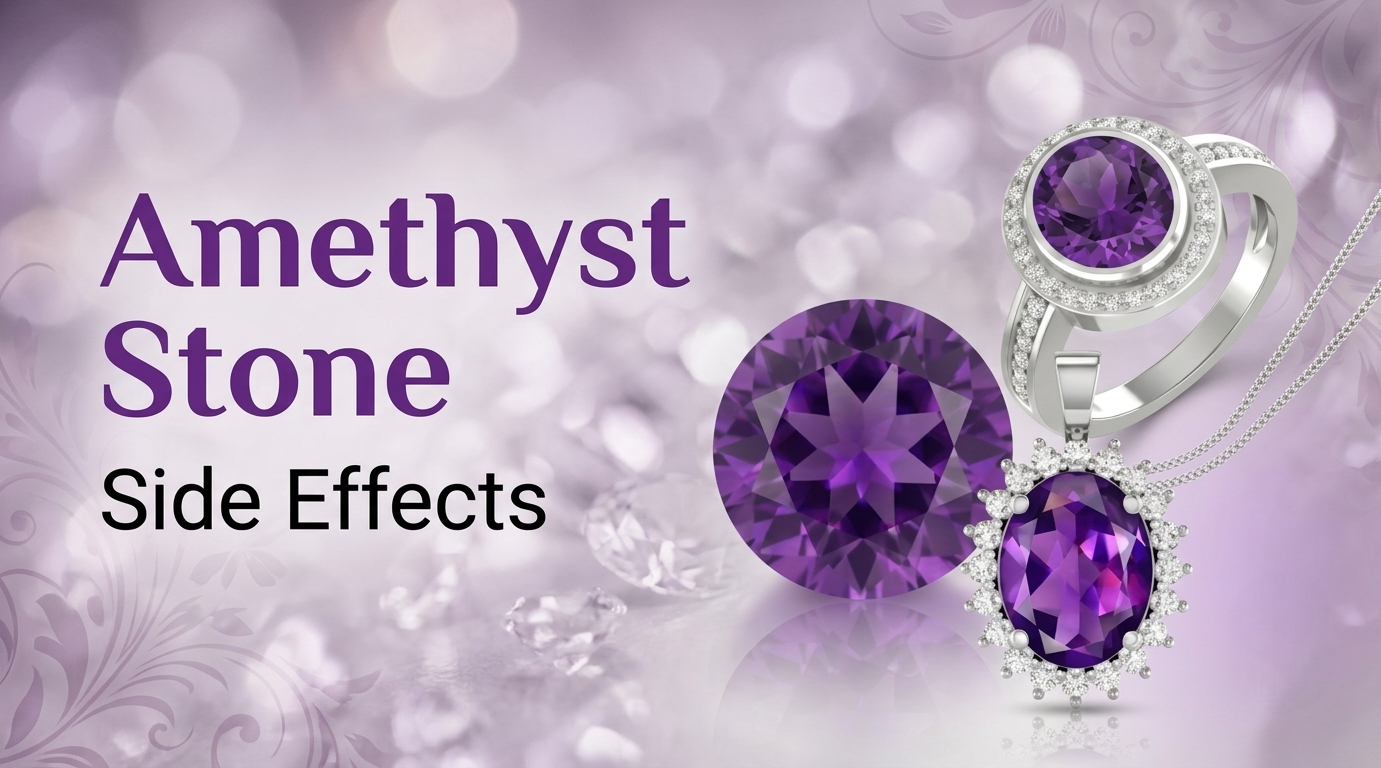
👉 Before wearing it for astrological purposes, read the GemRishi guide: Amethyst Side Effects: What You Should Know Before Wearing This Stone.
How to Wear Amethyst
There are different approaches depending on whether you're wearing Amethyst simply as jewellery or following traditional astrological practices.
For everyday jewellery, comfort and personal preference are usually the most important considerations.
For astrological use, traditional guidelines may include:
- Finger
- Metal
- Gemstone weight
- Day of wearing
- Wearing method
- Individual birth chart
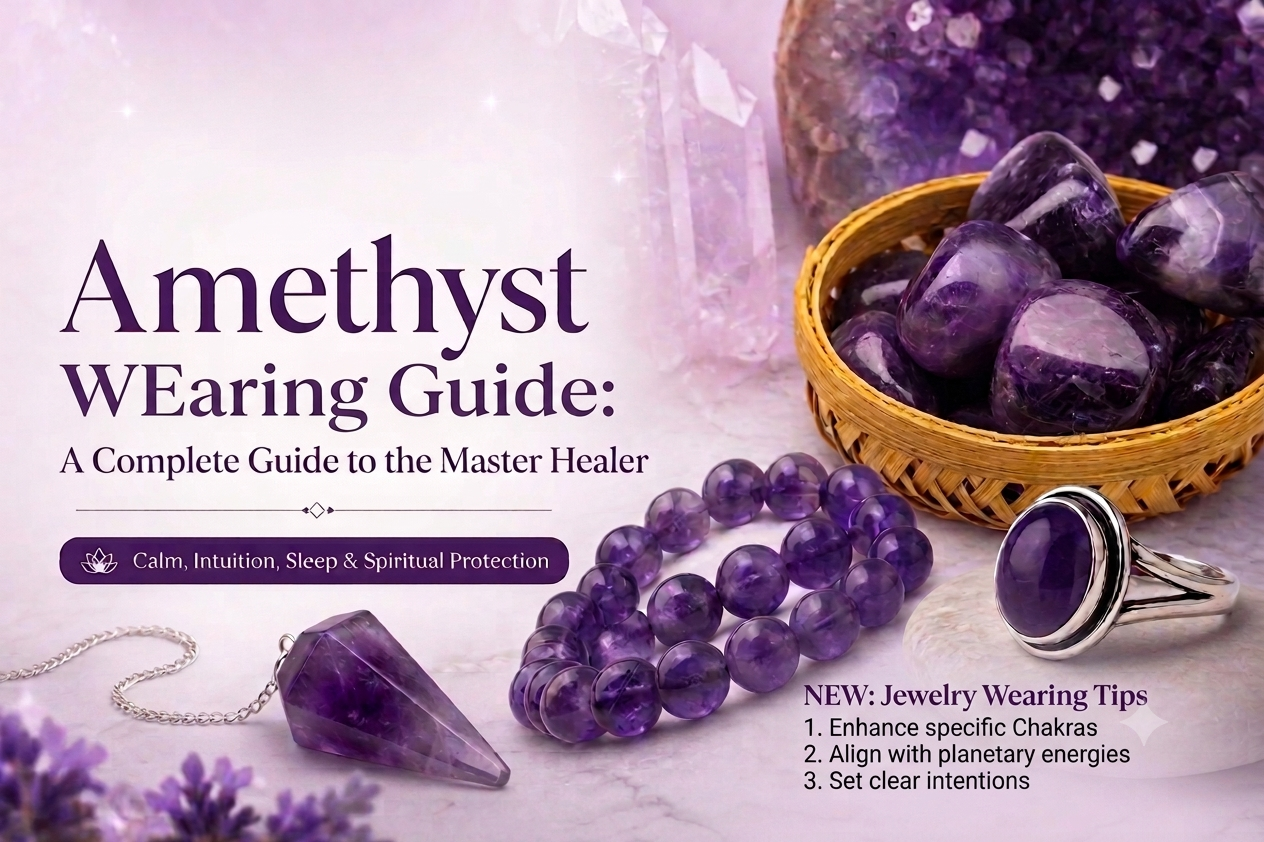
GemRishi's detailed Amethyst Wearing Guide covers these considerations in more detail.
How to Include Amethyst in Your Daily Routine
You don't need an elaborate ritual to appreciate Amethyst.
1. Wear it as jewellery
An Amethyst ring or pendant can be an elegant everyday accessory while also carrying personal meaning.
2. Keep it near your workspace
Place an Amethyst near your desk as a visual reminder to slow down, focus, and take short breaks.
3. Use it during meditation
Keep the gemstone beside you while practising quiet breathing or meditation.
4. Create an evening routine
Some people like to keep Amethyst in their personal space while reading, journaling, or winding down at the end of the day.
5. Make it personal
There is no need to follow a complicated routine. Choose an approach that feels natural to you.
Is Amethyst a Healing Stone?
You will often find Amethyst described as a healing or calming stone in crystal traditions.
However, it is important to use these terms carefully.
Amethyst has traditionally been associated with:
- Emotional balance
- Calmness
- Relaxation
- Spiritual awareness
- Positive energy
- Meditation
These associations are part of traditional and spiritual practices. They should not be confused with scientifically established medical benefits.
GemRishi similarly explains that gemstones can have cultural, spiritual, and traditional significance but should not replace professional medical treatment.
Amethyst vs Other Calming Gemstones
Amethyst isn't the only gemstone associated with peace and emotional balance.
Pearl (Moti) is traditionally associated with the Moon and is commonly linked with peace, emotional stability, and calmness.
Amethyst, meanwhile, is more commonly associated with calmness, meditation, spiritual awareness, and clarity.
The right choice ultimately depends on what attracts you to the gemstone and, if you're following Vedic astrology, whether the gemstone is considered suitable for your birth chart.
How to Choose a Good Amethyst
If you are planning to buy an Amethyst, don't choose solely on colour or size.
Consider:
- Natural or synthetic origin
- Colour quality
- Clarity
- Cut and finish
- Treatment
- Carat or ratti weight
- Certification
- Seller credibility
A beautiful gemstone is a good starting point, but authenticity and quality matter just as much.
GemRishi's certified gemstone collection provides another useful starting point when researching certified gemstones.
Final Thoughts
Amethyst has remained popular for a simple reason: it is beautiful, meaningful, and traditionally connected with calmness and reflection.
Its rich purple colour makes it an attractive jewellery gemstone, while its association with meditation and emotional balance gives it additional meaning for people interested in spiritual and wellness practices.
If you're looking for a gemstone under the Peace & Calm category, Amethyst is one of the strongest choices to consider.
Just remember that its traditional benefits should be viewed as spiritual or cultural associations, not medical promises.
Ultimately, Amethyst can be more than a beautiful purple stone. For many people, it can serve as a small daily reminder to pause, breathe, reflect, and make a little more space for calm.
Frequently Asked Questions
1. Is Amethyst good for peace and calm?
Amethyst is traditionally associated with peace, calmness, relaxation, meditation, and emotional balance. These are traditional associations rather than scientifically established medical effects.
2. What is Amethyst called in India?
Amethyst is commonly known as Katela or Jamunia in Indian gemstone traditions.
3. Can I wear Amethyst every day?
Amethyst can be worn as everyday jewellery. If you are wearing it specifically for astrological purposes, GemRishi recommends considering traditional wearing guidelines and individual astrological suitability.
4. Is Amethyst associated with Saturn?
Yes. In Vedic gemstone traditions, Amethyst is traditionally associated with Saturn (Shani).
5. Can Amethyst help with emotional balance?
Amethyst is traditionally associated with emotional balance and calmness. However, these claims come from traditional and spiritual practices and should not be treated as scientifically proven psychological effects.
6. Can Amethyst be used during meditation?
Yes. Amethyst is commonly incorporated into meditation and spiritual practices because of its traditional associations with calmness, intuition, and spiritual awareness.
Have Questions Regarding This Gemstone?
Connect 1-on-1 with GemRishi’s certified Vedic gemologists on WhatsApp for personalized birth chart recommendations, lab certificate verification, or custom jewelry quotes.
Gemrishi
Gemrishi is a certified gemologist and Vedic astrology scholar at GemRishi with over 15 years experience in natural gemstone origin authentication.