Moissanite vs. Diamond vs. Lab-Grown Diamonds: Which Is Best for Your Engagement Ring?
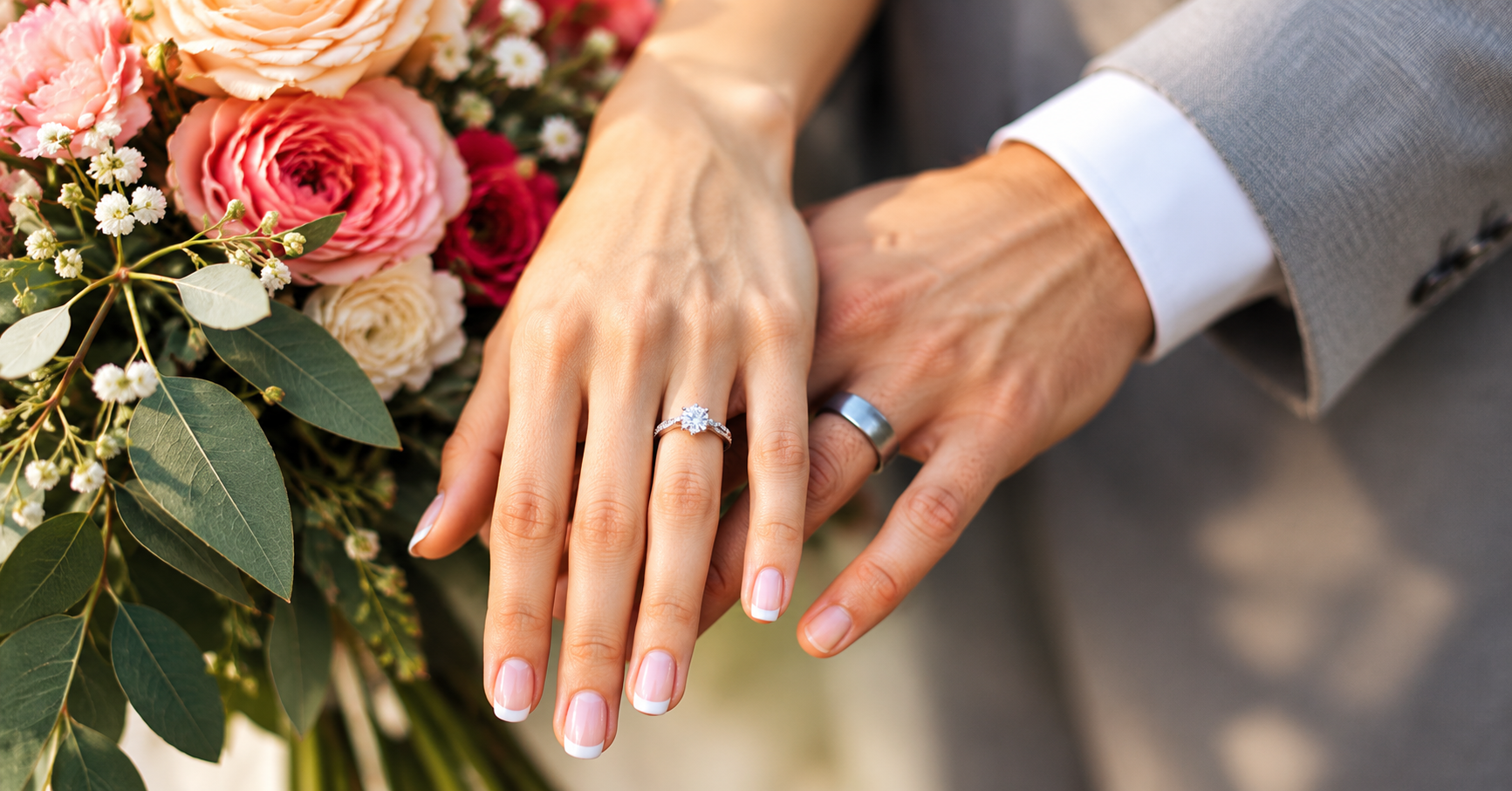
Introduction: Moissanite vs Natural Diamond vs Lab-Grown Diamond
An engagement ring is a personal choice, shaped by individual style, budget, and the meaning a couple attaches to the stone. Natural diamonds have long been associated with tradition and timeless appeal, lab-grown diamonds and moissanite have become popular alternatives for couples exploring different ways to celebrate their commitment.
Although these three stones can look remarkably similar at first glance, they differ in origin, physical properties, brilliance, durability, and price. Natural diamonds form deep within the Earth over billions of years, lab-grown diamonds are created using advanced technology and share the same essential crystal structure as natural diamonds, while moissanite is a distinct gemstone known for its exceptional sparkle and colourful flashes of light.
Understanding these differences makes it easier to choose a ring that suits your expectations without paying for features that matter less to you. Whether you value a diamond's natural origin, prefer the characteristics of a lab-grown diamond, or love moissanite's distinctive brilliance, the right choice depends on what you want from your jewellery.
At GemRishi, you can explore gemstone jewellery and learn more about different gemstones before making your decision. In this guide, we’ll compare moissanite, natural diamonds, and lab-grown diamonds across the factors that matter most, helping you find an engagement ring that reflects your style, priorities, and budget.
What Is a Natural Diamond?
Natural diamonds have been admired for centuries due their extraordinary brilliance and reflection. They form deep within the Earth under intense pressure and high temperatures over geological timescales. Natural processes eventually bring some of these crystals closer to the surface, where they can be mined and crafted into jewellery.
One reason natural diamonds remain popular is their geological origin. Each stone has its own combination of colour, clarity, cut, and internal characteristics.
Diamonds also have exceptional hardness. They score 10 on the Mohs hardness scale, making them highly resistant to everyday scratches.
Why Choose a Natural Diamond?
A natural diamond may be the right choice if you appreciate:
- Natural rarity: The stone formed through geological processes rather than in a laboratory.
- Timeless appeal: Natural diamonds have a long-standing place in engagement rings and fine jewellery.
- Individual character: Each diamond has its own internal features and characteristics.
- Traditional significance: For many couples, a naturally formed diamond feels connected to family traditions and lasting commitment.
Natural diamonds usually cost more than comparable lab-grown diamonds. Their resale value is not guaranteed, so they should not automatically be viewed as investments.
If the natural origin of a gemstone matters to you, the additional cost may feel worthwhile.
3. What Are Lab-Grown Diamonds?
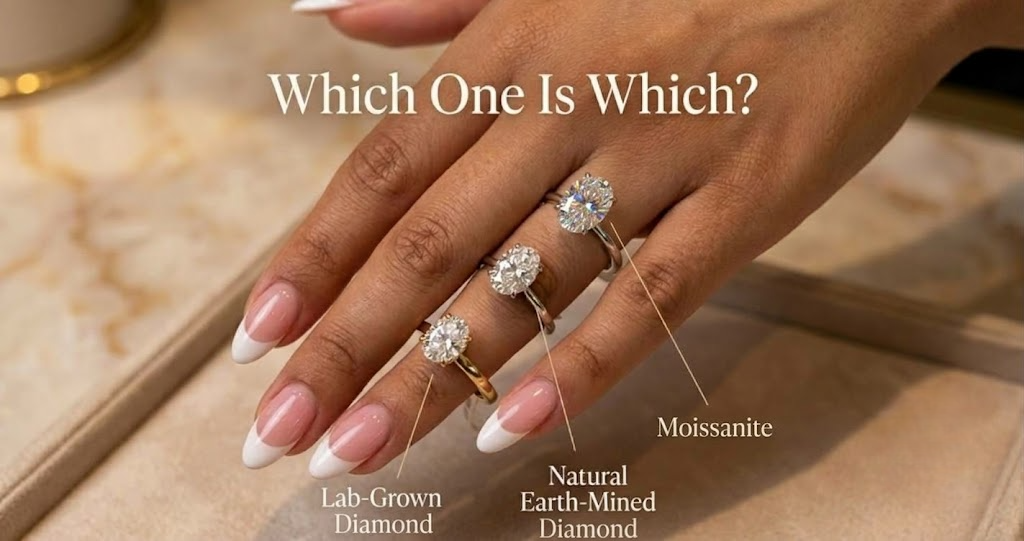
Lab-grown diamonds are created in controlled laboratory environments using advanced technology. The two main methods are High Pressure High Temperature (HPHT) and Chemical Vapour Deposition (CVD).
Here is what makes them interesting: lab-grown diamonds are real diamonds. They have essentially the same chemical composition, crystal structure, and fundamental optical properties as natural diamonds.
The difference is their origin, not whether they are diamonds.
A lab-grown diamond can have the same familiar brilliance and fire as a natural diamond. Both can be evaluated using the 4Cs: cut, colour, clarity, and carat weight. Specialised gemological testing can distinguish their origins.
Why Are Lab-Grown Diamonds Popular?
Lab-grown diamonds appeal to couples who want a diamond but prefer a lower purchase price.
- More affordable: They generally cost less than natural diamonds with comparable specifications.
- Familiar diamond appearance: They offer the same fundamental diamond material and optical characteristics.
- More flexibility: Your budget may stretch to a larger stone or a more elaborate setting.
- Laboratory-created origin: Their production does not require traditional diamond mining, although energy use and other environmental impacts depend on how they are produced.
There is one detail worth remembering. Lab-grown diamonds can lose value in the resale market, and their prices may change as technology and supply evolve.
If you want a genuine diamond without paying the usual premium associated with natural origin, lab-grown diamonds are worth a close look.
4. What Is Moissanite?
Moissanite is a gemstone made from silicon carbide. Natural moissanite is extremely rare, so the stones used in most modern jewellery are laboratory-created.
It is not a diamond, even though the two can look similar at first glance.
Moissanite is particularly well known for its colourful sparkle. It has higher light dispersion than diamond, which means it can produce more noticeable rainbow-coloured flashes under certain lighting conditions.
For some people, this is exactly what makes it attractive. Others prefer the more familiar appearance of a diamond.
Why Choose Moissanite?
- Budget-friendly: It is generally the least expensive of the three options.
- Eye-catching brilliance: Its colourful flashes can make a ring stand out.
- Good durability: With a Mohs hardness of approximately 9.25, it is suitable for everyday jewellery.
- Plenty of design options: It looks beautiful in solitaire, halo, oval, cushion, and vintage-inspired settings.
Moissanite is especially appealing if you want a larger centre stone while keeping the overall cost manageable.
It is also worth remembering that a moissanite ring does not need to imitate a diamond to be beautiful. Its distinctive sparkle is part of its own appeal.
5. Moissanite vs. Diamond vs. Lab-Grown Diamonds: The Real Differences
Understanding the key differences makes it easier to choose a stone you will enjoy wearing for years.
Origin and Composition
Natural and lab-grown diamonds are both made of crystalline carbon. Their formation is different: one occurs naturally in the Earth, while the other is created in a laboratory.
Moissanite, on the other hand, is made from silicon carbide. It is a separate gemstone with its own physical and optical properties.
Sparkle and Appearance
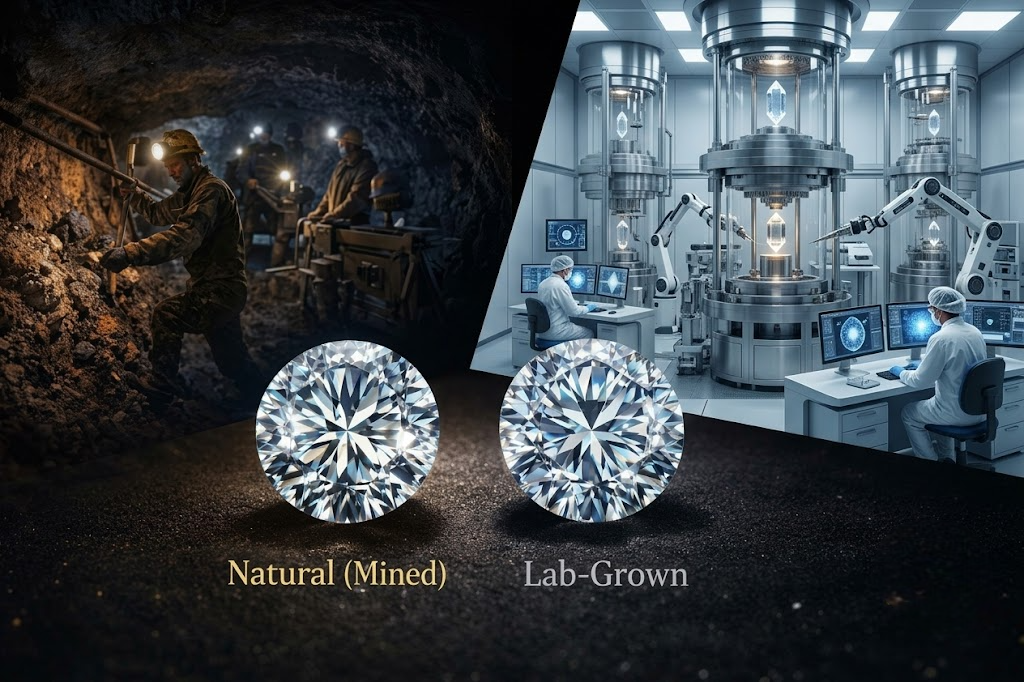
Natural and lab-grown diamonds share the same fundamental optical characteristics. When their cut and quality are comparable, they can look virtually identical to the unaided eye.
Moissanite produces a different pattern of light. Its stronger dispersion often creates more colourful flashes, particularly in larger stones or under bright lighting.
Neither appearance is automatically better. Some people prefer the crisp brilliance of a diamond, while others enjoy the lively rainbow sparkle of moissanite.
The cut, shape, proportions, and lighting all influence the final look.
Hardness and Everyday Wear
Natural and lab-grown diamonds score 10 on the Mohs hardness scale. Moissanite scores approximately 9.25.
All three are suitable choices for engagement rings worn regularly. However, hardness measures resistance to scratching, not every aspect of durability.
A well-made setting, occasional professional checks, and sensible care help keep any engagement ring in good condition.
Price and Resale Considerations
Moissanite is generally the most affordable option. Lab-grown diamonds typically cost more than moissanite but less than comparable natural diamonds.
Actual prices vary with the stone's size, cut, colour, clarity, and other specifications.
Resale is another consideration. Natural diamonds may retain a higher resale price in some circumstances, but there is no guarantee. Lab-grown diamond prices have faced significant downward pressure, while moissanite also should not be purchased with an expectation of financial returns.
For an engagement ring, it is usually more practical to focus on the stone you love, the quality you are getting, and the amount you are comfortable spending.
6. Which Stone Is Best for Your Engagement Ring?
The answer depends on what you want your ring to represent and how you want to spend your budget.
Choose a Natural Diamond If You Value Tradition
A natural diamond may be your preferred option if its geological origin, rarity, and traditional significance matter to you.
It can be an especially meaningful choice for someone who has always imagined a classic diamond engagement ring.
You do not necessarily need to choose the largest stone. A well-cut diamond in a simple setting can look elegant without an oversized budget.
Choose a Lab-Grown Diamond If You Want a Real Diamond for Less
Lab-grown diamonds are a practical choice for couples who want a diamond but prefer to spend less than they would on a comparable natural stone.
They allow you to compare different sizes, shapes, and settings while keeping your budget in mind.
If you are considering this option, compare grading reports and the 4Cs carefully. A larger carat weight does not automatically mean a more attractive diamond.
Choose Moissanite If Affordability and Sparkle Matter Most
Moissanite is a strong choice if you want an impressive centre stone without a high price tag.
It can be particularly appealing for someone who loves colourful flashes of light or wants to put more of their budget towards the ring design, wedding, or future plans.
The important point is to choose moissanite because you like its appearance and value, not simply because it looks similar to a diamond.
7. How to Choose the Right Engagement Ring
Once you have decided which type of stone interests you, a few practical checks can make the buying process easier.
Start With Your Budget
Decide how much you want to spend on the complete ring. Include the centre stone, metal, setting, side stones, taxes, and any additional charges.
There is no universal rule about how much an engagement ring should cost. Choose an amount that feels comfortable for both of you.
Understand the 4Cs
For diamonds, the 4Cs are cut, colour, clarity, and carat weight.
Cut is particularly important because it affects how effectively the diamond reflects light. Colour and clarity influence its appearance, while carat weight describes its mass.
For moissanite, look at cut quality, colour appearance, measurements, and the type of sparkle you prefer.
Choose a Shape That Suits Your Style
Round brilliant stones offer a classic look. Oval shapes can create an elongated appearance on the finger, while cushion cuts offer softer outlines. Emerald cuts have a more understated, geometric look.
Try to compare shapes in person if possible. A stone that looks beautiful in a photograph may feel different when worn.
Check the Documentation
When buying a natural or lab-grown diamond, ask for an appropriate grading report from a recognised gemological laboratory. Make sure the report identifies the stone accurately and confirms its stated origin.
For moissanite, ask for clear product specifications and available authenticity documentation.
Also check the seller's return policy, warranty, resizing terms, and after-sales support before placing your order.
Consider the Setting and Metal
The centre stone is only part of the ring. The setting affects its appearance, comfort, and security.
A solitaire setting keeps the attention on the centre stone. A halo setting adds surrounding stones, while a bezel setting encircles the gemstone with metal.
Choose a design that complements your stone and suits your everyday routine.
8. Buying Jewellery Online: What Should You Check?
Online shopping makes it easier to explore different jewellery styles and compare prices. However, product photographs alone cannot tell you everything about a gemstone.
Read the product description carefully. Check the stone type, dimensions, metal purity, certification details, and return conditions. If a seller uses terms such as "diamond-like" or "premium gemstone," ask for a clear description of the actual material.
A trustworthy seller should explain what you are buying without confusing natural diamonds, lab-grown diamonds, and moissanite.
If you enjoy learning about gemstones and what to check before purchasing them, explore GemRishi's Complete Gemstone Buying Guide. It covers important considerations such as quality, certification, treatment, and budget.
Although engagement rings and traditional coloured gemstones can serve different purposes, the same basic principle applies: understand the product before making a purchase.
9. Final Verdict: Which Engagement Ring Should You Choose?
There is no single winner in the comparison between moissanite, natural diamonds, and lab-grown diamonds. Each offers a different combination of appearance, origin, and cost.
Choose a natural diamond if you value natural formation, rarity, and tradition.
Choose a lab-grown diamond if you want a real diamond with the same fundamental material properties as a natural diamond at a generally lower purchase price.
Choose moissanite if you want an affordable, durable gemstone with distinctive rainbow sparkle.
Before making your final decision, compare the stones, check their specifications, and think about what matters most to you. A beautiful engagement ring does not have to come with a particular price tag.
After all, the ring is a symbol of your relationship. The best choice is the one that feels right for you and your partner.
Frequently Asked Questions
1. Is moissanite better than a diamond?
Not necessarily. Moissanite is more affordable and produces stronger rainbow flashes, while diamonds offer a different sparkle and a distinct natural or laboratory-created origin. The better choice depends on your priorities.
2. Are lab-grown diamonds real diamonds?
Yes. Lab-grown diamonds have essentially the same chemical composition, crystal structure, and fundamental optical properties as natural diamonds. Their main difference is their origin.
3. Which is cheaper: moissanite or a lab-grown diamond?
Moissanite is generally cheaper than a lab-grown diamond of comparable visual size. The actual price depends on the stone's specifications and the ring design.
4. Which stone lasts the longest in an engagement ring?
All three can last for many years with proper care. Diamonds are harder, but moissanite is also highly durable and suitable for everyday wear.
5. Can you tell the difference between moissanite and a diamond?
They can look similar, but their optical properties differ. Moissanite often shows stronger rainbow flashes, and specialised gemological testing can distinguish the materials.
6. Do lab-grown diamonds have resale value?
They may have resale value, but it is not guaranteed. Lab-grown diamond prices can change significantly, so they should not be purchased as a financial investment.
7. Is moissanite a good choice for a proposal ring?
Yes. Its durability, affordability, and distinctive sparkle make it a popular option for engagement and proposal rings.
8. Which engagement ring is best on a budget?
Moissanite is generally the most affordable of these three choices. Lab-grown diamonds are another option if you want a genuine diamond while spending less than you would on a comparable natural stone.
9. Which gemstone looks most like a natural diamond?
Lab-grown diamonds look virtually identical to natural diamonds because they share the same fundamental material properties. Moissanite can also look similar, but it often displays more colourful rainbow flashes.
10. Can moissanite and lab-grown diamonds be used in the same engagement ring?
Yes. Both stones can be incorporated into the same ring design. However, their differences in sparkle and optical properties may be noticeable, so choose a design that complements both stones.
Have Questions Regarding This Gemstone?
Connect 1-on-1 with GemRishi’s certified Vedic gemologists on WhatsApp for personalized birth chart recommendations, lab certificate verification, or custom jewelry quotes.
Gemrishi
Gemrishi is a certified gemologist and Vedic astrology scholar at GemRishi with over 15 years experience in natural gemstone origin authentication.