Yellow Sapphire (Pukhraj) Original vs Fake: Ultimate 2026 Identification Guide
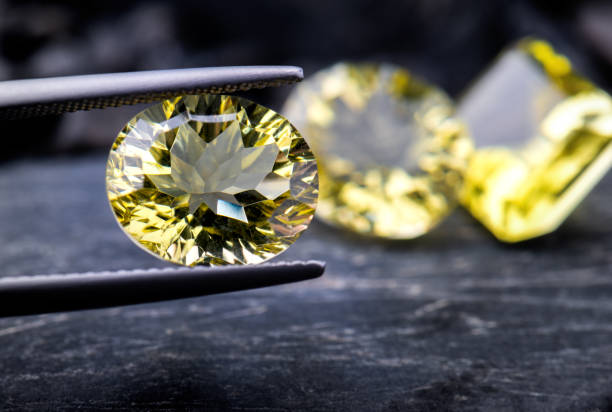
How to Tell If a Yellow Sapphire (Pukhraj) Is Real or Fake
Yellow Sapphire, known as Pukhraj in Vedic astrology, is among the most sought-after—and most imitated—gemstones on the market. Prized for its association with Jupiter (Guru) and traditionally believed to bring wisdom, wealth, and prosperity, genuine Pukhraj can command a significant premium.
That premium is exactly why the market is flooded with citrine, yellow topaz, glass, and synthetic sapphires being sold as genuine Pukhraj. Here's how to tell them apart.
1. Understand What You're Actually Comparing
Before testing a Yellow Sapphire, it is important to understand the common substitutes:
- Citrine — A yellow variety of quartz that is softer and generally less expensive than sapphire.
- Yellow Topaz — Harder than citrine but still different from corundum.
- Synthetic Yellow Sapphire — Lab-grown sapphire with essentially the same chemical composition and physical properties as natural sapphire.
- Glass or Paste Imitations — Artificial materials that can sometimes resemble Yellow Sapphire visually.
- Treated Stones — Natural or synthetic stones whose color or clarity has been artificially enhanced.
For gemological purposes, a natural Pukhraj is a natural yellow variety of corundum. Treatment status should always be properly disclosed.
If you're exploring genuine options, you can browse GemRishi Yellow Sapphire (Pukhraj).
2. Examine the Color Carefully
Natural Yellow Sapphire typically displays a warm yellow to golden-yellow color, ranging from pale yellow to richer shades.
Look for subtle variations in color rather than expecting perfect uniformity. Natural gemstones can show color zoning, where the intensity of yellow varies slightly throughout the stone.
However, color alone cannot confirm authenticity. Synthetic sapphires and some treated gemstones can closely resemble natural stones.
For more information about Pukhraj, explore the GemRishi Yellow Sapphire guide.
3. Check Inclusions Under Magnification
Examining a gemstone under a 10× loupe or microscope can provide useful clues.
Natural Yellow Sapphire may contain:
- Fine rutile silk
- Small mineral crystals
- Natural fractures or fingerprints
- Color zoning
- Other mineral inclusions
Synthetic sapphire may show characteristics associated with its laboratory growth process, while glass imitations can sometimes contain round gas bubbles.
A completely flawless stone is not automatically fake. Inclusions should be evaluated by a trained gemologist rather than judged solely by appearance.
4. Test the Hardness
Sapphire has a Mohs hardness of 9, making it one of the hardest natural gemstones after diamond.
Citrine has a hardness of around 7, while glass is generally softer than sapphire. This difference can help professionals distinguish some imitations.
However, do not perform a scratch test on an expensive or mounted gemstone. It can damage the stone or its setting, and it cannot distinguish natural sapphire from synthetic sapphire because both are corundum.
5. Check the Density
Yellow Sapphire has a specific gravity of approximately 4.0, which is considerably higher than quartz, including citrine.
A professional gemologist can use specific-gravity testing to help distinguish sapphire from lighter materials such as quartz or some glass imitations.
However, density testing alone cannot prove whether the sapphire is natural or synthetic.
6. Use Professional Gemological Testing
Basic home tests can help identify obvious imitations, but they cannot reliably establish a gemstone's natural origin.
Professional gemological testing can evaluate factors such as:
- Gemstone species
- Natural or synthetic origin
- Treatments
- Inclusions
- Color characteristics
- Other identifying properties
For buyers looking for additional information about certified gemstones, visit GemRishi Certified Gemstones.
7. Ask About Treatment History
Many sapphires on the market may be heat-treated to improve their color and appearance. Heat treatment is an accepted gemstone treatment, but it should be properly disclosed.
Be particularly cautious about claims such as:
- "100% untreated" without supporting laboratory documentation
- "Natural color" without certification
- Unusually vivid color combined with an unusually low price
Treatment can significantly affect a gemstone's value, rarity, and suitability for buyers seeking an untreated stone.
8. Get Your Yellow Sapphire Certified
One of the safest ways to verify a valuable Yellow Sapphire is to obtain a gemological laboratory report.
A reliable report can help establish whether the stone is:
- Natural or synthetic
- Corundum
- Treated or untreated
- Consistent with the characteristics claimed by the seller
For buyers interested in certified gemstones, GemRishi Certified Gemstones provides a useful starting point.
9. Watch the Price
Price is an important warning sign, but it should never be used as the only authenticity test.
A large, attractive Yellow Sapphire advertised as natural and untreated at an unusually low price deserves careful examination. Fine natural sapphires can command higher prices depending on their color, clarity, size, origin, and treatment status.
If a deal seems too good to be true, ask for proper certification before purchasing.
You can also explore GemRishi's gemstone collection to compare available gemstone options.
Natural vs. Synthetic Yellow Sapphire
Natural and synthetic sapphires can be difficult to distinguish visually because both are varieties of corundum and can have very similar physical properties.
The key difference is their origin:
- Natural Yellow Sapphire forms naturally within the Earth over geological periods.
- Synthetic Yellow Sapphire is created in a controlled laboratory environment.
- Imitation stones such as glass or certain quartz varieties are not sapphire at all.
This is why professional laboratory testing is important when authenticity and value matter.
Final Thoughts
A loupe, visual inspection, and basic testing can help identify some common imitations such as glass or quartz. However, these methods cannot reliably confirm that a Yellow Sapphire is naturally formed.
For a valuable Pukhraj purchase, the safest approach is to buy from a reputable seller, ask about treatments, and request a credible gemological certificate.
If you're looking for a Yellow Sapphire, explore GemRishi Yellow Sapphire (Pukhraj) collection and make your purchase based on authenticity, certification, gemstone quality, and transparent treatment disclosure.
Have Questions Regarding This Gemstone?
Connect 1-on-1 with GemRishi’s certified Vedic gemologists on WhatsApp for personalized birth chart recommendations, lab certificate verification, or custom jewelry quotes.
Gemrishi
Gemrishi is a certified gemologist and Vedic astrology scholar at GemRishi with over 15 years experience in natural gemstone origin authentication.