Yellow Sapphire Precautions: Important Things to Know Before Wearing Pukhraj
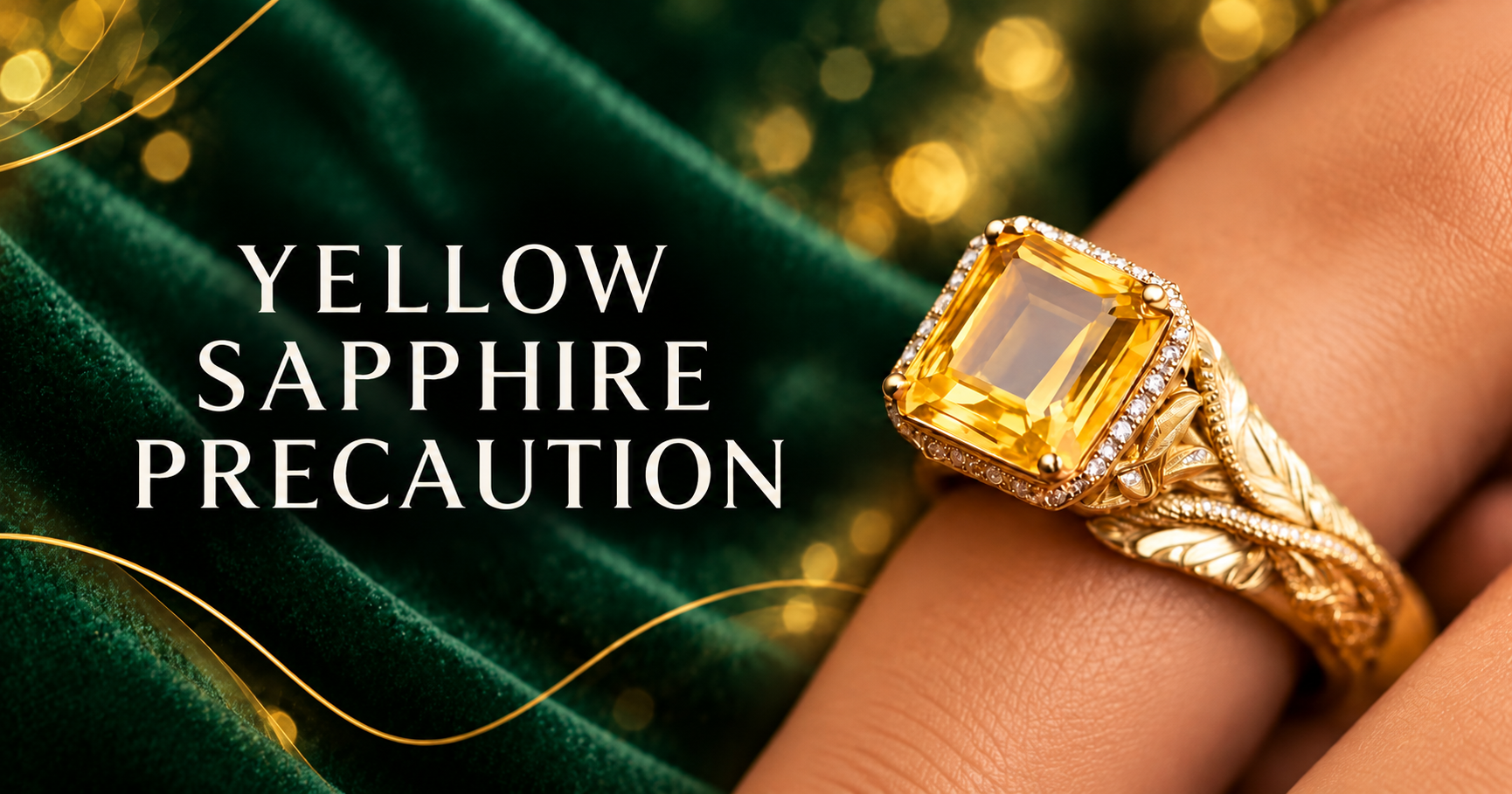
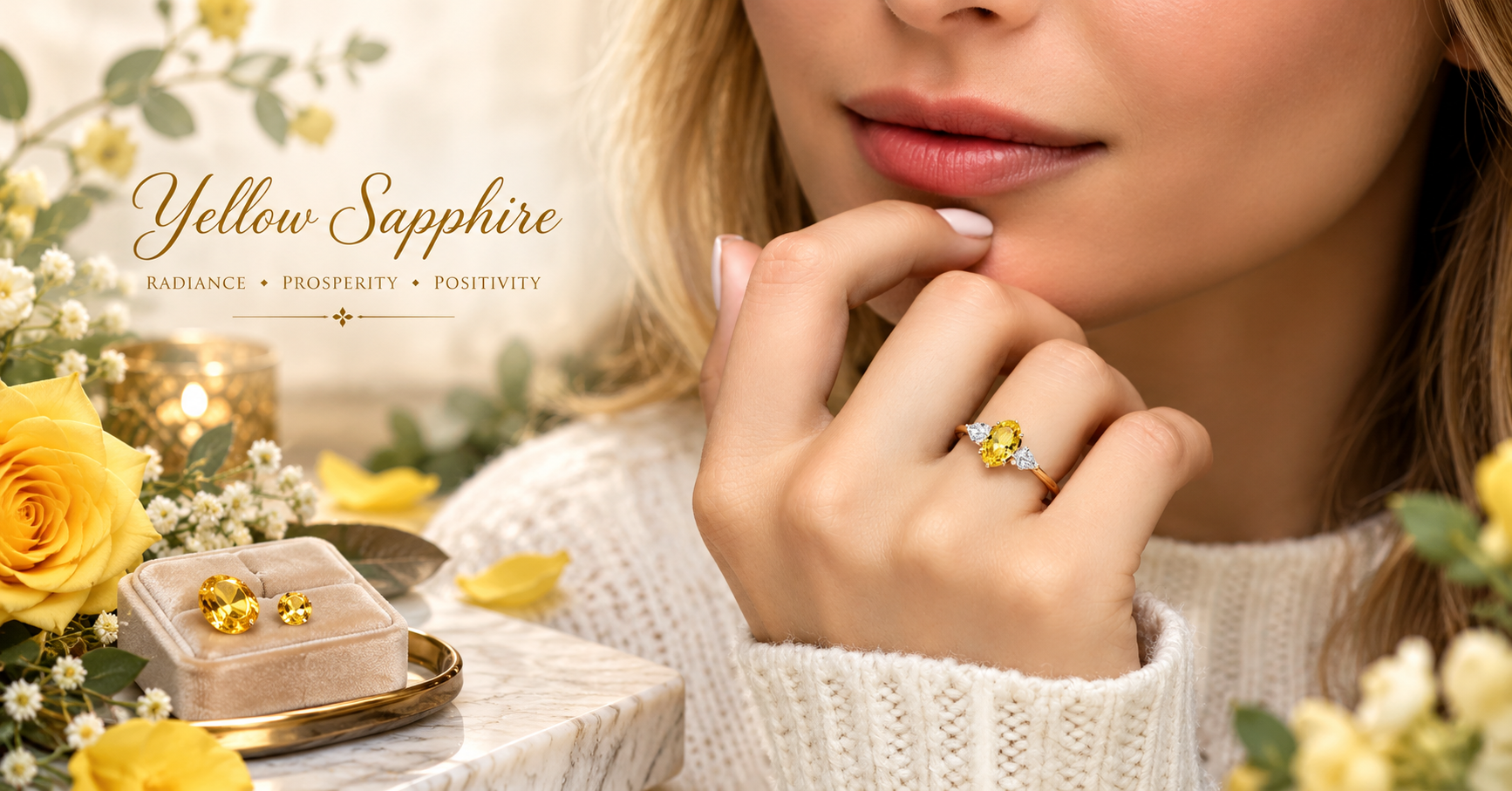
Yellow Sapphire, commonly known as Pukhraj. It is one of the most popular gemstones associated with Vedic astrology. Its bright yellow colour, durability, and traditional connection with Jupiter (Guru) have made it a popular choice for both jewellery lovers and people who follow astrological traditions.
Choosing a Yellow Sapphire involves more than simply picking a yellow gemstone and wearing it. Its authenticity, quality, treatment status, size, setting, and intended purpose are all worth considering before making a purchase.
If you are planning to wear Pukhraj, knowing these precautions can help you make a more informed decision and take better care of your gemstone.
Let's have a quick look at this beautiful guide about the precaution of Yellow Sapphhiew
1. Who Should Wear Yellow Sapphire?
In Vedic astrology, Yellow Sapphire is traditionally associated with Jupiter, a planet connected with knowledge, wisdom, prosperity, learning, and spiritual growth.
According to traditional astrological practices, whether Pukhraj is suitable for someone depends on the position and strength of Jupiter in their birth chart. For this reason, astrologers generally recommend examining the complete birth chart before selecting Yellow Sapphire for astrological purposes.
There is also a difference between wearing Pukhraj as jewellery and wearing it for traditional astrological reasons. You may simply like the gemstone for its colour and beauty, while someone else may choose it because of its association with Jupiter. Understanding your reason for buying the stone can help you decide what qualities and information matter most.
2. Who Should Avoid Yellow Sapphire According to Traditional Astrology?
Traditional Vedic astrology does not consider Yellow Sapphire suitable for everyone. Depending on an individual's birth chart, an astrologer may recommend wearing Pukhraj or may suggest avoiding it.
This assessment can involve factors such as the ascendant, Jupiter's house placement, planetary aspects, conjunctions, and its overall position in the chart.
Therefore, it is better not to assume that Yellow Sapphire will be suitable simply because it is traditionally associated with Jupiter. If your purpose is astrological, consulting a knowledgeable astrologer and considering your complete birth chart is traditionally preferred over relying only on your zodiac sign.
It is also important to understand that these recommendations come from Vedic astrology traditions and are not scientifically established effects of the gemstone.
3. Choose a Natural and Untreated Yellow Sapphire
One of the most important precautions when purchasing Pukhraj is knowing exactly what you are buying.
Yellow Sapphire may be available in natural, synthetic, or treated forms. A natural sapphire develops through geological processes, whereas a synthetic sapphire is produced in a laboratory. Both can have similar chemical and physical properties, but they are different in origin.
Gemstones can also undergo treatments to improve their colour, clarity, or overall appearance. Treatments are not necessarily a negative feature, but they should be clearly disclosed to the buyer.
If you specifically want a natural and untreated Yellow Sapphire, ask the seller for information about its origin and treatment status. Transparent product information and proper documentation can make the purchasing process much easier.
4. Get Your Yellow Sapphire Authenticated
A Yellow Sapphire may look beautiful to the naked eye, but visual inspection alone cannot reliably establish all of its gemological characteristics.
For a valuable Pukhraj, a reputable gemological certificate can provide useful information about the gemstone. Depending on the laboratory and the type of report, testing may identify whether the stone is natural or synthetic and whether detectable treatments are present.
Certification becomes particularly important when purchasing a higher-value gemstone. It gives the buyer documented information to compare against the seller's description.
Before completing your purchase, check that the certificate details correspond to the actual gemstone you are receiving.
5. Select the Right Size and Quality
When purchasing Yellow Sapphire, it can be tempting to focus primarily on carat weight. However, bigger does not automatically mean better.
Several characteristics should be considered together:
Colour
Colour is one of the first things people notice in a Yellow Sapphire. Look for an attractive, even colour and consider how it appears under different lighting conditions.
Clarity
Natural sapphires can contain inclusions because they form naturally. The number, size, position, and visibility of these inclusions can influence the gemstone's appearance and value.
Cut
The cut affects how the gemstone interacts with light. A well-cut Yellow Sapphire can display better brilliance and make the stone appear more lively.
Carat Weight
Carat refers to the weight of the gemstone, not necessarily its quality. Larger natural Yellow Sapphires can be more difficult to find, but size should always be considered alongside colour, clarity, cut, and transparency.
Transparency
Transparency can contribute significantly to a sapphire's visual appeal. A gemstone with good transparency can allow light to travel through the stone and create a brighter appearance.
Overall Appearance
Rather than judging a Pukhraj by one feature, consider the gemstone as a whole. Colour, clarity, cut, transparency, and carat weight all contribute to its overall appearance and value.
6. Metal and Ring Considerations
The ring setting is another factor that should not be overlooked.
In traditional Vedic astrology, gold is commonly associated with Yellow Sapphire. Other metals may also be recommended in certain astrological traditions. If you are wearing Pukhraj specifically for astrological purposes, follow the recommendation appropriate to your individual practice.
From a jewellery perspective, however, the setting should primarily be secure and comfortable. The gemstone should be held firmly without unnecessary pressure, and the ring should fit properly.
A well-made setting also reduces the chance of accidentally loosening or damaging the gemstone during everyday activities.
7. Traditional Day and Time to Wear Yellow Sapphire
According to traditional Vedic astrology, Thursday is associated with Jupiter and is therefore commonly considered an appropriate day for wearing Pukhraj.
Some traditional practices recommend wearing Yellow Sapphire in the morning after performing specific prayers, purification rituals, or Jupiter-related practices. Certain people also recite Jupiter mantras while wearing the gemstone.
These practices are part of Vedic astrology and cultural tradition rather than scientifically proven requirements for wearing a sapphire.
If you are following an astrological recommendation, it is better to follow one consistent method from a knowledgeable practitioner instead of combining different rituals without understanding their significance.
8. Yellow Sapphire Cleaning and Maintenance
Proper maintenance can help keep your Yellow Sapphire looking attractive for years.
For regular cleaning, gently wash the gemstone with mild soapy water and use a soft brush to remove dirt around the setting. Rinse it thoroughly and dry it with a soft, lint-free cloth.
Avoid harsh chemicals, abrasive cleaning products, and unnecessary exposure to strong physical impact.
When you are not wearing the ring, store it separately from other jewellery to reduce the risk of scratches or accidental damage.
It is also a good idea to inspect the ring setting from time to time. If the gemstone becomes loose or the prongs appear worn, have the ring checked by a professional jeweller before wearing it again.
9. Common Mistakes to Avoid When Wearing Yellow Sapphire
A few simple mistakes can affect your experience with Pukhraj or create unnecessary purchasing risks.
Buying without checking authenticity: A gemstone's appearance alone cannot establish whether it is natural, synthetic, or treated.
Choosing only by size: A large stone is not automatically a high-quality stone. Look at its overall characteristics.
Ignoring treatment information: Always ask whether the gemstone has been treated and make sure the information is clearly disclosed.
Purchasing from an unreliable seller: Choose a seller who provides transparent gemstone details, appropriate documentation, and clear purchasing information.
Wearing a poorly fitted ring: A loose ring can increase the possibility of losing the gemstone, while an uncomfortable setting can cause unnecessary irritation.
Ignoring astrological considerations: If you are purchasing Pukhraj for astrological purposes, traditional practice recommends considering the complete birth chart rather than relying solely on general zodiac-sign recommendations.
10. Yellow Sapphire Side Effects: What to Do If You Experience Discomfort
Yellow Sapphire is sometimes associated with different effects in traditional astrological discussions, particularly when an astrologer considers the gemstone unsuitable for a particular birth chart. These are traditional astrological beliefs and are not scientifically established effects of wearing sapphire.
Physical discomfort should be considered separately.
If you notice redness, itching, swelling, irritation, or discomfort after wearing a Yellow Sapphire ring, the problem may be related to the ring metal, setting, accumulated dirt or moisture, or individual skin sensitivity rather than the sapphire itself.
If irritation occurs, remove the jewellery and see whether the symptoms improve. If the reaction continues, becomes severe, or you suspect an allergic reaction, seek appropriate medical advice.
Persistent physical symptoms should not be ignored simply because the jewellery is being worn for astrological purposes.
11. Final Thoughts
Choosing a Yellow Sapphire involves more than selecting a bright yellow gemstone. Whether you are buying Pukhraj for its beauty, jewellery appeal, or traditional astrological significance, taking the right precautions can help you make a more informed purchase.
Before buying, consider the gemstone's authenticity, treatment status, quality, size, certification, and setting. If you are purchasing it for astrological purposes, traditional practice also recommends checking its suitability according to your individual birth chart.
Most importantly, purchase your Yellow Sapphire from a transparent and trustworthy gemstone seller who can provide clear information about the stone's characteristics and certification.
With careful selection, proper setting, and regular maintenance, Yellow Sapphire can remain a beautiful and durable part of your jewellery collection for years to come.
Frequently Asked Questions About Yellow Sapphire Precautions
1. What precautions should I take before wearing Yellow Sapphire?
Before wearing Yellow Sapphire (Pukhraj), check its authenticity, quality, treatment status, and certification. If you are wearing it for astrological purposes, traditional practice recommends checking its suitability according to your birth chart.
2. Can everyone wear Yellow Sapphire?
Not necessarily, according to Vedic astrology. Traditional astrologers consider Jupiter's position in an individual's birth chart before recommending Pukhraj. For jewellery purposes, however, Yellow Sapphire can simply be selected based on personal preference and gemstone quality.
3. Who should avoid wearing Yellow Sapphire?
According to traditional astrology, some people may be advised to avoid Yellow Sapphire depending on Jupiter's placement and other factors in their birth chart. A complete birth-chart analysis is traditionally recommended rather than relying only on a person's zodiac sign.
4. Should I choose a natural or treated Yellow Sapphire?
This depends on your preferences and purpose. If you specifically want a natural and untreated Pukhraj, ask for clear disclosure of its origin and treatment status and consider obtaining a reputable gemological certificate.
5. How can I check whether a Yellow Sapphire is genuine?
A professional gemological report is one of the most reliable ways to obtain information about a gemstone's identity, natural or synthetic origin, and detectable treatments. Visual appearance alone cannot confirm all of these characteristics.
6. Is a bigger Yellow Sapphire always better?
No. Carat weight is only one factor when evaluating a Yellow Sapphire. Colour, clarity, cut, transparency, and overall appearance should also be considered when selecting a gemstone.
7. Which metal is traditionally used for Yellow Sapphire?
Gold is traditionally associated with Yellow Sapphire in Vedic astrology. The appropriate metal can vary according to individual astrological practices, while from a jewellery perspective, the security and comfort of the ring setting are important considerations.
Have Questions Regarding This Gemstone?
Connect 1-on-1 with GemRishi’s certified Vedic gemologists on WhatsApp for personalized birth chart recommendations, lab certificate verification, or custom jewelry quotes.
Gemrishi
Gemrishi is a certified gemologist and Vedic astrology scholar at GemRishi with over 15 years experience in natural gemstone origin authentication.