Why Does Alexandrite Look Different in Photos and Real Life?
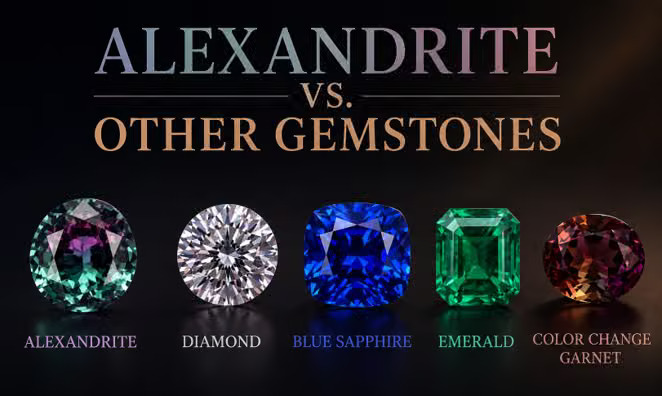
Alexandrite is a variety of chrysoberyl known for its rarity and mesmerizing color-changing ability. If you loved color-changing mood rings as a kid, alexandrite is the perfect upscale, sophisticated adult version.
This gemstome was discovered in Russia, but alexandrite’s is beloved by gem enthusiasts and jewelers worldwide.
One of the alexandrite’s nicknames is “Emerald by day, ruby by night.” The colors of an alexandrite gemstone will transport you to a suave holiday party, where sparkling greens and reds abound. Yet the stone’s beauty is sure to captivate year-round.
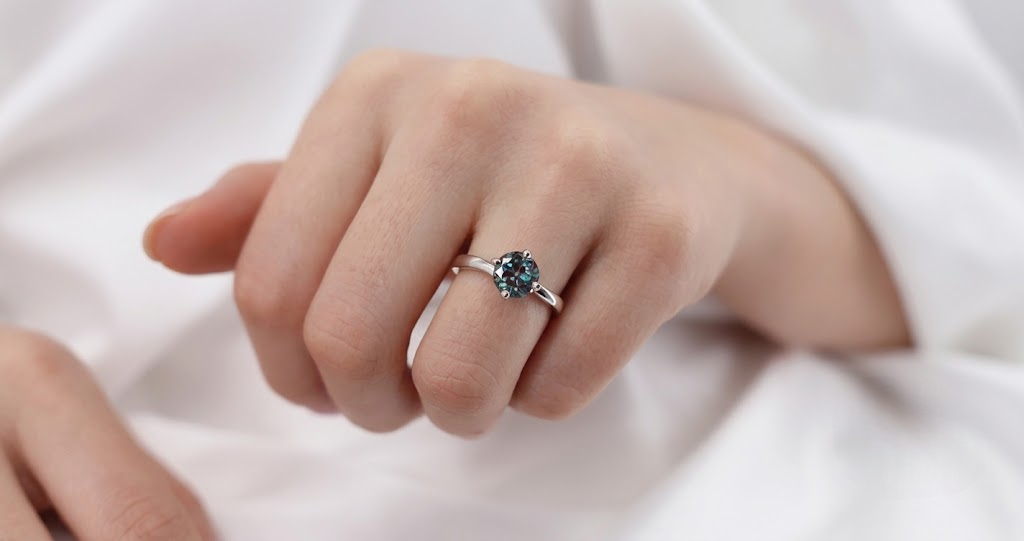
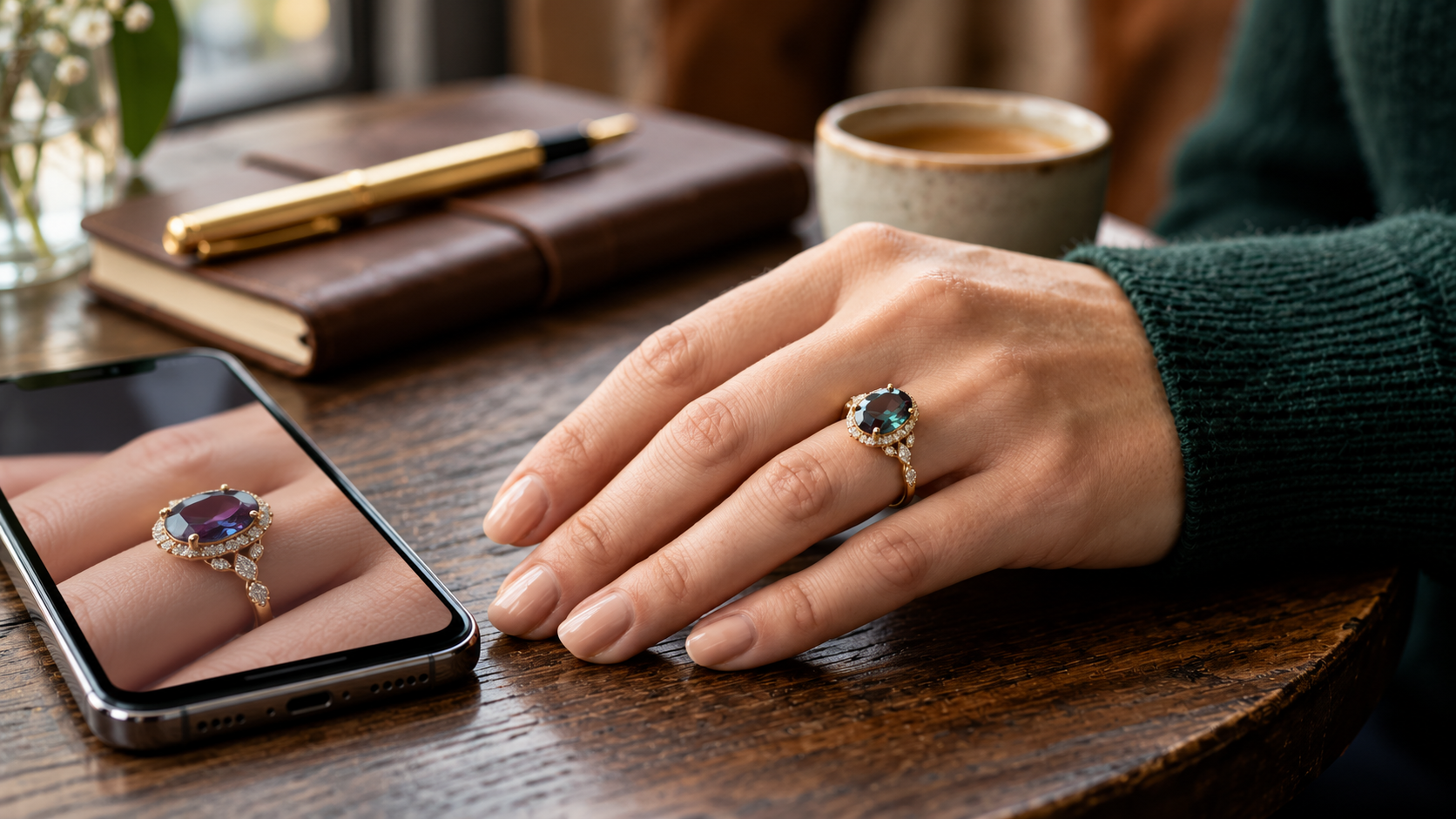
When the Alexandrite arrived, it looked more purple. Near a window, the green returned. Your phone camera still showed something different.
Which colour should you trust?
This can happen with Alexandrite. Its colour depends on the lighting, and a camera may not record exactly what your eyes see. A photograph can show one side of the stone while leaving out much of its everyday appearance.
In this guide we will explore and learn about surprising color effects of Alexandrite.
The Light Makes the First Difference
Alexandrite can appear green or bluish green in daylight. Under incandescent light, it can show red or purplish-red tones. This happens because of this gemstone have unique property to absorbs light in different way. Change the light source, and you change the colour balance reaching your eyes.
You may have heard Alexandrite described as “emerald by day, ruby by night.” It is a memorable phrase, but it can create the wrong expectation. The stone does not change because evening has arrived. It responds to the light around it.
Alexandrite also has an attractive colour change, rather than a promise for every stone. Some Alexandrites show softer colours or brownish tones. Others look quite dark.
When browsing gemstones at GemRishi, focus on the individual stone’s description. A famous example of Alexandrite may look very different from the one you are considering.
Your Camera Has Its Own Version of the Colour
Try photographing something under a warm lamp. Your phone may make the scene look less yellow than it does in person.
That is partly the work of white balance. Cameras use it to adjust for the colour of the lighting. Different settings can make the same subject look warmer or cooler.
With Alexandrite, this adjustment matters. The gemstone’s colour is already changing with the light. The camera then applies its own correction to the scene.
So you might see a greenish stone while the photograph looks more purple. The mismatch alone does not tell you whether the stone is genuine or whether the seller edited the image.
Photographing Alexandrite accurately takes care. GIA uses controlled lighting and checks reproduced images against the actual stones. Even professional equipment needs a careful process.
The Photo Changes Again on Your Screen
Have you ever opened the same photograph on two phones and noticed a difference?
Display settings are another part of the problem. A warm screen mode can shift the colours you see. Some devices also adjust their display according to the surrounding light. Apple’s Night Shift and True Tone are examples.
Before comparing product photos, turn off warm display filters. Keep the brightness steady and use the same device.
This will make your comparison more consistent. It still cannot show you exactly how a gemstone will look in your hand.
A Still Photo Only Shows One Angle
Lighting is not the only reason Alexandrite can look different.
The stone also has a property called pleochroism. In simple terms, it can show different colours when viewed from different crystal directions. This is separate from its colour change under different light sources.
That is why a rotating video can reveal something a single photograph misses. You see the stone from several positions instead of one carefully chosen angle.
The cut matters too. Gem cutters consider the crystal’s orientation when deciding how to bring out its colour change.
If you are choosing a stone for a ring, ask for a steady view from the top. You will spend far more time looking at it that way than from the side. Keep this in mind when discussing a setting through GemRishi’s custom jewellery page.
What Should You Ask the Seller?
“What does this stone look like to your eyes in ordinary lighting?”
A useful answer should describe the actual colours. “Bluish green in daylight and brownish red under incandescent light” tells you more than “amazing colour change.”
Then ask for photographs under clearly named light sources. “Indoor lighting” is not specific enough to repeat the comparison at home.
A short video is helpful as well. Request a face-up view, followed by gentle movement under each light source. Remember that video still goes through a camera and screen. It gives you more information, but it is not a perfect substitute for seeing the stone.
For identity, look beyond the images. Ask for an independent laboratory report that matches the gemstone. GIA offers Alexandrite identification reports, with an origin opinion when possible and requested.
Before ordering from GemRishi, also read the return policy. Confirm the terms for your particular purchase, especially if it will be set into jewellery.
When the Stone Arrives, Put the Phone Aside First
Look at it with your own eyes before trying to photograph it.
Begin near a window in daylight. Switch off nearby room lights so you are not mixing sources. Then view the stone separately under the type of warm light the seller used.
Keep the background simple. Look from the top, then tilt the stone gently. Notice the colour and how bright or dark it appears.
You may find that you enjoy one of its colours more than the other. That is useful to know. You will wear it in everyday surroundings, not only under the lighting used for its product photograph.
If it looks substantially different from the description, contact the seller promptly. Explain the lighting you used and what you observed.
Frequently Asked Questions
Why does my Alexandrite look greener in person than in photos?
The camera’s colour settings may contribute to the difference. Lighting and your screen can also affect the result. Try comparing the photograph and stone under clearly identified conditions.
Does every Alexandrite turn bright red?
No. Colours and colour-change strength vary between stones. Some show purplish-red or brownish-red tones rather than a vivid red.
Does a different colour mean the stone is fake?
No. A photo mismatch is not an identification test. If you are unsure about the gemstone, have it assessed by a reputable gemmological laboratory.
Can I choose Alexandrite from photos alone?
Photos are a starting point. A video, a clear description and a matching laboratory report give you a better basis for deciding.
Have Questions Regarding This Gemstone?
Connect 1-on-1 with GemRishi’s certified Vedic gemologists on WhatsApp for personalized birth chart recommendations, lab certificate verification, or custom jewelry quotes.
Gemrishi
Gemrishi is a certified gemologist and Vedic astrology scholar at GemRishi with over 15 years experience in natural gemstone origin authentication.