Maa Kushmanda and White Sapphire: Exploring the Navratri Day 4 Connection
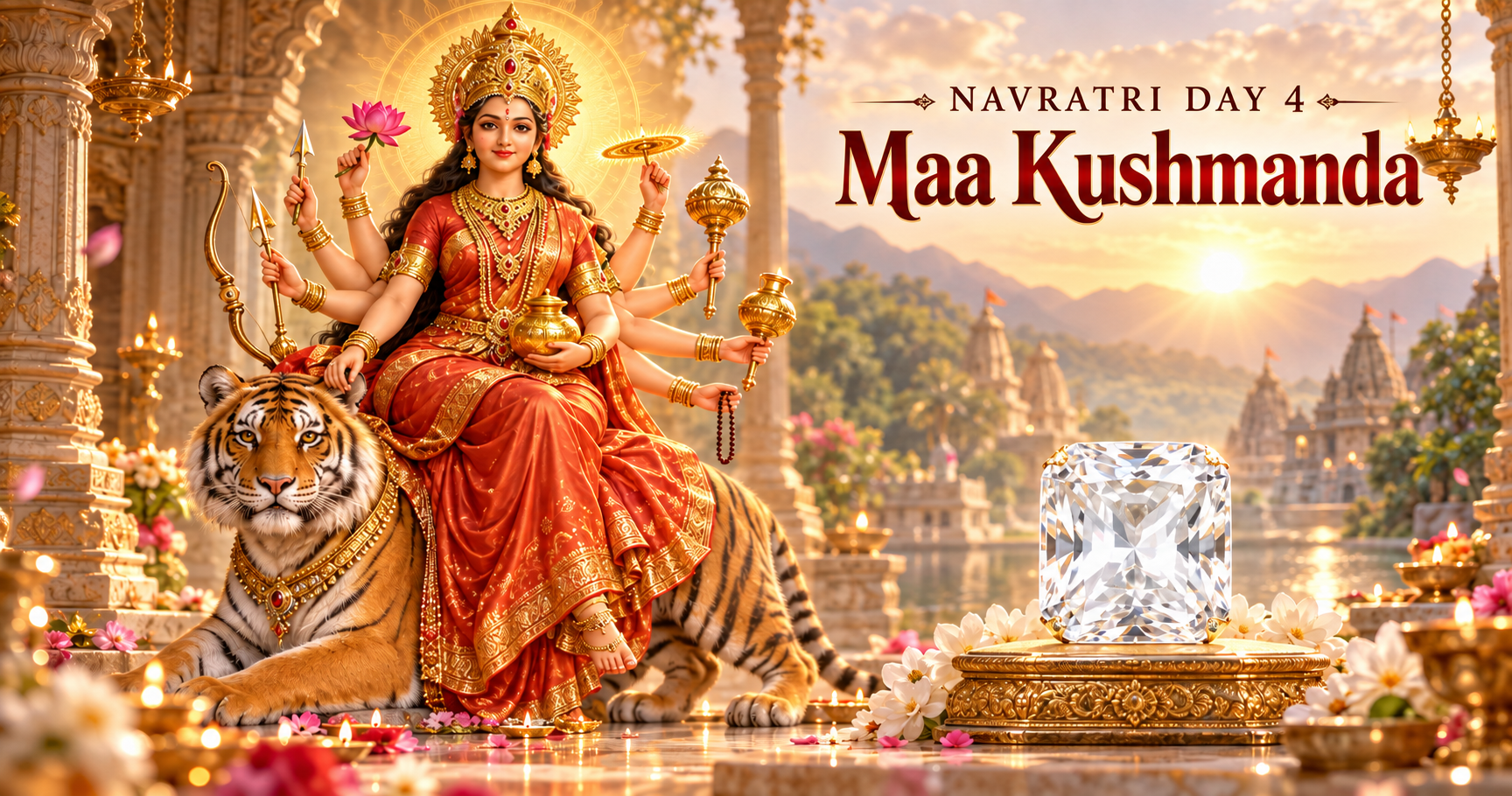
Navratri 2026 day 4: Navratri, the nine-day festival, starting on Sunday, October 11, 2026 and will conclude on Monday, October 19, 2026 with Vijayadashami or Dussehra. The fourth day of Shardiya Navratri is dedicated to Goddess Kushmanda, when devotees offer prayers to this form of Maa Durga and seek her divine blessings.
A smile that brings the universe to life is a beautiful image to reflect on during Navratri. In Hindu devotional tradition, this act of creation belongs to Maa Kushmanda, the fourth form of Goddess Durga. She is associated with the radiance of the Sun and the energy that sustains creation.
Gemstones offer another way to explore the festival’s symbolism. White Sapphire, also called Safed Pukhraj, appears in some modern Navratri gemstone pairings alongside Diamond for Maa Kushmanda. Its colourless appearance provides a visual starting point for reflecting on light and purity. However, this is a symbolic association, rather than a universally prescribed part of her worship.
So, how does White Sapphire fit into the meaning of Navratri Day 4? Let’s begin with the goddess herself.
Why Is Maa Kushmanda Worshipped on Navratri Day 4?
The fourth day of Navratri, associated with Chaturthi, honours Maa Kushmanda. According to the traditional story, she brought the universe into existence with her gentle smile when there was darkness all around.
She is commonly depicted with eight arms, which gives her the name Ashtabhuja Devi. Her association with the Sun expresses her creative power and radiant presence. Devotees turn to her in prayer for strength, wellbeing and the courage to move forward.
Her story offers a thoughtful way to approach the day. For a devotee, that can be a reminder to begin something worthwhile, encourage someone or return to a responsibility with fresh attention.
Where Does White Sapphire Enter the Picture?
Some astrology suggests pair Maa Kushmanda with Diamond or White Sapphire. Other sources use different gemstones, so there is no single pairing that should be presented as universal across Hindu traditions.
For this article, the connection is best understood through the imagery of light.
Maa Kushmanda’s story centres on the emergence of creation from darkness. A faceted White Sapphire catches and reflects light. Placing these ideas together offers a symbolic interpretation: the gemstone can serve as a personal reminder of the brightness celebrated in her story.
That meaning comes from the wearer’s intention. It does not mean that White Sapphire contains the goddess’s energy or that owning one is necessary to receive her blessings.
If you would like to see the stone’s appearance, explore the White Sapphire collection at GemRishi.
What Is White Sapphire, or Safed Pukhraj?
White Sapphire is the colourless variety of corundum mineral family . The word “white” is a trade description; a fine example is transparent and colourless rather than opaque white.
It is a separate gemstone from Diamond. Sapphire measures 9 on the Mohs hardness scale, making it resistant to scratching and suitable for many jewellery settings. It still needs careful handling because hardness does not make a gemstone impossible to damage.
You may recognise its relatives, such as Blue Sapphire or Neelam and Yellow Sapphire or Pukhraj. Their shared mineral family does not make their appearance or traditional astrological associations identical.
For more background, read GemRishi’s guide to White Sapphire.
Does the Connection Come from Astrology?
In gemstone astrology, White Sapphire is commonly associated with Venus, or Shukra, while Ruby is associated with the Sun. Maa Kushmanda’s solar imagery should therefore not be used to describe White Sapphire as a Sun gemstone.
This also explains why you may come across Ruby or Manik in discussions of solar symbolism.
The White Sapphire connection explored here is a devotional interpretation based on radiance and appearance. It is separate from choosing a gemstone according to an astrological chart.
Readers interested in traditional wearing practices can explore GemRishi’s Safed Pukhraj wearing vidhi guide. Such practices belong to belief traditions; they should not be treated as guarantees of health, prosperity or success.
Bringing the Meaning into Your Navratri Celebration
If you already wear White Sapphire jewellery, you could use it as a reminder of an intention for the day. Perhaps you want to approach your work with more patience, make time for prayer or finally begin a creative project you have been postponing.
A few simple ways to reflect on Maa Kushmanda’s story include:
- Begin something constructive. Take the first step towards a task that matters to you.
- Offer encouragement. A kind conversation can make someone’s day easier.
- Pause for gratitude. Notice the people and opportunities that support your daily life.
- Follow your family’s worship traditions. Keep your celebration rooted in the practices you understand and value.
Choosing White Sapphire Jewellery for the Festival
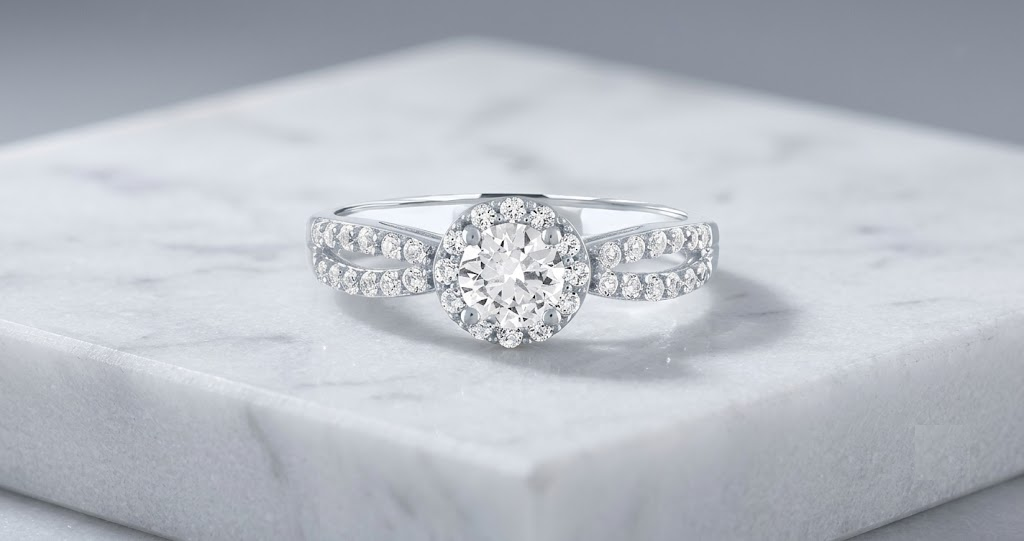
White Sapphire’s neutral appearance gives you room to experiment with jewellery designs. A small pendant can suit a simple festive outfit, while a ring places the gemstone where you can enjoy its appearance throughout the day.
Before choosing a stone, look beyond the photograph.
Ask About Identification and Treatment
Check whether the sapphire is natural or laboratory grown, and ask about any disclosed treatments. A laboratory report should be relevant to the actual stone you are considering. Sapphire treatments can affect appearance and care requirements.
Look at the Stone in Different Lighting
Request a clear video as well as photographs. Notice whether the stone looks lively, whether any cloudiness is visible and whether its appearance appeals to you outside bright display lighting.
Consider the Setting and Your Budget
Think about how often you will wear the piece. A comfortable setting and suitable dimensions matter as much as carat weight. Choose an amount you are comfortable spending, without treating a larger gemstone as a measure of devotion.
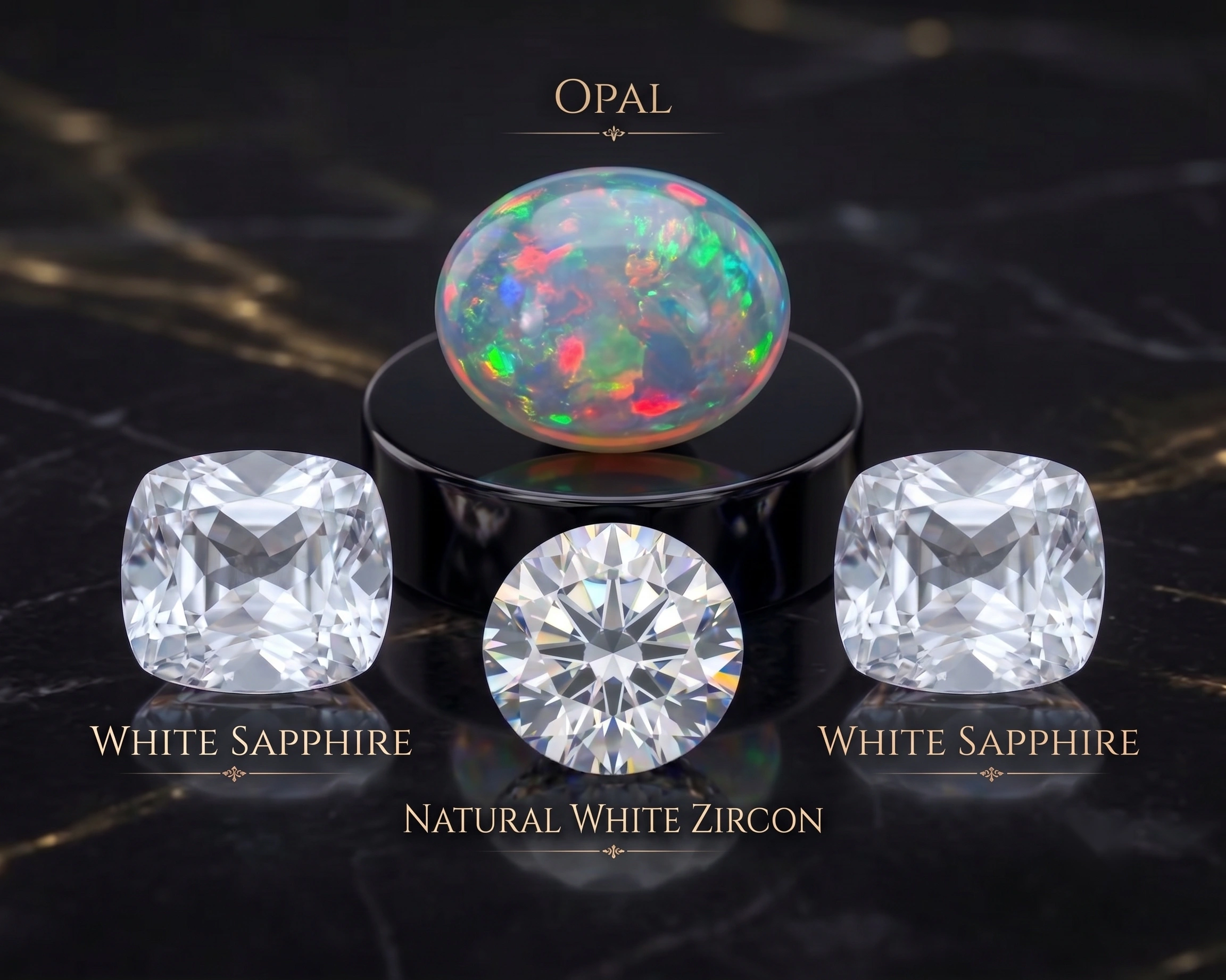
You can browse GemRishi to explore options or visit its custom jewellery page for setting ideas. If you are comparing different appearances, the article on White Sapphire, Zircon and Opal offers further reading.
Frequently Asked Questions
Which goddess is worshipped on Navratri Day 4?
Maa Kushmanda, the fourth form of Goddess Durga, is worshipped on Navratri Day 4. Her traditional story connects her with creation and the Sun’s radiance.
Is White Sapphire the only gemstone associated with Maa Kushmanda?
No. Modern gemstone guides offer different pairings. Some mention Diamond or White Sapphire, while others follow different arrangements. It is more accurate to explain the particular symbolism than to claim one universal gemstone.
Are White Sapphire and Diamond the same?
No. White Sapphire is colourless corundum and is a distinct gemstone. A similar colourless appearance does not make the two stones identical.
Should I buy White Sapphire specifically for Navratri Day 4?
You can choose it if you enjoy its appearance or find the symbolism meaningful. This association alone is not a reason to feel obliged to purchase a gemstone.
Have Questions Regarding This Gemstone?
Connect 1-on-1 with GemRishi’s certified Vedic gemologists on WhatsApp for personalized birth chart recommendations, lab certificate verification, or custom jewelry quotes.
Gemrishi
Gemrishi is a certified gemologist and Vedic astrology scholar at GemRishi with over 15 years experience in natural gemstone origin authentication.