How to Wear Peridot Stone for Astrological Benefits: Complete Guide
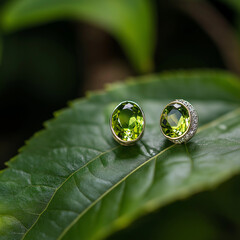
Peridot is a beautiful green gemstone admired for its vibrant color, natural brilliance, and traditional astrological associations. In gemstone traditions, Peridot is often associated with Mercury (Budh) and is considered by some practitioners as an alternative gemstone for Emerald.
If you are planning to wear Peridot for astrological purposes, knowing the correct finger, metal, day, weight, and traditional wearing procedure can help you follow the recommended practice.
In this guide, we explain how to wear Peridot stone for astrological benefits, along with important tips for choosing and caring for your gemstone.
What Is Peridot Stone?
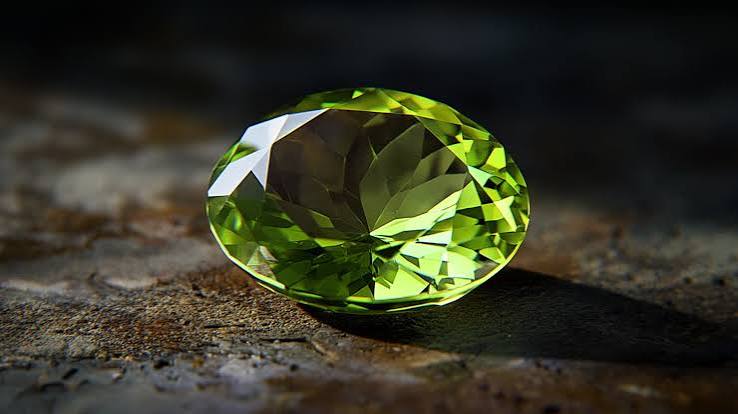
Peridot is a naturally occurring green gemstone belonging to the olivine mineral family. Its green color can range from yellowish-green to olive green.
Unlike gemstones that receive their color from trace elements or treatments, Peridot's characteristic green color is an inherent feature of its mineral composition.
For people interested in gemstone astrology, choosing a natural and certified gemstone is an important first step.
Explore GemRishi's Certified Gemstones Collection to learn more about natural, laboratory-certified gemstones.
Peridot Stone and Mercury in Astrology
In Vedic astrology, Mercury (Budh) is traditionally associated with:
- Intelligence
- Communication
- Business and commerce
- Analytical thinking
- Mathematics
- Learning
- Writing and speaking
- Reasoning and decision-making
Peridot is traditionally associated with Mercury by some gemstone practitioners. However, gemstone recommendations should ideally be based on an individual's birth chart rather than simply their zodiac sign.
For those exploring Mercury-associated gemstones, Emerald (Panna) is traditionally regarded as the principal gemstone of Mercury.
Explore GemRishi's Emerald (Panna) Collection for natural Emerald options.
How to Wear Peridot Stone for Astrological Benefits
If Peridot has been recommended to you by an astrologer, the following traditional method is commonly followed.
1. Choose a Natural Peridot
The quality and authenticity of the gemstone are important considerations.
Before purchasing Peridot, look for:
- Natural origin
- Good transparency
- Attractive green color
- Good clarity
- Proper gemstone identification
- Laboratory certification where available
Avoid purchasing a gemstone solely because it looks attractive. A reliable gemstone seller should provide appropriate information about the stone.
You can also refer to the GemRishi Gemstone Buying Guide for guidance on selecting a gemstone according to your requirements.
2. Select the Right Weight
In traditional astrology, gemstone weight may be recommended according to factors such as:
- Birth chart
- Planetary strength
- Body weight
- Age
- Astrological requirement
There is no single gemstone weight that is suitable for everyone.
Therefore, it is better to consult an experienced astrologer before deciding on the carat or ratti weight of your Peridot.
3. Choose the Appropriate Metal
Peridot may be set in different metals depending on the purpose of wearing it.
Traditionally used options include:
- Gold
- Silver
- Panchdhatu
Gold is commonly preferred in many astrological gemstone practices, but the appropriate metal can vary according to the individual's horoscope.
4. Wear Peridot on the Little Finger
The little finger is traditionally associated with Mercury in Vedic astrology.
Therefore, Peridot is commonly recommended to be worn as a ring on the little finger of the working hand.
For traditional astrological purposes, the gemstone is generally set in such a way that the stone touches the skin.
Which Day Should You Wear Peridot?
Wednesday (Budhwar) is traditionally associated with Mercury and is therefore considered an appropriate day for wearing Mercury-related gemstones.
Many practitioners prefer wearing the gemstone in the morning, after completing the traditional purification and energization process.
The exact timing, however, may depend on the individual's birth chart.
How to Energize Peridot Before Wearing It
In traditional Vedic gemstone practices, a gemstone may be purified and energized before wearing.
A commonly followed procedure includes:
Step 1: Clean the Ring
Clean the ring gently using clean water and a soft cloth.
Step 2: Traditional Purification
Some practitioners place the gemstone in clean water or a traditional purification mixture.
However, avoid prolonged soaking or harsh substances unless you know that the gemstone and its setting can safely tolerate them.
Step 3: Place the Ring in a Clean Prayer Space
The ring may traditionally be placed before a deity or in a clean पूजा space.
Step 4: Chant the Mercury Mantra
A commonly associated Mercury mantra is:
“Om Braam Breem Braum Sah Budhaya Namah”
It is traditionally chanted 108 times.
Step 5: Wear the Gemstone
After completing the traditional ritual, wear the Peridot ring on the recommended finger.
Astrological Benefits Traditionally Associated With Peridot
Peridot is traditionally associated with Mercury and is therefore believed by some practitioners to support Mercury-related qualities.
1. Communication Skills
Mercury represents communication and expression. Peridot is traditionally believed to support clear communication, speaking ability, and self-expression.
2. Intellectual Development
Mercury is associated with intellect, reasoning, and learning. Peridot is therefore sometimes recommended for people seeking to encourage mental clarity and analytical thinking.
3. Business and Commerce
Mercury is traditionally connected with business, trade, accounting, and commercial activities.
Because of this association, Mercury-related gemstones are often considered by business professionals and entrepreneurs.
4. Learning and Creativity
Mercury is also associated with education, writing, mathematics, and intellectual creativity. Peridot is consequently linked in traditional practices with learning and creative expression.
Who Can Wear Peridot?
Peridot should ideally be recommended after examining the individual's birth chart.
It may be considered by people involved in professions such as:
- Business
- Trading
- Writing
- Teaching
- Accounting
- Sales
- Communication
- Research
- Marketing
- Entrepreneurship
However, profession alone does not determine whether Peridot is astrologically appropriate.
If you are unsure which gemstone is suitable for you, consult a qualified astrologer or use a professional gemstone selection service.
Peridot vs Emerald: Which One Should You Wear?
Peridot and Emerald are both green gemstones, but they are different minerals.
FeaturePeridotEmeraldMineral familyOlivineBerylTypical colorYellowish-green to olive greenGreenHardnessAround 6.5–7 MohsAround 7.5–8 MohsTraditional planetary associationMercury in some traditionsMercuryAvailabilityGenerally more accessibleComparatively rarer and more valuableAstrological statusSometimes considered an alternativeTraditionally the primary Mercury gemstone
Emerald (Panna) is traditionally considered the principal gemstone associated with Mercury in Vedic astrology, while Peridot may be considered an alternative in some practices.
Read more about Emerald through the GemRishi Emerald Collection.
How to Choose a Genuine Peridot
When buying Peridot for jewelry or traditional astrological use, pay attention to:
Color
Look for an attractive, evenly distributed green color without an overly brown or dull appearance.
Transparency
Higher transparency can enhance the gemstone's brilliance and visual appeal.
Clarity
Natural Peridot can contain inclusions. The overall appearance, durability, and beauty of the stone should be considered rather than expecting every natural gemstone to be completely inclusion-free.
Certification
A laboratory report can help verify the gemstone's identity and characteristics.
GemRishi offers natural, lab-certified gemstones and provides gemstone-buying guidance for customers looking for authentic stones.
How to Care for Your Peridot Ring
Peridot has a Mohs hardness of approximately 6.5–7, so it should be handled with reasonable care.
For regular cleaning:
- Use lukewarm water.
- Add a small amount of mild soap.
- Clean gently with a soft cloth.
- Rinse thoroughly.
- Dry with a soft, clean cloth.
Avoid exposing the gemstone unnecessarily to harsh chemicals, abrasive materials, or strong impacts.
Common Mistakes to Avoid When Wearing Peridot
Choosing an Unverified Gemstone
Always consider purchasing from a reliable gemstone seller and asking for appropriate certification.
Selecting the Weight Without Guidance
The ideal astrological gemstone weight can vary from person to person.
Wearing It Solely Based on Zodiac Sign
Your complete birth chart provides more information than your Sun sign alone.
Expecting Guaranteed Results
Astrological gemstone benefits are based on traditional beliefs and are not scientifically established.
Ignoring Gemstone Care
Improper cleaning or rough handling can damage the gemstone or its setting.
Frequently Asked Questions
Which finger should Peridot be worn on?
Traditionally, Peridot associated with Mercury is worn on the little finger.
Which day is best for wearing Peridot?
Wednesday is traditionally considered suitable because it is associated with Mercury.
Which metal is best for Peridot?
Gold is commonly used in traditional astrological practices, although the choice may depend on the individual's horoscope.
Can I wear Peridot as a pendant?
Yes. Peridot can be worn as a pendant for jewelry purposes. However, traditional astrological practices often favor a ring for direct skin contact.
Is Peridot a substitute for Emerald?
Peridot is sometimes considered an alternative to Emerald in gemstone traditions, but it should not automatically be treated as equivalent to Emerald.
Can everyone wear Peridot?
Not necessarily. If you are wearing it specifically for astrological purposes, it is advisable to have your birth chart evaluated first.
Final Thoughts
Peridot is a distinctive green gemstone valued for its natural beauty and traditional associations. In gemstone astrology, it is sometimes connected with Mercury (Budh) and is believed to support qualities such as communication, intellect, learning, and business skills.
If you plan to wear Peridot for astrological purposes, focus on selecting a genuine gemstone, choosing the appropriate weight and metal, wearing it traditionally on the recommended finger, and following a suitable wearing ritual.
For more information about gemstones, gemstone selection, and astrological jewelry, explore the GemRishi Gemstone Guide and GemRishi Journal.
GemRishi also offers natural, certified gemstones through its online collection, with a focus on authenticity and gemstone expertise.
Have Questions Regarding This Gemstone?
Connect 1-on-1 with GemRishi’s certified Vedic gemologists on WhatsApp for personalized birth chart recommendations, lab certificate verification, or custom jewelry quotes.
Gemrishi
Gemrishi is a certified gemologist and Vedic astrology scholar at GemRishi with over 15 years experience in natural gemstone origin authentication.