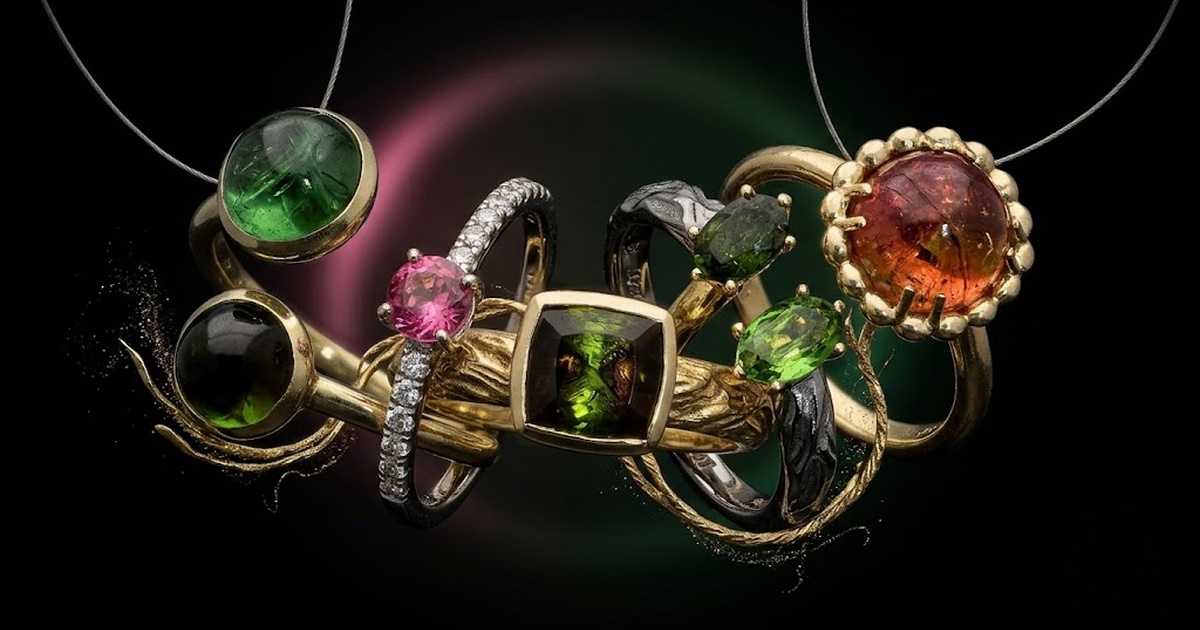
Black Tourmaline Explained: Why This Dark Gemstone Is Getting So Much Attention
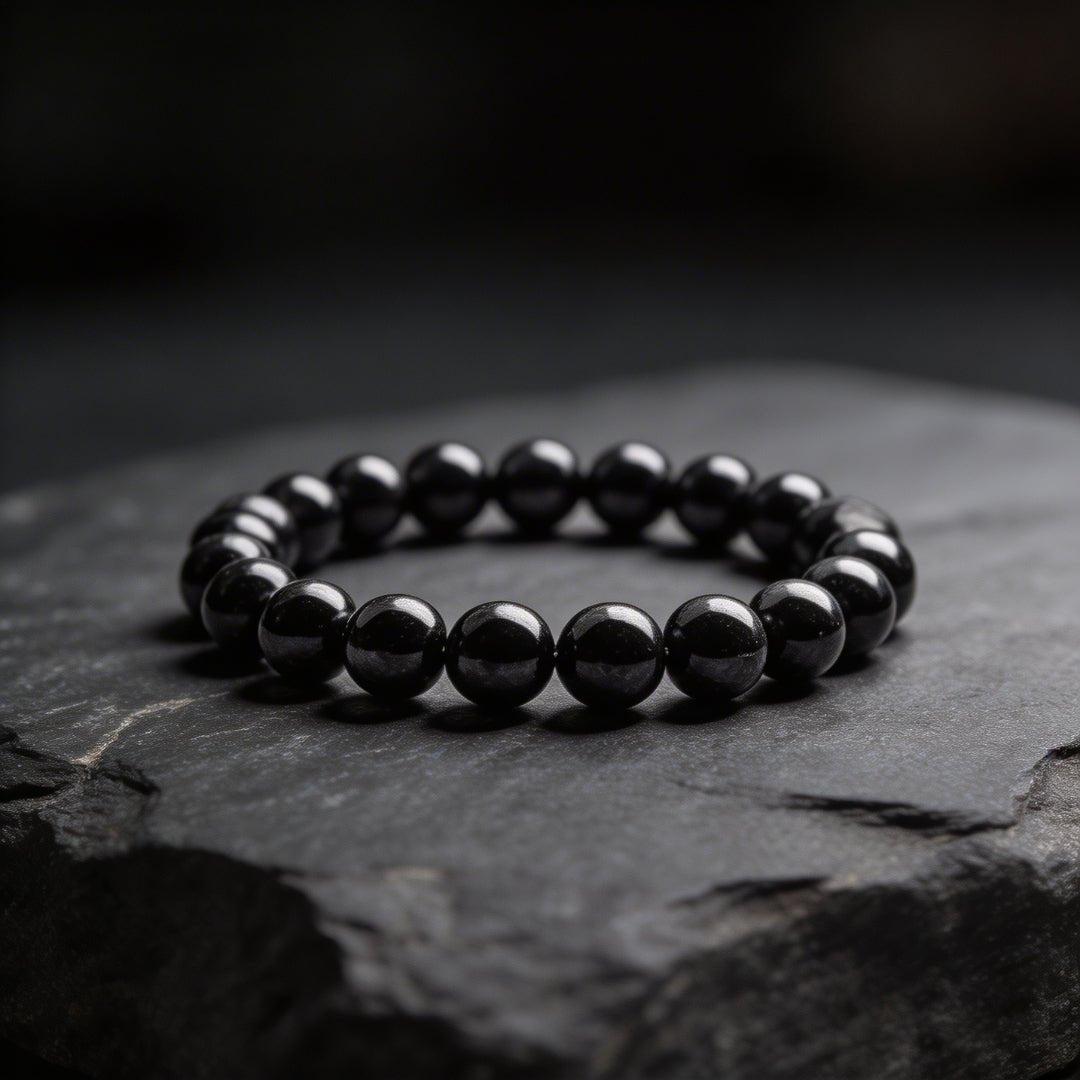
Black gemstones have a unique way of standing out. They do not need bright colours or flashes of light to catch attention. Their appeal often comes from their deep colour, natural character, and understated appearance.Black Tourmaline is a one of them.
Black Tourmaline is one of the most recognisable varieties of the Tourmaline mineral group. Unlike colourful varieties such as Pink, Green, or Paraíba Tourmaline, Black Tourmaline has a dark, opaque appearance that gives it a completely different personality. It is popular in jewellery, crystal collections, decorative pieces, and among people interested in the traditional symbolism associated with gemstones.
But why is this dark gemstone getting so much attention?
The answer is simple: Black Tourmaline combines a distinctive appearance, interesting mineral characteristics, everyday versatility, and strong traditional symbolism.
If you are exploring gemstones for jewellery or simply want to understand why Black Tourmaline has become so popular, this guide covers the important things you should know.
This guide why Black tourmaline is trending and breaking out the gemstone market.
What Is Black Tourmaline?
Black Tourmaline is the black variety of the Tourmaline mineral group and is commonly associated with the mineral Schorl. Tourmaline itself is a complex mineral group that occurs in an impressive range of colours, including pink, green, blue, red, yellow, and black.
Black Tourmaline is particularly recognisable because of its deep black colour and often elongated crystal structure.
One of the interesting things about Tourmaline is that its different colours are related to differences in chemical composition. This is why the same mineral group can produce gemstones that look completely different from one another.
For someone new to gemstones, Black Tourmaline can therefore be an interesting introduction to the wider world of natural gemstones.
You can explore more varieties through the GemRishi gemstone collection.
Why Is Black Tourmaline So Popular?
There is no single reason behind the growing interest in Black Tourmaline. Its popularity comes from a combination of appearance, versatility, and traditional associations.
1. Its Dark Colour Looks Modern
Black works with almost everything.
Whether used in a simple pendant, bracelet, ring, or statement jewellery design, Black Tourmaline can create a bold but understated appearance.
Its dark colour also gives it a contemporary feel. People who prefer minimalist jewellery may find Black Tourmaline particularly attractive because it does not depend on bright colours to make an impression.
2. Every Stone Has Natural Character
Natural Tourmaline can contain inclusions, surface characteristics, colour variations, and other features created during its formation.
This means that two pieces of Black Tourmaline may not look exactly the same.
For many gemstone lovers, this individuality is part of the attraction. Instead of looking perfectly uniform, a natural gemstone can show some of the characteristics that make it unique.
3. It Has Strong Traditional Symbolism
Black Tourmaline is widely associated in crystal and spiritual traditions with protection, grounding, and stability.
These are traditional and spiritual beliefs rather than scientifically established medical effects. People may choose the stone because its symbolism has personal meaning to them.
This distinction is important when discussing any gemstone associated with energy, healing, protection, or emotional benefits.
If you are interested in gemstones from a broader traditional perspective, you can also read GemRishi's complete gemstone buying guide, which explains how purpose, quality, certification, treatment, and personal preferences can influence gemstone selection.
Black Tourmaline and Its Traditional Meaning
Black Tourmaline is often described as a grounding and protective stone in modern crystal traditions.
Many people associate its dark colour with strength and stability. This symbolism has contributed significantly to its popularity among people who enjoy crystals and gemstones for spiritual or personal reasons.
However, it is useful to keep expectations realistic.
A gemstone should not be considered a replacement for professional medical, psychological, or financial advice. Traditional gemstone meanings are best understood as part of cultural, spiritual, or personal practices.
For jewellery buyers, there is also no requirement to believe in these traditions. Black Tourmaline can simply be appreciated as a natural gemstone with an attractive and distinctive appearance.
What Does Black Tourmaline Look Like?
The most obvious feature of Black Tourmaline is its deep black to dark appearance.
It is generally opaque rather than transparent, and its surface may show natural textures or crystal formations.
Some rough Black Tourmaline specimens have a strongly ridged or striated appearance. These natural patterns can make rough crystals especially interesting to collectors.
When cut or polished, Black Tourmaline can have a smoother and more refined appearance suitable for jewellery.
This difference between rough and polished material is worth remembering. A natural Black Tourmaline crystal may look very different from a finished gemstone used in jewellery.
Is Black Tourmaline Durable Enough for Jewellery?
Tourmaline has a Mohs hardness of approximately 7–7.5, giving it reasonable resistance to everyday scratching.
However, hardness does not mean a gemstone is impossible to damage.
Rings typically experience more knocks and contact with surfaces than pendants or earrings. Therefore, the jewellery design and setting are important when choosing Black Tourmaline for regular wear.
If you are purchasing a gemstone specifically for jewellery, consider:
- The type of jewellery
- The gemstone's cut
- The setting
- Your lifestyle
- How frequently you plan to wear it
- How the gemstone will be cleaned and stored
GemRishi's gemstone collection can be a useful starting point when comparing different natural gemstone options.
Black Tourmaline vs Other Tourmaline Varieties
One of the fascinating things about Tourmaline is its enormous colour range.
Depending on the variety, Tourmaline can appear in:
- Black
- Green
- Pink
- Blue
- Red
- Yellow
- Multicoloured combinations
Paraíba Tourmaline, for example, is famous for vivid blue to blue-green colours, while Watermelon Tourmaline is recognised for its pink-and-green colour combination.
Black Tourmaline is different because its appeal comes primarily from its dark colour and natural crystal character rather than bright colour.
This makes it a good choice for someone who prefers a more understated gemstone.
You can learn more about Tourmaline's colour diversity in GemRishi's Tourmaline guide.
How Is Black Tourmaline Used?
Black Tourmaline can be used in several ways depending on the quality, size, and form of the material.
Jewellery
Polished Black Tourmaline can be incorporated into:
- Rings
- Pendants
- Bracelets
- Earrings
- Beaded jewellery
Its dark colour pairs well with both traditional and modern jewellery designs.
Crystal Collections
Natural rough Black Tourmaline crystals are also popular among collectors.
Their elongated crystal shapes, natural textures, and dark colour make them visually interesting even without cutting or polishing.
Decorative Pieces
Larger specimens may also be displayed as decorative natural mineral pieces.
This is particularly appealing to people who enjoy the geological side of gemstones rather than jewellery alone.
How to Choose Black Tourmaline
If you are planning to buy Black Tourmaline, don't choose a stone based only on its colour.
Consider several factors together.
1. Natural Origin
Check whether the gemstone is natural and whether its identity is clearly disclosed.
2. Appearance
Look closely at the colour, surface, transparency or opacity, and natural characteristics.
3. Cut and Finish
For jewellery, the quality of polishing and cutting can influence the overall appearance.
4. Size and Weight
Choose a size that works with your jewellery design and budget.
5. Certification
For higher-value gemstones, laboratory certification can provide useful information about authenticity and characteristics.
GemRishi highlights certification and gemstone authenticity as important parts of its gemstone purchasing process.
You can also learn more about the difference between natural and treated gemstones through GemRishi's guide on unheated vs. untreated gemstones.
How to Care for Black Tourmaline
Black Tourmaline does not require complicated maintenance, but basic gemstone care is still important.
Use a soft cloth to remove everyday dust and oils. Avoid exposing the gemstone unnecessarily to harsh chemicals or abrasive materials.
When storing jewellery, keep individual pieces separated to reduce the possibility of scratches or accidental damage.
For valuable jewellery, professional cleaning may be appropriate depending on the setting and construction.
Is Black Tourmaline an Astrological Gemstone?
This is an important question because Black Tourmaline is often discussed alongside spiritual and crystal practices.
Black Tourmaline is not one of the traditional Navratna gemstones associated with the nine planets in classical Vedic astrology.
Therefore, it should not automatically be treated in the same way as traditional astrological gemstones such as Ruby, Emerald, Yellow Sapphire, Blue Sapphire, Pearl, Red Coral, Hessonite, and Cat's Eye.
If your purpose is specifically astrological, it is better to understand the difference between a gemstone selected for jewellery or crystal symbolism and one recommended according to a traditional astrological system.
GemRishi's guide to choosing the right gemstone explains why gemstone selection can depend on the purpose for which the stone is being purchased.
Why Black Tourmaline Fits Modern Jewellery
Modern jewellery is increasingly about personal style.
People are not limited to traditional diamond, ruby, or emerald designs. They are exploring gemstones with unusual colours, textures, and personalities.
This is where Black Tourmaline fits naturally.
Its dark appearance works with casual clothing, office wear, minimalist jewellery, and statement designs. It can look subtle when used in a small pendant and much bolder when used as a larger centrepiece.
Its versatility is one reason Tourmaline as a whole continues to attract jewellery enthusiasts. GemRishi's recent coverage also highlights Tourmaline's wide colour range and suitability for different jewellery styles.
Frequently Asked Questions About Black Tourmaline
1. What is Black Tourmaline?
Black Tourmaline is a dark variety of the Tourmaline mineral group, commonly associated with Schorl.
2. What is Black Tourmaline traditionally believed to represent?
It is traditionally associated with protection, grounding, stability, and energetic balance in crystal and spiritual practices.
3. Is Black Tourmaline a natural gemstone?
Yes. Natural Black Tourmaline occurs naturally as a mineral in the earth. As with other gemstones, buyers should check product descriptions and certification when authenticity and treatment status matter.
4. Can Black Tourmaline be worn as jewellery?
Yes. It can be used in rings, pendants, bracelets, earrings, and other jewellery designs.
5. Is Black Tourmaline suitable for everyday wear?
Its hardness makes it reasonably suitable for jewellery, but care is still necessary. Rings may experience more impact than pendants or earrings.
6. Is Black Tourmaline the same as Black Onyx?
No. Black Tourmaline and Black Onyx are different minerals with different physical and chemical characteristics.
7. Is Black Tourmaline an October birthstone?
Tourmaline is one of the recognised October birthstones. Black Tourmaline is one colour variety within the broader Tourmaline group.
8. Does Black Tourmaline have scientific healing properties?
Claims about protection, energy cleansing, emotional healing, or similar effects belong to spiritual and traditional practices and should not be presented as scientifically established medical effects.
Final Thoughts
Black Tourmaline is more than just a dark gemstone. Its deep colour, natural crystal character, reasonable durability, and long-standing traditional symbolism give it a distinctive place in the world of gemstones.
For jewellery lovers, its understated appearance makes it easy to pair with different styles. For collectors, its natural crystal formations can be fascinating. And for people interested in crystal traditions, its symbolism adds another layer of personal meaning.
The most important thing when buying any gemstone is to understand what you are purchasing, why you want it, and what characteristics matter for your particular purpose.
If you are exploring natural gemstones, visit the GemRishi homepage to discover different gemstone categories, or browse the GemRishi gemstone collection to explore a wider range of natural gemstones. GemRishi also provides information about certification and gemstone selection to help buyers make more informed choices.
Have Questions Regarding This Gemstone?
Connect 1-on-1 with GemRishi’s certified Vedic gemologists on WhatsApp for personalized birth chart recommendations, lab certificate verification, or custom jewelry quotes.
Gemrishi
Gemrishi is a certified gemologist and Vedic astrology scholar at GemRishi with over 15 years experience in natural gemstone origin authentication.